
Is Pasta Bad for Your Health?
Pasta is not automatically good or bad for you. What matters is how much you eat, what you serve with it and how it fits into your overall diet.
Pasta is mainly a source of carbohydrate
Pasta provides carbohydrate, which your body can use for energy, along with some protein. Its nutrition varies by ingredients, so check the label if you want to compare fibre, protein or salt.
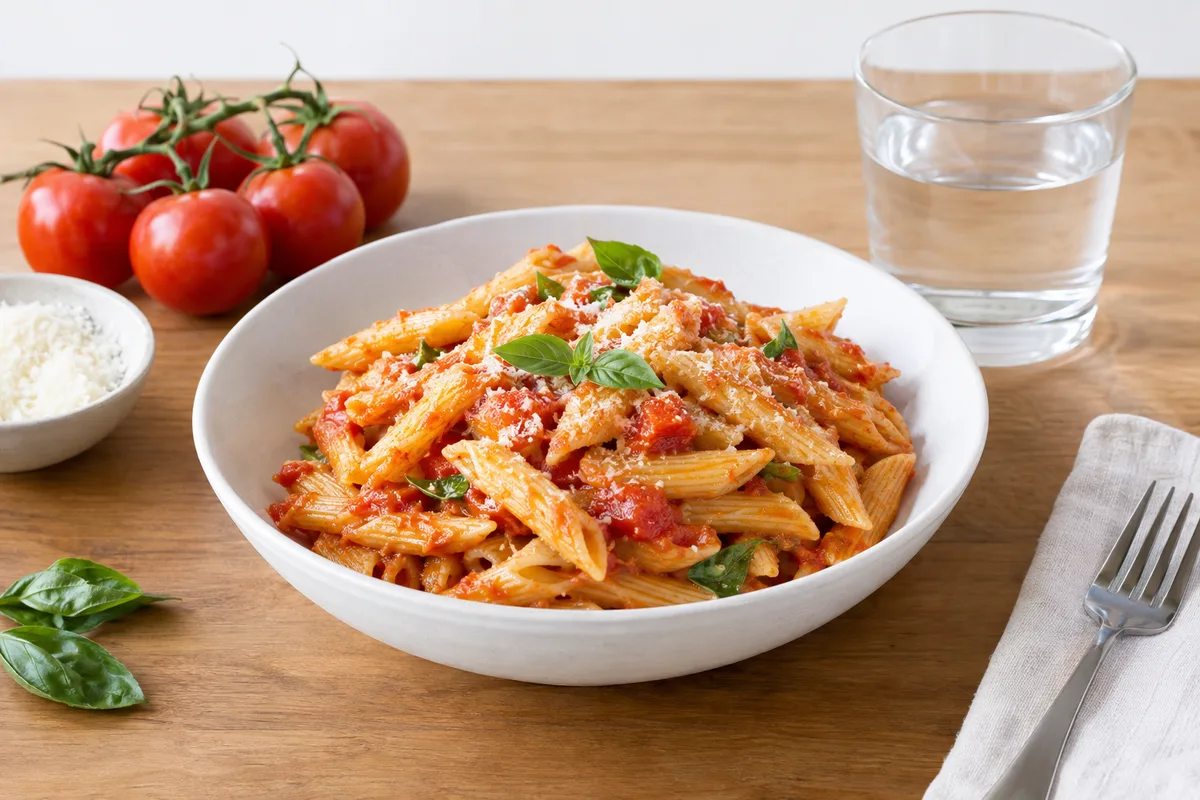
Wholegrain pasta generally contains more fibre than refined pasta, but both can fit into a varied diet. Your usual eating pattern matters more than whether one serving uses white or wholegrain pasta.
Track the amount you actually eat
Dry pasta absorbs water and becomes heavier during cooking, so dry and cooked weights are not interchangeable. Log it in the same state shown in your tracking app or on the packet to avoid a misleading entry.
A suitable portion depends on your appetite, activity, goals and what else is in the meal. Rather than relying on a universal serving size, review how the portion affects your daily intake and how satisfied you feel afterwards.
Look beyond the pasta itself
Sauces, oils, cheese and other additions can change a pasta meal substantially. When tracking, record these separately instead of treating the whole bowl as plain pasta.
For a more rounded meal, combine pasta with vegetables and a source of protein, then add fats according to your preferences and goals. This can bring more fibre, variety and staying power without requiring you to remove pasta.
Decide based on your overall pattern
Pasta may be less helpful if its portions repeatedly crowd out foods that offer nutrients your diet is missing. It can still be a practical staple when the serving fits your intake and the rest of the meal is varied.
Use your food log to notice patterns rather than judging one meal. If pasta works with your targets, preferences and dietary needs, there is no general reason to label it as bad.