
Is pearl barley more nutritious than rice?
Pearl barley and rice provide carbohydrate, but they differ in fibre, texture, nutrients and cooking time. This guide explains those differences and shows how to compare them in your food log.
The short answer
Pearl barley can be the more nutritious choice when fibre is the main priority. It generally provides more fibre than white rice and often more than brown rice, although the exact amount depends on the product and how it is prepared. Its chewy texture can also make a meal feel more substantial.
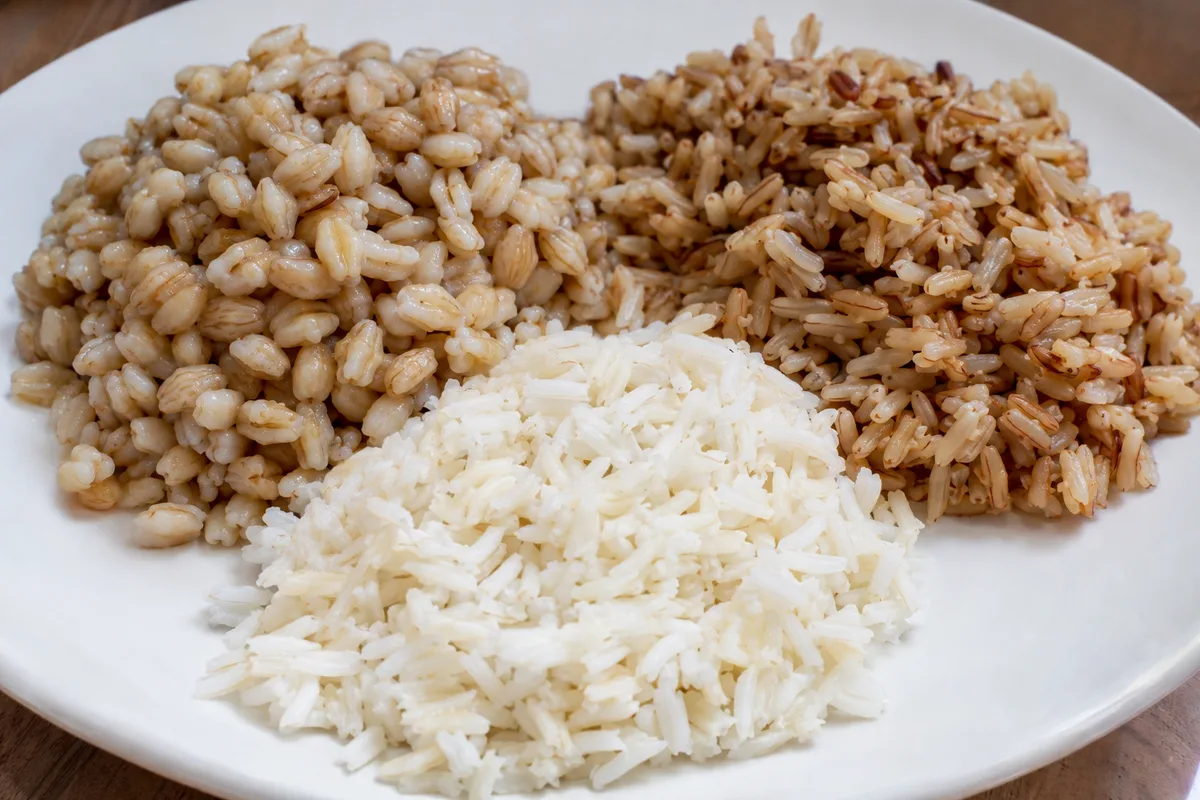
That does not make rice a poor choice. Brown rice retains more of the grain than white rice, while white rice is softer, quicker to cook and often easier to pair with familiar dishes. The best option depends on the rest of your meal, your preferences and what you want to track.
- Choose pearl barley when you want to add more fibre and a chewy texture.
- Choose brown rice when you want a wholegrain rice with a nutty flavour.
- Choose white rice when a soft texture, mild taste or quicker cooking matters.
- Compare cooked portions rather than dry weights in your food log.
How pearl barley and rice are processed
Barley has an outer hull that must be removed before it can be eaten. Pearl barley is polished to remove the hull and some of the bran, so it is not usually classed as a whole grain. Even after polishing, it tends to retain a useful amount of fibre.
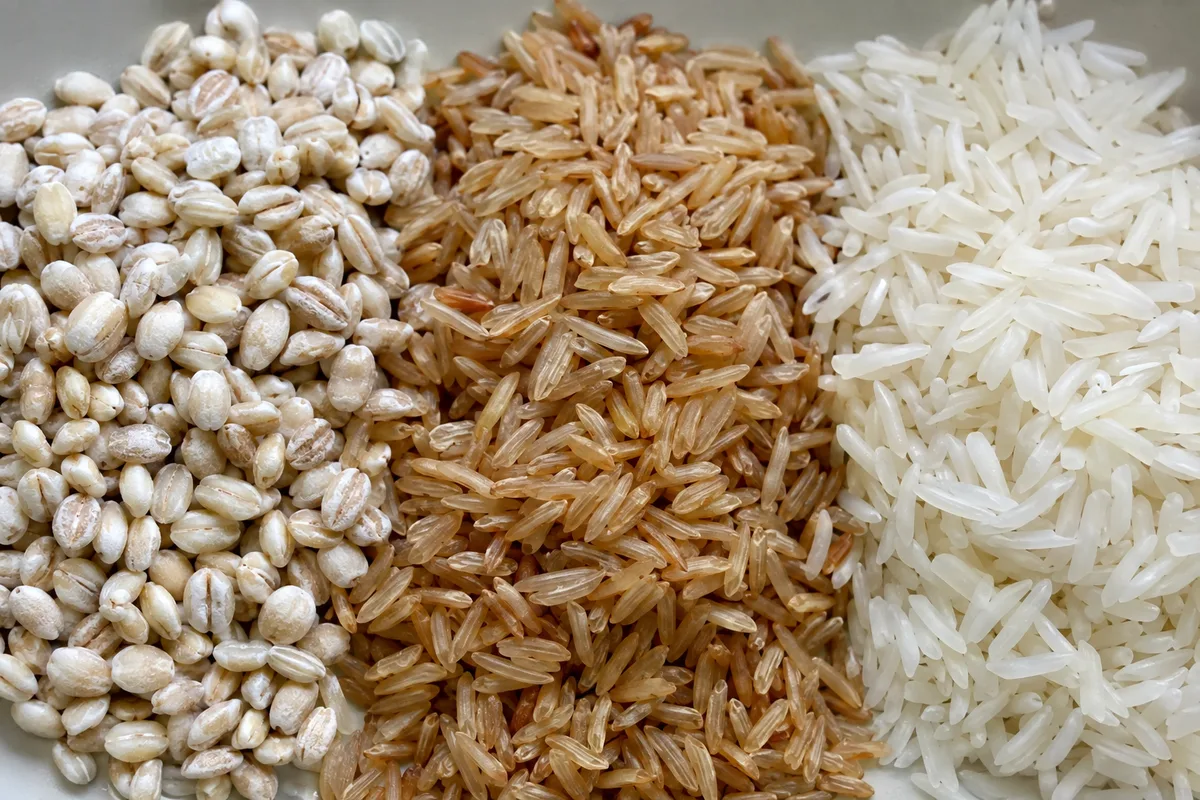
Brown rice has its inedible outer hull removed but keeps its bran and germ. White rice is milled further, removing those layers and leaving mainly the starchy centre. This is why brown rice usually contains more fibre and a broader range of naturally occurring nutrients than white rice.
The main nutritional differences
All three foods mainly supply carbohydrate, which the body can use for energy. Pearl barley stands out for its fibre, including a soluble type called beta-glucan that forms a soft gel when mixed with liquid. Rice contains less of this kind of fibre, particularly when it is white.
Pearl barley, brown rice and white rice all provide some protein, but none is usually the main protein source in a meal. Their vitamin and mineral profiles differ, and some rice products have nutrients added during manufacturing. Packaging is the best place to check because varieties and processing methods are not identical.
- Fibre: pearl barley usually provides the most, followed by brown rice and then white rice.
- Texture: barley is chewy, brown rice is firm, and white rice is generally softer.
- Flavour: barley and brown rice taste nuttier, while white rice is milder.
- Gluten: barley contains gluten, while plain rice does not.
Calories and portions can be misleading
A dry grain absorbs water as it cooks, so its weight and volume increase without water adding calories. Barley and different types of rice absorb different amounts, which means equal spoonfuls of cooked grains are not always nutritionally equal. Cooking method and draining can also affect the final weight.
When logging a meal, check whether the database entry is for cooked or dry food. Weighing a dry portion and selecting a dry entry can be practical when cooking for one, while a cooked entry may suit food served from a shared pan. Whichever method you use, consistency makes your records easier to compare.
- Match the food state: dry weight with a dry entry, or cooked weight with a cooked entry.
- Select the exact grain type, such as pearl barley, brown rice or white rice.
- Check whether added oil, butter or sauce needs a separate entry.
- Use the packet information when it differs from a generic database result.
Choosing the better grain for your meal
Nutrition is shaped by the whole plate rather than one ingredient. Barley can add fibre to soups, stews and grain bowls, but rice may suit a curry, stir-fry or lightly flavoured side more naturally. Vegetables, beans, fish, eggs, meat or other protein foods can make a larger difference to the balance of the meal.
Your digestion and appetite also matter. A higher-fibre grain may feel more filling, but a sudden increase in fibre may not feel comfortable for everyone. Increase it gradually if needed and drink according to your usual thirst.
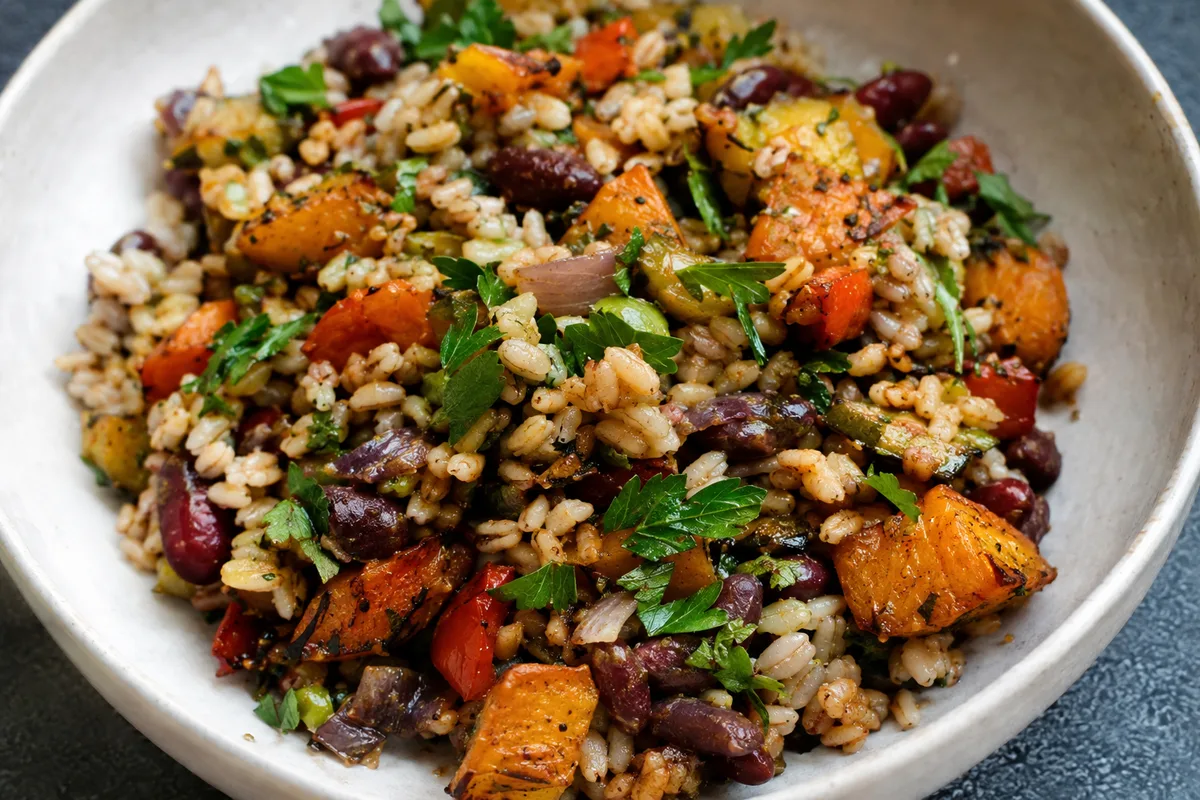
- Use pearl barley with roasted vegetables, herbs and beans.
- Serve brown rice with vegetables and a protein food for a firmer wholegrain base.
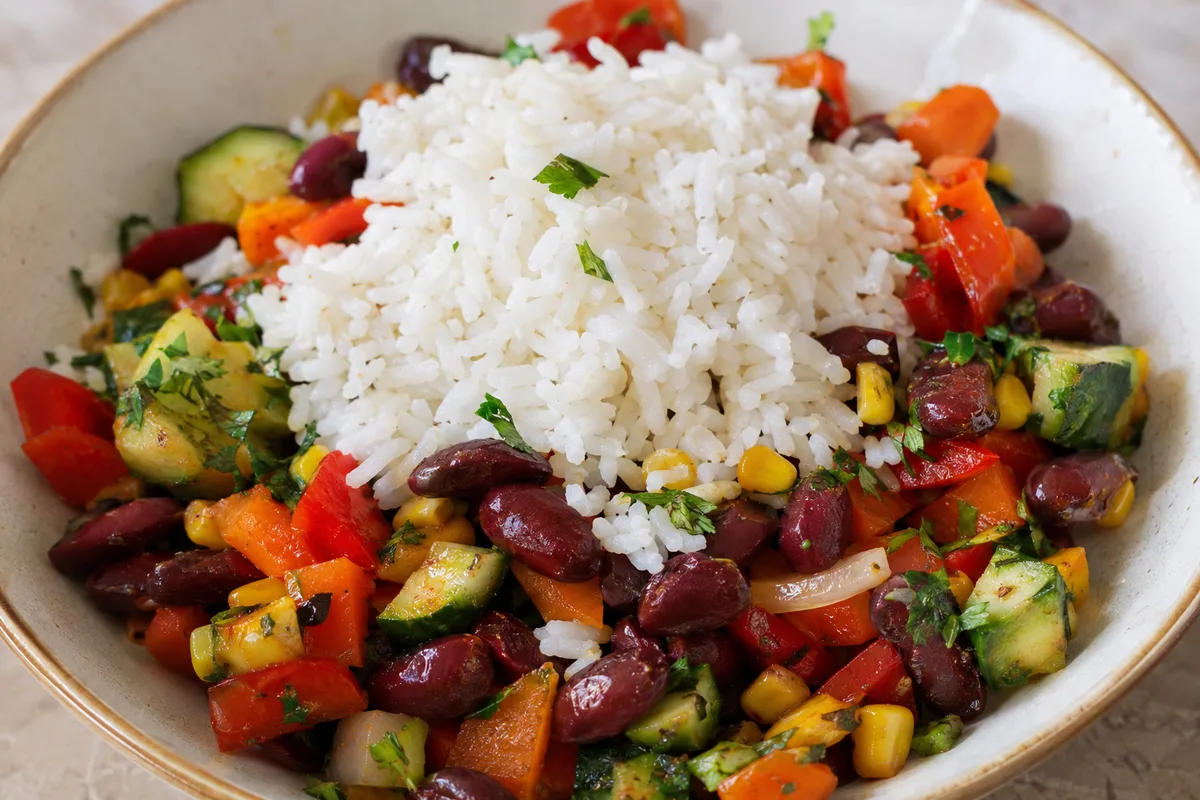
- Pair white rice with fibre-rich vegetables or pulses when you want a softer grain.
- Mix cooked barley with rice if you prefer a gentler change in texture.
A practical verdict
Pearl barley is often the stronger nutritional choice for fibre, especially when compared with white rice. Brown rice narrows the difference because it keeps its bran and germ, but barley still has its own fibre profile and distinctive texture. Exact values depend on the variety, brand, cooking method and portion.
There is no need to choose one grain for every meal. Rotating pearl barley, brown rice and white rice can provide different textures and make meals easier to enjoy. In your tracker, focus on the portion you actually eat and compare like with like before drawing conclusions.