
Is ramen a good choice when you are watching what you eat?
Ramen is not automatically a good or bad diet food, as the ingredients and serving size can vary widely. Here is how to log it accurately and build a bowl that suits your goals.
Ramen is a whole meal, not just noodles
A bowl of ramen usually combines noodles, broth, oil, seasoning and toppings. Each part affects its energy, protein, fibre and salt content. That makes the complete bowl more useful to assess than the noodles alone.
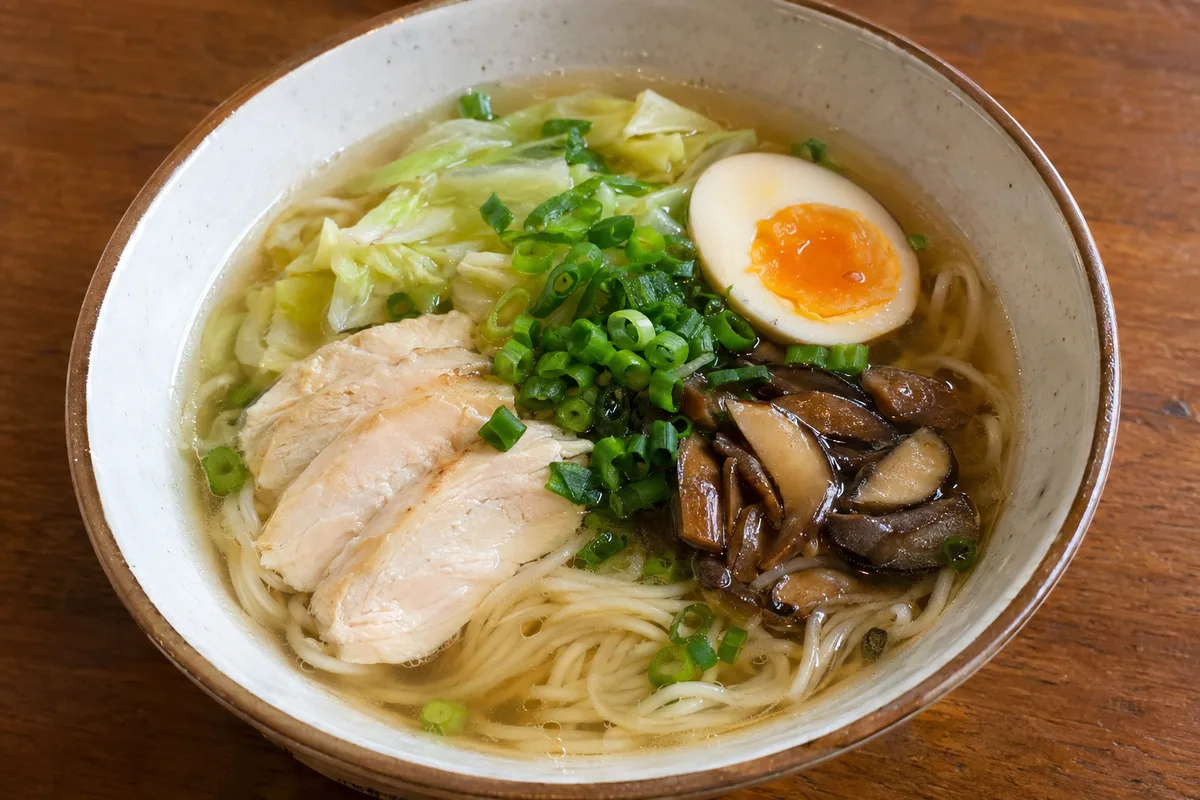
The noodles mainly provide carbohydrate, while added oil and fatty toppings can contribute a substantial share of the energy. Meat, eggs, tofu and similar toppings add protein, and vegetables can provide fibre and bulk. The final balance depends on the recipe and portion rather than the word “ramen” on the menu.
- Noodles: mostly carbohydrate, with the amount depending on the portion
- Broth: may contain oil, seasoning and ingredients blended into the liquid
- Protein toppings: eggs, chicken, pork, tofu or seafood
- Vegetables: mushrooms, cabbage, greens, sweetcorn or bean sprouts
Why ramen portions are difficult to track
Restaurant ramen can be hard to log because you may not know how much oil, noodle or seasoning was used. Bowls that look similar can have very different recipes. A generic database entry is therefore only an estimate unless the restaurant publishes its own nutrition information.
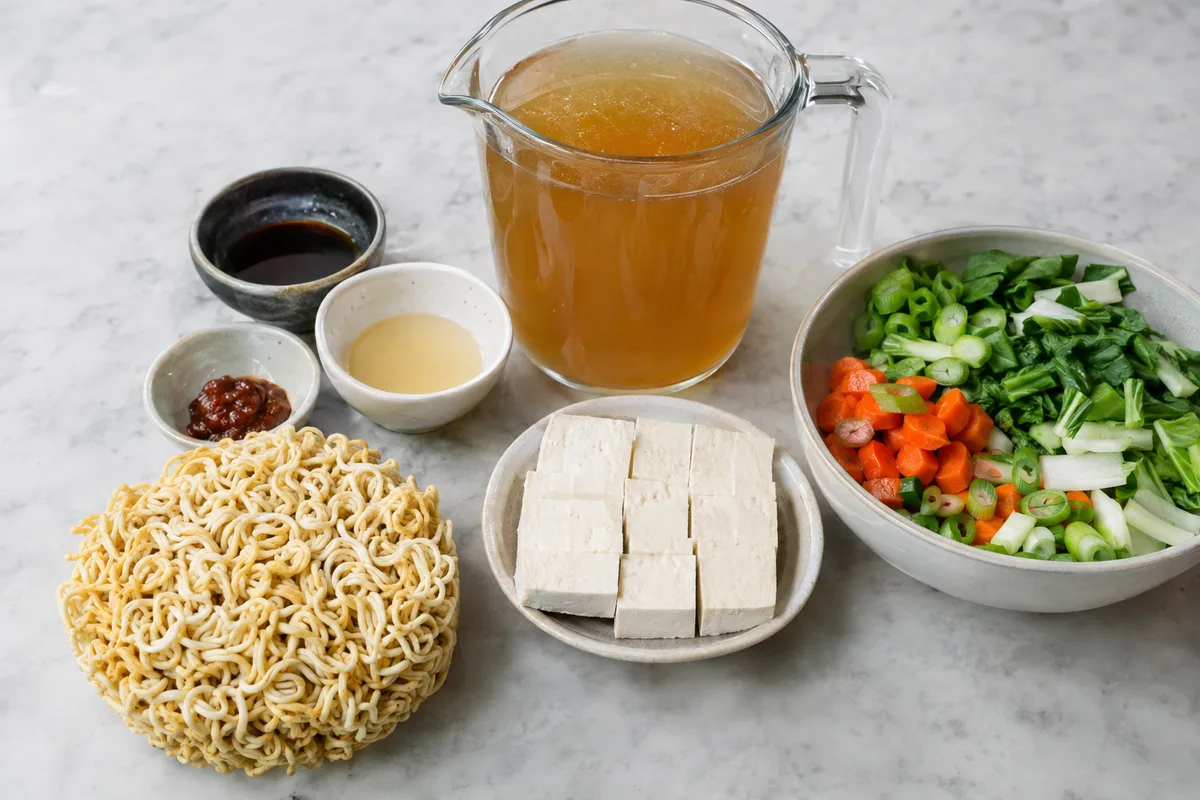
For a homemade bowl, track each ingredient separately before combining them. Packaged ramen is simpler because you can start with the label, but check whether the figures refer to the dry product, the prepared product or only part of the pack. Include any oil, egg, meat or other extras you add.
- Use the restaurant’s own nutrition entry when one is available
- Choose the closest database match when the recipe is unknown
- Log noodles, broth ingredients and toppings separately at home
- Save your usual homemade recipe for quicker repeat tracking
Protein and vegetables make the bowl more filling
Plain noodles and broth may leave little room for protein, fibre or vegetables. Adding a clear source of protein and a generous amount of vegetables creates a more balanced meal. It also gives the bowl more texture and variety without relying only on extra noodles.
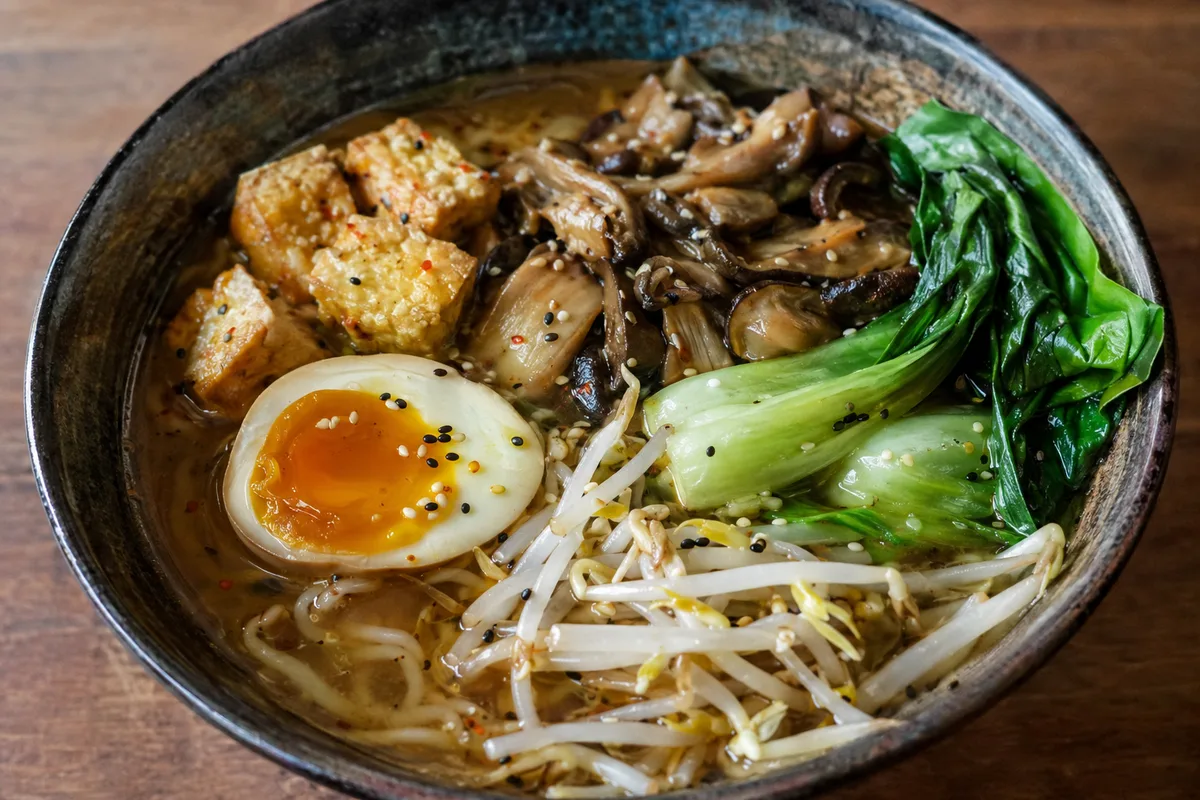
Choose toppings according to your preferences and what fits the rest of your day. Leaner meat, eggs, tofu and seafood can all work, while cabbage, mushrooms, spinach and bean sprouts add volume. Sauces and cooking oils still count, even when the toppings themselves seem light.
- Add tofu, egg, chicken or seafood for protein
- Use cabbage, spinach or pak choi for leafy vegetables
- Add mushrooms or bean sprouts for extra texture
- Measure flavoured oils and rich sauces when tracking at home
The broth can change the total
Ramen broth ranges from light and clear to thick, creamy and oil-rich. Richer broth may contain more fat, while any type can contain a notable amount of salt. Leaving some broth behind can reduce what you consume, although it does not make the logged amount exact.
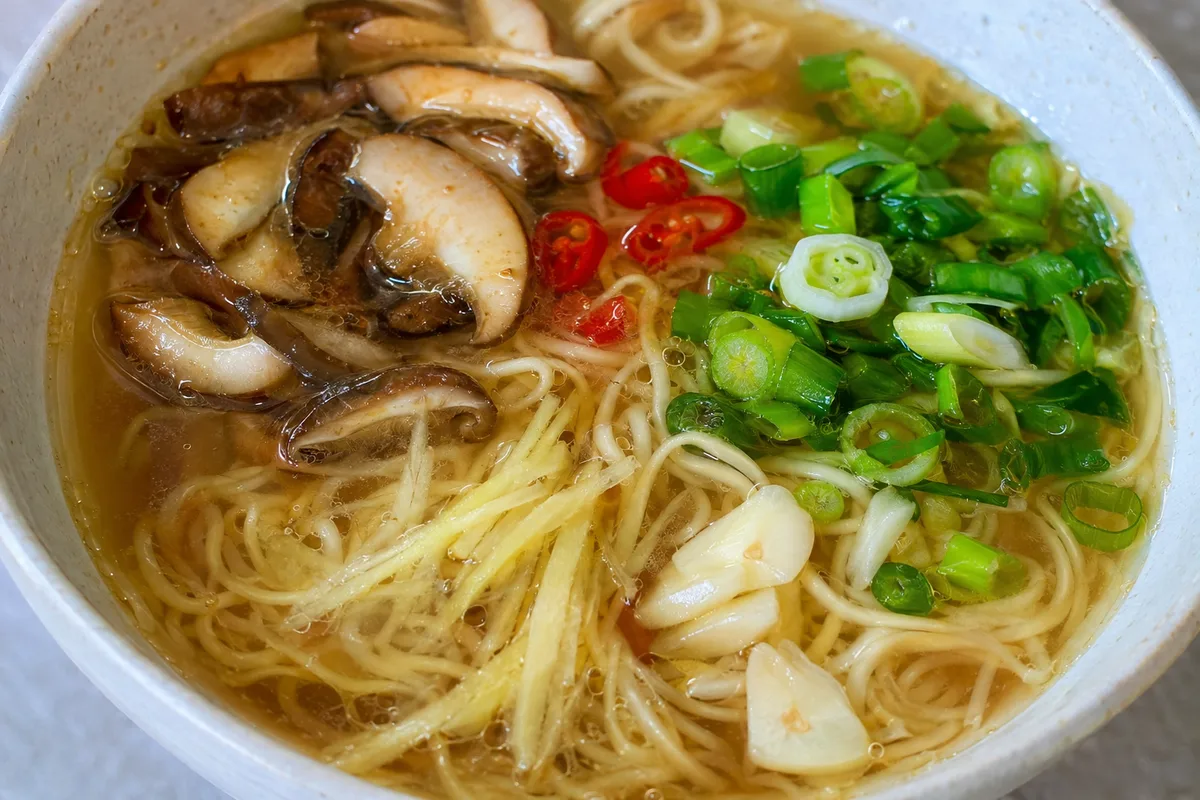
At home, you have more control over the base and added oil. You can build flavour with garlic, ginger, spring onion, chilli, mushrooms or a measured amount of seasoning. Taste the finished broth before adding more salty sauces or seasoning packets.
- Choose a lighter broth when that better suits your target
- Measure oil rather than pouring it straight into the pan
- Use aromatic vegetables and spices to build flavour
- Track the amount of seasoning or sauce you actually use
Instant ramen can fit, with a few adjustments
Instant ramen is convenient, but the basic packet is often centred on noodles, oil and seasoning. It may not provide much protein, fibre or vegetable variety on its own. Treating it as a starting point rather than a complete bowl makes it easier to improve the balance.
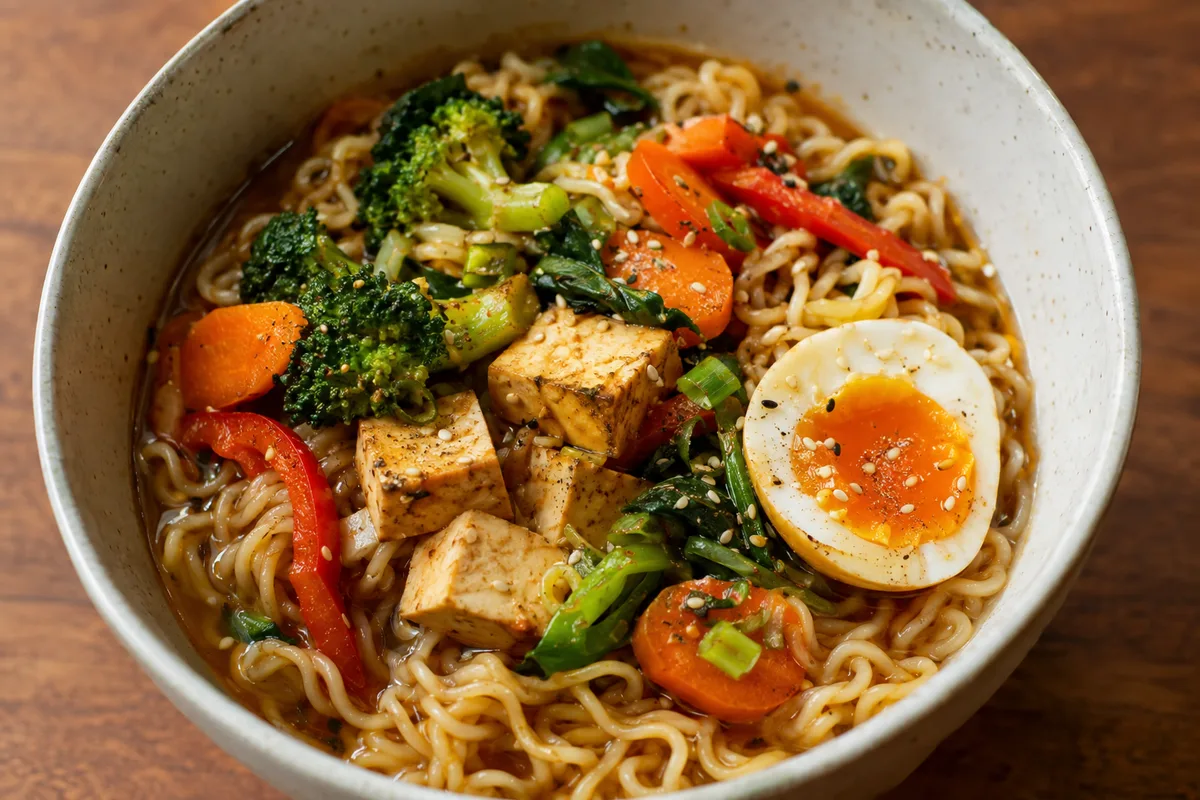
Use the packet information as the basis of your log and add each topping separately. You can use less of the seasoning if you prefer a milder or less salty bowl, but the energy in the noodles remains. If you use only part of the noodle block, record the proportion you prepared rather than assuming the whole pack.
- Add frozen mixed vegetables while the noodles cook
- Stir in tofu, cooked chicken or an egg
- Use only as much seasoning as you enjoy
- Serve a smaller noodle portion with more vegetables and protein
So, is ramen a good diet food?
Ramen can fit into a diet, but it does not have a single nutritional profile. A bowl with a suitable noodle portion, a protein source and plenty of vegetables may be easier to fit into your targets than one dominated by noodles, fatty toppings and rich broth. Your preferred portion depends on your appetite, goals and the rest of what you eat.
When tracking restaurant ramen, accept that the entry will usually be an estimate and choose the closest reasonable match. For homemade ramen, weighing or measuring the main ingredients gives you a clearer picture without requiring every herb or garnish to be perfect. Consistent, sensible logging is more useful than treating ramen as either forbidden or automatically healthy.