
How to Make Wendy’s Fit Your Eating Plan
Wendy’s can fit a tracked eating plan, but the best choice depends on your target, appetite and the menu available. This guide explains how to compare meals, customise an order and record it accurately without labelling foods as good or bad.
Start with what ‘diet friendly’ means for you
A diet-friendly meal is simply one that works within the way you have chosen to eat. You might be watching total energy, aiming for more protein or trying to include more fibre. There is no single Wendy’s order that suits every person.
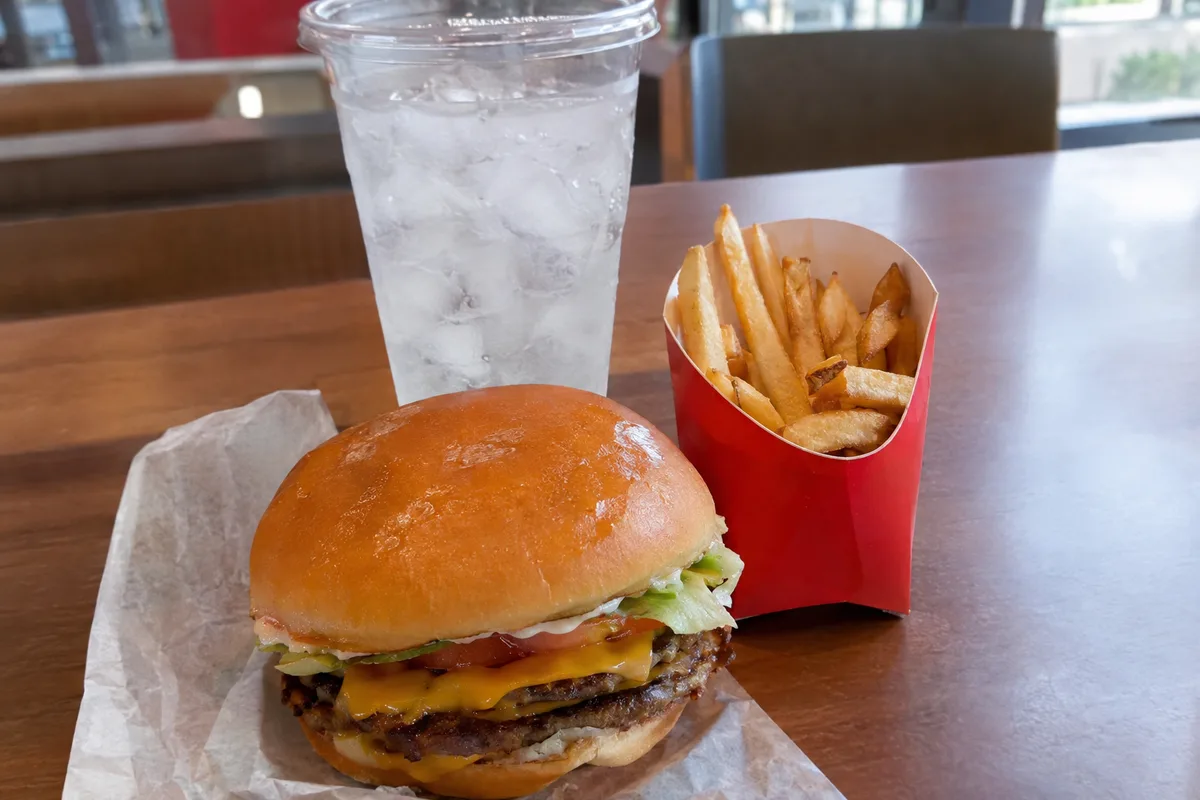
Before looking at individual items, decide what matters most for this meal. If you know dinner will be substantial, you may want a lighter lunch. If this is your main meal of the day, a more filling combination may fit better.
Fast-food portions and recipes can vary between countries and locations. Seasonal items also come and go, so use Wendy’s current nutrition and allergen information rather than relying on an old entry in your tracker. Check that the serving size and product name match what you order.
- Set a rough energy allowance for the whole meal
- Choose whether protein, fibre or portion size is your main priority
- Include drinks, dips, sauces and sides in your plan
- Check the local menu before deciding
Build the meal around a simple main
A straightforward burger or chicken item is usually easier to track than a heavily topped version. Extra cheese, bacon, creamy sauces and additional patties can quickly change the meal’s energy and fat content. That does not make them forbidden, but they need to be counted.
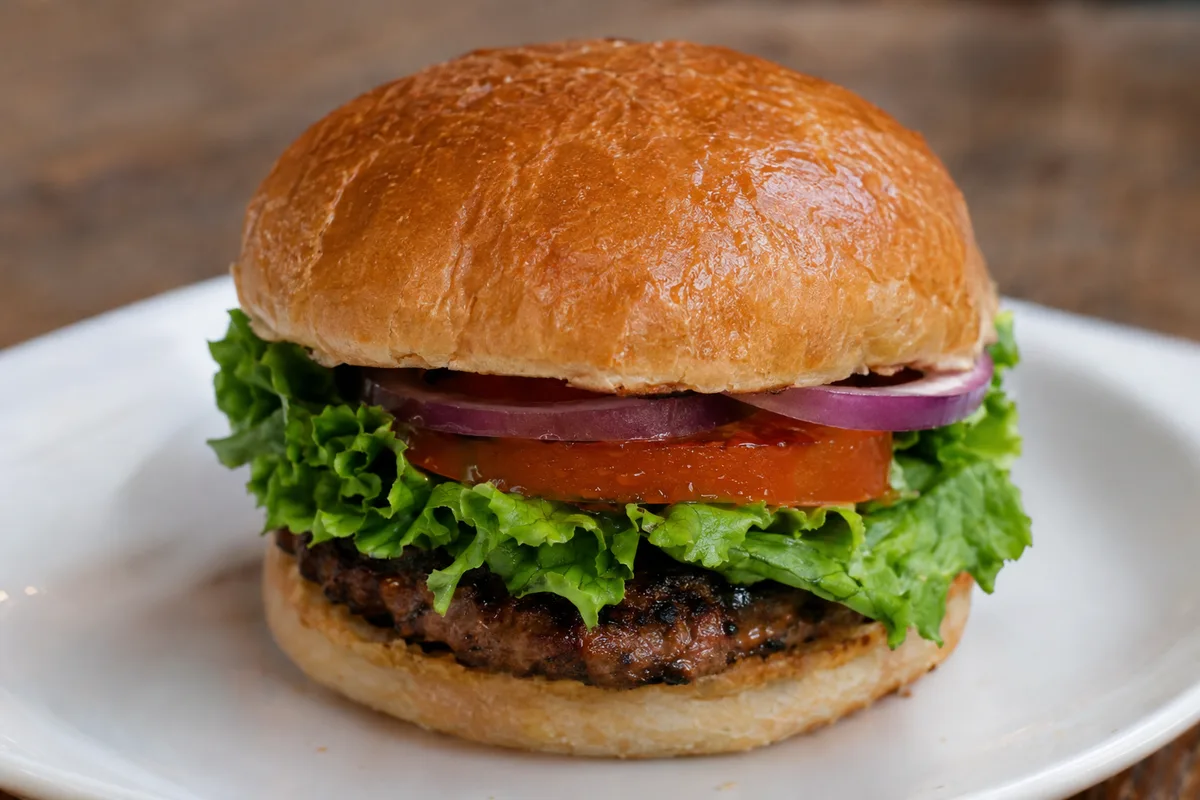
Look beyond the name of the item and check what is actually inside it. Two similar-looking burgers may have different buns, toppings, sauces or numbers of patties. The current nutrition listing gives you a better comparison than words such as classic, premium or deluxe.
Protein and carbohydrate provide about 4 kcal per gram, while fat provides about 9 kcal per gram. This helps explain why extra fatty toppings and rich sauces can make a noticeable difference even when they do not add much volume. Pick the extras you value most rather than adding each one automatically.
- Choose a single-patty burger instead of adding more patties
- Keep salad vegetables such as lettuce, tomato and onion
- Remove cheese or bacon if they are not important to you
- Ask for a rich sauce to be left out or served separately
- Choose a plain chicken option when it is available
Choose sides with the whole order in mind
The side is part of the meal, not a free extra. Fries can fit a tracked plan, but the portion needs to be included alongside the main, drink and sauces. A smaller serving may give you the taste you want while leaving room elsewhere in the day.
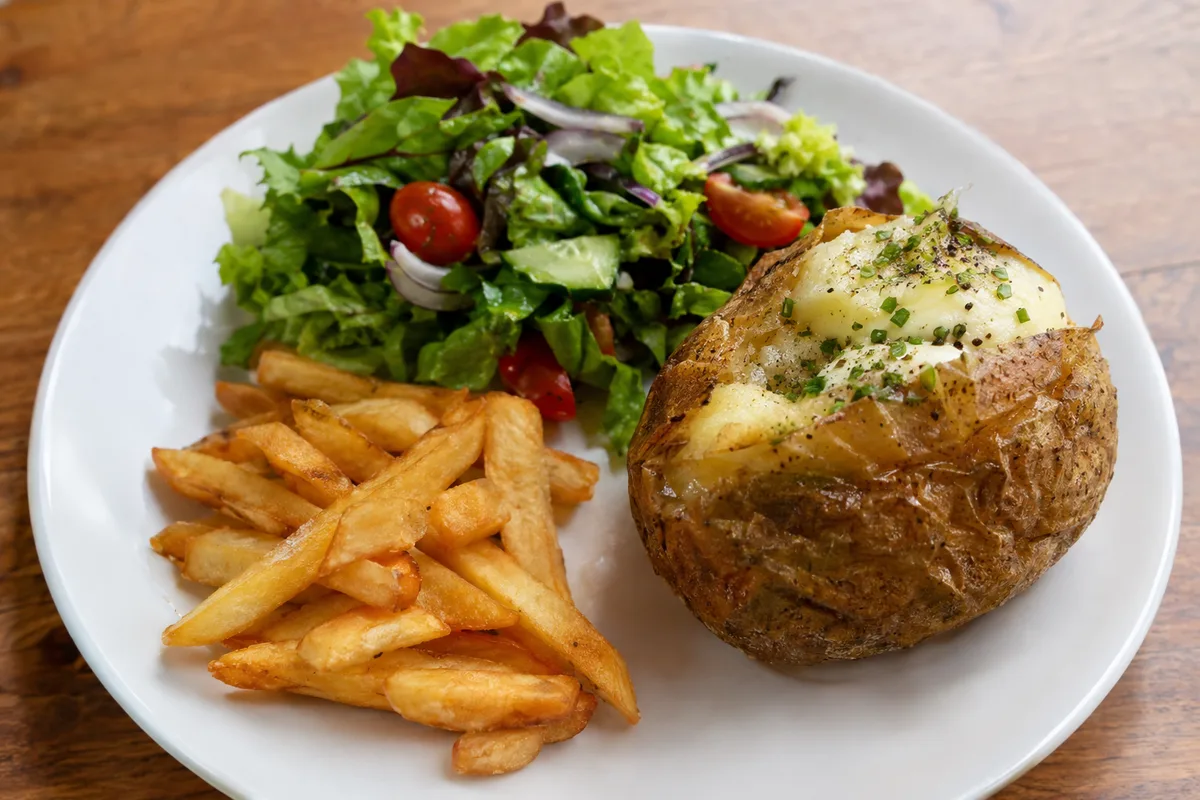
Where the local menu offers alternatives, compare them before ordering. A plain side salad can add vegetables, while a baked potato may be more substantial. Toppings and dressings matter because they can change a simple side into a much richer item.
You do not have to order a side just because it is part of a familiar meal pattern. If the main is enough for your appetite, you can stop there. If you do want a side, choose it deliberately rather than treating it as automatic.
- Order a smaller portion of fries
- Choose a plain side salad where available
- Select a baked potato with toppings counted separately
- Share a side if that suits the people you are eating with
- Skip the side when the main is enough
Be deliberate with drinks, sauces and toppings
Drinks and condiments are easy to overlook when tracking because they may not feel like part of the food. Sweetened drinks, creamy dips and generous sauce portions can still make a meaningful contribution to the meal. Record them in the same way as the burger and side.

Water and drinks without added energy can leave more room for the food you prefer. If you choose a sweetened drink or shake, check the serving size and include it in the full meal. Refills also count, even when they are not shown as separate purchases.
Sauce on the side gives you more control over how much you use. You can dip lightly, add a small amount to the burger or leave some behind. When staff cannot make a requested change, use the standard nutrition entry and track the item as served.
- Choose water or a drink without added energy
- Count each sweetened drink or refill
- Request dressing or dipping sauce on the side
- Remove a topping only when the kitchen can prepare it that way
- Log any sauce you actually use
Use customisation without making the meal joyless
A useful order should still be enjoyable. Removing every topping may save some energy, but it can also leave you dissatisfied and looking for more food soon afterwards. Keep the ingredients that make the meal worthwhile to you.
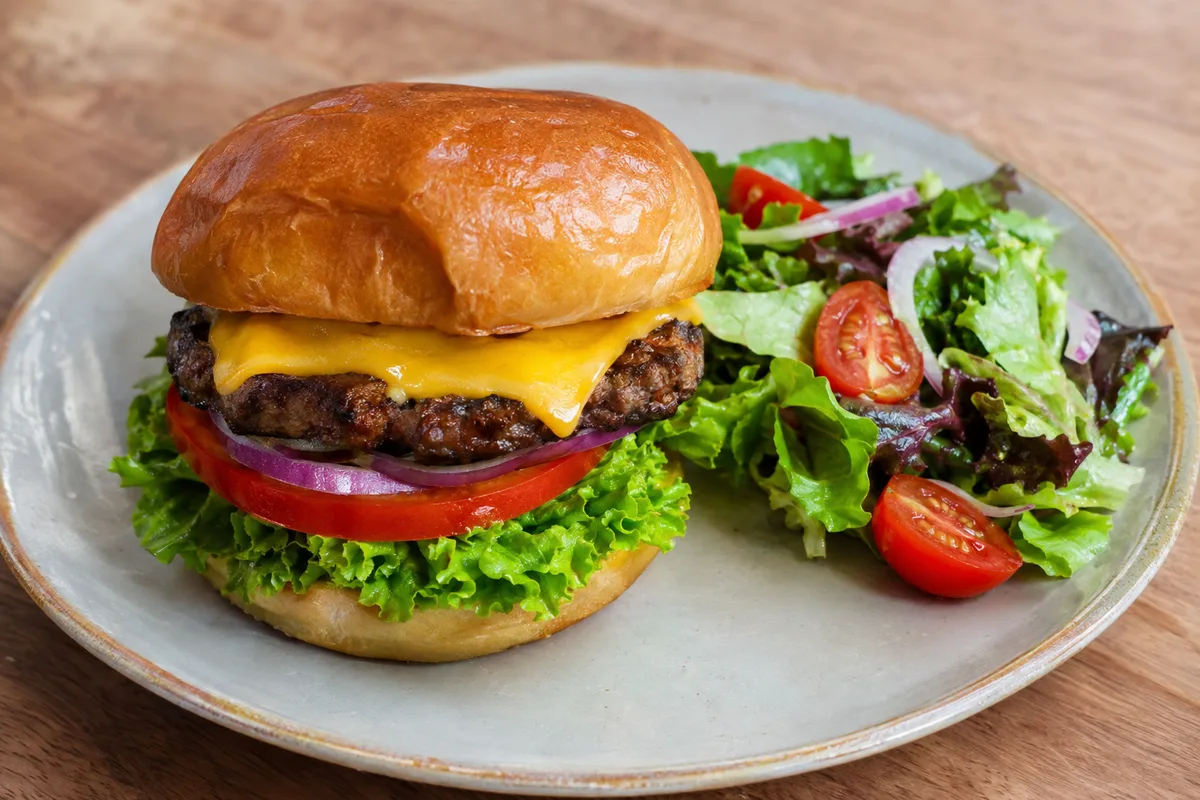
Try making one or two changes rather than rebuilding the entire item. For example, you might keep the cheese but leave out a creamy sauce, or enjoy fries with a simpler burger. This approach makes the order easier to track and more likely to feel like a proper meal.
You can also adjust the rest of the day rather than forcing one meal to meet every goal. A fast-food meal may contain fewer vegetables or less fibre than your usual food. Include fruit, vegetables, wholegrain foods or pulses at other meals if they fit your plan.
- Keep one favourite topping and remove a less valued extra
- Pair a richer main with a simpler side
- Choose fries and skip an additional dip
- Add fruit or vegetables elsewhere in the day
- Avoid compensating by making later meals uncomfortably small
Log the order as accurately as you can
Search your tracker for the exact Wendy’s item and check the country, portion and description. User-added entries may be incomplete or based on an older recipe. When possible, compare the entry with the current official menu information.
Custom orders may not have a perfect matching entry. Start with the standard item, then remove or add components only when your tracker supports that level of detail. If the exact amount of sauce or topping is unknown, make a reasonable estimate and stay consistent.
Tracking is a tool, not a test of perfect precision. Restaurant preparation can vary slightly, and the exact number depends on the portion served. An honest, repeatable estimate is more useful than leaving the meal unrecorded because every detail is not known.
- Match the exact product name
- Check the listed serving size
- Confirm that the entry is for your country
- Add drinks, sides, sauces and desserts separately
- Save your usual customised order for easier logging next time