
How to Choose Beer When You Track Your Diet
Beer can fit into food tracking, but the details on strength and serving size matter. A few simple comparisons can help you choose an option that suits your own targets.
Look beyond the beer style
Labels such as light, low-carb or session beer can be useful clues, but they do not tell the whole story. Check the stated energy per serving where it is available, rather than assuming one style will always be lower than another.

Alcohol itself contributes energy, so a beer with a lower alcohol by volume, or ABV, will often be easier to fit into a daily target. However, recipes vary between brewers, which makes the product label the best source for a direct comparison.
Compare the same serving size
A bottle, can, half pint and pint are not equal portions. Before choosing, compare the energy information for the same volume or enter the amount you actually expect to drink into your tracker.
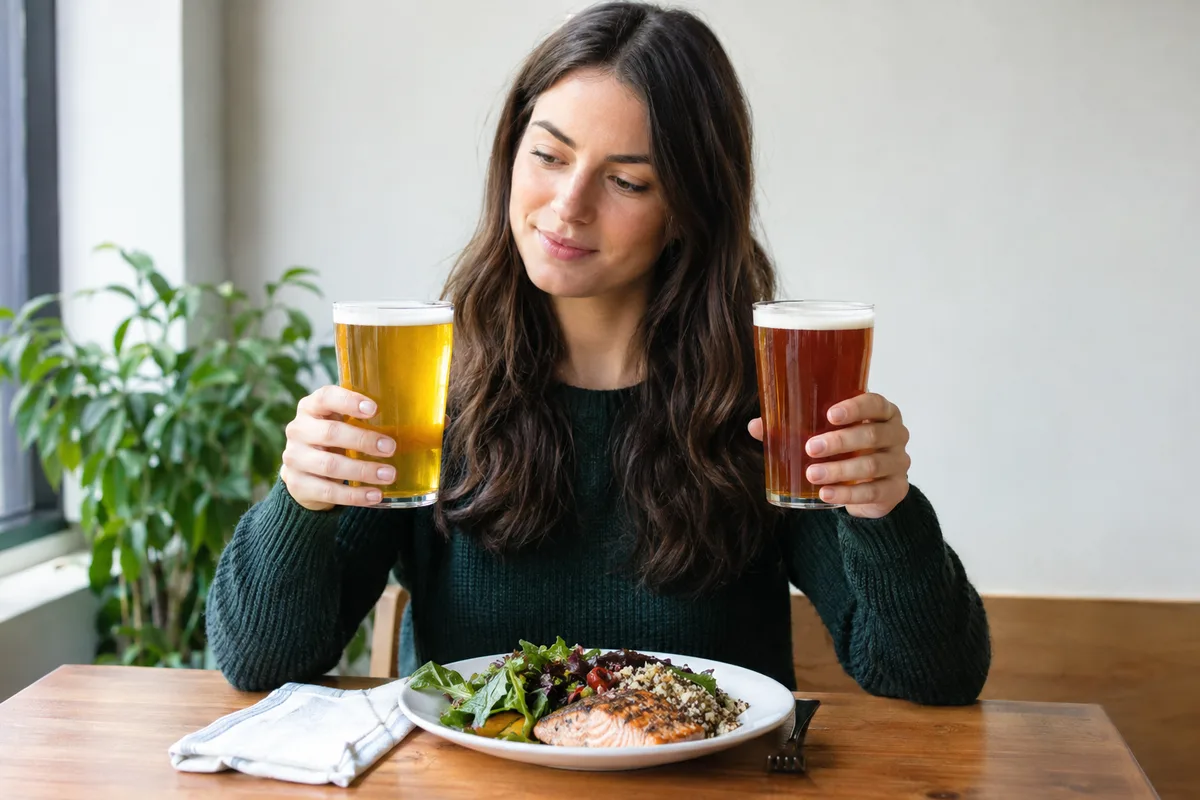
A beer that looks lighter on the label may add more energy overall if the serving is larger. Measuring or selecting the correct container size in your tracking app can prevent an accidental mismatch.
Choose according to your priorities
If keeping energy intake lower is your main aim, start with lower-ABV options and smaller servings, then compare the available label details. If carbohydrate is what you monitor, look for a stated carbohydrate value instead of relying only on words such as dry or crisp.
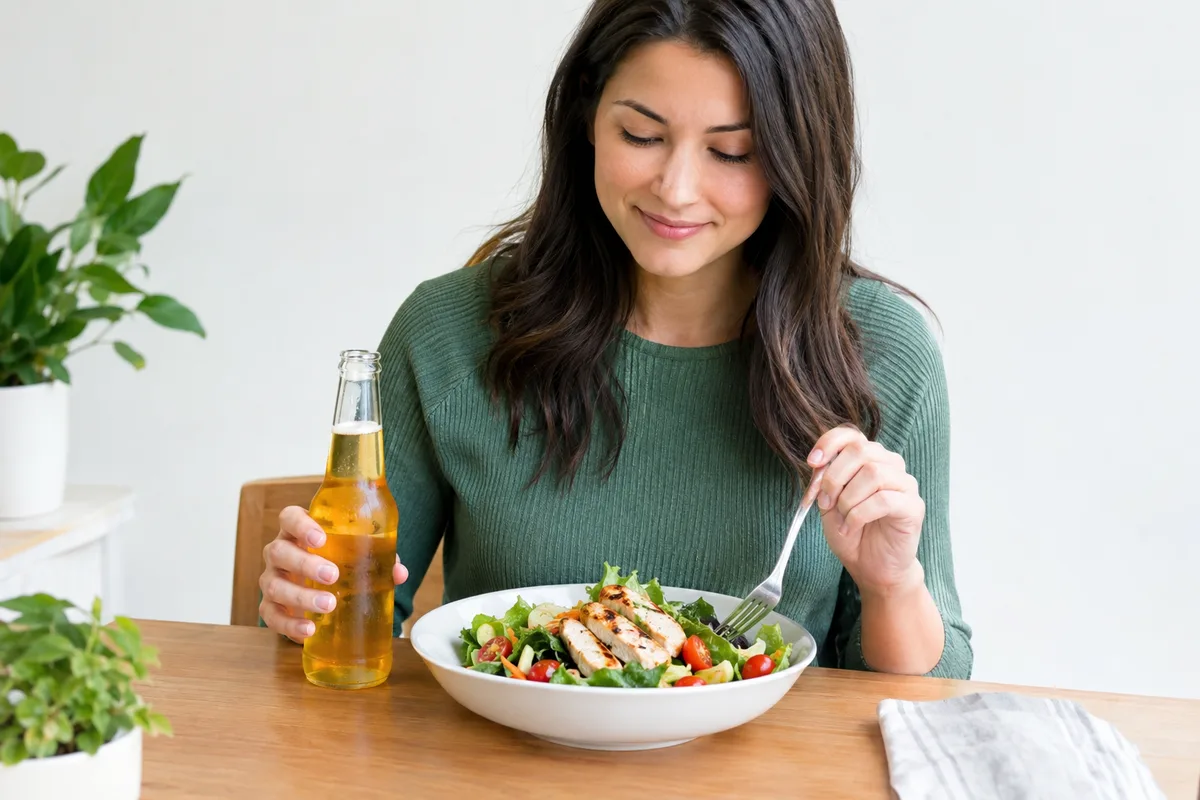
Taste matters too, because a satisfying smaller serving may suit you better than a larger one chosen only for its numbers. The right choice depends on your preferences, your personal targets and what else you have eaten that day.
Track the full occasion
Remember to log mixers, snacks and any additional servings rather than recording only the first beer. These extras can make the occasion look quite different in your food diary.
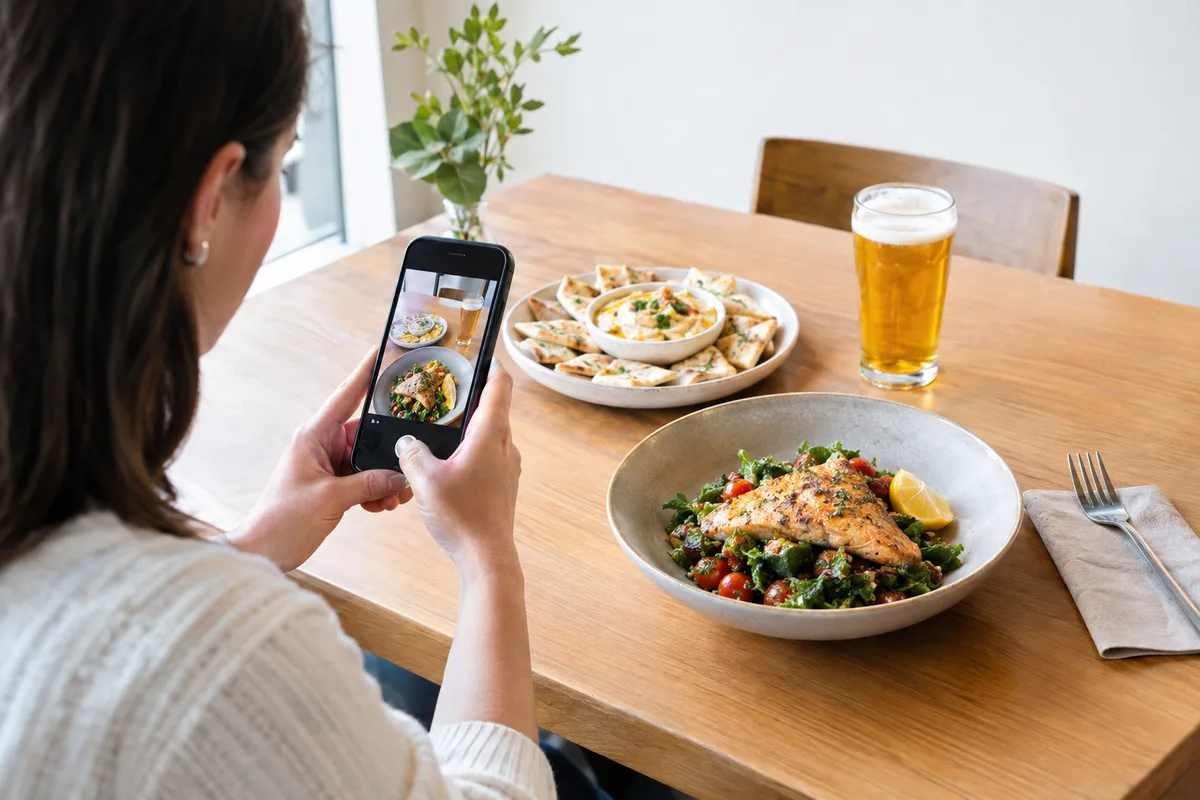
Alternating beer with water can slow the pace and make each serving easier to keep track of. Planning the amount in advance also gives you a clear entry for your diary while helping you stay within the alcohol guidance that applies where you live.