
Dietary fibre: what it is and how to track it
Dietary fibre is the part of plant food that is not fully broken down during digestion. This guide explains its role, its main sources and how to track it without making meals complicated.
What dietary fibre actually is
Fibre is a type of carbohydrate found naturally in plant foods. Unlike sugars and starches, it is not fully broken down in the small intestine. It continues through the digestive system, where it affects stool texture and feeds some of the bacteria living in the gut.
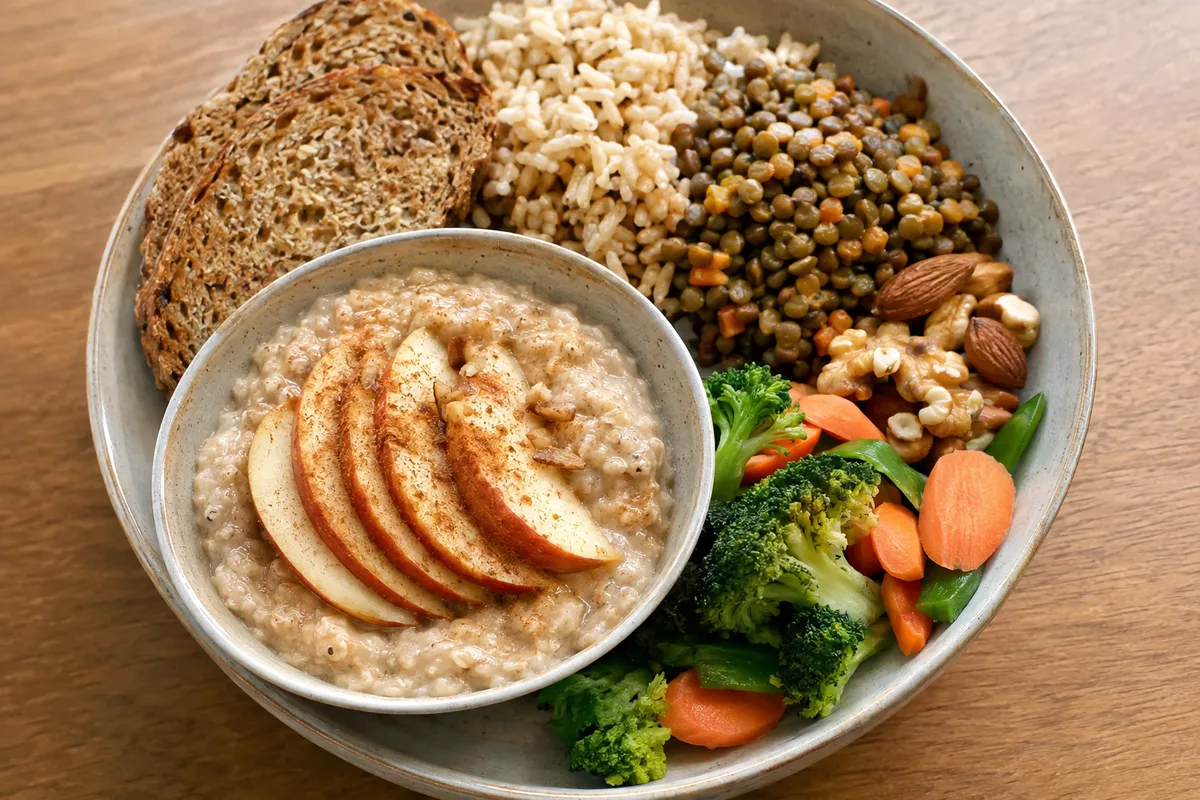
Fibre is not one single substance, so different foods can have different effects. Some forms absorb water, some add bulk and some are fermented by gut bacteria. Eating a varied selection of plant foods is a practical way to include several kinds.
If you track your food, fibre may appear alongside carbohydrate on the nutrition panel or in your tracking app. Your personal target can depend on your age, needs and local guidance. The amount you currently eat is a useful starting point before making changes.
Soluble and insoluble fibre in everyday terms
Fibre is often described as soluble or insoluble, although many foods contain a mixture. Soluble fibre interacts with water and can form a gel-like texture during digestion. Oats, beans, lentils, apples and citrus fruits are useful sources.
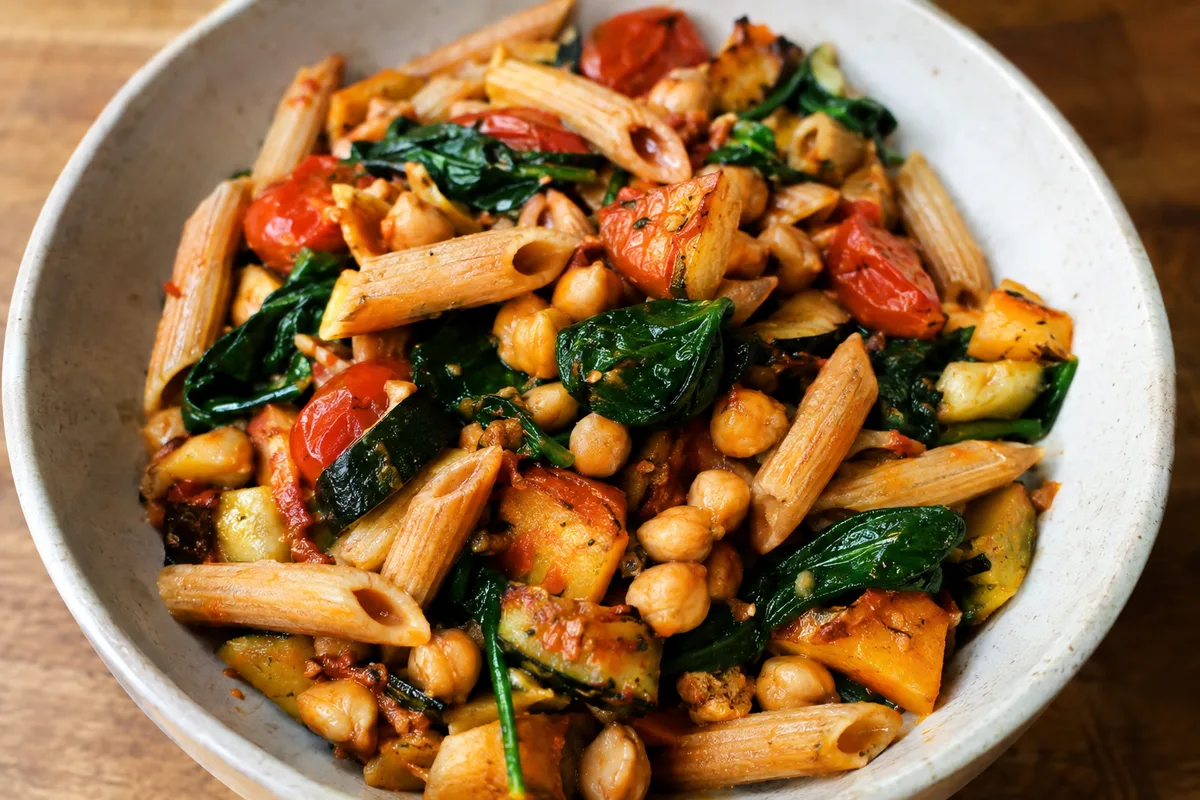
Insoluble fibre does not dissolve in water in the same way. It adds material to stools and helps food move through the digestive system. Wholegrain breads, brown rice, wheat bran, nuts, seeds and many vegetables provide it.
You do not need to track these two groups separately unless you have been given a specific reason to do so. A fibre total, combined with a varied food log, is usually easier to use. Look at the pattern across your meals rather than trying to label every ingredient.
- Soluble fibre sources include oats, beans, lentils, apples and oranges.
- Insoluble fibre sources include wholegrain cereals, brown rice, nuts and vegetable skins.
- Foods such as pulses, fruit and vegetables can provide more than one kind of fibre.
Where fibre fits into meals and snacks
Fibre can come from fruit, vegetables, pulses, wholegrains, nuts and seeds. Including one or more of these groups at each meal spreads your intake through the day. It can also make meals more varied in flavour and texture.
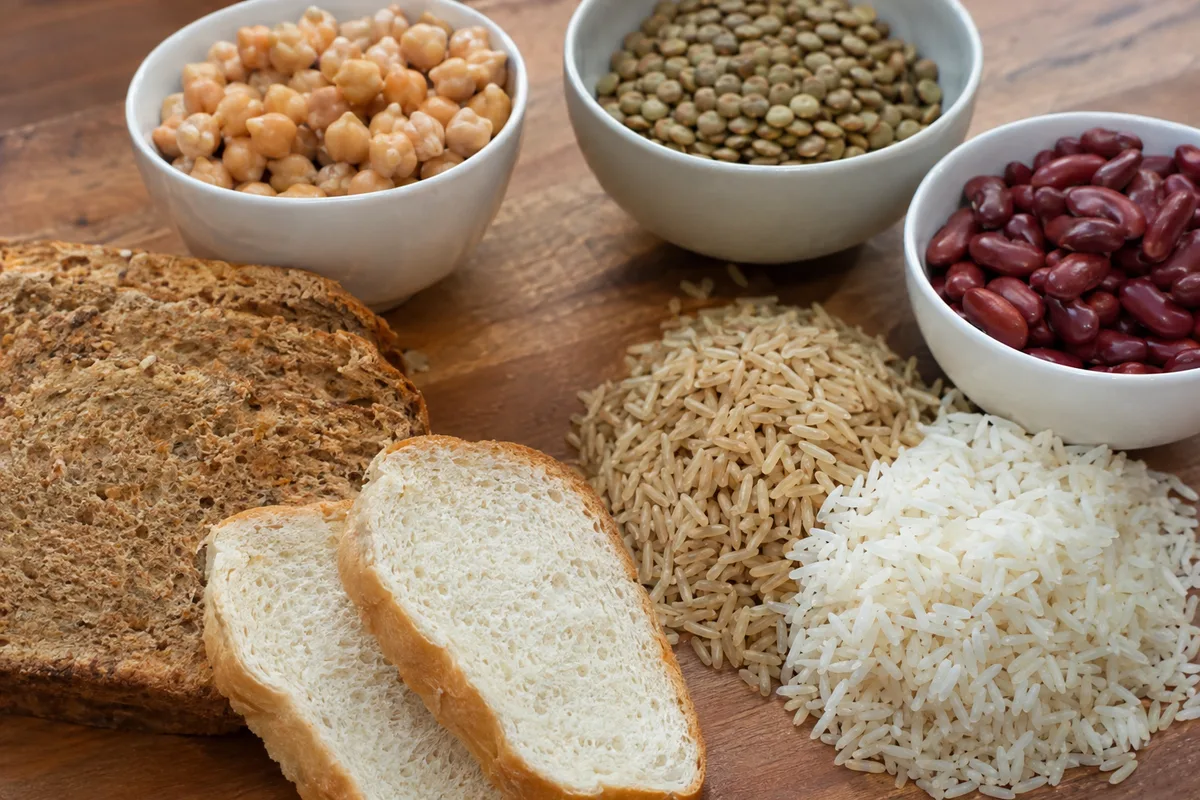
Simple changes often work better than rebuilding your whole menu. You might keep a familiar meal and change the grain, add a pulse or include an extra vegetable. When logging the meal, record the actual ingredient and portion so the fibre estimate reflects what you ate.
Peels and skins can contribute fibre when they are edible and enjoyable. Washing produce and keeping the skin on potatoes, apples or pears is one option. Removing a skin is also reasonable when taste, texture or comfort matters more to you.
- Choose porridge or a wholegrain cereal instead of a lower-fibre option.
- Add beans, chickpeas or lentils to soups, stews, salads or pasta sauces.
- Use wholemeal bread, wholewheat pasta or brown rice when you enjoy them.
- Include fruit, vegetables, nuts or seeds in snacks and meals.
How to track fibre more accurately
Food labels can help, but entries in tracking apps are not always complete. Fibre may be missing from user-added foods, even when the food naturally contains it. Compare an entry with the packet label when an unexpectedly low or blank value appears.
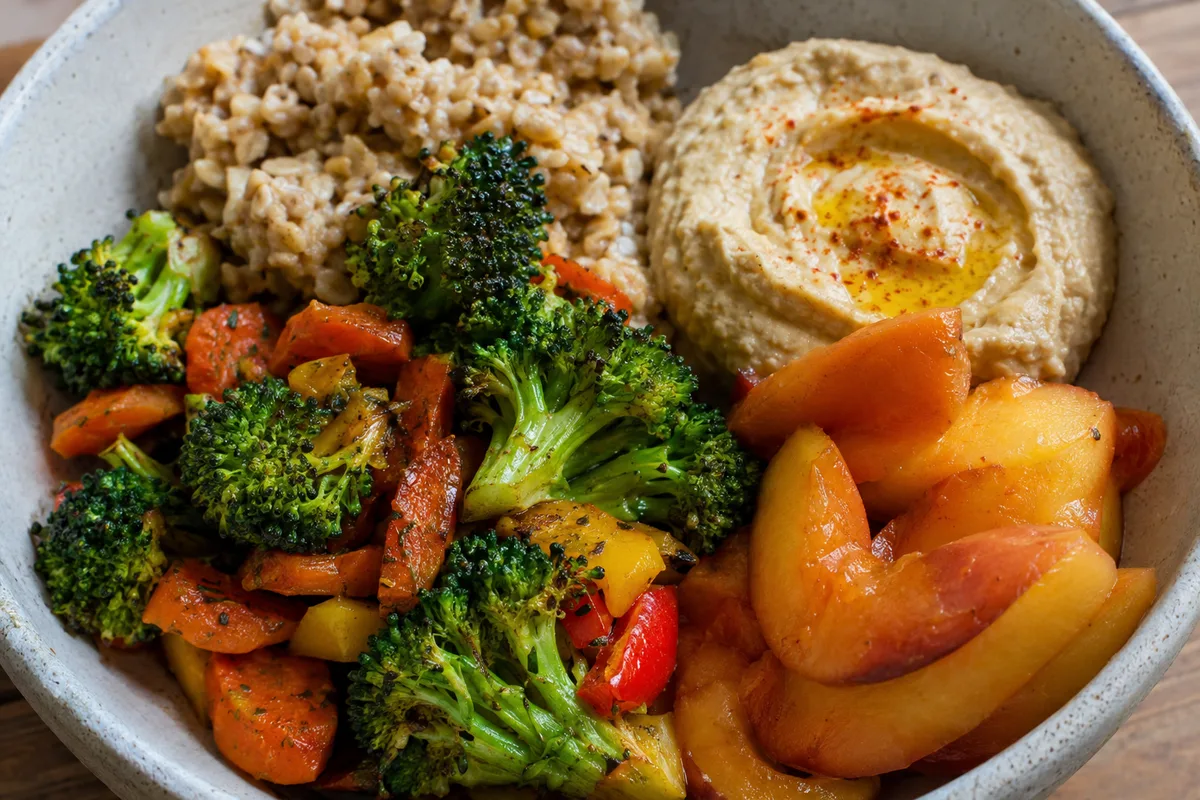
Track the version you actually ate because processing can change the fibre content. White and wholemeal bread, for example, are not interchangeable in a food log. Drained and undrained pulses may also have different listed serving weights.
Daily totals naturally move up and down, so one meal does not tell the whole story. Review several days to see which foods make the biggest contribution and where gaps tend to appear. Your usual pattern is more useful than trying to make every day identical.
- Check that the food entry includes a fibre value.
- Match the brand-free food description, preparation method and portion to your meal.
- Use the packet label for packaged foods when the database entry looks incomplete.
- Review several days rather than judging a single total.
Increase fibre at a comfortable pace
A sudden large change in fibre can feel uncomfortable, particularly if your previous intake was low. Adding one change at a time gives your digestion time to adjust. The right pace depends on the person, so pay attention to how you feel rather than forcing a rapid increase.
Fluid matters because many forms of fibre hold water. Drink regularly across the day and adjust according to your needs, activity and surroundings. There is no single suitable fluid amount for everyone.
Preparation can also affect comfort. Cooked vegetables, soft fruit, smooth pulse-based dips and well-cooked oats may feel different from large servings of raw vegetables or bran. Your food log can include brief notes about comfort as well as fibre totals.
- Start with one extra fibre-rich food rather than several changes at once.
- Spread fibre sources across breakfast, lunch, dinner and snacks.
- Drink regularly throughout the day.
- Adjust portions or preparation methods if a food feels uncomfortable.
Build a balanced fibre pattern
A useful fibre goal is not simply to find the food with the highest number. Variety brings different fibre types and makes it easier to build meals you want to repeat. Aim to draw from wholegrains, pulses, fruit, vegetables, nuts and seeds over time.
Check which fibre-rich foods already fit naturally into your routine. Then choose a manageable addition for meals that contain few plant foods, such as adding vegetables to lunch or pulses to dinner. Keep the rest of the meal balanced around your preferences and nutritional needs.
Tracking should help you notice patterns rather than turn fibre into a pass-or-fail score. Review your average intake, the range of foods you eat and how comfortable the changes feel. If you need an individual target, seek guidance from a suitably qualified nutrition professional.
- Breakfast: oats with fruit and seeds.
- Lunch: wholemeal bread with a vegetable and bean filling.
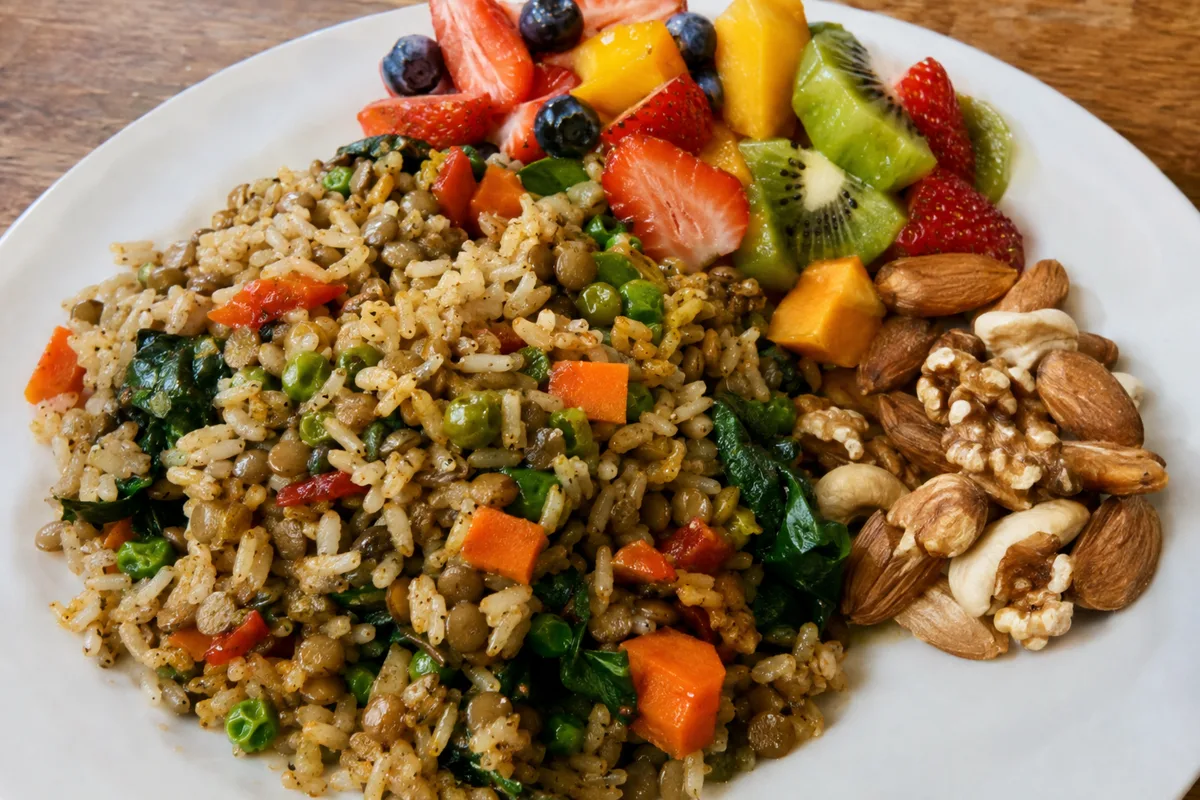
- Dinner: brown rice with lentils and mixed vegetables.
- Snack: fruit with a small portion of nuts.