
Do Bananas Cause Weight Gain?
A banana can be part of a meal, snack or recipe without automatically leading to weight gain. This guide explains what matters more, how ripeness and serving size affect tracking, and how common pairings change the total.
The short answer
Bananas do not cause weight gain by themselves. Body weight can rise over time when your overall food intake regularly provides more energy than you use. One food cannot explain that pattern without considering everything else you eat and drink.
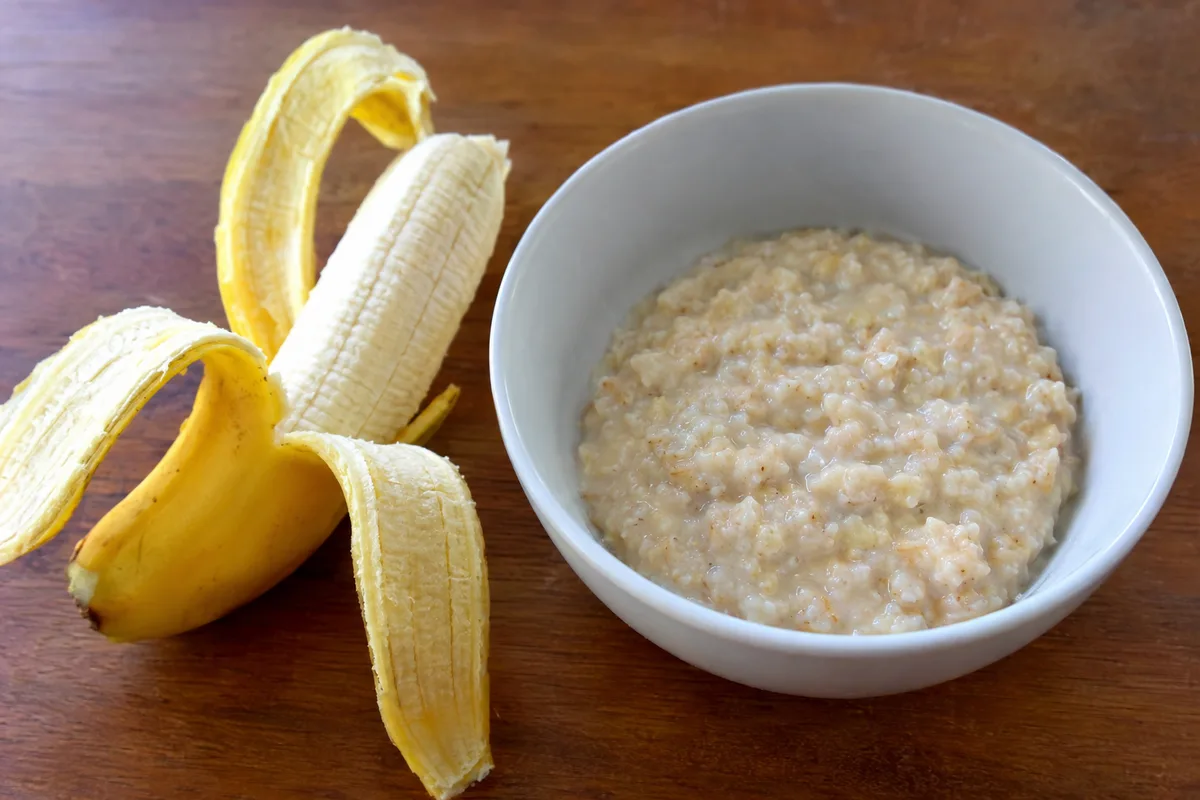
A banana provides carbohydrate, fibre, water and several vitamins and minerals. It also contributes energy, so it belongs in your food log like any other item. Whether it fits your target depends on the serving, the rest of your day and your individual needs.
- Count the banana as part of your total intake.
- Look at your overall eating pattern rather than blaming one food.
- Judge progress over time instead of reacting to one meal or snack.
What changes from one banana to another
Bananas vary in size, so a small banana and a large one will not contribute the same amount of energy or carbohydrate. Food databases may list several sizes or give a value by weight. Choose the entry that most closely matches the edible portion you ate.
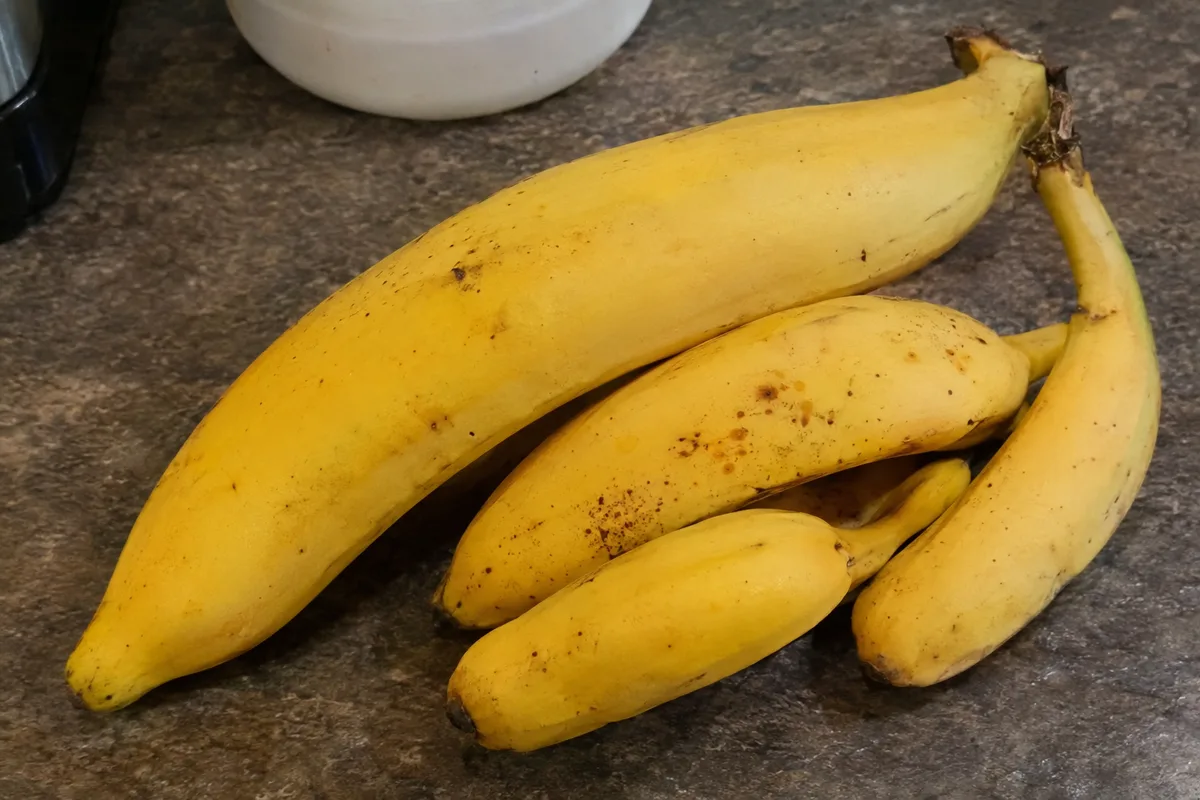
Ripeness changes the form of some of the carbohydrate. As a banana ripens, more of its starch turns into sugars, which makes it taste sweeter and feel softer. This does not mean a ripe banana suddenly becomes a weight-gain food, although ripeness may affect taste, texture and how satisfying you find it.
- Small, medium and large bananas need different log entries.
- Only the edible fruit counts, not the peel.
- Frozen banana should be logged by the amount used.
- Mashed banana in a recipe still contributes to the recipe total.
How to log bananas more accurately
Use the most specific entry available in your tracking app or food diary. If you know the edible weight, a weight-based entry is usually more precise than selecting a vague option such as one banana. If you do not know the weight, choose the closest size description and stay consistent.
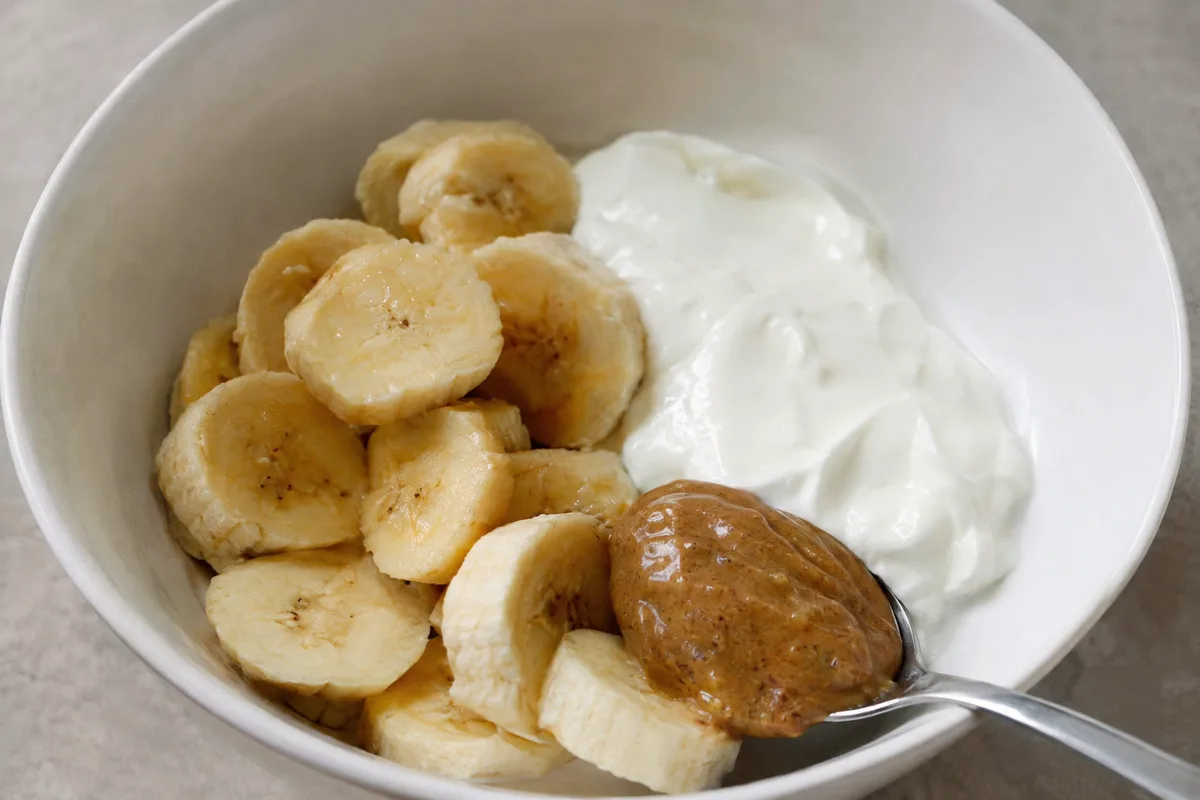
For smoothies, baking and fruit bowls, record the banana as one ingredient rather than treating the whole dish as a plain banana serving. Include any milk, yoghurt, oats, nut butter, oil, syrup or other additions separately. The final total depends on the ingredients and the amount of each one.
- Select a verified or clearly described database entry where possible.
- Match the entry to the edible amount you used.
- Log each extra ingredient in drinks and recipes.
- Save frequently repeated recipes to keep future entries consistent.
The extras can make a bigger difference
A plain banana and a banana served with several additions are different snacks. Spreads, sweet toppings and larger portions of energy-dense foods can raise the total, even when the banana remains the most visible ingredient. That does not make the combination bad, but it should be logged as the full meal or snack.
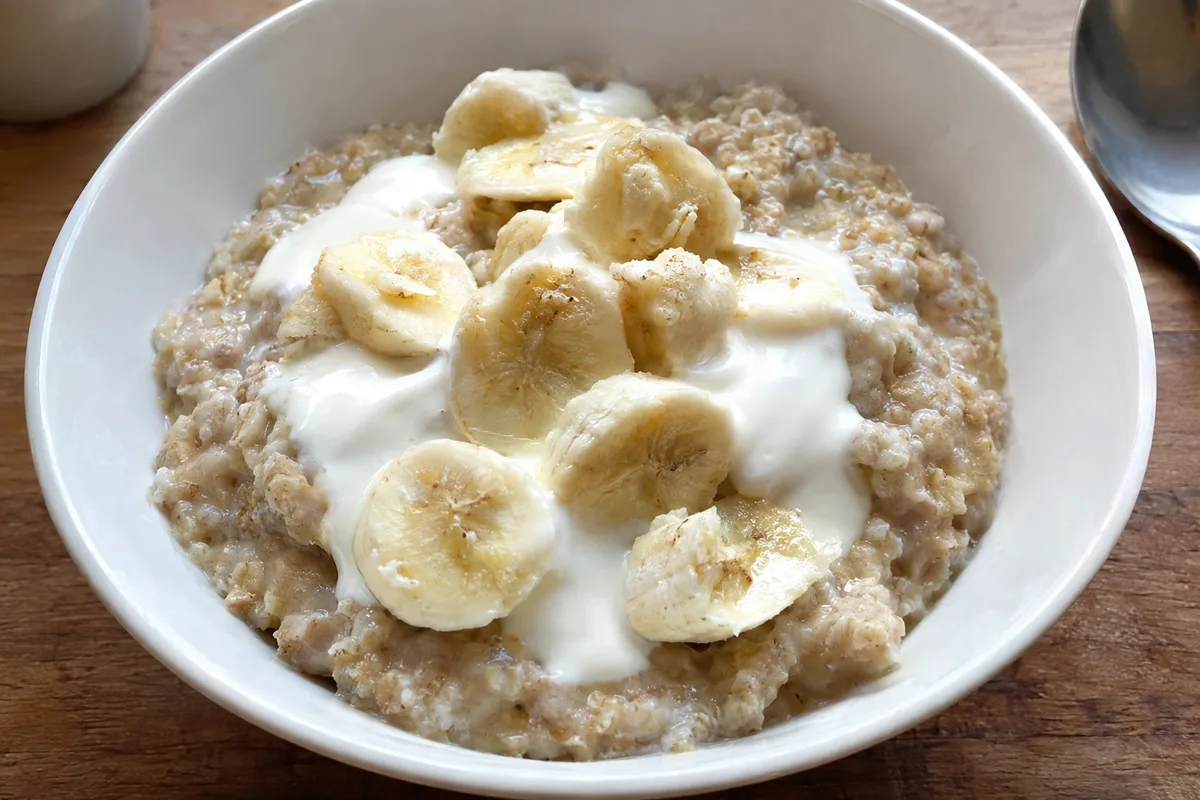
Pairing a banana with another food may make the snack more filling or suitable for your plans. The right combination depends on your appetite, activity and remaining intake for the day. Use your log to see the whole total rather than removing the banana automatically.
- Banana with plain yoghurt
- Banana stirred into porridge
- Banana with a measured portion of nut butter
- Banana blended with milk
- Banana added to toast with other toppings
When bananas may suit your routine
Bananas are portable, require little preparation and can add sweetness to meals without needing a separate sweetener. They can work before or after activity, with breakfast, or as part of a snack. Timing does not turn them into a food that automatically causes fat gain.
If you often feel hungry soon after eating a banana alone, try including it in a more complete meal or pairing it with a source of protein or fat. If your planned meal already contains plenty of food, a smaller banana or part of one may suit you better. These are practical portion choices, not rules about when bananas are allowed.
- Slice banana into yoghurt or porridge.
- Use part of a banana when a recipe needs only a little sweetness.
- Choose a whole banana when portability matters.
- Adjust the serving to match your appetite and daily target.
Keep the focus on the overall pattern
If your weight is changing in a way you did not intend, review several days or weeks of entries rather than looking for one item to blame. Check serving sizes, drinks, cooking fats, toppings and foods that may have been missed. Small logging differences across many foods can matter more than whether you ate a banana.
You do not need to avoid bananas solely because you are managing your weight. Log the amount you eat, include any additions and consider how the snack fits into your day. Your suitable portion depends on your own energy needs, preferences and goals.
- Review complete days, not isolated foods.
- Keep portion descriptions consistent.
- Include drinks, sauces, spreads and cooking ingredients.
- Adjust the wider pattern before labelling one fruit as the cause.