
Do zero-calorie snacks really exist, and can they help with weight loss?
A zero on the label does not always mean a food contains literally no energy. This guide explains how to track these snacks and judge whether they are satisfying, nourishing and useful for your goals.
What counts as a zero-calorie snack?
Very few things we eat provide literally no calories. Plain water has no energy, while plain tea or coffee without milk or sugar may provide such a tiny amount that it is usually treated as negligible. However, drinks are not necessarily snacks, particularly if they do not ease hunger.
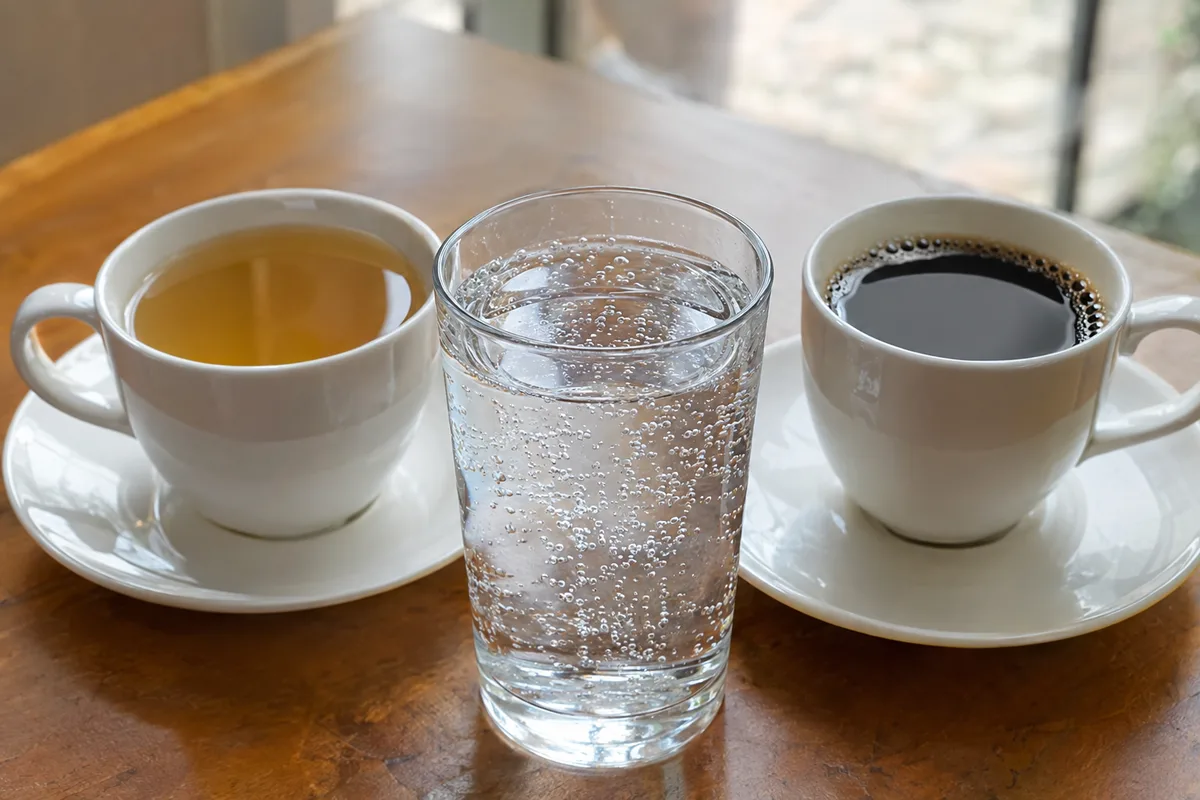
Most solid foods contain at least some carbohydrate, protein or fat, so they provide energy. Foods commonly described as zero calorie are usually very low in calories per stated serving rather than completely free of energy. The exact amount depends on the ingredients, portion and way the food was prepared.
- Plain water
- Plain sparkling water without sugar or juice
- Tea without milk, sugar or syrup
- Coffee without milk, sugar or syrup
Why a label may show zero
Food labels use defined serving sizes and follow rounding rules that vary by location. A small amount of energy may therefore appear as zero on the pack, even though several servings would contribute calories. This matters when you are already tracking what you eat.
Look at the serving size before recording the item. If the pack calls one small piece a serving but you eat several, record the number you actually had. Where available, the information per 100 grams or 100 millilitres can give you a clearer basis for comparison.
- Check what the label calls one serving
- Compare that serving with the amount you ate
- Use the per-100-gram or per-100-millilitre figure when provided
- Count additions such as milk, sugar, dips and dressings
- Avoid assuming that zero means any quantity has no calories
Very low-calorie foods can still be useful
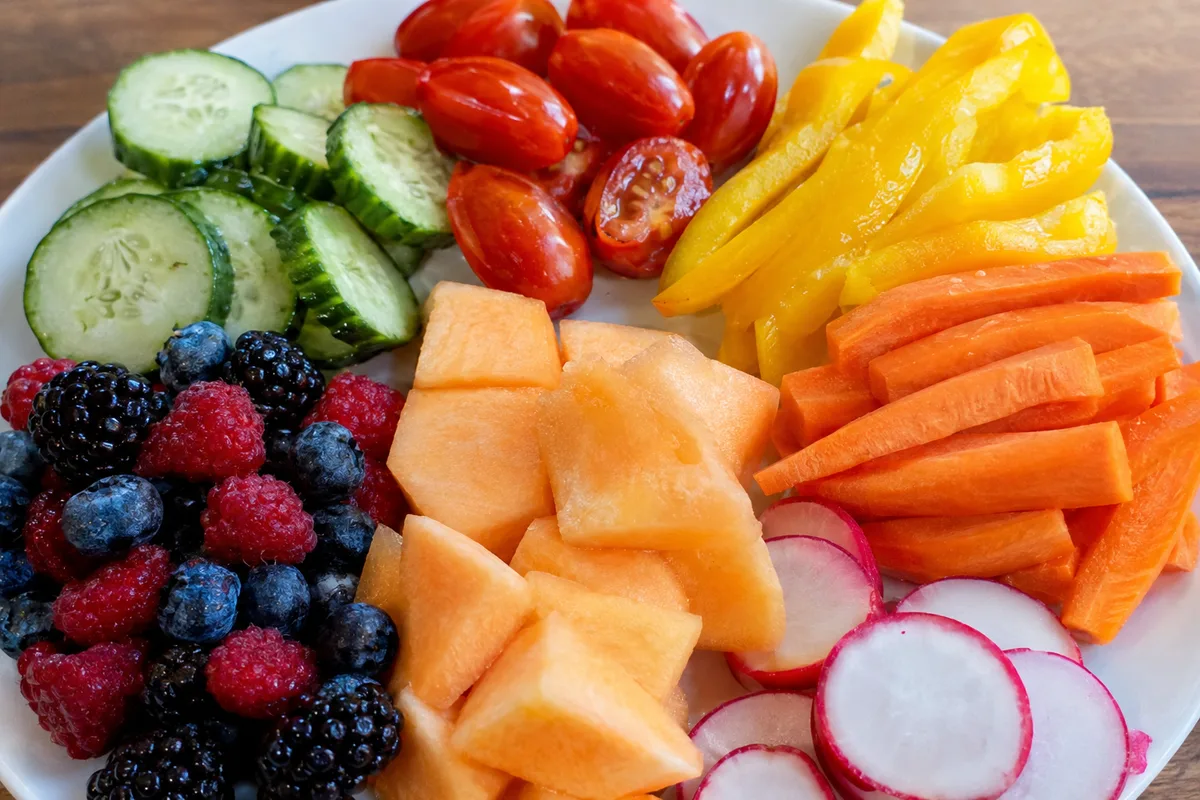
A snack does not have to be labelled zero calorie to fit a weight-loss plan. Vegetables and some fruits contain plenty of water and fibre, so they can offer a generous-looking portion for relatively little energy. Their calorie content still belongs in your log, but precision down to the last crumb is not necessary.
Crunchy vegetables can work well when you want the physical experience of eating. Fruit may suit a preference for sweetness while also providing fibre and a range of nutrients. Preparation matters because oil, creamy dips, sugar and coatings can change the snack considerably.
- Cucumber, tomato or pepper pieces
- Carrot or celery sticks
- Radishes or sugar snap peas
- Berries or pieces of melon
- Air-popped corn without heavy coatings
Low in calories does not always mean satisfying
Hunger is not determined by calories alone. Volume, fibre, protein, texture and how slowly you eat can all affect whether a snack feels worthwhile. A flavoured drink or a small sweetened product may be low in calories yet leave you looking for something else soon afterwards.
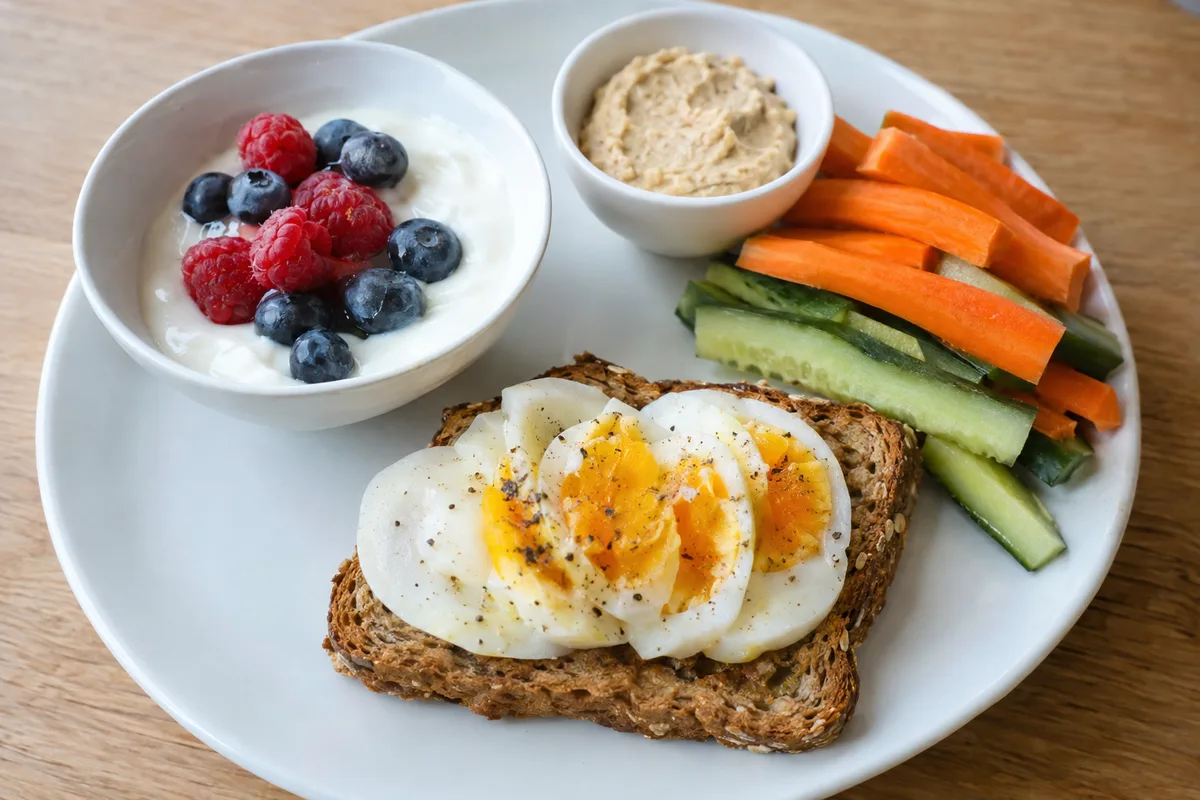
Sometimes a snack with more calories is the more practical choice because it keeps you satisfied until your next meal. Fruit with plain yoghurt, vegetables with a bean-based dip, or wholegrain toast with an egg combine different textures and nutrients. The best portion depends on your appetite, daily intake and reason for snacking.
- Add plain yoghurt to fruit
- Pair vegetable sticks with a modest spoonful of dip
- Combine fruit with a small portion of nuts or seeds
- Choose wholegrain toast with a protein-rich topping
Are zero-calorie snacks a healthy route to weight loss?
Weight loss depends on your overall pattern of energy intake and use, not on finding foods with a zero on the label. Replacing a higher-calorie snack with a lower-calorie option may reduce your daily total, but the effect depends on what you eat later. If the swap leaves you hungry and you compensate at the next meal, it may offer little practical benefit.
Health also involves variety, fibre, protein, vitamins, minerals and enjoyment. A diet built mainly around products designed to taste sweet while providing little energy can crowd out more nourishing foods. These products can be included if you enjoy them, but they do not need to become the centre of your plan.
- Consider your full day rather than one snack
- Notice whether the snack keeps you comfortable until your next meal
- Keep regular meals varied and nourishing
- Use lower-calorie choices as options, not rules
- Judge progress from your longer-term records rather than one day
How to track these snacks sensibly
Record the amount you genuinely consume, using the label as a starting point rather than treating its headline claim as exact. Include toppings, dips and drinks that accompany the snack. If an item contributes only a negligible amount, consistency in how you log it matters more than chasing perfect accuracy.
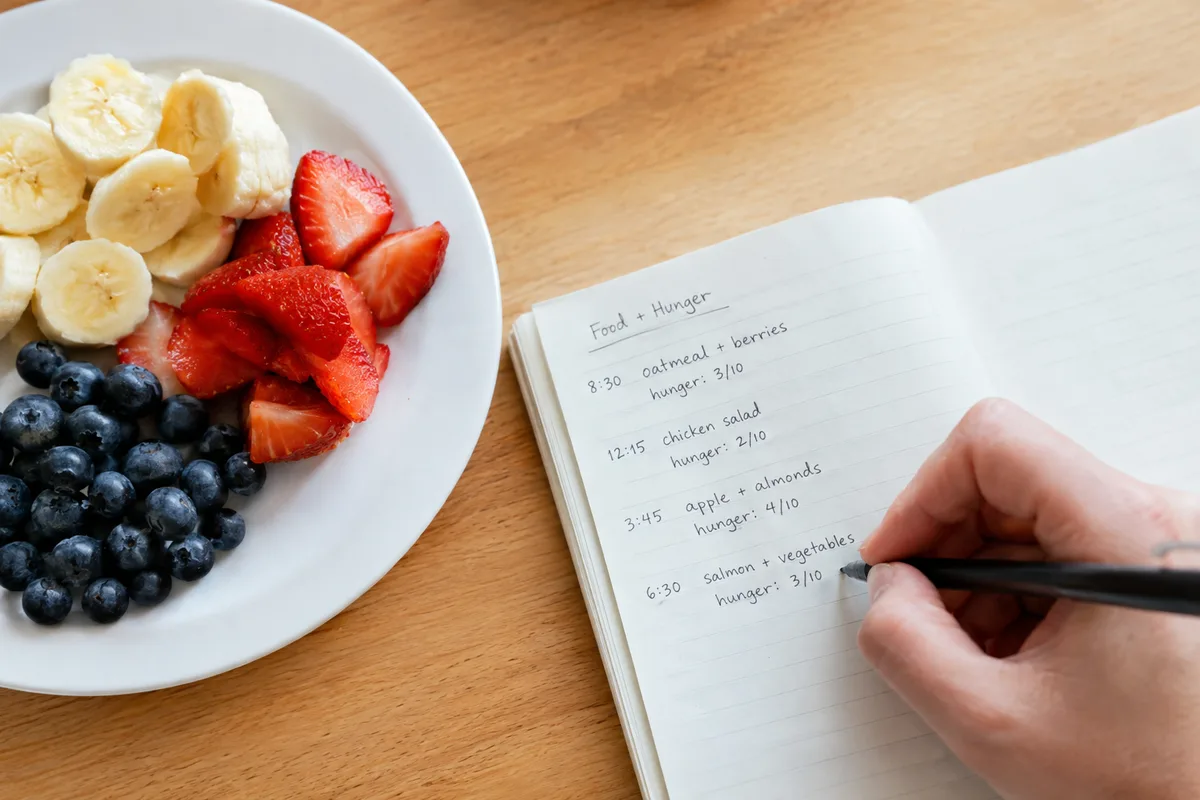
Your food record can also capture information that calories miss. Note whether you were physically hungry, whether the snack was satisfying and whether you kept returning for more. Over time, this can show which choices make your calorie target easier to follow without leaving meals or snacks feeling sparse.
- Log the serving you ate, not the serving shown in an image
- Record extras separately when they make a meaningful contribution
- Use the same tracking method each time
- Add a brief note about hunger and satisfaction
- Review patterns across several days rather than reacting to one entry