
Does protein powder expire, and how can you tell?
Protein powder can lose quality over time and may spoil if moisture or contamination gets into it. This guide explains date labels, warning signs, storage and how to track older powder.
Protein powder can go past its best
Protein powder is dry, so it generally lasts longer than foods containing plenty of moisture. However, it does not remain unchanged forever. Its flavour, smell, texture and added nutrients may deteriorate over time.
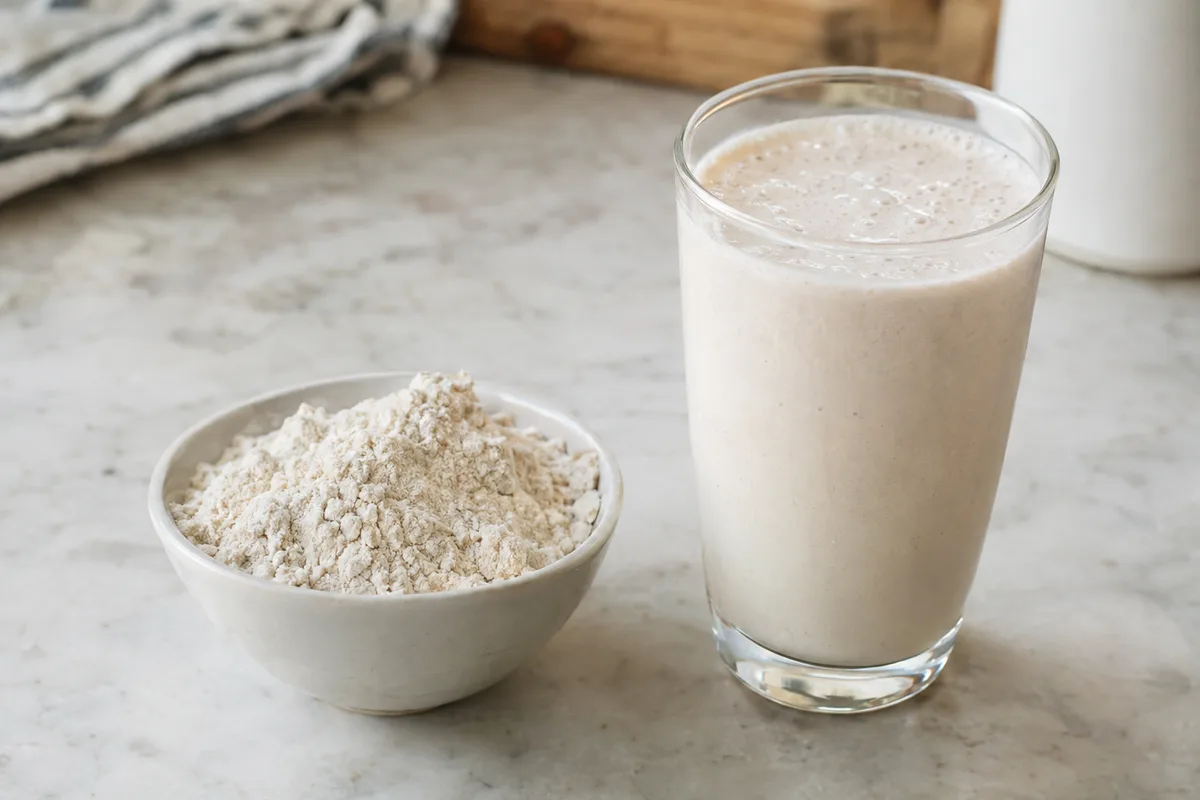
The type of protein, added ingredients and packaging all affect how well a powder keeps. A simple powder may age differently from one containing flavourings, fats, vitamins or pieces of food. The exact shelf life therefore depends on the product and how it has been stored.
- Flavour can become stale or unpleasant.
- Fats in the ingredients can develop a rancid smell.
- The powder can form hard clumps after absorbing moisture.
- Added vitamins may lose some potency over time.
Check what the date actually means
Most protein powders carry a best-before date rather than a promise that the product will suddenly spoil on a particular day. A best-before date mainly concerns quality when the unopened product has been stored as directed. Check the wording on the pack rather than relying on the date alone.
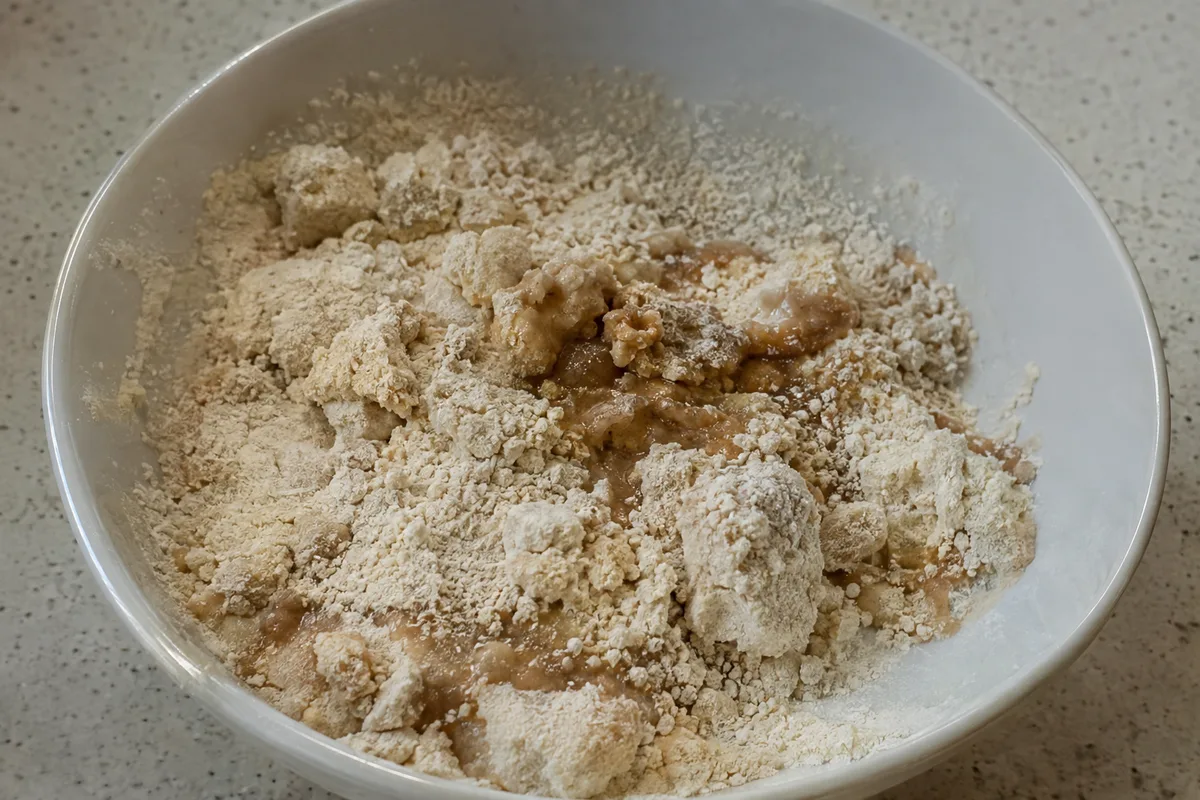
An unopened tub or pouch with an intact seal has had less exposure to air, moisture and contamination. Once opened, the way it is handled becomes more important. Follow any storage or use-after-opening instructions printed by the manufacturer.
- Confirm whether the label says best before or use by.
- Check whether the seal and packaging are intact.
- Look for specific instructions about storage after opening.
- If the pack has a use-by date, do not use it after that date.
Look for signs that the powder should be discarded
Examine the powder before adding it to food or a drink, particularly if it is old or has been stored somewhere damp. A slight change in texture is not always proof of spoilage, but several changes together are a stronger warning. Compare its appearance and smell with what you normally expect from that product.
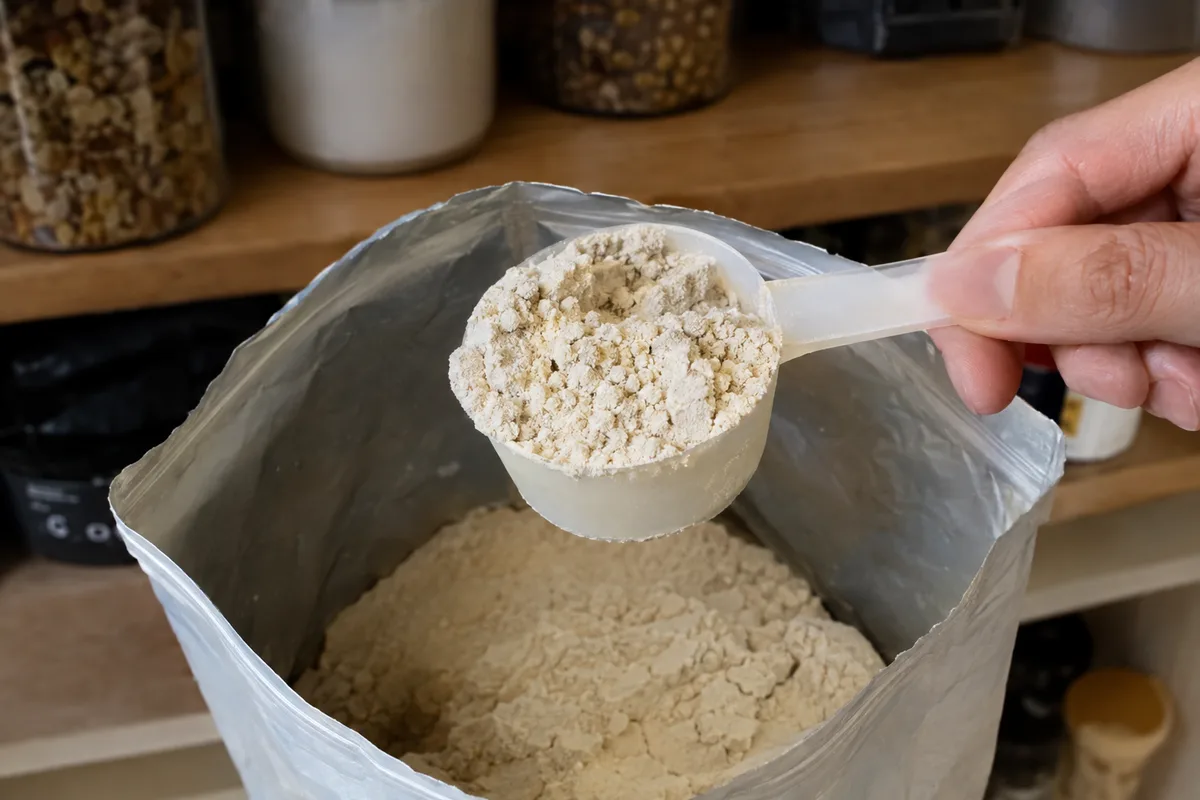
Discard the powder if you see mould, insects, unusual discolouration or evidence that liquid has entered the pack. A sour, musty or rancid smell is also a reason not to use it. Do not taste powder that already looks or smells wrong just to test it.
- Visible mould or unusual coloured patches
- A sour, musty or rancid odour
- Wet areas or hard clumps caused by moisture
- Insects, webbing or damaged packaging
- A clearly unusual taste in powder that otherwise appeared normal
Storage makes a major difference
Keep protein powder tightly closed in a cool, dry place away from direct sunlight and cooking steam. Heat, air and moisture can speed up changes in flavour and texture. A kitchen cupboard away from the hob and sink is often more suitable than a damp or hot area.
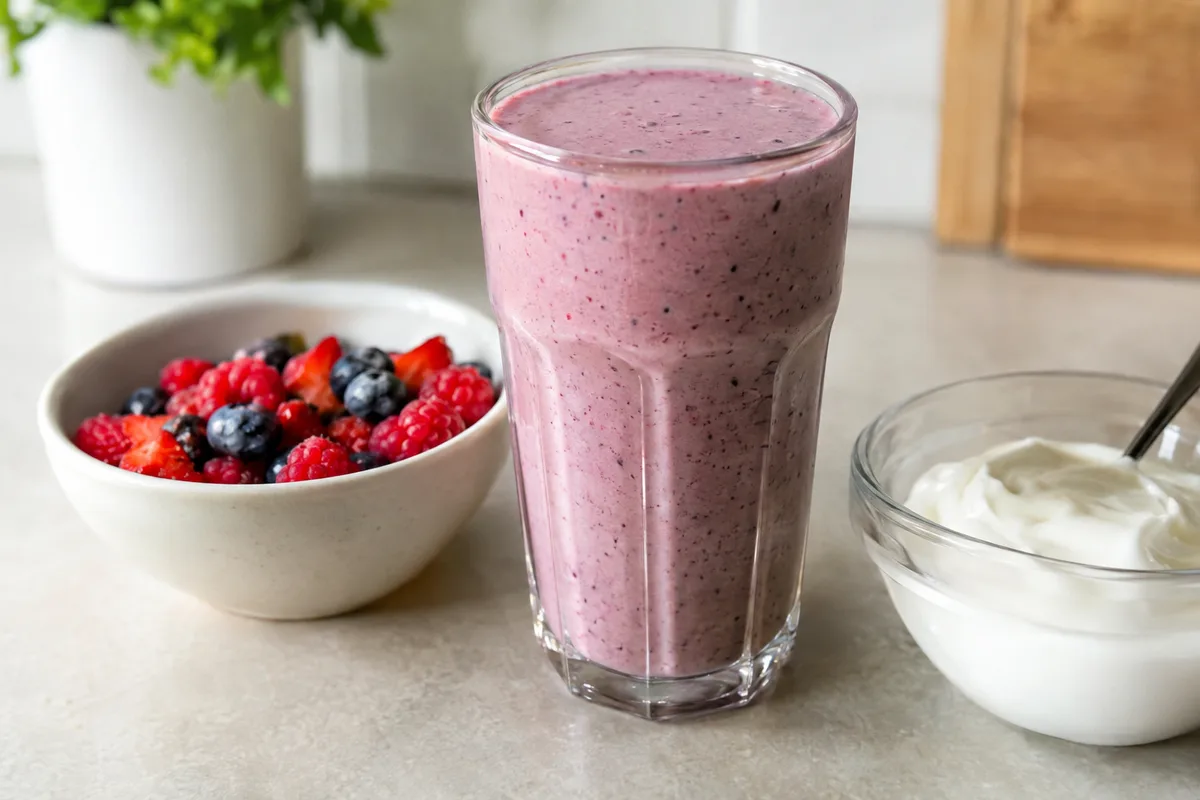
Use a clean, completely dry scoop each time. Do not return unused powder to the container after it has touched liquid or other food. Closing the lid promptly also limits exposure to humidity and airborne debris.
- Keep the original container firmly closed.
- Store it away from heat, sunlight and steam.
- Use only clean, dry utensils.
- Avoid touching the powder with wet hands.
- Write the opening date on the container if that helps you remember.
A prepared shake has a much shorter life
Dry powder and a mixed shake should not be treated in the same way. Once protein powder is combined with water, milk, yoghurt, fruit or another ingredient, the drink becomes more perishable. Its safe storage time depends on everything in the mixture and how long it has been left warm.
Prepare only what you expect to use and refrigerate a mixed drink promptly if you are saving it. Follow the storage guidance for the most perishable ingredient in the recipe. Discard a shake that has been left out for an uncertain length of time or has developed an unusual smell, texture or appearance.
- Mix with clean utensils and a clean container.
- Refrigerate promptly when keeping a prepared shake.
- Consider every added ingredient, not only the powder.
- Do not use smell alone to judge a drink left warm for an uncertain time.
How older powder affects food tracking
Passing a best-before date does not automatically change the calories or protein shown on the label. However, age, moisture and deterioration can make the product less reliable in quality. If you decide the powder is still suitable, log the amount and nutrition information in the same way you normally would.
Use the serving weight and nutrition panel from that specific product rather than a generic protein powder entry. Scoops can be filled differently, so weighing the powder may give a more consistent log if you already use that method. If the powder shows signs of spoilage, discard it rather than counting it as part of your intake.
- Choose the matching product entry in your food log.
- Use the label values for the amount consumed.
- Keep your measuring method consistent.
- Do not assume every protein powder has the same nutrition.