
Animal-Based Protein Powders: Types, Benefits and How to Choose
Animal-based protein powders come from dairy, eggs, meat or collagen-rich tissues, and they do not all offer the same nutrition. This guide explains the main types, their practical benefits and what to consider when adding one to your usual diet.
What counts as an animal-based protein powder
Animal-based protein powder is a concentrated source of protein made from an animal-derived ingredient. The source may be milk, egg, meat, fish or collagen-rich tissue. Processing removes much of the water and may also reduce some of the fat and carbohydrate found in the original food.
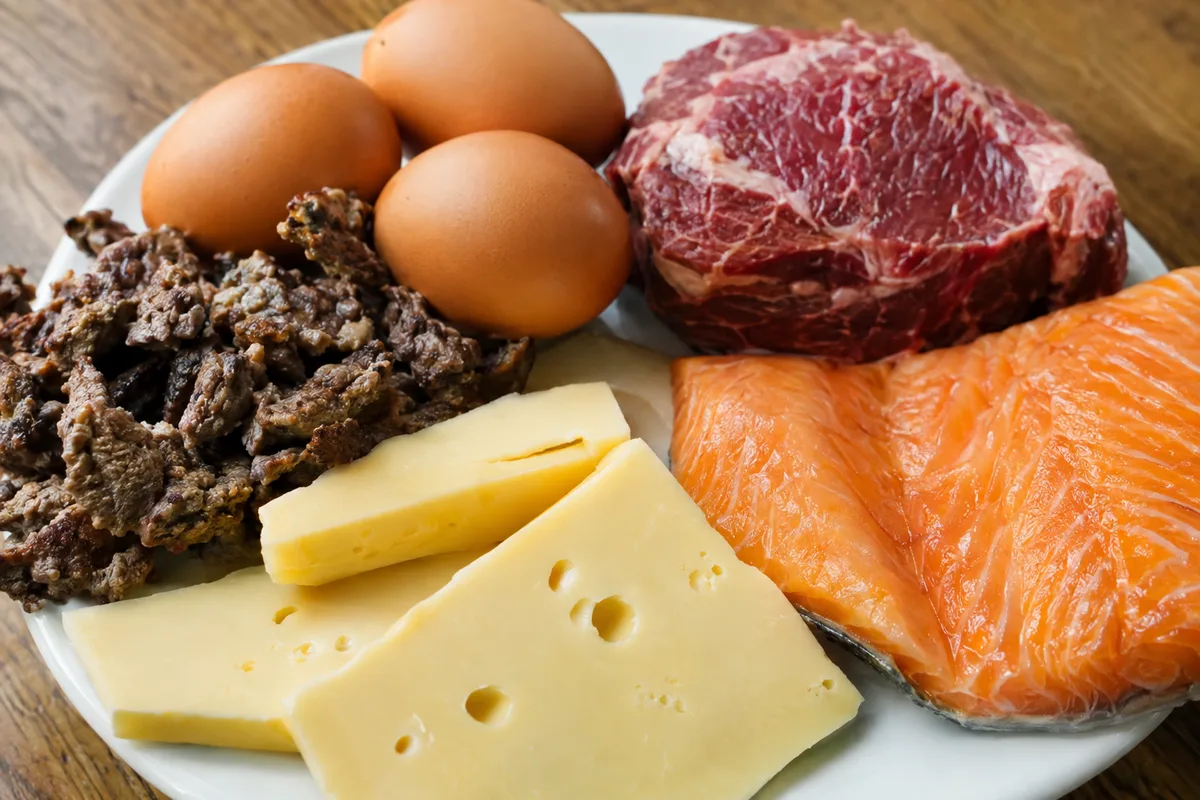
Most of these powders provide several essential amino acids, which are the building blocks used to maintain and repair body tissues. However, the amino acid balance varies between types. This matters because a dairy or egg protein does not have the same nutritional role as a collagen powder.
- Whey protein from milk
- Casein protein from milk
- Egg white protein
- Protein made from beef or other meat sources
- Collagen peptides from animal or fish tissues
Whey and casein protein
Whey and casein both come from milk, but they behave differently when mixed and digested. Whey usually blends into a lighter drink and is digested relatively quickly. Casein often forms a thicker mixture and is digested more gradually.
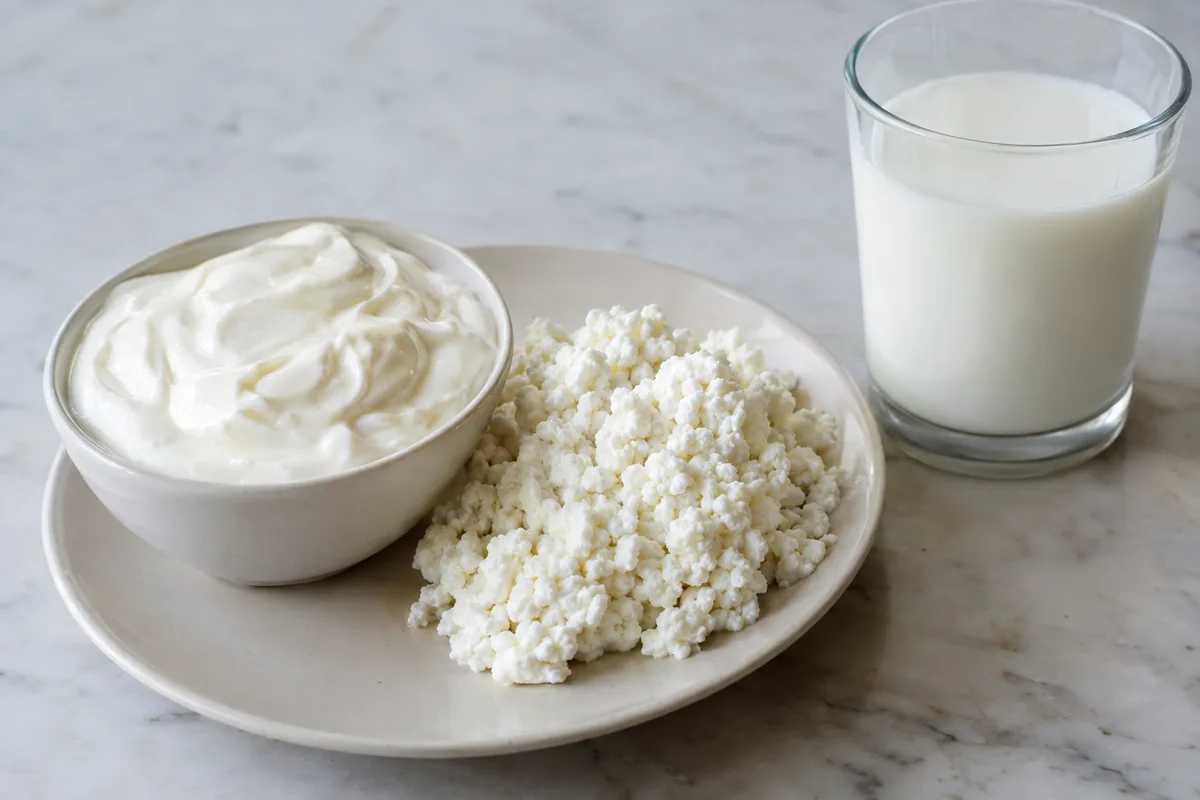
Both contain all essential amino acids and can help increase the protein content of a meal or snack. Whey is commonly used around exercise because it is convenient and rich in amino acids involved in muscle protein building. Casein can suit foods where a thicker texture is useful, such as yoghurt, porridge or a pudding-style bowl.
- Whey concentrate usually retains more of the original milk components
- Whey isolate is more heavily filtered and is often higher in protein by weight
- Hydrolysed whey has been partly broken down during processing
- Micellar casein makes a thicker, slower-digesting mixture
Egg, meat and collagen powders
Egg white protein provides all essential amino acids and contains little fat because the yolk is not included. Its texture can be slightly foamy, particularly when shaken or blended. It offers a non-dairy option for someone who already eats eggs comfortably.

Meat-derived protein powders vary according to their source and processing, so their amino acid profiles are worth checking. Collagen powders are different because they are rich in particular amino acids but do not provide a balanced supply of all essential amino acids. Collagen can add protein to a food log, but it should not automatically be treated as nutritionally equivalent to whey, casein, egg or a varied protein-rich meal.
- Egg white protein for a complete, non-dairy protein source
- Beef-derived protein where the label shows a complete amino acid profile
- Bovine collagen made from cattle tissues
- Marine collagen made from fish tissues
The practical benefits
The main benefit of protein powder is convenience rather than a special effect that ordinary food cannot provide. It can make it easier to add protein when preparing meat, fish, eggs or dairy is impractical. A measured portion also gives someone who tracks food a consistent entry to record.
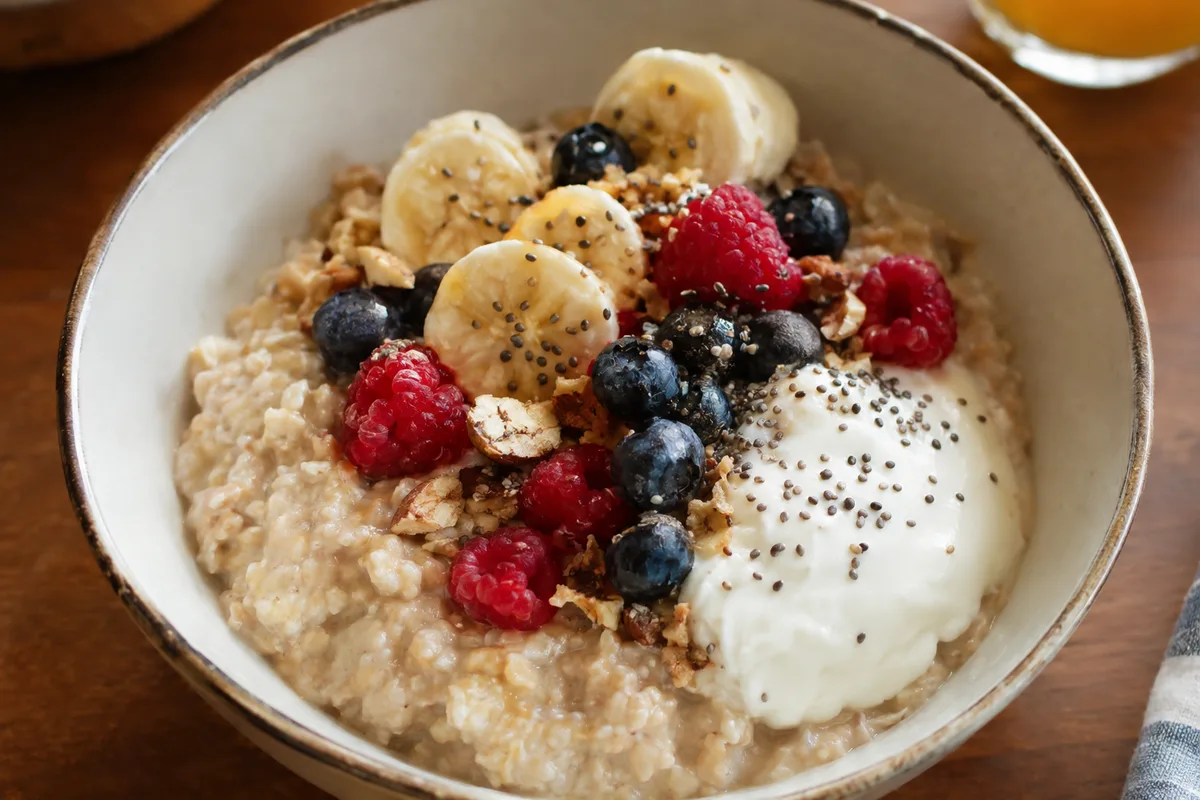
Protein supports the maintenance and repair of muscles and other tissues, and it can help make a meal feel more substantial. The amount that suits you depends on your body, activity, goals and the rest of your diet. More powder is not automatically more useful, especially if your meals already provide enough protein.
- Add protein to a breakfast that is otherwise mostly carbohydrate
- Make a portable drink when a full meal is inconvenient
- Increase protein without greatly increasing meal volume
- Create a repeatable serving that is straightforward to log
- Support recovery alongside suitable food, rest and training
How to compare different powders
Start with the protein source because that tells you more than the flavour name on the front. Check the ingredient list, protein per serving and serving size rather than assuming every scoop is identical. If you track energy and macronutrients, use the values for the portion you actually prepare.
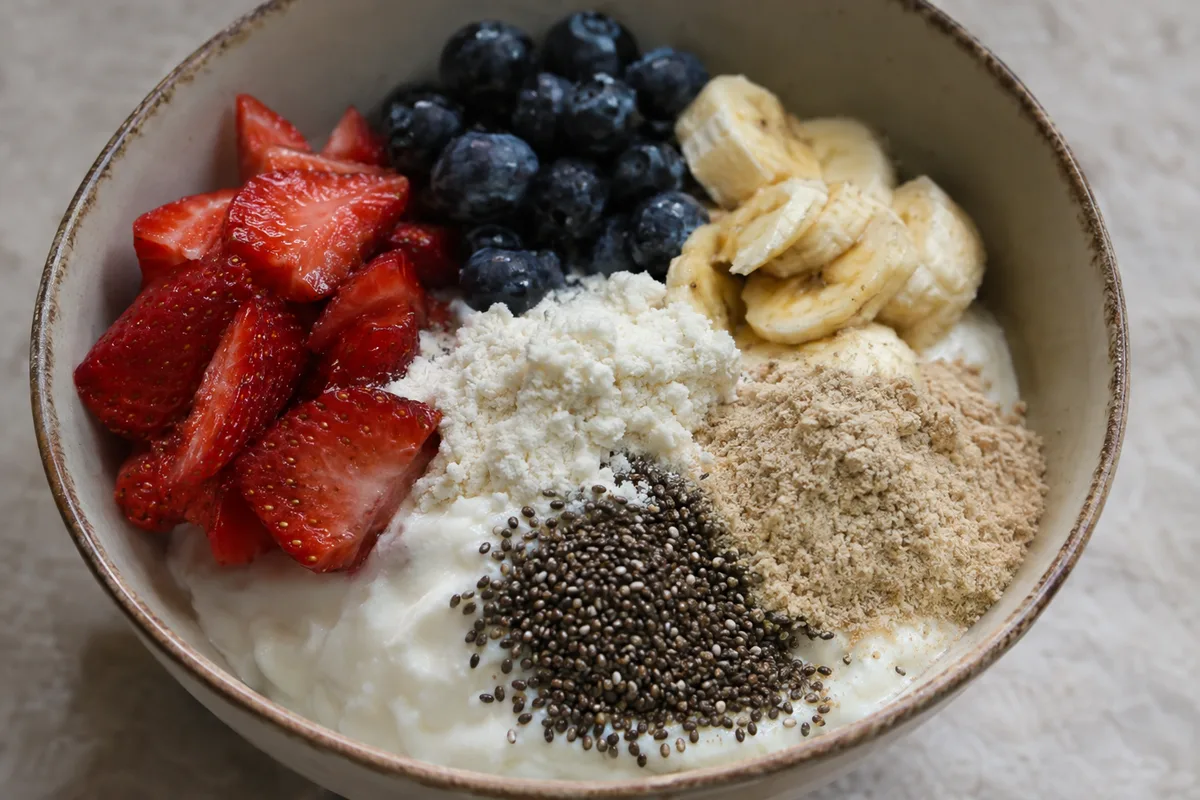
Flavourings, sweeteners, thickeners and added fats or carbohydrates can change the taste, texture and nutrition. A short ingredient list is not automatically better, but every ingredient should have a clear purpose for you. Also consider whether the powder mixes well with the foods you normally eat, since an unsuitable texture is unlikely to become a regular habit.
- Confirm whether the protein is complete or mainly collagen
- Compare protein using the same weight of powder
- Record milk, yoghurt, fruit or other additions separately
- Check whether one serving matches the amount you use
- Notice ingredients that you prefer to limit or avoid
Fitting powder into a tracked diet
Treat protein powder as one food within the whole day, not as a replacement for variety. Whole protein foods can also provide fats, vitamins, minerals and different textures that a refined powder may lack. A useful approach is to identify a meal that regularly falls short of your intended protein intake and adjust that meal.
Log the powder by weight or by the stated serving, then include everything mixed with it. Review your weekly pattern to see whether it solves a genuine gap or merely adds protein on top of an already adequate intake. The best type is the one that fits your food preferences, digestion, activity and tracking routine.
- Stir whey into yoghurt with fruit
- Mix casein into porridge for a thicker texture
- Blend egg white protein into a fruit-based drink
- Add an unflavoured powder to a suitable savoury dish
- Use collagen as an addition rather than the only regular protein source