
Are Corona, Bud Light and Michelob Ultra gluten free?
Corona, Bud Light and Michelob Ultra may be light in taste or calories, but that does not make them gluten free. Here is what their ingredients mean and how to record a suitable alternative in your food diary.
The short answer
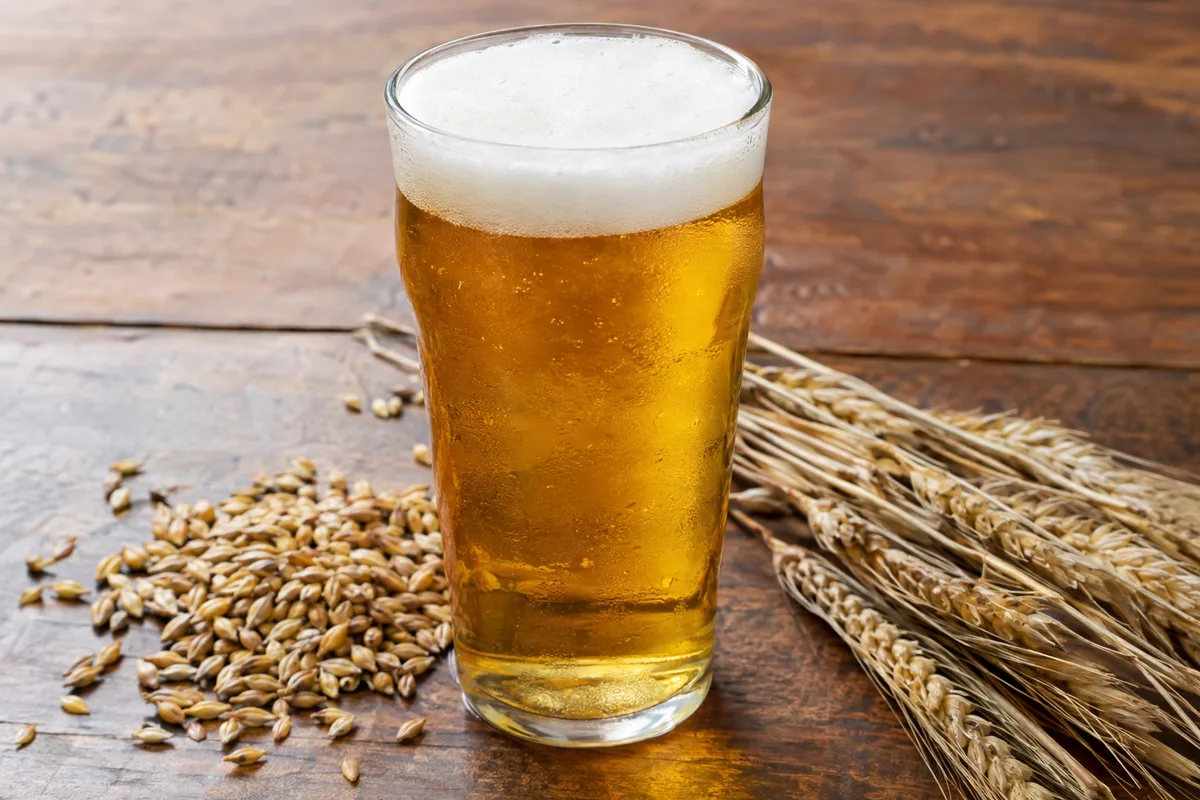
Standard Corona, Bud Light and Michelob Ultra beers should not be treated as gluten free. Their recipes include barley malt, which is a source of gluten. A light colour, crisp taste or lower carbohydrate content does not change that.
Recipes and labelling can differ between countries and product varieties. Check the exact can, bottle or manufacturer information for the drink in front of you rather than relying on the brand name alone. If the packaging does not clearly say gluten free, do not assume that it is.
- Corona is normally brewed with barley malt and is not labelled as gluten free.
- Bud Light is brewed with barley malt and is not a gluten-free beer.
- Michelob Ultra contains barley malt and is not labelled as gluten free.
- A flavoured or alcohol-free version may have a different recipe, so it needs its own label check.
Why these beers contain gluten
Most conventional beer begins with malted grain, often barley. During brewing, the grain provides sugars that yeast can ferment into alcohol. The finished drink can still contain gluten from the grain even though it looks clear.
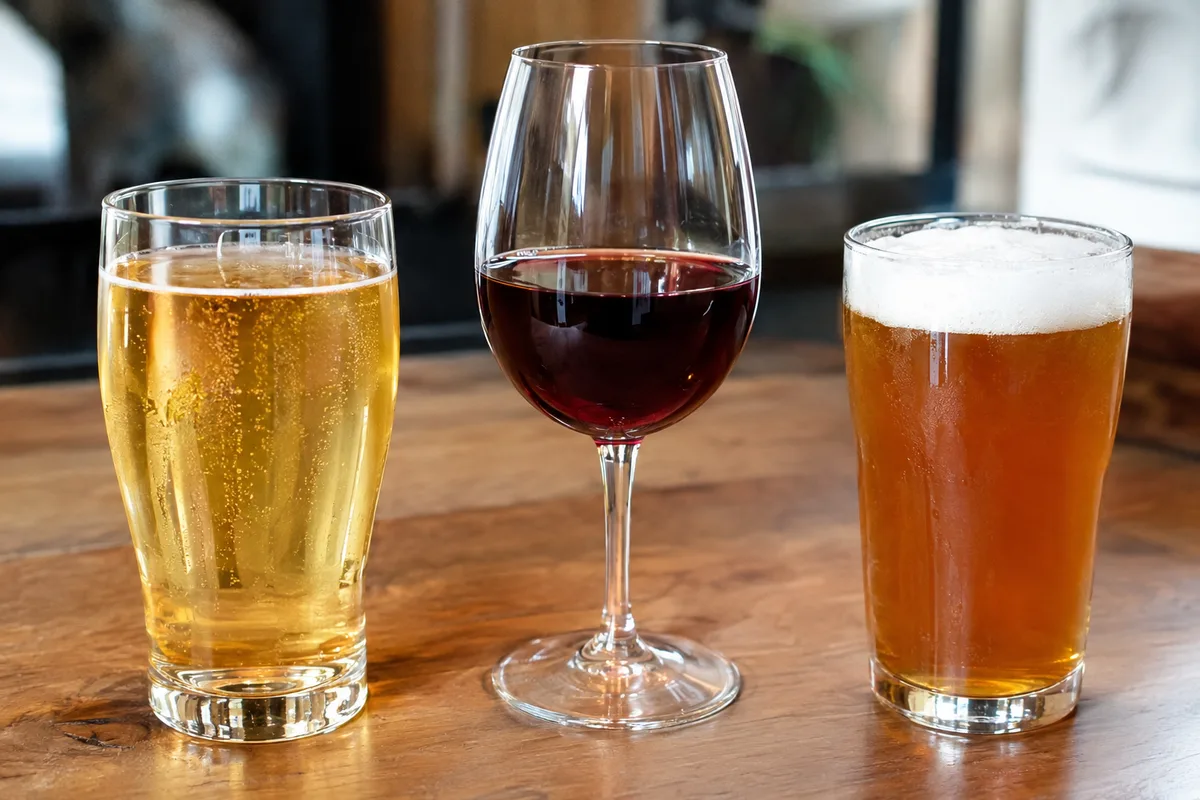
Filtering and fermentation can change the amount present, but they do not automatically make a barley-based beer gluten free. Informal tests or claims that a beer feels easier to drink are not reliable substitutes for clear labelling. The relevant point is the grain used and how the finished drink is classified.
- Barley contains gluten.
- Malted barley is still a gluten-containing ingredient.
- Filtering does not guarantee that gluten has been removed.
- A clear drink is not necessarily a gluten-free drink.
Light beer does not mean gluten free
The word light usually refers to features such as energy, carbohydrate content, flavour or alcohol level. It does not describe whether the beer contains gluten. Bud Light and Michelob Ultra are light-style beers, but both are made with barley malt.
Corona also has a pale colour and a light, crisp character, yet appearance tells you nothing dependable about gluten. The same applies to low-alcohol and alcohol-free beers. Unless a product is specifically labelled gluten free, its style is not enough to judge it.
- Light is not the same as gluten free.
- Low carbohydrate is not the same as gluten free.
- Alcohol free is not automatically gluten free.
- Pale colour does not show which grains were used.
What to look for on the label
Start with an explicit gluten-free statement on the exact product. Then read the ingredients and allergen information, paying particular attention to barley, wheat, rye and malt. Wording and label formats vary by country, so use the information printed for your market.
Some drinks are described as gluten removed or gluten reduced rather than gluten free. These terms are not interchangeable, and the suitability of such drinks depends on how strictly you avoid gluten. When the wording is unclear, choose an option with a direct gluten-free statement.
- Look for the words gluten free.
- Check whether barley, wheat, rye or malt is listed.
- Distinguish gluten free from gluten removed or gluten reduced.
- Recheck seasonal, flavoured and alcohol-free varieties separately.
Gluten-free alternatives to conventional beer
Some beers are made from grains or plants that do not naturally contain gluten, such as sorghum, millet, rice, buckwheat or maize. They still need clear gluten-free labelling because production methods and shared equipment can affect the finished drink. Do not judge suitability from the main grain alone.
Wine and distilled spirits do not use the same standard beer recipe, but mixed drinks can include flavourings or other added ingredients. Cider may also be an option when it carries suitable labelling. Always check the complete product rather than assuming that an entire drink category is gluten free.
- Beer specifically labelled gluten free
- Gluten-free beer made with sorghum, millet, rice, buckwheat or maize
- Cider with clear gluten-free information
- Wine without added ingredients that introduce gluten
- Simple mixed drinks whose complete ingredients have been checked
How to track your choice
Record the exact drink and serving size rather than entering a generic light beer. Products can differ in energy, carbohydrate and alcohol content even when their names or styles sound similar. Use the label information for the bottle or can you actually drank.
Gluten-free beer is not automatically lower in calories or carbohydrates than conventional beer. If you switch from Corona, Bud Light or Michelob Ultra, update the food diary entry instead of keeping the old one. The right figures depend on the specific product and serving size.
- Enter the full product type.
- Record the amount served.
- Use the energy and carbohydrate values from its label.
- Create a separate entry when changing to a gluten-free alternative.