
Is Soy Gluten-Free? What to Check Before You Log It
Plain soybeans do not naturally contain gluten. However, some soy-based foods include wheat or may come into contact with gluten during production.
Soy itself is naturally gluten-free
Soybeans are legumes, and they do not naturally contain gluten. Gluten is found in grains such as wheat, barley and rye, so plain soybeans can fit into gluten-free eating.
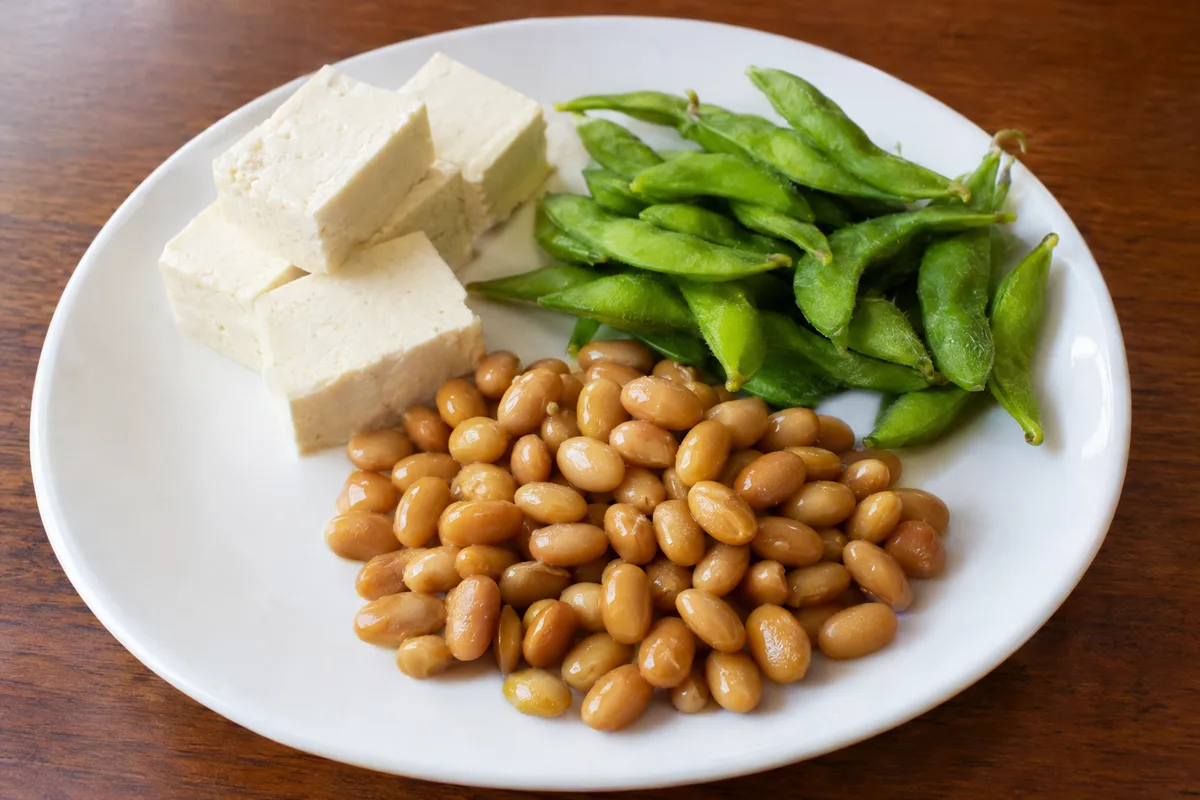
Basic soy ingredients, including plain soy flour, soy protein and soy lecithin, may also be gluten-free. Processing and added ingredients vary, so the label matters more than the word “soy” on its own.
Soy sauce is the main exception
Despite its name, standard soy sauce often contains wheat as well as soybeans. This means it should not be assumed to be gluten-free, even when only a small amount is used.
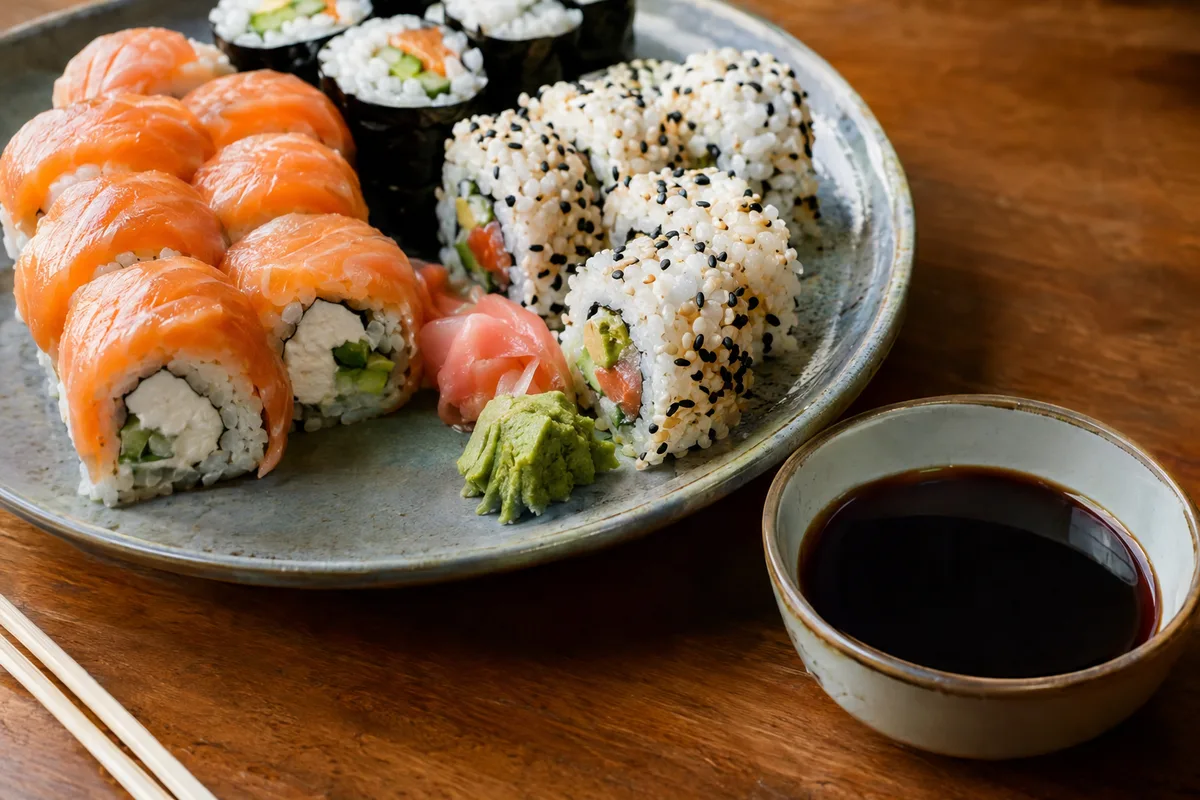
Some tamari and specially labelled soy sauces are made without gluten-containing ingredients, but recipes differ between brands. Check the ingredients and look for a clear gluten-free statement rather than relying on the product name.
Check flavoured and fermented soy foods
Plain tofu is often made from soybeans, water and a setting agent, but marinated or flavoured versions can contain soy sauce, wheat or other additions. Tempeh and miso can also vary because grains, seasonings or shared equipment may be involved.
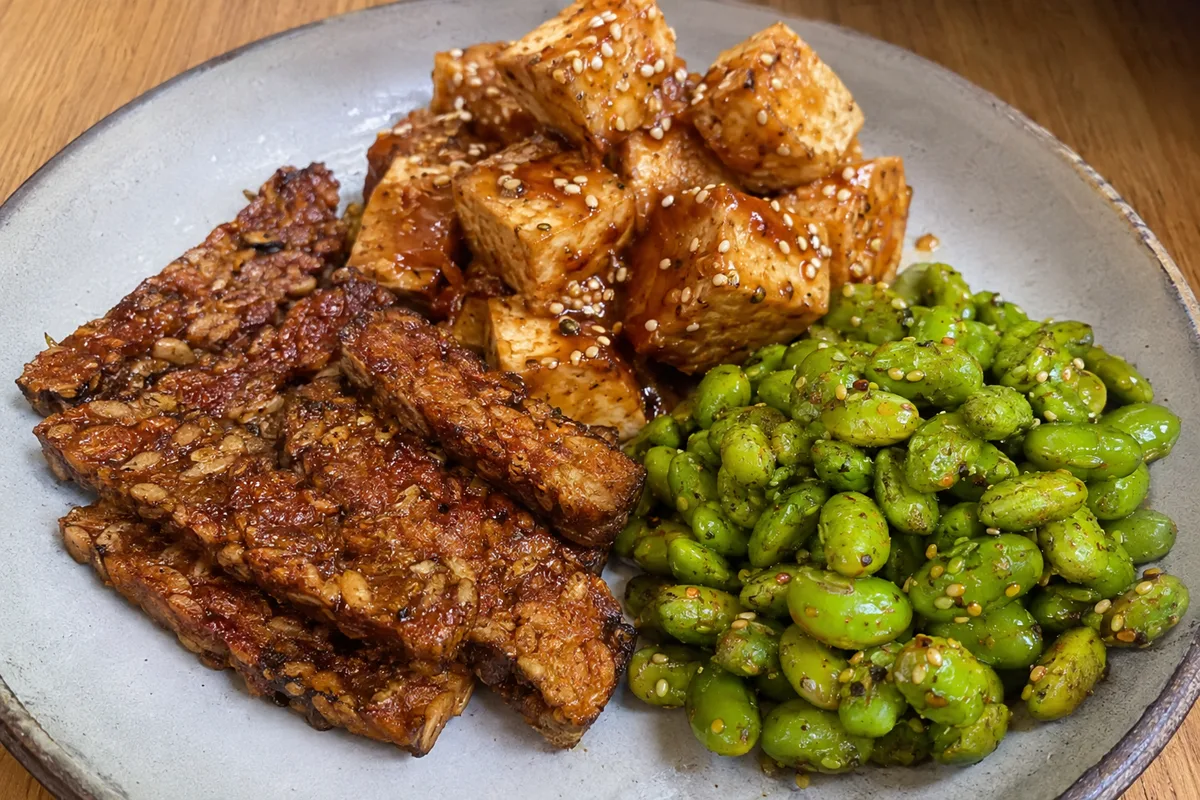
Read the full ingredient list and any cross-contact statement each time you choose a product. Recipes can change, and two similar-looking products may not use the same ingredients.
Track the exact product you eat
When logging a soy-based food, choose the entry that matches the brand and variety on the label. A plain version and a seasoned version can differ in ingredients, portion size and nutritional values.
If you make a dish at home, log the soy ingredient and any sauce, marinade or seasoning separately. This helps you see both the gluten information and the nutrition of the complete dish more clearly.