
Is squid a heart-healthy choice?
Squid provides lean protein and useful nutrients, including omega-3 fats. This guide explains what matters when you log it and how to prepare it with less saturated fat and salt.
The short answer
Squid can be part of a heart-friendly way of eating. It is a source of protein, contains relatively little saturated fat when plain, and provides some omega-3 fats. The overall meal matters more than treating squid as either automatically healthy or unhealthy.
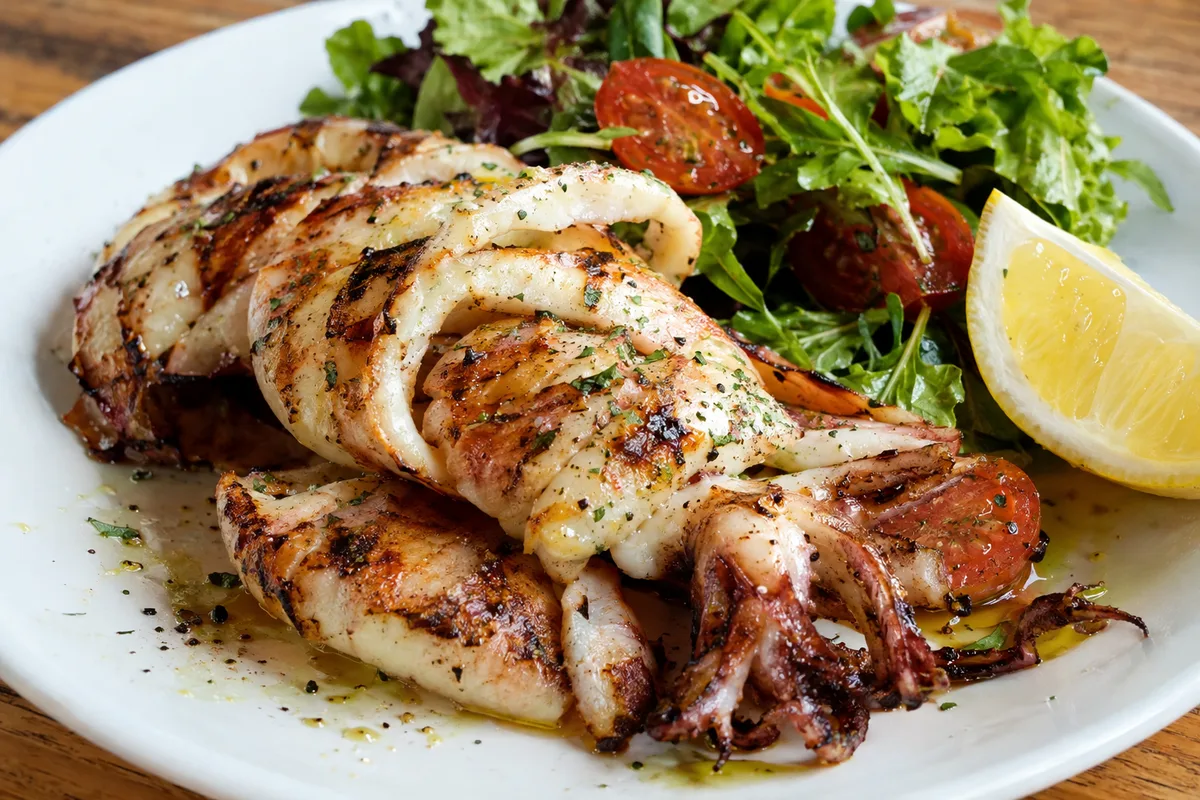
Preparation can change its nutritional profile considerably. Grilled squid with vegetables and olive oil is different from squid covered in batter, deep-fried and served with salty sauces. If you already track your food, log the coating, cooking fat, dressing and sides as well as the squid.
- Choose grilled, baked, steamed or quickly pan-cooked squid more often
- Include vegetables, beans or whole grains alongside it
- Count batter, breadcrumbs, oil and sauces separately when needed
- Look at your wider pattern of meals rather than judging one serving alone
What squid brings to the meal
Squid supplies protein, which supports the maintenance and repair of body tissues. Plain squid is generally lean, so much of its energy comes from protein rather than fat. Protein and carbohydrate provide about 4 kcal per gram, while fat provides about 9 kcal per gram.
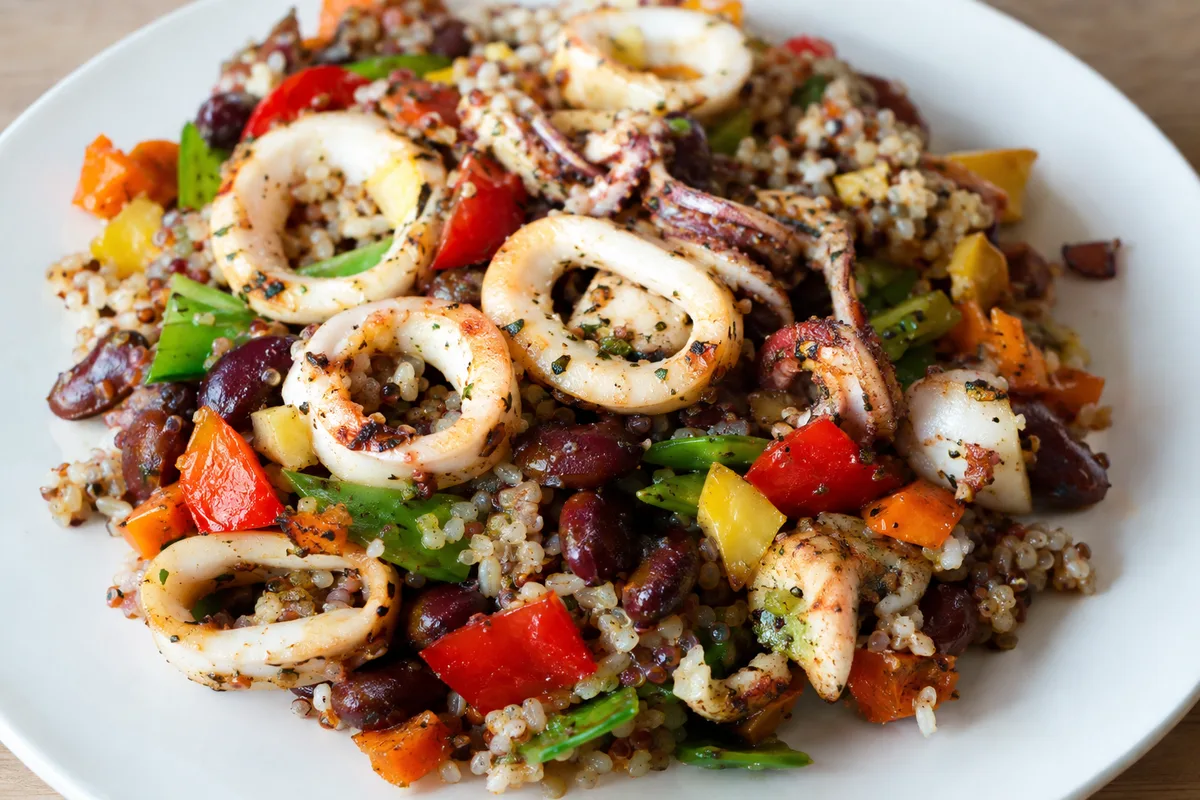
It also contains omega-3 fats, although the amount depends on the species, serving and source. These unsaturated fats can contribute to a balanced pattern of fat intake. Squid also provides several vitamins and minerals, but it does not need to carry the whole meal nutritionally.
- Protein for a filling main ingredient
- Some omega-3 unsaturated fats
- Minerals commonly found in seafood
- A base that pairs easily with fibre-rich plant foods
Cholesterol needs some context
Squid contains dietary cholesterol, which can make its heart credentials seem confusing. Dietary cholesterol is only one part of the picture, and its effect varies between individuals. The amount of saturated fat across your regular diet is also important.

A serving of plain squid may be low in saturated fat, but frying it in a rich coating can add much more. Creamy dips, butter-heavy sauces and fatty sides can shift the balance further. When tracking, check the full recipe rather than relying on an entry for plain squid.
- Log plain squid and cooking fat as separate ingredients
- Use the recipe entry for battered or breaded squid
- Check whether restaurant nutrition information includes dips
- Review saturated fat across the day, not just in one ingredient
Cooking method makes the biggest practical difference
Squid cooks quickly and can become tough if left over heat for too long. Grilling, baking or briefly stir-frying it can add flavour without needing a thick coating. A small amount of unsaturated oil can help with browning and carry flavours such as garlic, chilli or herbs.

Deep-fried squid usually absorbs cooking fat, while batter adds refined carbohydrate and often extra salt. That does not mean it can never fit, but it is nutritionally different from plain squid. Record it as fried or battered rather than choosing the first generic squid entry in your tracker.
- Grill squid with lemon, parsley and a little olive oil
- Bake it with tomatoes, peppers and herbs
- Stir-fry it briefly with mixed vegetables
- Simmer it in a tomato-based seafood stew
Keep an eye on salt and the rest of the plate
Fresh or frozen plain squid can contain naturally occurring sodium, and processed versions may have more added. Marinades, seasoning mixes, soy-based sauces and bottled dips can raise the total further. Sodium matters because it can influence blood pressure.
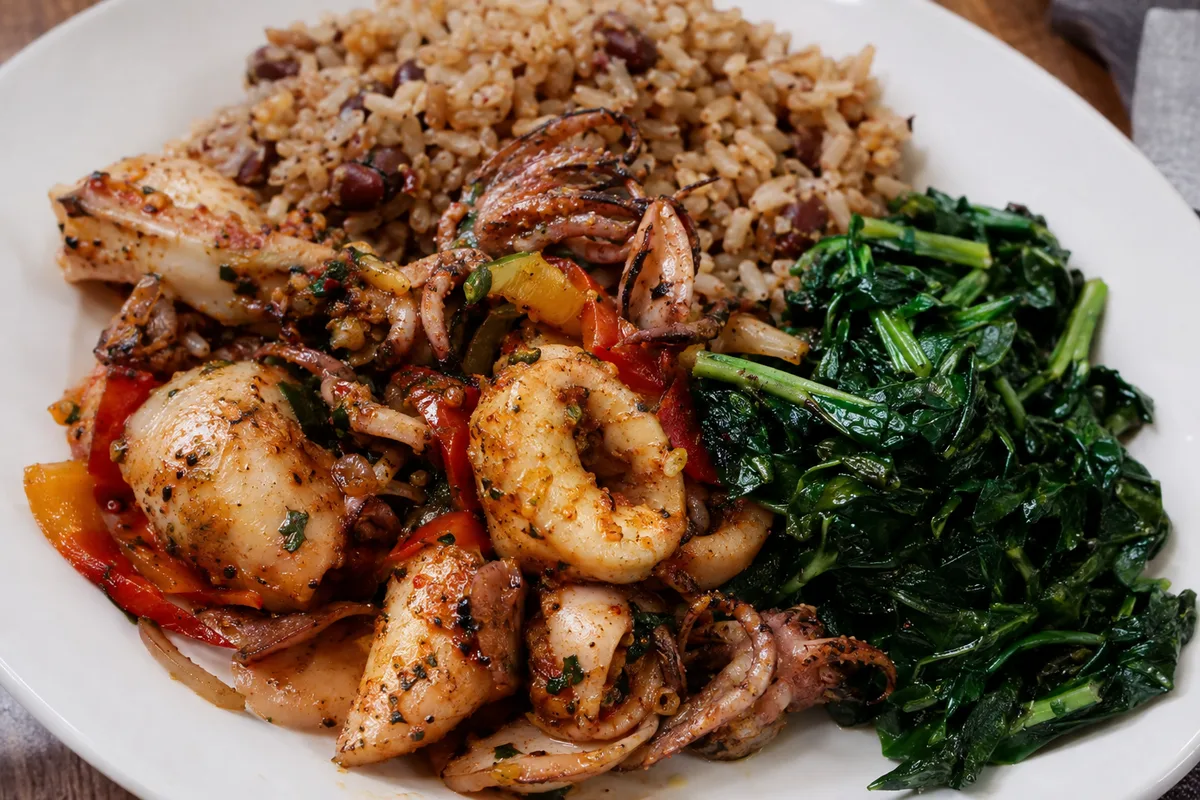
Build the plate around more than seafood alone. Vegetables, beans and whole grains add fibre, while squid itself does not provide fibre. A varied plate also makes it easier to use salty sauces in smaller amounts without leaving the meal bland.
- Add lemon, vinegar, garlic, paprika or fresh herbs for flavour
- Choose plain frozen squid and check whether salt has been added
- Serve with brown rice, wholegrain pasta, beans or lentils
- Fill a generous part of the plate with vegetables
- Measure salty sauces before logging them
How to track squid accurately
The most useful entry is the one that matches what you actually ate. Raw and cooked weights are not interchangeable because cooking changes water content, and battered squid includes ingredients beyond the seafood. Use the state shown in your chosen food entry and stay consistent.
There is no single ideal portion for everyone. Appetite, the rest of the meal, activity and personal nutrition goals all affect what suits you. For a heart-friendly meal, focus on the preparation, added fat, salt and fibre-rich sides rather than chasing a perfect number.
- Match raw squid to a raw database entry
- Match cooked squid to the stated cooking method
- Add oil, batter, breadcrumbs, sauces and dips
- Use a saved recipe for meals you prepare regularly
- Check the label when logging packaged squid