
Is an egg diet a healthy way to eat?
An egg diet usually makes eggs the centre of several meals while limiting other foods. This guide explains what eggs provide, what a restrictive plan may miss and how to include them in a more balanced pattern.
What an egg diet actually means
There is no single official egg diet. Most versions use eggs as a main source of protein and restrict foods such as bread, rice, pasta, snacks or desserts. Some also allow vegetables, fruit and other protein-rich foods.
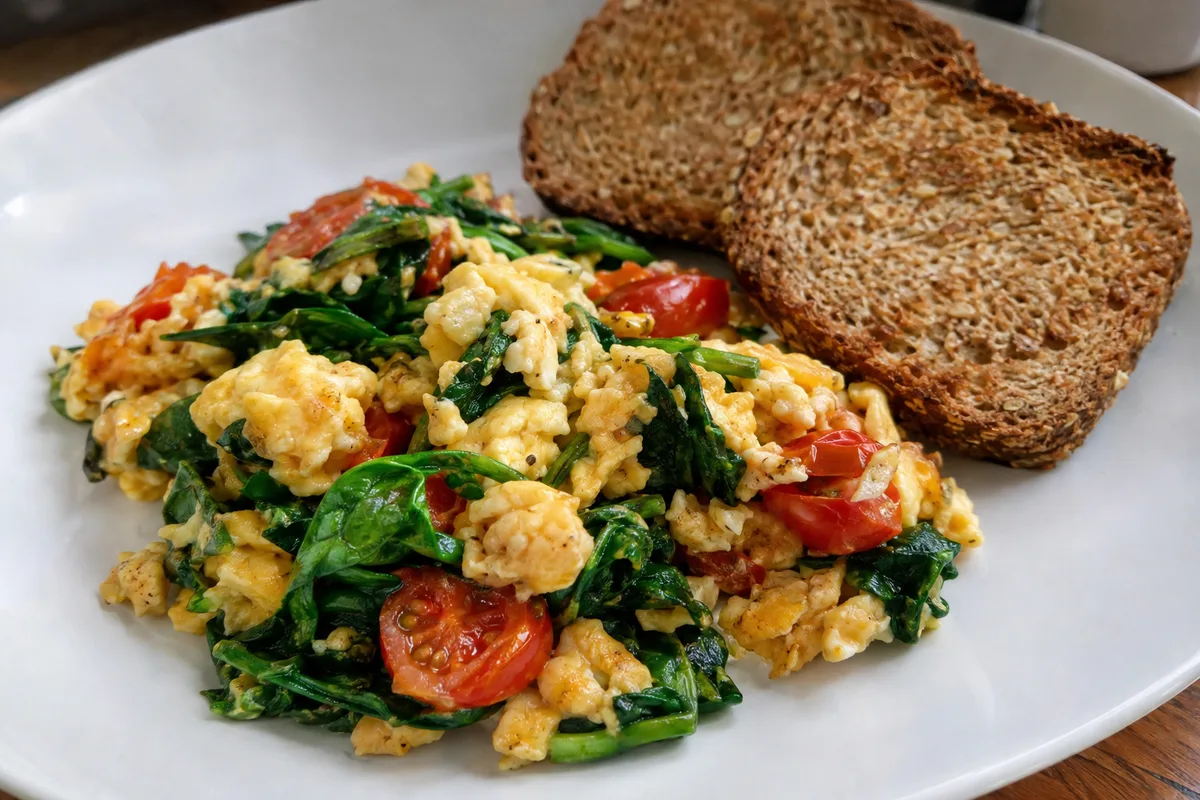
Eggs themselves are nutritious, but that does not make every egg-based plan balanced. The main question is what the plan removes and whether the remaining meals offer enough variety. A narrow menu may also be difficult to enjoy and maintain.
If you already track your food, look beyond how often eggs appear. Check which food groups are missing, how repetitive your entries become and how you feel between meals. These details tell you more than the diet's name.
- Eggs served at several meals each day
- Meals built around eggs, lean protein and vegetables
- Plans that sharply reduce grain foods and snacks
- Short, rigid menus with little room for preference or appetite
What eggs bring to a meal
Eggs provide protein and fat, along with nutrients including choline, selenium and several vitamins. The protein can help make a meal satisfying, especially when eggs replace a less substantial option. The yolk contains many of the egg's nutrients as well as most of its fat.
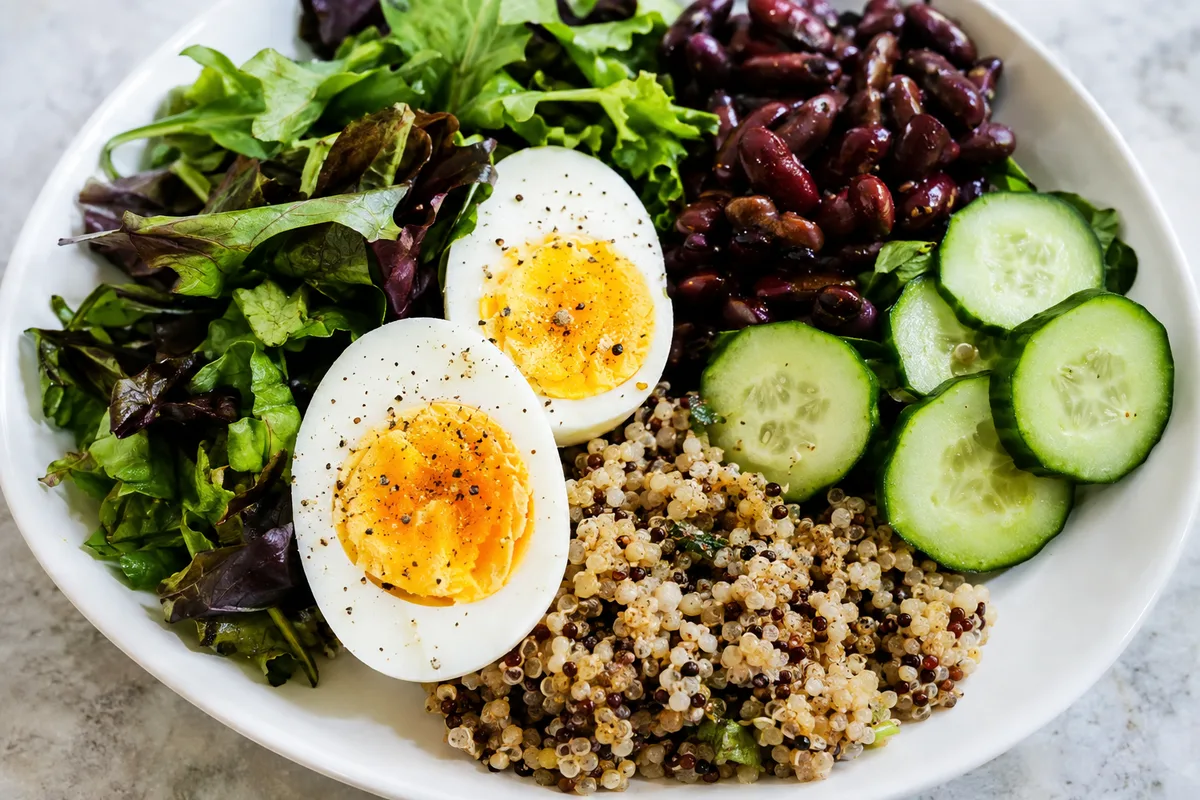
How eggs are cooked and what accompanies them matter. Boiled, poached or scrambled eggs can form part of a varied meal, while frequent additions such as fatty processed meat, large amounts of butter or rich sauces change its overall balance. Your food log can help you notice these repeated extras.
Eggs are useful, but they do not supply everything the body needs. In particular, they contain no fibre and cannot replace vegetables, fruit, pulses or wholegrain foods. Think of them as one ingredient rather than a complete eating plan.
- Add tomatoes, mushrooms or spinach to scrambled eggs
- Serve boiled eggs with a mixed salad and a grain food
- Pair an omelette with vegetables and beans
- Choose cooking methods that do not rely on large amounts of added fat
What a restrictive egg diet may miss
A tightly restricted egg diet may leave little room for fibre-rich foods. Fibre comes from plant foods such as vegetables, fruit, pulses, nuts, seeds and wholegrains. It supports digestive comfort and can make meals feel more substantial.

Variety matters because different foods provide different nutrients. Removing several food groups can make it harder to cover those needs, even when the permitted foods are nutritious. Repetitive meals may also reduce enjoyment and make the plan harder to continue.
A sudden change in carbohydrate intake can affect hunger, energy and exercise comfort. The response differs from person to person and also depends on usual eating habits and activity. Record these signs rather than judging the plan only by a short-term change in body weight.
- Little or no fruit
- Few pulses or wholegrain foods
- A narrow range of vegetables
- Repeated meals with similar ingredients
- Rules that ignore hunger, activity or personal preference
How to judge the plan in your food diary
Use your diary to examine the whole day, not one meal. An egg breakfast may fit comfortably when later meals include a wide spread of plant foods, protein sources and satisfying carbohydrates. The same breakfast is less helpful if every other meal is equally restricted.

Notice patterns in hunger and fullness. If meals leave you searching for food soon afterwards, they may need more fibre, volume or energy. If you feel overly full, the portion or added fats may not suit you.
Also consider whether the plan works in ordinary life. Meals should allow for your schedule, culture, budget, social occasions and favourite foods. A plan that only works under rigid conditions is unlikely to be a practical long-term pattern.
- How varied your vegetables and fruit are
- Whether fibre-rich foods appear across the day
- How hungry you feel before and after meals
- Whether meals support your usual activity
- How easy the pattern is to follow without rigid rules
A more balanced way to include eggs
You do not need to follow an egg diet to benefit from eating eggs. They can sit alongside vegetables, wholegrain foods, pulses, fruit and other protein sources. This creates more variety while keeping eggs as a convenient part of the meal.
Build the plate by adding what eggs lack. Include a generous portion of vegetables or fruit, then add a fibre-rich carbohydrate such as wholegrain toast, potatoes with their skins, beans or oats where it suits the meal. The appropriate amount depends on your appetite, activity and wider food intake.
Varying the main protein source can also prevent the week from becoming repetitive. Alternate eggs with fish, poultry, yoghurt, tofu, beans, lentils, nuts or seeds according to your preferences. Your tracker can show whether variety is increasing over time.
- Eggs on wholegrain toast with tomatoes
- A vegetable omelette with potatoes and salad
- Boiled eggs with beans, leaves and a grain
- Eggs with oats and fruit at separate meals
- A bean-based meal instead of another egg meal
The bottom line
Eggs can be part of a healthy eating pattern, but an egg diet is not automatically healthy. Restrictive versions often reduce fibre, food variety and flexibility. Any short-term body-weight change does not show whether the pattern is balanced or sustainable.
A better approach is to use eggs as one of several protein choices. Keep a broad range of plant foods and satisfying carbohydrate sources in your diary, and pay attention to hunger, energy, digestion and enjoyment. The right pattern depends on the individual rather than a fixed egg-based menu.
- Keep eggs as one ingredient rather than the whole plan
- Protect variety instead of cutting out broad food groups
- Review your full diary rather than a single day
- Choose a pattern that remains practical and enjoyable