
Can You Drink Too Much Coffee?
There is no single amount of coffee that suits everyone. This guide explains how to notice when your intake may be too high and how coffee fits into food tracking.
Too much depends on the person
Coffee can be part of a balanced routine, but it is possible to drink more than feels comfortable. The useful question is not simply how many cups you have, because cup sizes, coffee strength and personal sensitivity vary. Your usual pattern and how you feel afterwards provide better context.
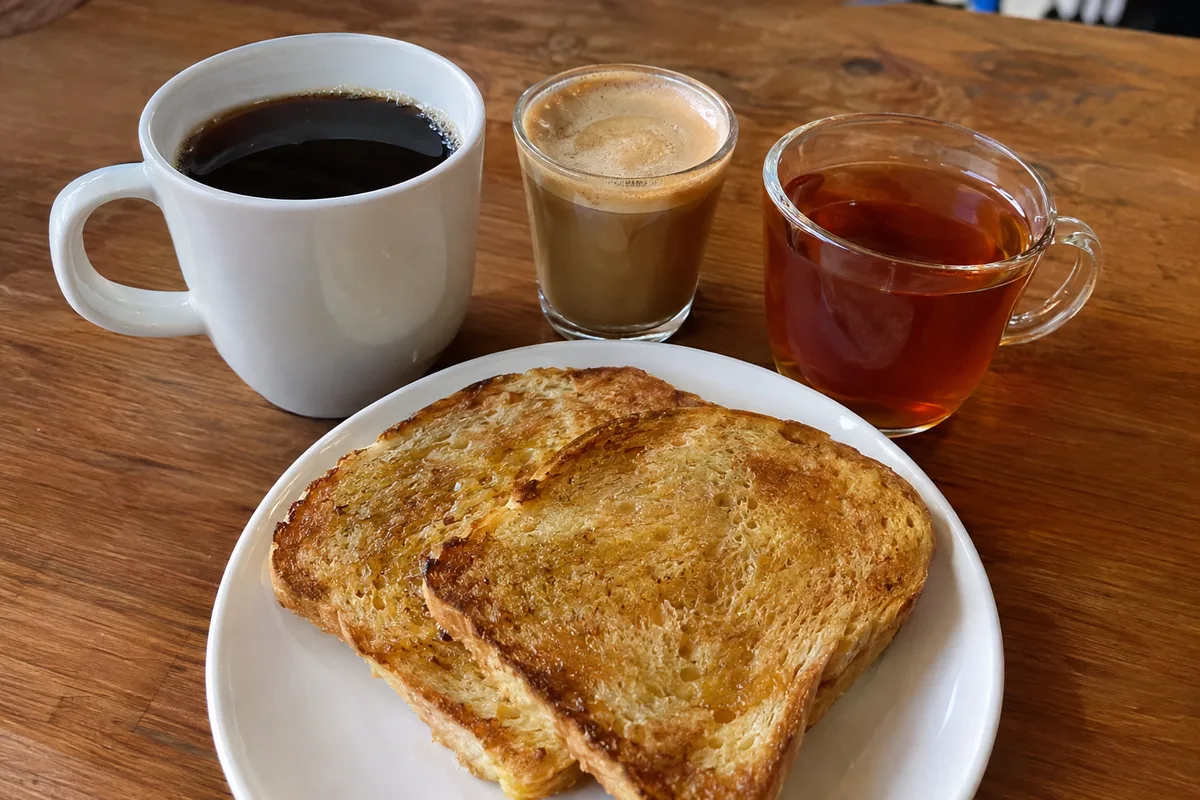
Caffeine is the main reason one person may tolerate several coffees while another feels uncomfortable after much less. Brewing method, serving size and the type of coffee all affect caffeine content. Other drinks and foods containing caffeine also contribute to your daily total.
- Count coffee alongside tea, energy drinks and other caffeinated choices.
- Notice whether a serving is a small coffee or a much larger drink.
- Remember that a stronger-tasting coffee is not always a reliable guide to caffeine content.
- Compare similar drinks over time rather than assuming every cup is equal.
Signs that your intake may be too high
Your body may give you clues that your current amount is not working well for you. You might feel restless, shaky or unusually alert, or notice a racing sensation in your chest. Some people also experience stomach discomfort or need to visit the toilet more often.
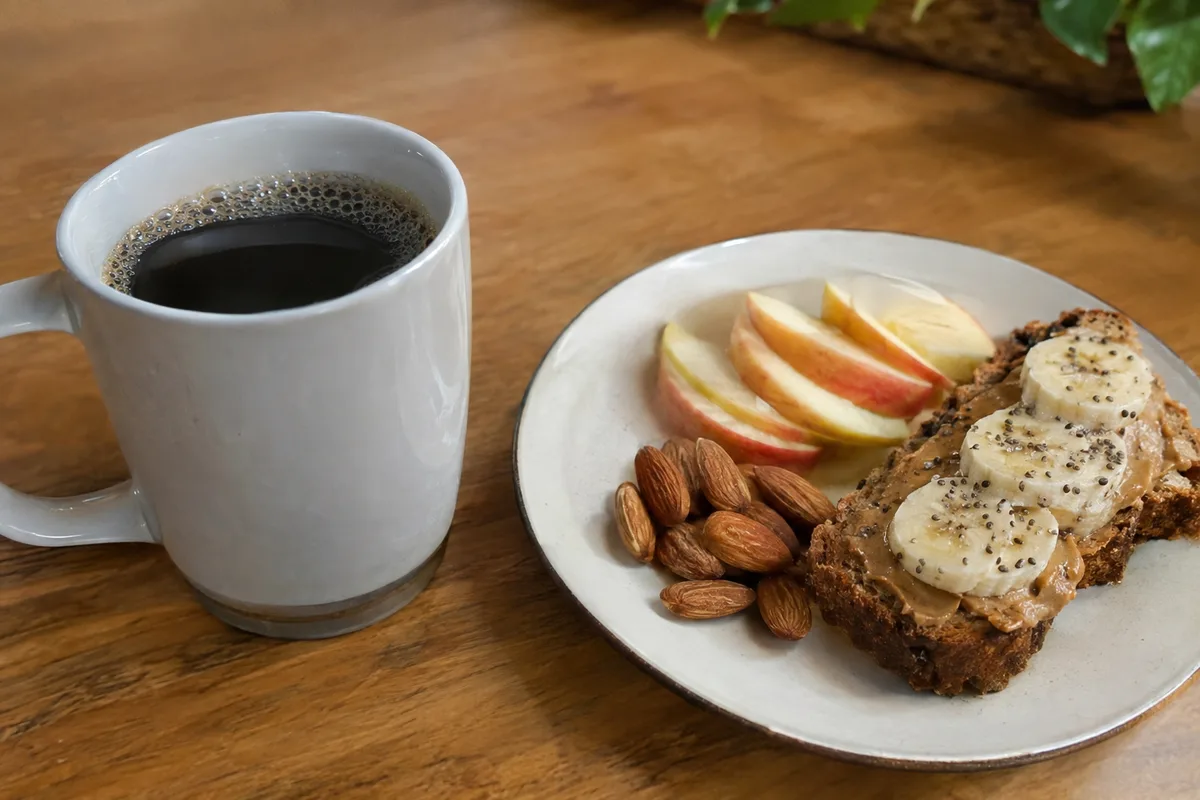
These effects do not always appear immediately after a drink. Caffeine can remain noticeable for hours, so an afternoon coffee may affect how settled you feel later. Tracking the time as well as the drink can help reveal a pattern.
- Feeling jittery or unable to settle
- Finding it difficult to concentrate despite feeling alert
- Feeling uncomfortable after coffee
- Taking longer to fall asleep
- Waking without feeling refreshed
Coffee can affect sleep
Caffeine reduces the feeling of sleepiness, which is often why coffee feels useful. The same effect can become inconvenient when caffeine is consumed too close to bedtime. Even if you fall asleep, you may feel that your sleep was lighter or less refreshing.

There is no cut-off time that works for everyone. Consider when you usually sleep, when you last drink coffee and how rested you feel the next day. Moving your final caffeinated drink earlier can help you test whether timing is the issue.
- Record the time of your last caffeinated drink.
- Keep the rest of your evening routine broadly consistent.
- Note how easily you settle and how refreshed you feel.
- Review several days rather than judging from one night.
What coffee adds to your food log
Plain coffee contributes little energy, but the ingredients added to it can change what needs recording. Milk, cream, sugar, syrups and flavoured toppings may turn a simple drink into a more substantial part of your intake. The amount depends on the recipe and serving size.

Log what you actually drink rather than selecting a generic coffee entry that may not match. If you prepare it yourself, record the milk and sweeteners you use. For coffee made elsewhere, choose the closest description available and treat the result as an estimate.
- Black coffee or an espresso with nothing added
- Coffee with a measured splash of milk
- A milk-based coffee such as a latte or flat white
- Coffee sweetened with sugar or syrup
- Chilled coffee with milk, cream or toppings
Ways to reduce coffee without dropping the ritual
If coffee is leaving you uncomfortable or disrupting sleep, you can adjust the pattern gradually. A smaller serving, a weaker brew or a decaffeinated option can preserve the familiar break. Changing one part at a time also makes it easier to see what helps.
Think about what you value in the moment: the taste, warmth, routine or burst of alertness. You may not need to replace every cup in the same way. Water, decaffeinated coffee or a non-caffeinated hot drink can suit different parts of the day.
- Choose a smaller cup for one regular serving.
- Mix caffeinated and decaffeinated coffee.
- Swap a later coffee for a decaffeinated version.
- Drink water before deciding on another cup.
- Pause between servings instead of drinking them close together.
Find a pattern that works for you
A useful coffee limit is one that does not repeatedly leave you restless, uncomfortable or short of sleep. Look at your whole caffeine intake rather than coffee alone, and consider whether your servings have grown over time. Your food log can hold notes about timing and how you felt, not just ingredients and energy.
Personal circumstances can change how much caffeine is appropriate. If you are pregnant, breastfeeding, particularly sensitive to caffeine or have been given individual health guidance, ask a qualified healthcare professional about a suitable amount. Otherwise, make small adjustments and use your own consistent observations to judge the result.
- How many caffeinated drinks you had
- The size and type of each drink
- When you drank the final serving
- Any added milk, sugar, syrup or cream
- How settled and rested you felt