
Is Tripe Good for You? A Practical Guide
Tripe is the edible stomach lining of animals, most commonly cattle, and it is used in many traditional dishes. It can fit into a balanced diet when you consider how it is cooked and what accompanies it.
What tripe adds to your diet
Tripe provides protein, which helps maintain body tissues and can make a meal feel satisfying. It also contains micronutrients such as vitamin B12, zinc and selenium, although the amounts vary by animal, cut and preparation.
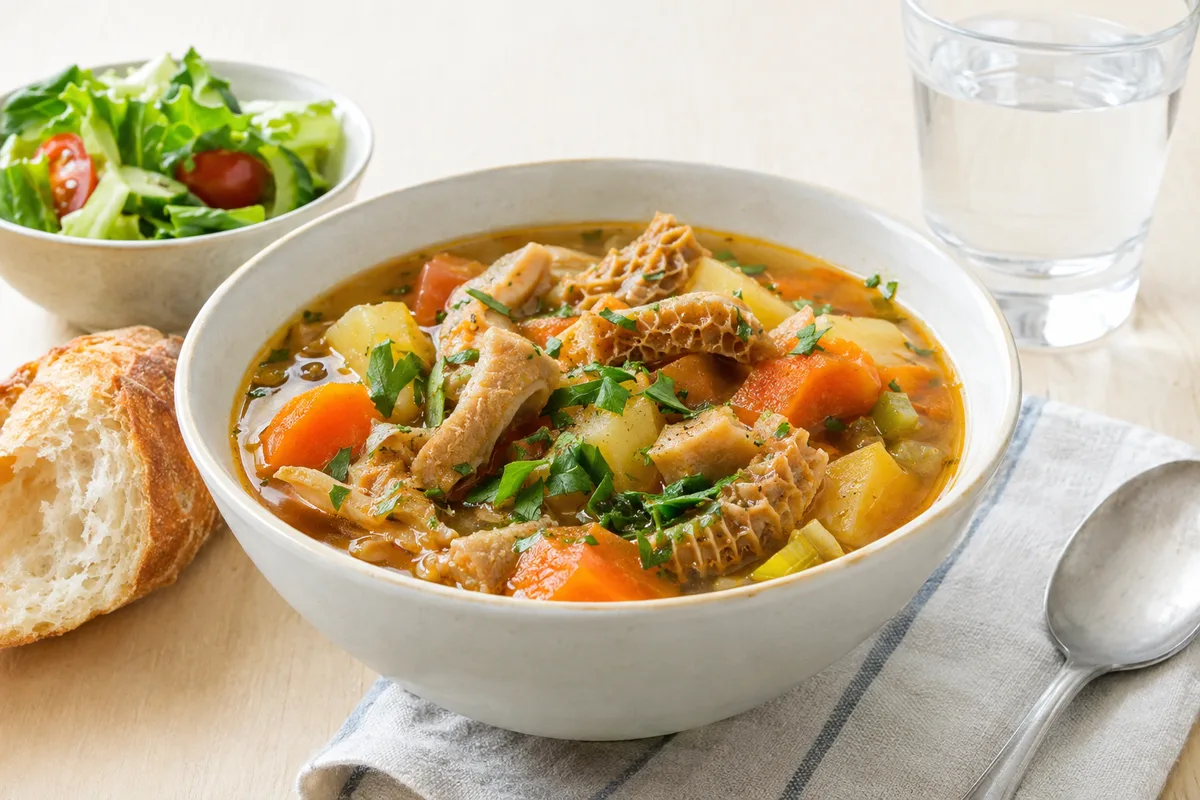
Compared with many fattier cuts of meat, plain tripe can be relatively lean. However, its overall nutritional value changes once oil, butter, breadcrumbs, creamy sauces or other ingredients are added.
What to consider when tracking it
If you log your food, choose a database entry that matches the type of tripe and whether its weight is raw or cooked. Cooking changes water content, so the same weight of raw and cooked tripe may not have identical nutrition values.
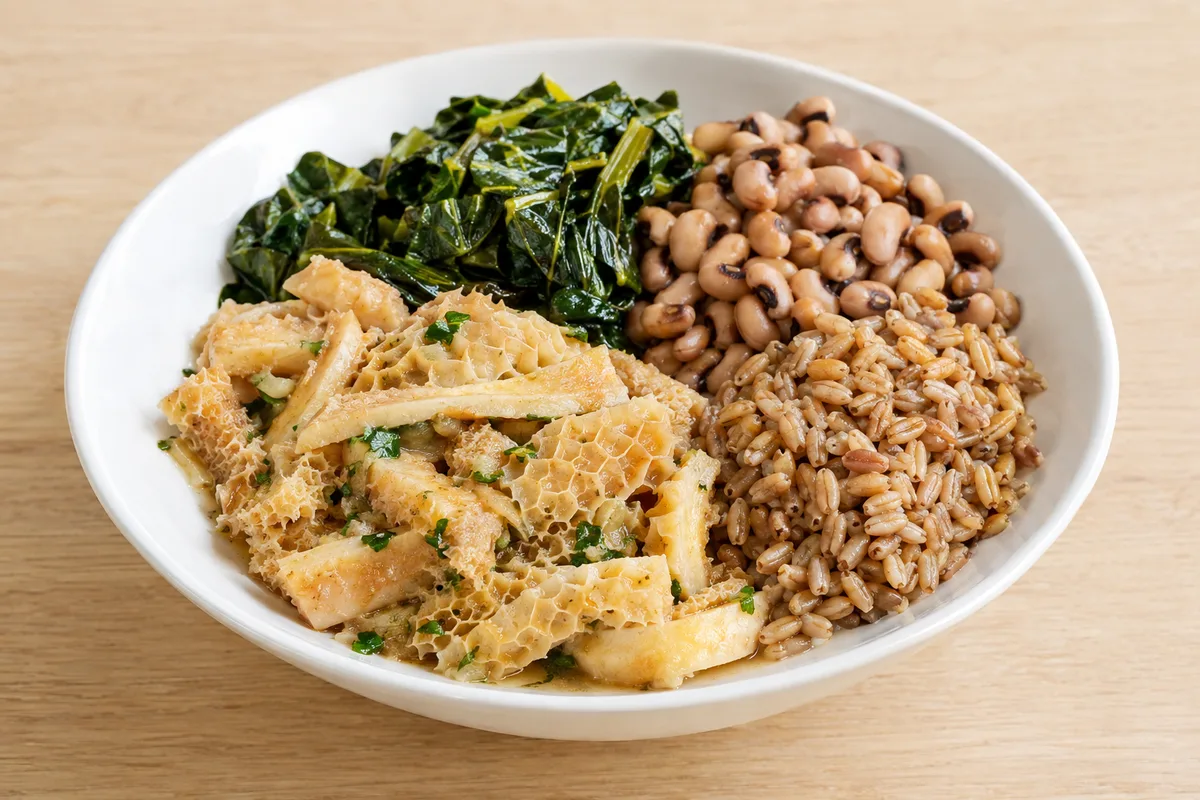
Track the full dish rather than tripe alone, particularly for stews, soups and fried recipes. Stock, added fats, flour and salty seasonings can contribute more energy or sodium than the tripe itself.
Portion and preparation matter
There is no single ideal portion because your needs depend on your appetite, activity, goals and the rest of the meal. A useful approach is to pair tripe with vegetables and a source of carbohydrate, then log the amounts you actually serve.
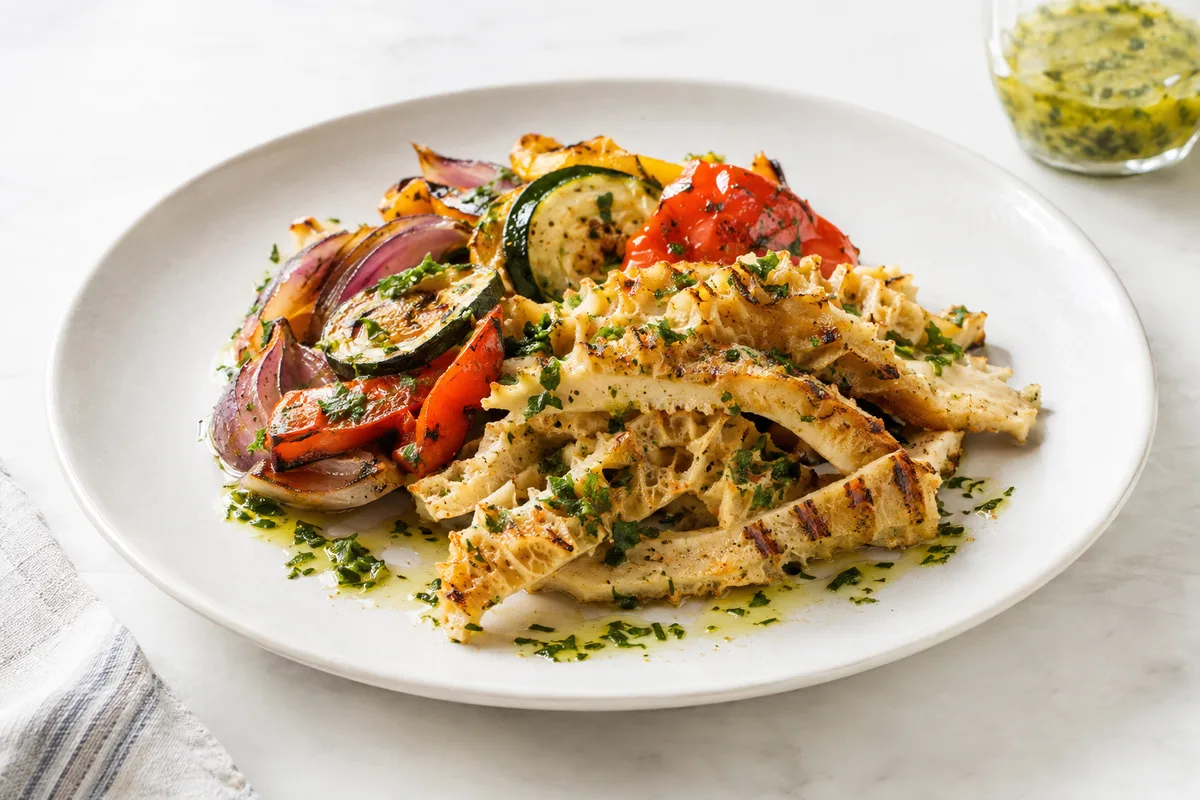
Tripe needs thorough cleaning and cooking because of where it comes from and its naturally firm texture. Follow the preparation guidance supplied by a trusted butcher or recipe, keep raw tripe separate from ready-to-eat foods and wash hands and utensils carefully.
The practical verdict
Tripe can be a nutritious protein choice, especially if you enjoy its texture and flavour. It is not automatically better or worse than other meats, and no single food determines the quality of your diet.
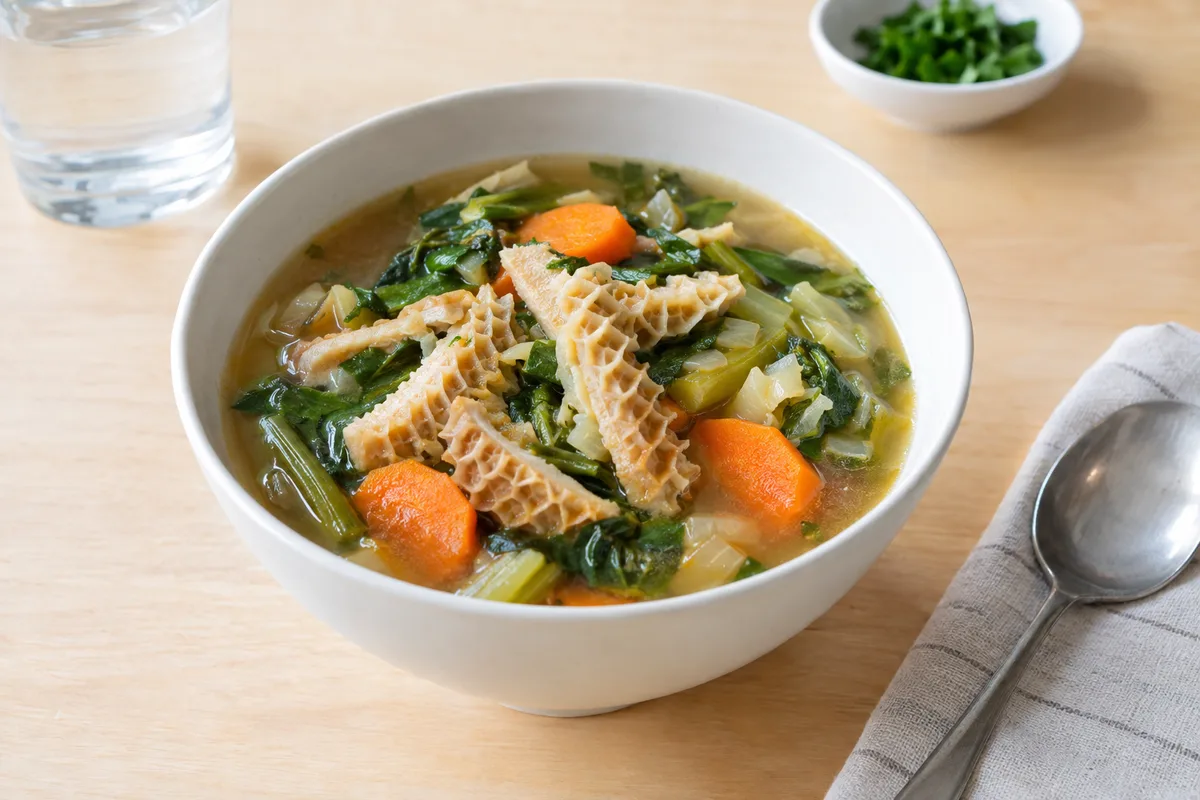
For a lighter meal, boiling, braising or simmering may be easier to track than deep-frying or serving tripe in a rich sauce. Check the label or recipe where possible, record the ingredients separately and judge the meal in the context of your usual eating pattern.