
Is yeast gluten free? What to check before you use it
Yeast itself does not naturally contain gluten, and common baking yeasts are usually suitable for a gluten-free diet. This guide explains the main types, where gluten may enter the picture and what to record in your food diary.
The short answer
Yeast is a living microorganism used to make dough rise, ferment drinks and add savoury flavour. On its own, it does not contain gluten. However, a yeast product can come into contact with gluten during production or include ingredients made from gluten-containing grains.
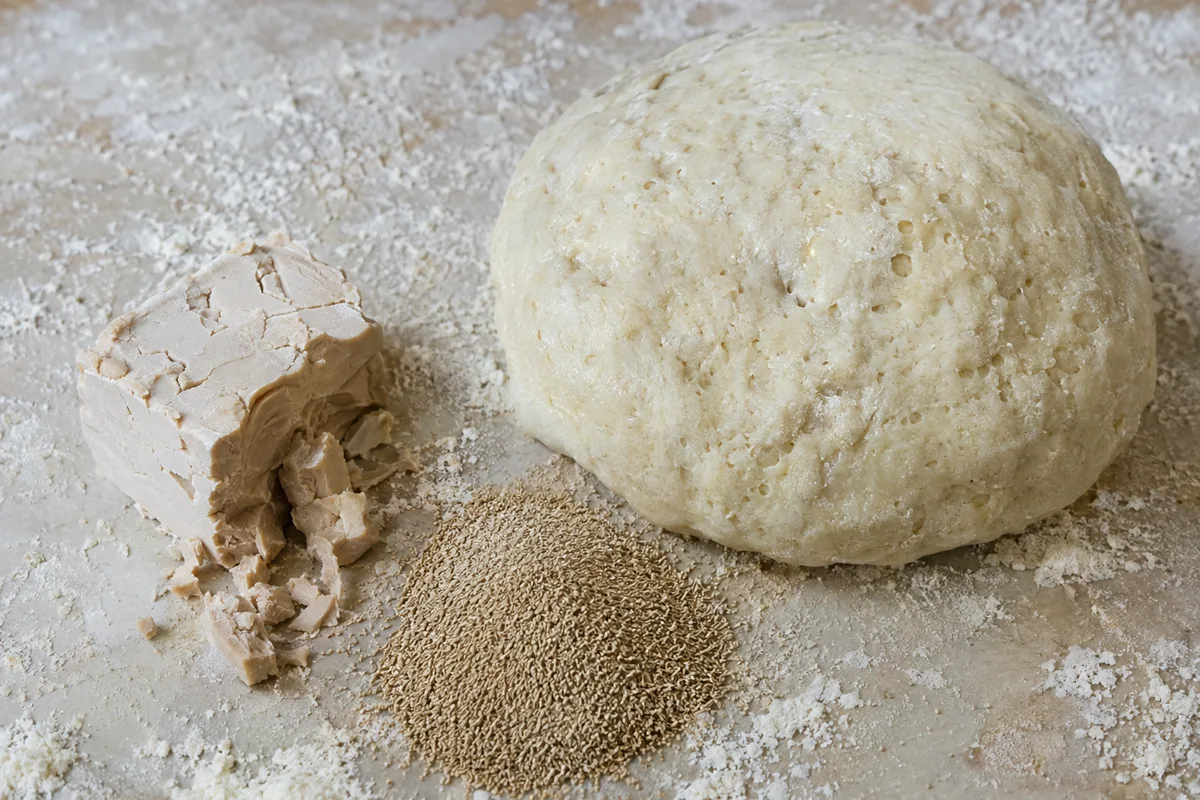
The safest answer therefore depends on the exact product rather than the word “yeast” alone. Plain baker’s yeast is usually straightforward, while brewer’s yeast, yeast extract and flavoured yeast products need closer checking. If you avoid gluten strictly, read the full label each time you open a new product.
- Check the product name and type of yeast.
- Read the ingredients and allergen statement.
- Look for a clear gluten-free claim when cross-contact is a concern.
- Recheck familiar products because recipes and manufacturing methods can change.
Baker’s yeast is usually gluten free
Active dried yeast, instant yeast and fresh baker’s yeast are normally gluten free. They make bread rise by feeding on sugars in the dough and producing gas. The gluten in standard bread comes from flours such as wheat flour, not from the yeast.
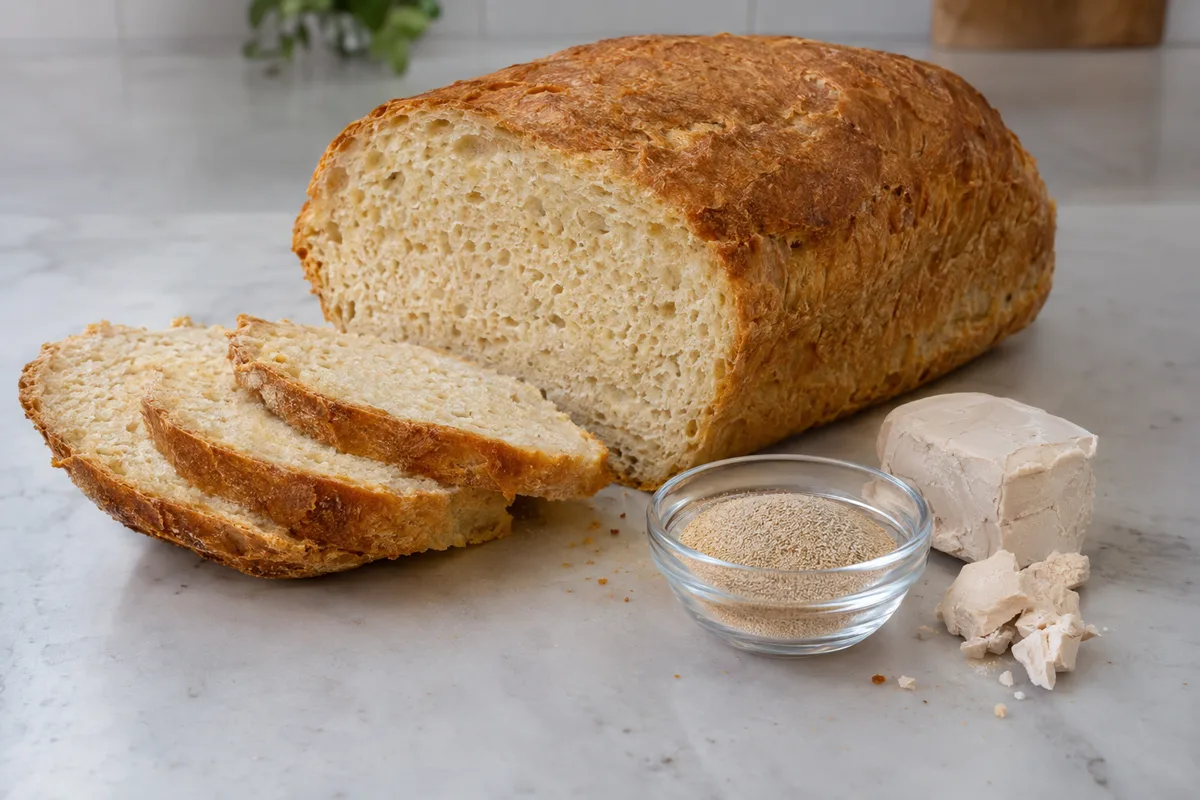
A gluten-free yeast does not make an ordinary wheat-based loaf gluten free. Every other ingredient still matters, including flour, bread improvers and any toppings or fillings. Shared bowls, spoons, tins and work surfaces can also transfer crumbs or flour.
- Active dried yeast
- Instant or quick-action yeast
- Fresh baker’s yeast
- Plain yeast sold specifically for bread making
Brewer’s yeast needs extra care
Brewer’s yeast is linked with the production of beer and may have been grown or processed in contact with barley. Barley contains gluten, so brewer’s yeast is not something to assume is gluten free. A product may be suitable only when the manufacturer clearly confirms its gluten-free status.
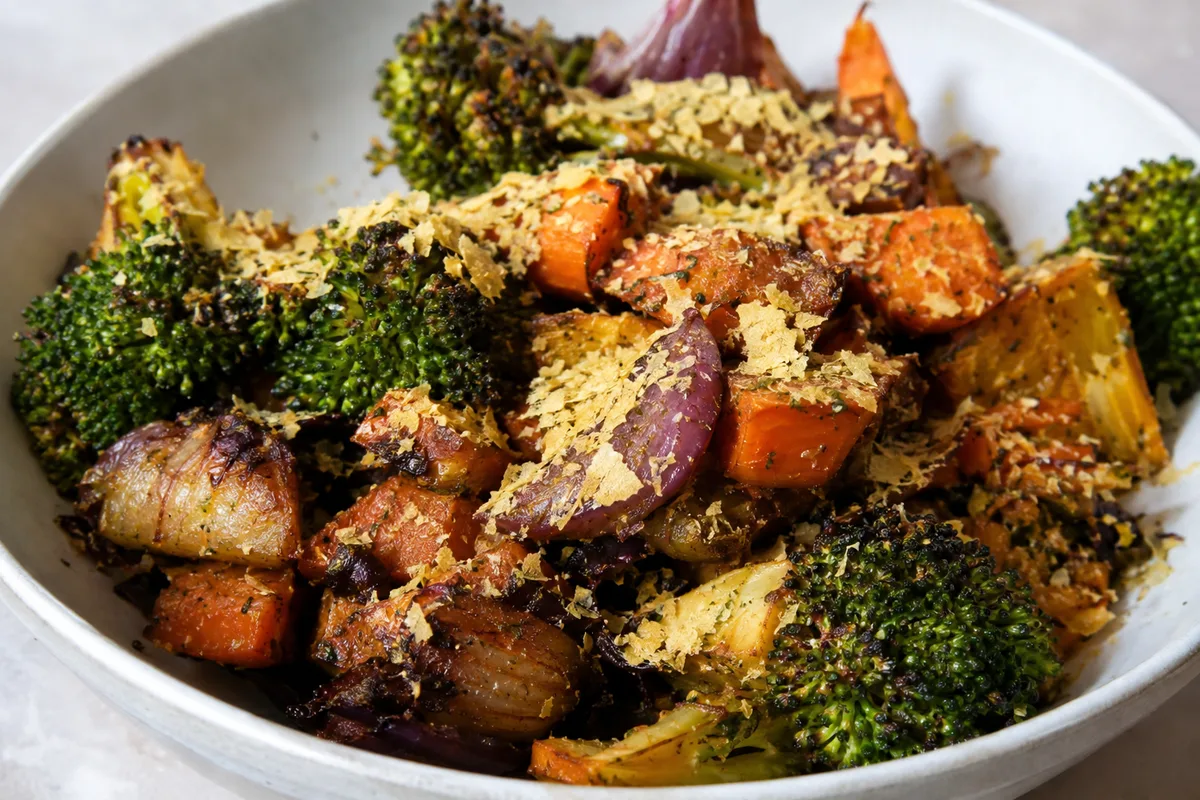
The term can appear on tubs, packets and ingredient lists, so check what the manufacturer means by it. Do not rely on the appearance of the powder or flakes, as this gives no useful clue about gluten. If the label is unclear, choose an alternative with clearer information rather than guessing.
- Check whether barley is named in the ingredients or allergen statement.
- Look for a specific gluten-free statement.
- Do not treat “wheat free” as meaning gluten free.
- Check the label on each brand and variety separately.
Nutritional yeast and yeast extract
Plain nutritional yeast is often gluten free, but added flavourings and production methods vary. Some versions contain extra seasonings, so the complete ingredient list matters. Products packed or processed alongside gluten-containing foods may also carry a cross-contact warning.
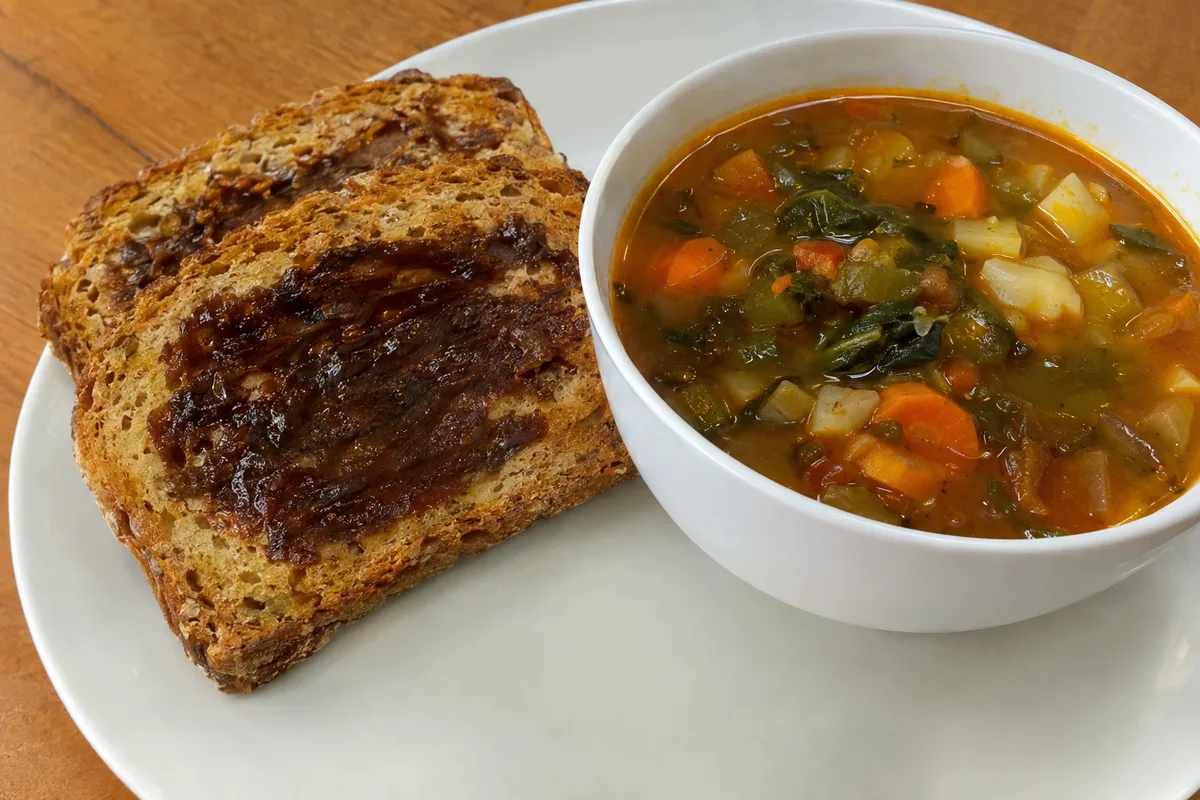
Yeast extract is a concentrated savoury ingredient found in spreads, stocks, sauces and prepared meals. Its suitability depends on the source and the way it was made, particularly if material connected with brewing was used. Check the finished food rather than assuming that all yeast extract is either safe or unsuitable.
- Plain nutritional yeast flakes
- Flavoured nutritional yeast blends
- Yeast extract spreads
- Stock cubes and stock powders containing yeast extract
- Sauces or savoury snacks containing yeast-derived flavourings
How to read the label
Start with the ingredients list and look for gluten-containing grains such as wheat, barley and rye. On UK food labels, certain grain allergens must be emphasised when they are ingredients. A precautionary statement may also mention possible cross-contact during production.
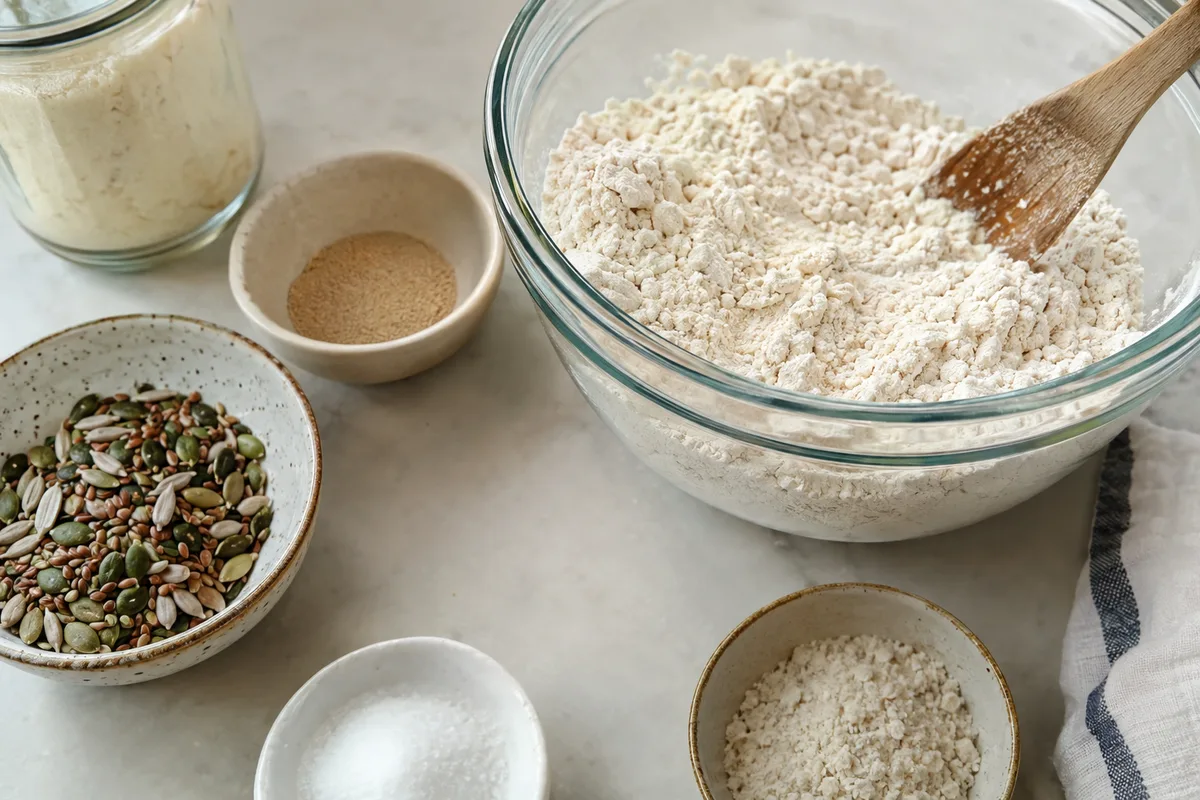
A gluten-free label gives more useful reassurance than a general claim such as natural, plant-based or wheat free. Wheat free does not rule out barley or rye. If a product has no clear information and you need to avoid even small traces, contact the manufacturer or use a clearly labelled option.
- Identify the exact type of yeast.
- Scan the ingredients for wheat, barley and rye.
- Read the allergen and cross-contact statements.
- Check for a clear gluten-free label.
- Record the brand and variety, not just “yeast”.
Tracking yeast in meals
When logging food, the yeast itself may be only one small part of the meal. The flour in bread, the base of a sauce and the ingredients in a stock are often more important when checking for gluten. Recording the full product helps you review what you ate without having to remember the label later.
For home baking, log the flour blend, yeast and any added seeds, flavourings or bread improvers separately if that level of detail helps you. For packaged foods, use the exact name and serving information shown on the label. The nutrient content and serving size depend on the product, so avoid copying an entry for a different type of yeast.
- Save the exact brand and product variety.
- Note whether the yeast was plain or flavoured.
- Include the flour or other main ingredients in the meal.
- Update saved entries if the product label changes.