
Is Cornstarch Gluten Free?
Cornstarch is made from the starchy part of maize, so it does not naturally contain gluten. However, added ingredients and contact during production or cooking can change whether a particular product is suitable.
What cornstarch is made from
Cornstarch is a fine white powder taken from the starchy centre of maize kernels. Maize does not naturally contain gluten, so plain cornstarch is gluten free.
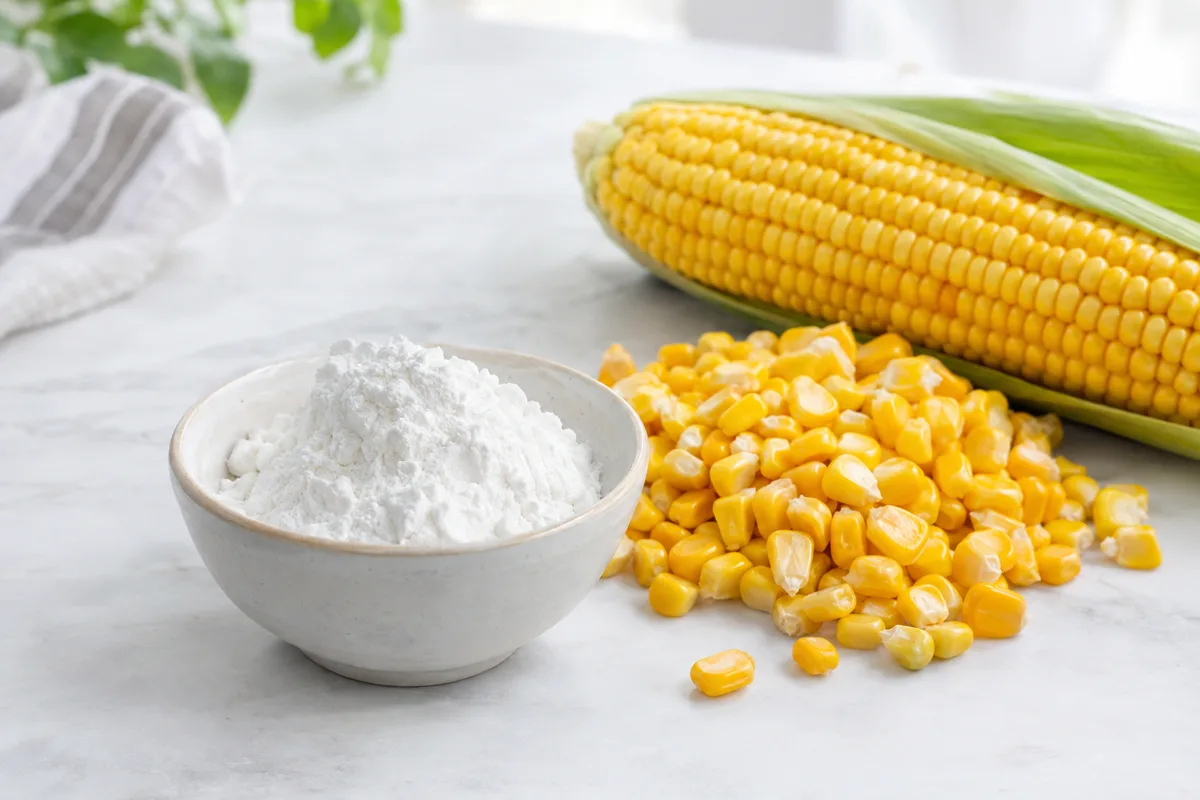
In British recipes and shops, cornstarch is usually called cornflour. In some other countries, corn flour can mean finely ground whole maize, so checking the ingredient list helps clarify what you are tracking.
Why the label still matters
A plain product may contain only maize starch, but not every product is handled in the same way. Contact with gluten-containing grains can happen during milling, packing or storage.

Look for a clear gluten-free statement when avoiding even small amounts matters to you. Warnings about shared equipment or production areas can also help you decide whether a product fits your needs.
Cornstarch in recipes
Cornstarch is often used to thicken sauces, soups and puddings or to change the texture of baking. It needs to be mixed carefully, usually with a little cold liquid first, to prevent lumps.
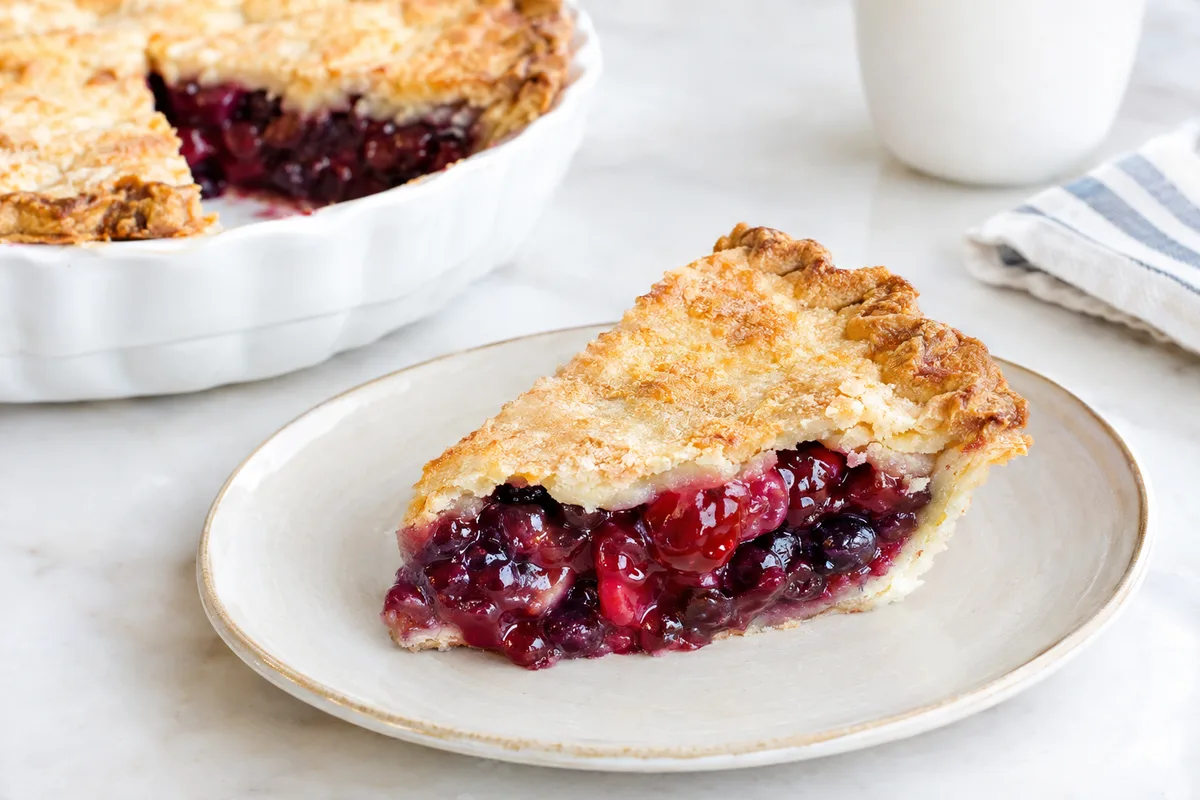
The finished dish is only gluten free if every ingredient and preparation surface is suitable. Stocks, seasoning blends, sauces and shared utensils are worth checking rather than assuming the cornstarch makes the whole recipe gluten free.
Tracking cornstarch accurately
When logging cornstarch, use the amount actually added to the recipe and divide it by the number of portions you serve. Nutrition values can vary by brand and quantity, so the packet information is the best match for your food diary.
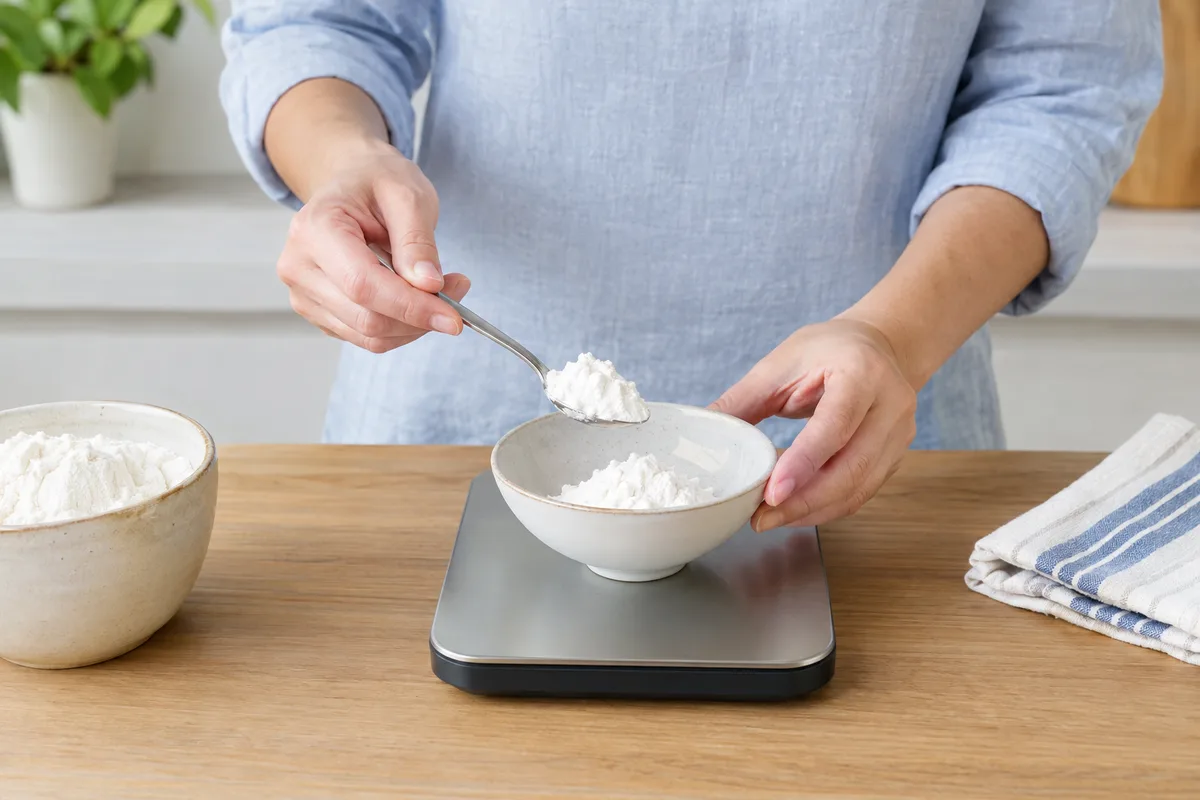
Cornstarch mainly contributes carbohydrate and is often used in small amounts. If a recipe uses cornflour, confirm whether it means maize starch or ground maize before choosing an entry in your tracker.