
Is espresso bad for you? What to consider when you track it
Espresso is concentrated, yet a small serving may contain less caffeine than a much larger coffee. This guide explains what to track, how your own response matters and when small changes may help.
Espresso is concentrated, not automatically harmful
Espresso is made by pushing hot water through finely ground coffee. It has a strong flavour because its compounds are packed into a small serving, but strength of taste does not tell you the exact caffeine content. The amount varies with the beans, grind, preparation and serving size.
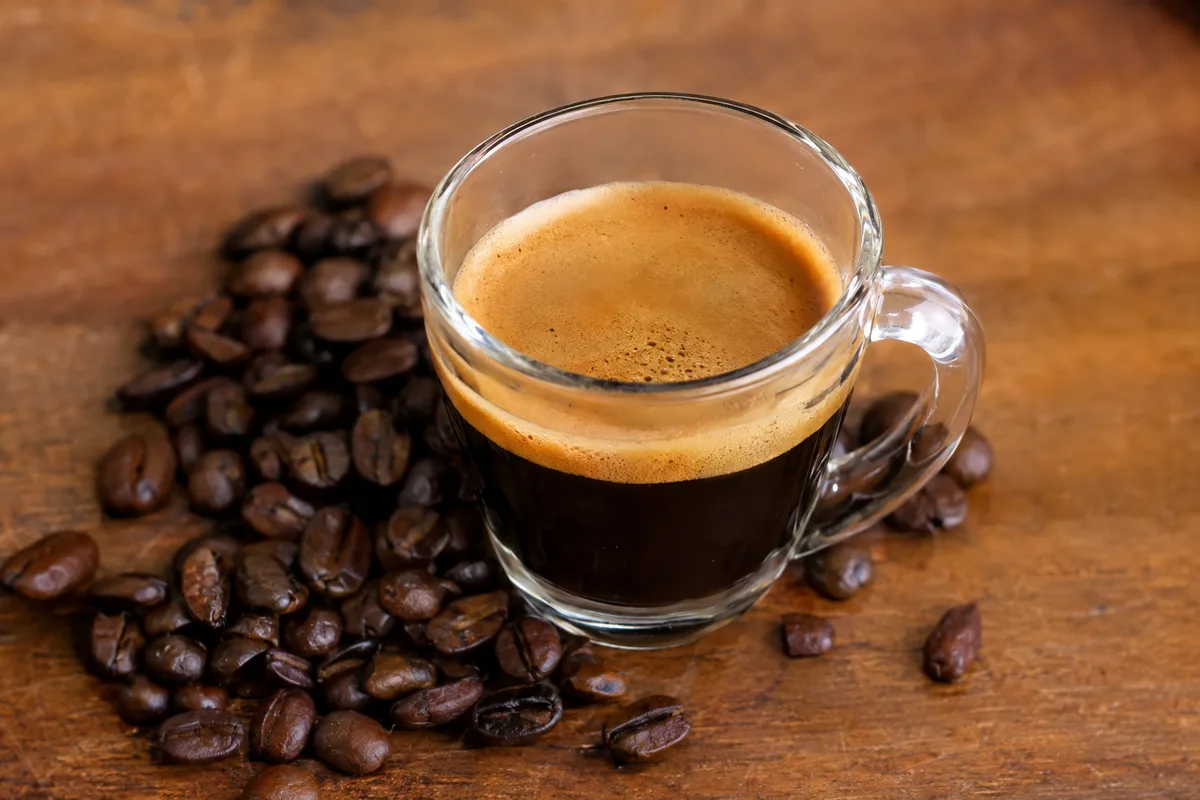
Whether espresso suits you depends partly on how much caffeine you have across the whole day. Tea, coffee, chocolate and some soft drinks can all add to that total. Looking at the complete pattern is more useful than judging one cup on its own.
- Track the number and approximate size of your espresso servings.
- Include other drinks and foods that contain caffeine.
- Note whether the coffee was regular, half-caffeinated or decaffeinated.
- Record the time as well as the drink.
Espresso and caffeine are not the same measurement
Caffeine is more concentrated in espresso than in many other coffee drinks, sip for sip. However, espresso is usually served in a smaller amount, while a mug of brewed coffee contains much more liquid. Either drink may provide more caffeine depending on its size and how it was prepared.
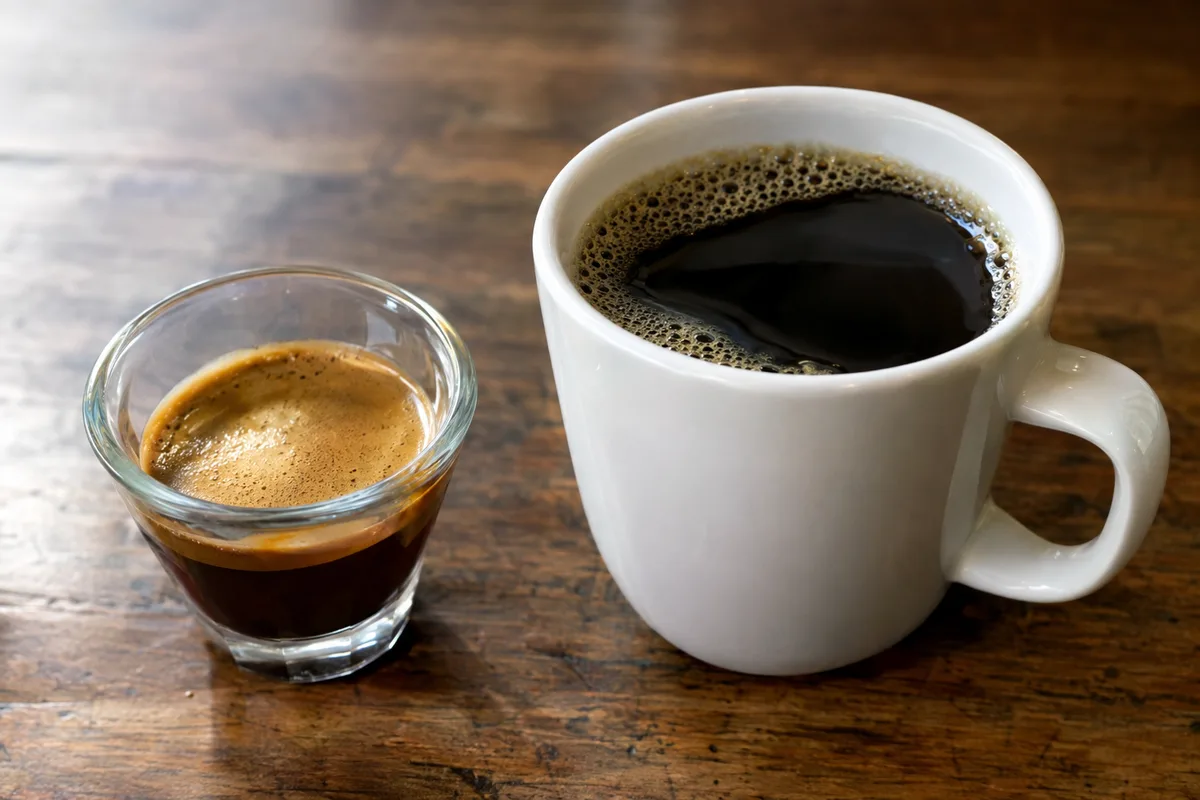
A single or double label is useful, but it does not give a precise caffeine figure. Coffee shops and home methods use different amounts of ground coffee, and beans naturally vary. If exact information is available from the maker, add it to your log rather than relying on flavour or cup size.
- Check whether your drink contains one serving of espresso or more.
- Do not assume a darker roast always contains more caffeine.
- Treat caffeine figures as estimates unless the maker provides them.
- Compare drinks by total serving, not by concentration alone.
Pay attention to how you feel
Caffeine affects people differently. An amount that feels comfortable on one day may feel less comfortable when you are tired, stressed, hungry or drinking it quickly. Your usual intake can also shape how noticeable the effects feel.
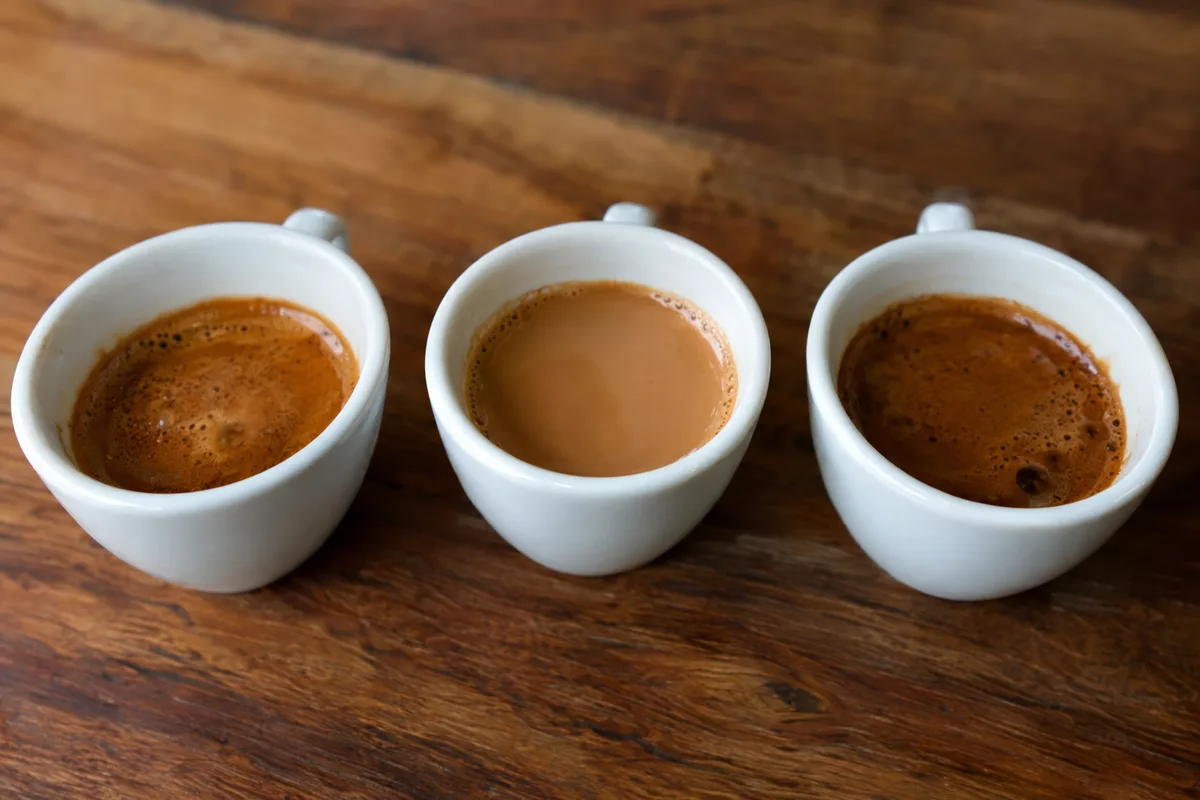
Possible signs that an espresso did not suit the moment include feeling restless, shaky or unusually alert. Some people also notice stomach discomfort or a racing sensation. A simple note beside your food log can help you connect these experiences with amount and timing.
One uncomfortable response does not tell you that espresso is always a poor choice. Look for a repeated pattern across several ordinary days. If you have persistent or worrying effects, seek individual guidance from a qualified healthcare professional.
- Note your energy and concentration before and after drinking it.
- Record restlessness, shakiness or stomach discomfort.
- Consider whether you had eaten recently.
- Look for patterns rather than judging one occasion.
Timing can matter more than the drink itself
Caffeine can remain noticeable for hours, although the timing varies from person to person. An espresso later in the day may make it harder to settle down or may leave sleep feeling less refreshing. This can happen even when falling asleep does not seem difficult.
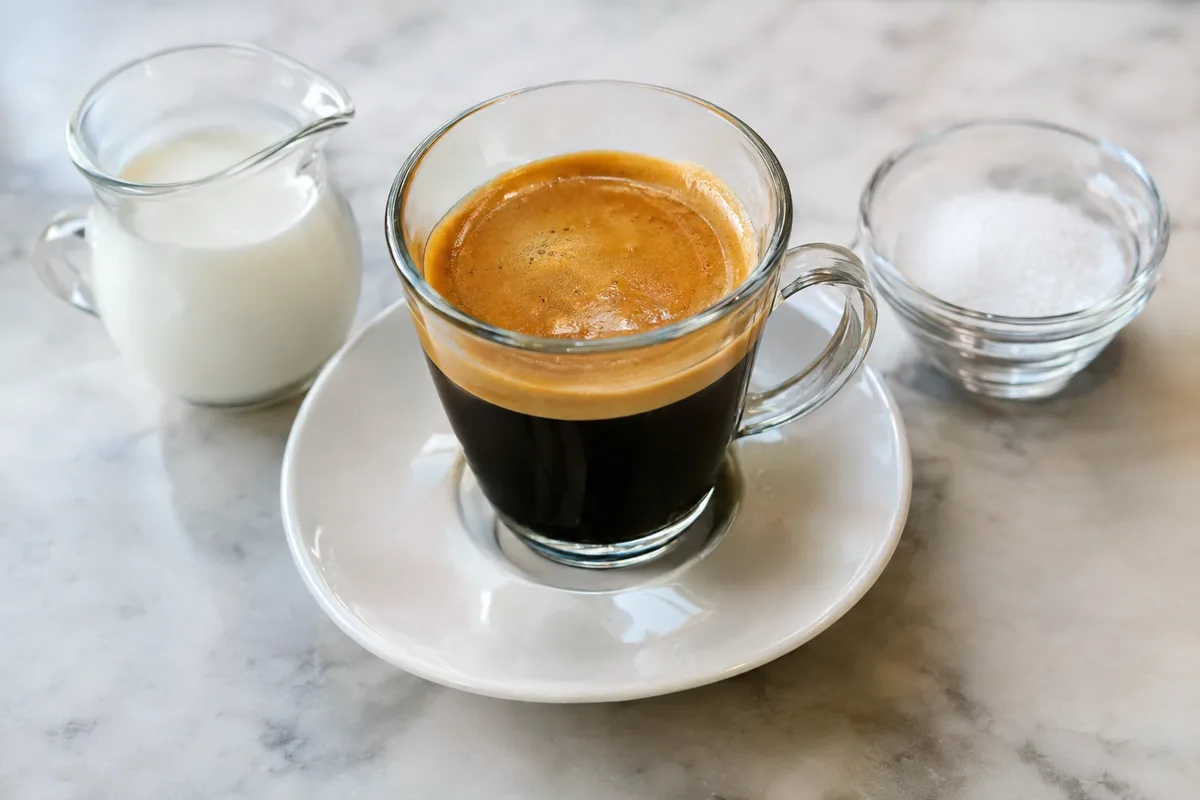
If sleep is affected, try moving your last caffeinated drink earlier and keep the rest of your routine similar. You could also choose a smaller serving, half-caffeinated coffee or decaffeinated espresso later on. Decaffeinated coffee can still contain some caffeine, so it may be worth tracking if you are particularly sensitive.
Avoid changing several habits at once when you are testing a pattern. A small, consistent adjustment makes the result easier to understand. The right cut-off time depends on your response and daily schedule.
- Log the time of your final caffeinated drink.
- Add a brief note about how easily you settled at night.
- Try an earlier final serving for several days.
- Compare regular, half-caffeinated and decaffeinated options.
What you add changes the nutrition
Plain espresso contributes very little energy compared with drinks made with generous amounts of milk, cream, sugar or flavoured syrup. The exact total depends on the ingredients and portions. If you track energy or nutrients, log the additions separately rather than recording every espresso drink as identical.
Milk can add protein and other nutrients, while sugar and syrups mainly change sweetness and carbohydrate content. That does not make an espresso drink automatically good or bad. It simply means the complete drink matters more than the coffee base alone.
Recipes can vary considerably between cafés and homemade versions. When details are unavailable, choose the closest entry in your tracker and note the serving size. Consistency in how you estimate is often more useful than chasing false precision.
- Log espresso, milk and sweeteners as separate ingredients when possible.
- Measure home additions occasionally to check your usual pour.
- Choose the closest recipe when exact information is unavailable.
- Remember that toppings and syrups are part of the drink.
A practical answer for your food log
Espresso is not inherently bad for you. The more useful questions are how much caffeine you get overall, when you drink it, what you add and how your body responds. Your food log can capture all four without turning coffee into a pass-or-fail choice.
Start with your normal routine rather than changing it immediately. Record espresso servings, approximate caffeine where known, additions, timing and any noticeable effects. After several typical days, review the pattern and make one adjustment only if there is a clear reason.
You may find that your current habit fits comfortably, or that an earlier, smaller or less caffeinated drink works better. There is no single ideal number for everyone. Personal tolerance, preparation method and the rest of your diet all influence the answer.
- Serving and preparation method
- Estimated caffeine, when available
- Milk, sugar, syrup or cream
- Time of day
- Sleep and other noticeable effects