
Is Hominy a Good Choice for Your Diet?
Hominy can be a nutritious part of a varied diet, particularly when paired with protein and vegetables. How well it fits your goals depends on the portion, preparation and other ingredients.
What hominy actually is
Hominy is made from dried maize kernels soaked and cooked in an alkaline solution, often using lime. This process, called nixtamalisation, softens the kernels, removes their outer layer and gives hominy its distinctive texture and flavour.
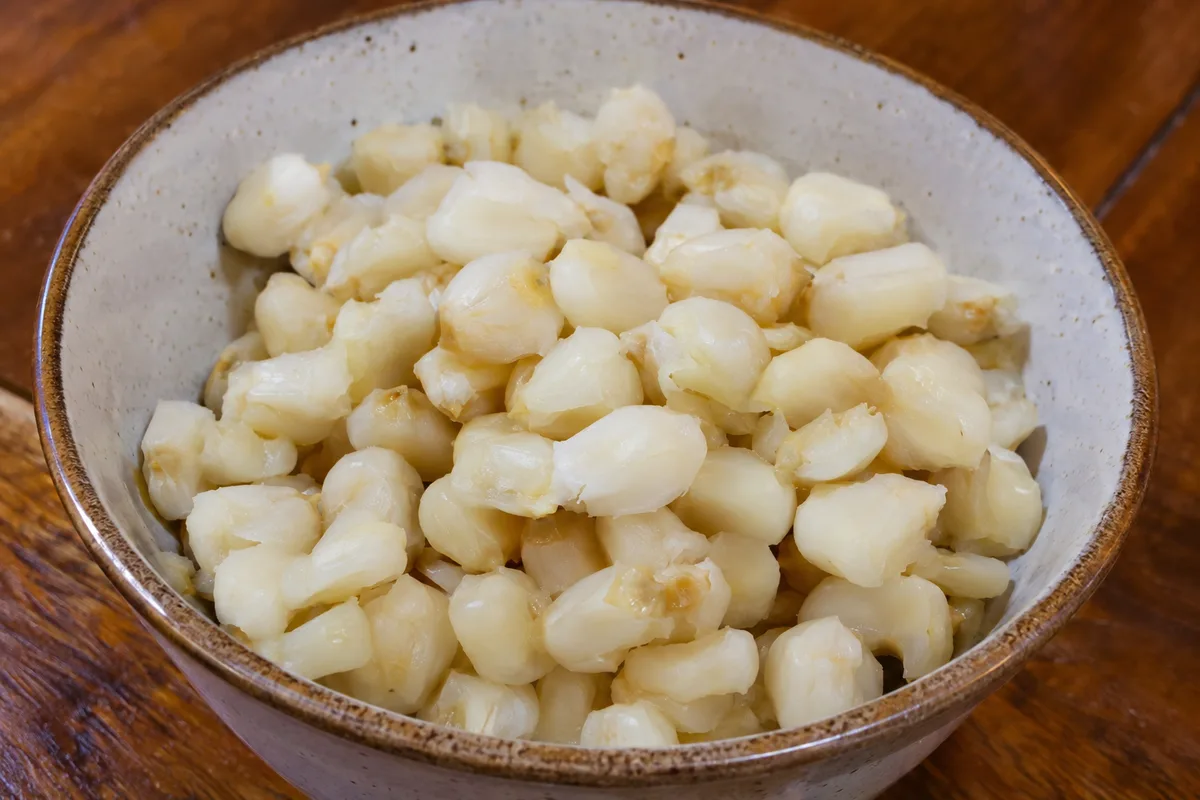
You may find hominy dried, ready-cooked in tins, or ground into ingredients used for doughs and porridges. It is mainly a source of carbohydrate, so it can fill a similar place on your plate to rice, potatoes or other grains.
What it adds to your food log
Hominy supplies carbohydrate for energy, along with some fibre and a modest amount of protein. It also contains several vitamins and minerals, although the exact amounts vary with the maize, processing method and whether it has been enriched.
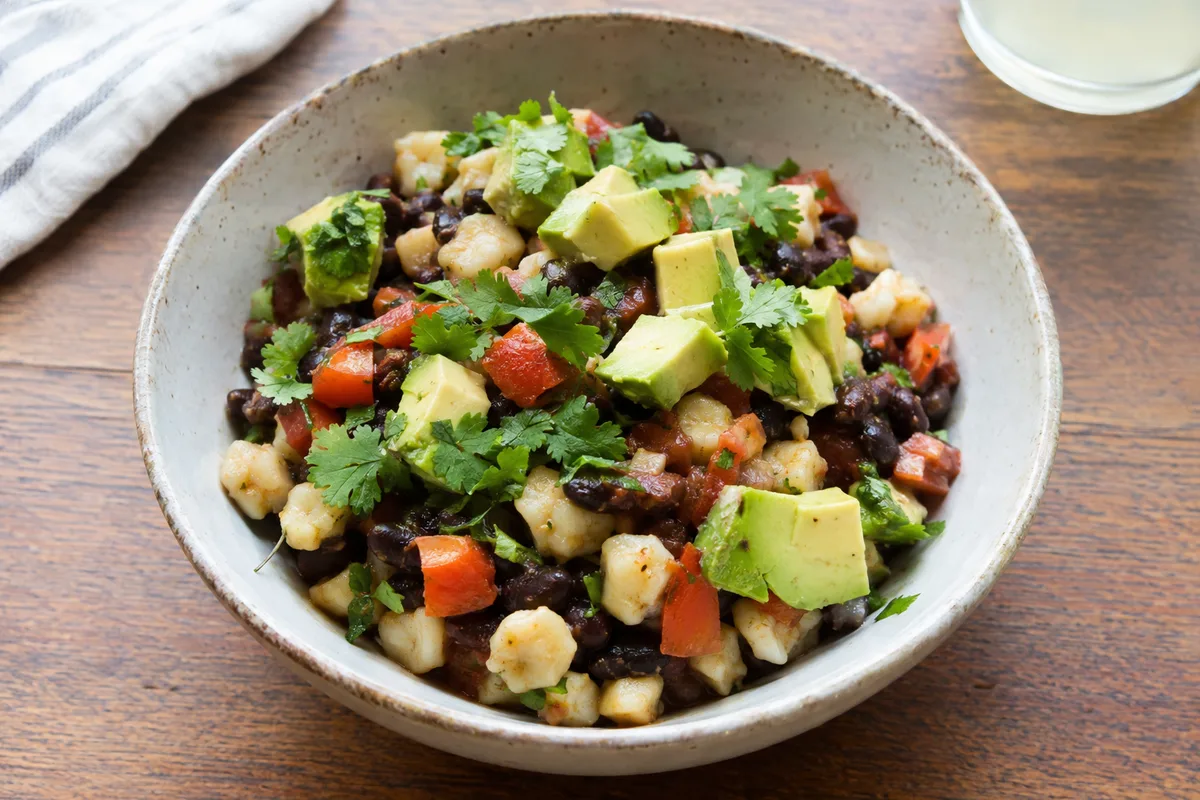
Nixtamalisation makes some nutrients in maize easier for the body to use and may add calcium when lime is used. When tracking, use the label or database entry that matches the form you ate, because dried, drained and cooked weights are not interchangeable.
Portions and preparation matter
Hominy on its own is fairly plain, but a finished dish may contain added fats, salty stock, cheese or rich sauces. These additions can change the energy, fat and salt totals more than the hominy itself, so log the full recipe rather than only the maize.
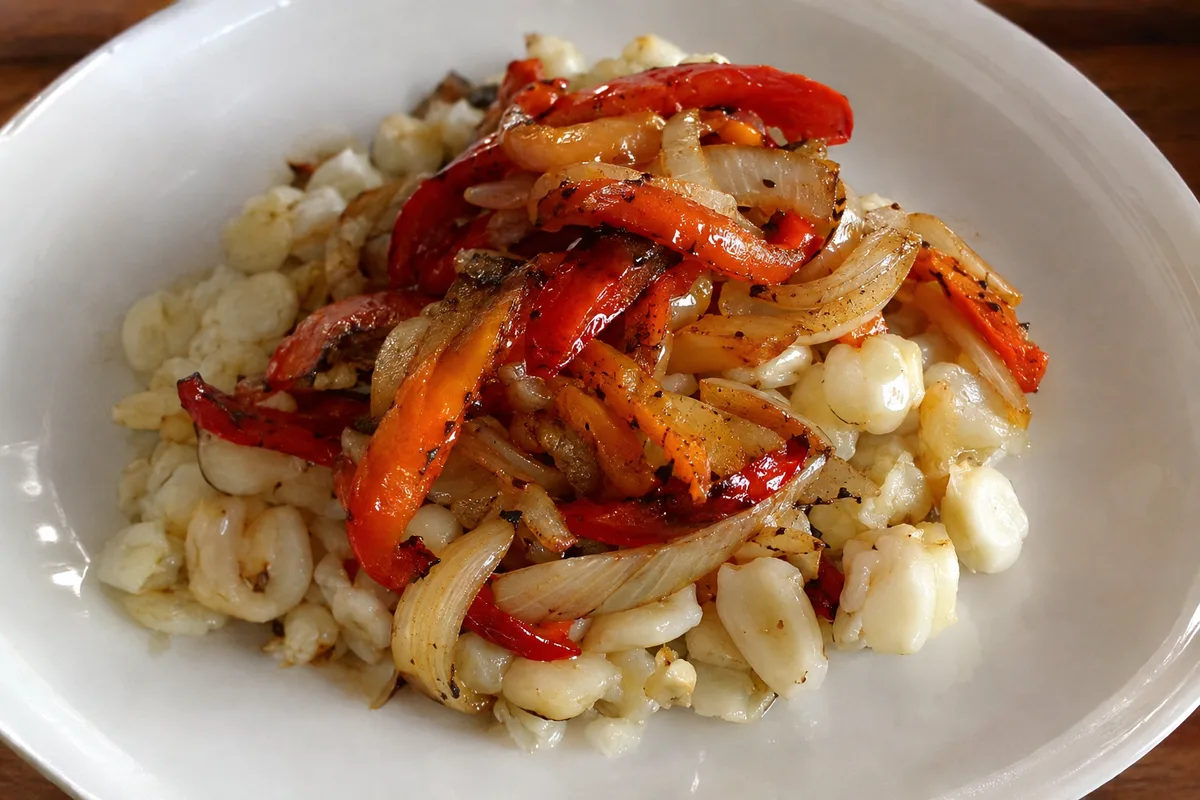
Tinned hominy can be convenient, although its salt content differs between brands. Draining and rinsing it may remove some surface salt, while the label remains the best starting point for your tracking.
How to build a balanced meal
Treat hominy as the starchy part of a meal rather than expecting it to provide everything by itself. Pair it with beans, eggs, fish, poultry or another protein source, then add vegetables for more fibre, colour and variety.
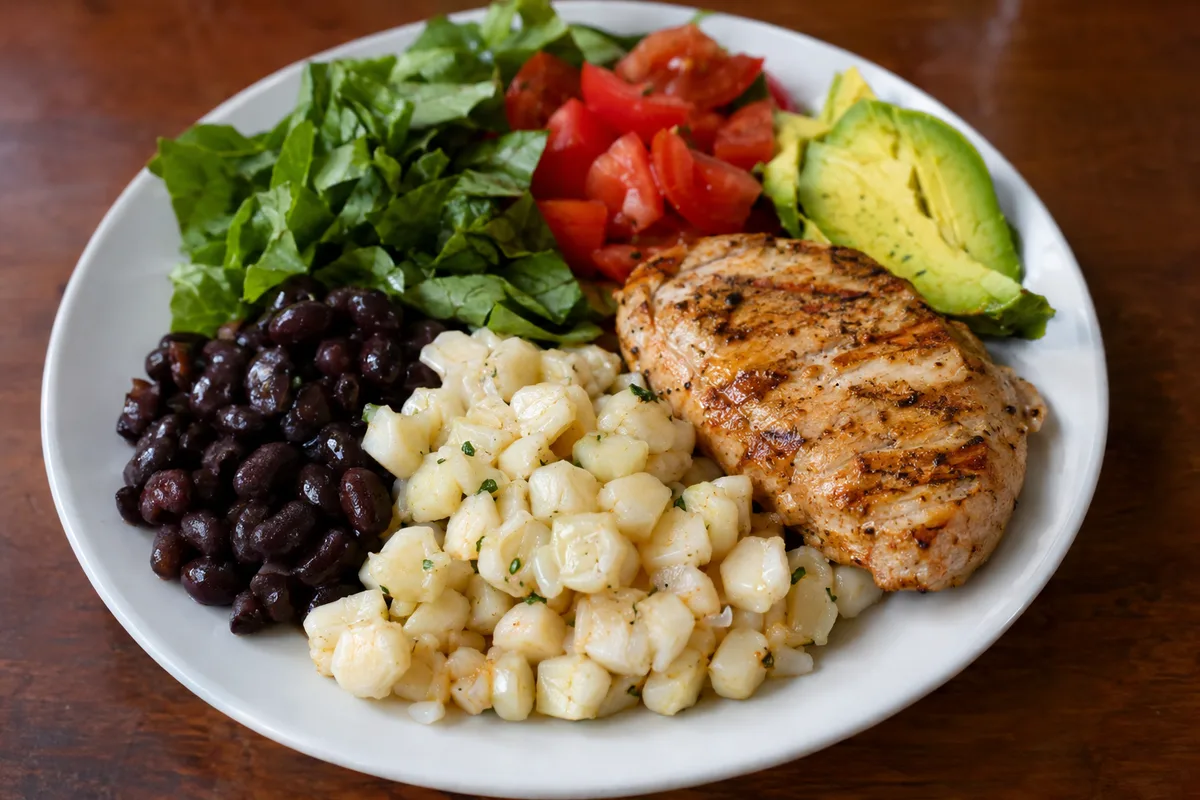
Whether hominy is good for you depends on your overall eating pattern and goals, not on a single ingredient. Compare your usual portion with the rest of the plate and adjust it according to your appetite, activity and daily targets, as the right amount depends on the person.