
Can You Take Vitamins After Their Expiry Date?
An expiry date does not usually mean a vitamin suddenly becomes harmful, but its quality and strength may no longer be guaranteed. Here is how to check an expired supplement, decide what to do and keep future supplies in better condition.
What the expiry date actually means
The expiry date marks the period during which the manufacturer guarantees the product will meet its stated quality and strength when stored as directed. After that date, some ingredients may gradually break down. This means an expired vitamin might provide less than the amount shown on its label.
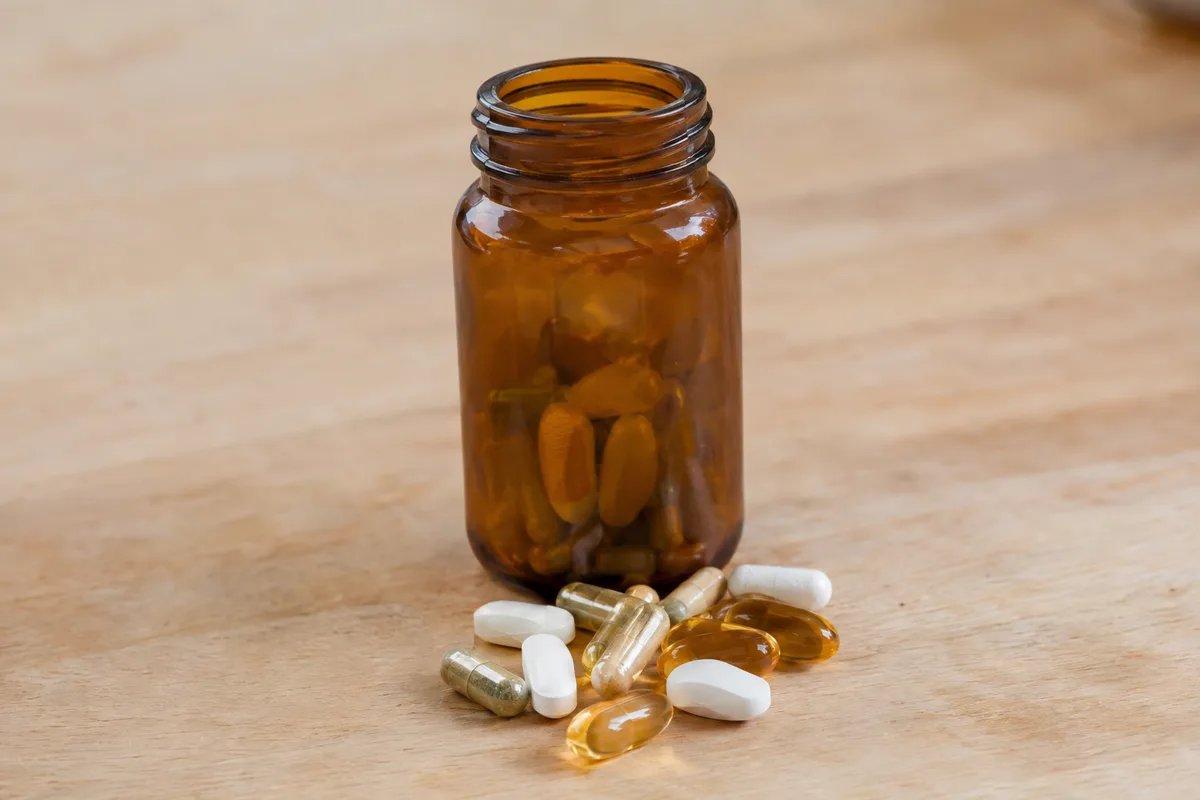
Passing the date does not automatically turn a vitamin into something unsafe. However, you cannot judge its remaining strength just by looking at it. The type of vitamin, its form, the packaging and its storage conditions all affect how well it lasts.
- Check whether the label says expiry date, use by or best before
- Read the storage directions as well as the date
- Treat the labelled nutrient amount as uncertain once the date has passed
Storage can matter as much as time
Heat, light, air and moisture can speed up changes in supplements. A bottle kept sealed in a cool, dry cupboard is likely to remain in better condition than one stored beside a cooker or in a steamy bathroom. Frequent opening can also expose the contents to damp air.
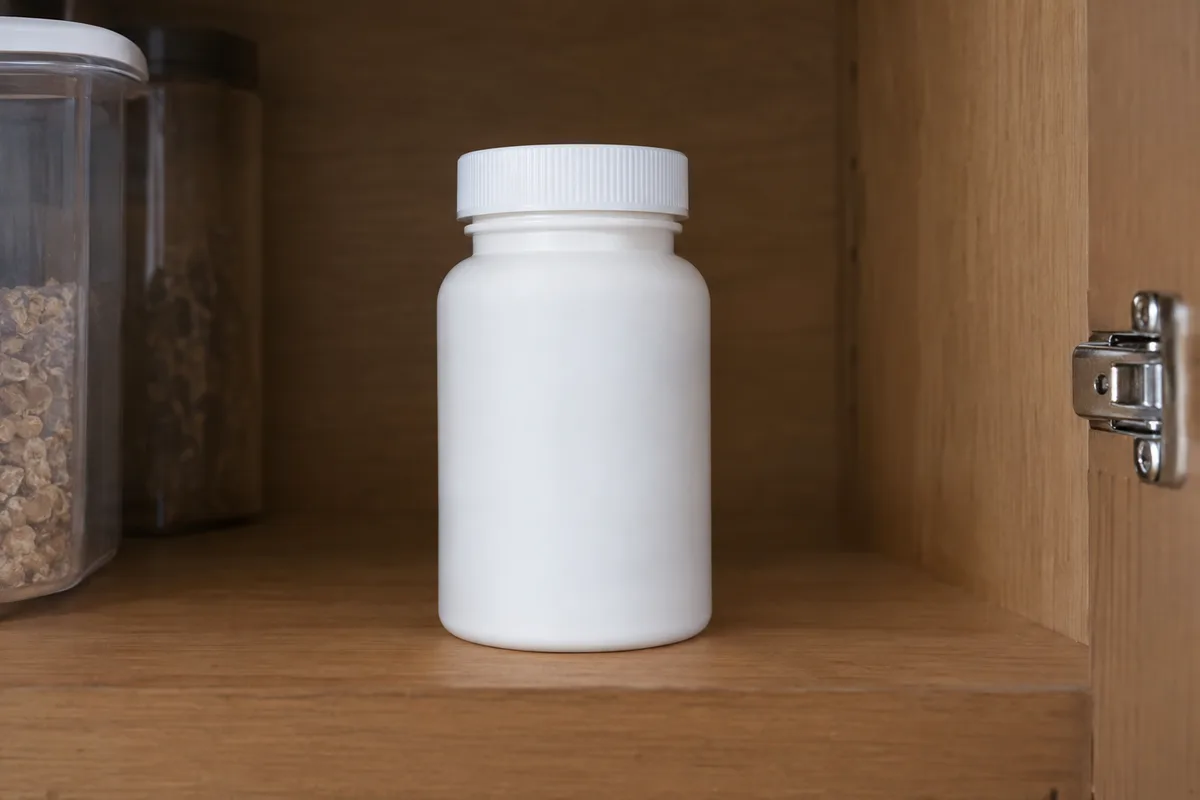
The original packaging is designed to protect the product and keep its label attached. Moving tablets into another container can make it harder to check the date, dosage and ingredients. Keep the lid firmly closed and leave any protective insert in place unless the label says otherwise.
- Store supplements according to the label
- Keep them away from steam, direct sunlight and strong heat
- Use dry hands when taking tablets or capsules from the container
- Keep them out of reach of children
Signs that a vitamin should be discarded
Do not take a supplement that looks, smells or feels different from when it was new. Changes can suggest that moisture, heat or damaged packaging has affected it. The absence of visible changes still does not confirm that an expired product has kept its original strength.
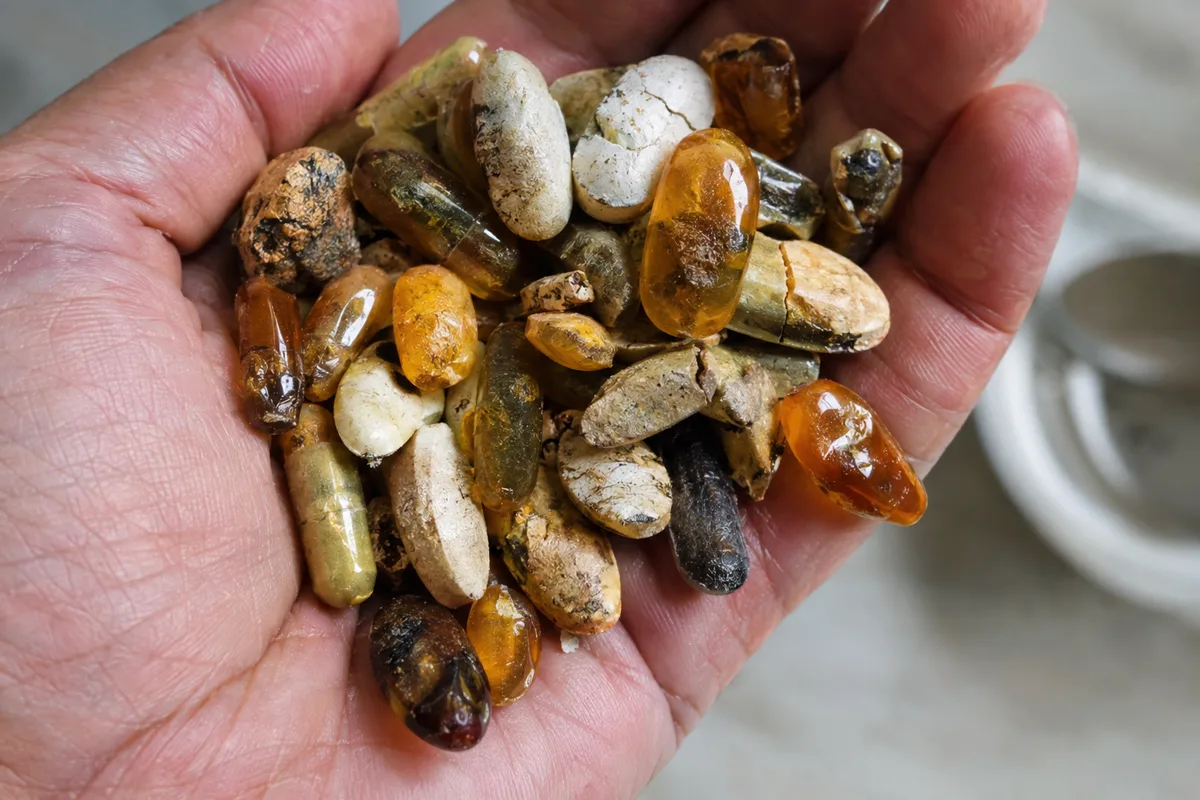
Liquids, gummies and powders can show changes more clearly than dry tablets, but every form needs checking. Broken seals, leaks and damaged containers are reasons to be cautious even before the expiry date. Follow local guidance for disposing of unwanted supplements rather than leaving them where a child or animal could reach them.
- An unusual smell or taste
- Discolouration, spots or visible growth
- Tablets that are soft, crumbling or stuck together
- Gummies that are unusually wet, hard or misshapen
- Cloudy liquids, separation, leaks or a broken seal
When reliable strength is especially important
Replacing an expired vitamin is the more dependable choice when you need a specific amount for a particular reason. This includes supplements recommended during pregnancy, for a restricted diet or after advice from a qualified health professional. Using an old product could mean recording the label amount while actually taking less.

Do not double the serving to make up for possible loss of strength. There is no reliable home method for working out how much of an ingredient remains. If the supplement was recommended for an individual need, ask a pharmacist or another qualified professional whether it should be replaced promptly.
- Keep the original label available when asking for advice
- Mention how far past the date the product is
- Explain where and how it was stored
- Share any changes in appearance, smell or texture
How this fits with food tracking
If you track what you eat, record supplements separately from food. Once a product is expired, the nutrient amounts on its label may no longer be dependable, so logging the full amount could give a misleading picture. Replacing the product or checking with a qualified professional is clearer than trying to estimate the remaining strength.

Food can contribute many of the same vitamins and minerals, although it may not meet every individual need. Your usual eating pattern, portion sizes and reasons for taking a supplement all matter. Use your food log to notice regular gaps, not to assume that one meal or one day tells the whole story.
- Fruit and vegetables in a range of colours
- Beans, lentils, nuts and seeds
- Eggs, fish, meat or suitable alternatives
- Milk, yoghurt or fortified alternatives
- Wholegrain breads, cereals, rice and pasta
A practical approach to expired supplements
Start with the date, then check the packaging, storage history and condition of the contents. If the product is damaged, contaminated-looking or noticeably changed, do not take it. If it simply passed its date, remember that strength and quality are no longer guaranteed.
For future supplies, avoid opening several containers of the same supplement at once. Check dates occasionally and use the older in-date container first. If you accidentally take an expired vitamin and feel unwell, seek advice from an appropriate local health service and keep the packaging available.
- Check the label and seal
- Look for changes in colour, smell and texture
- Consider exposure to heat, light or moisture
- Avoid guessing the remaining strength
- Ask a qualified professional when the amount matters