
How to Choose Juices That Are Lower in Sugar and Carbs
Sugar is one type of carbohydrate, so a juice that is lower in sugar will often be lower in total carbs too. This guide explains which ingredients tend to work best, what to check on labels and how to record juice in your food diary.
What lower-sugar juice really means
Juice contains the water and soluble parts pressed or blended out of fruit or vegetables. Any natural sugars in those ingredients become part of the drink, and they count towards its total carbohydrate. Removing the pulp can also remove much of the fibre that would otherwise slow down how quickly you drink and digest the food.
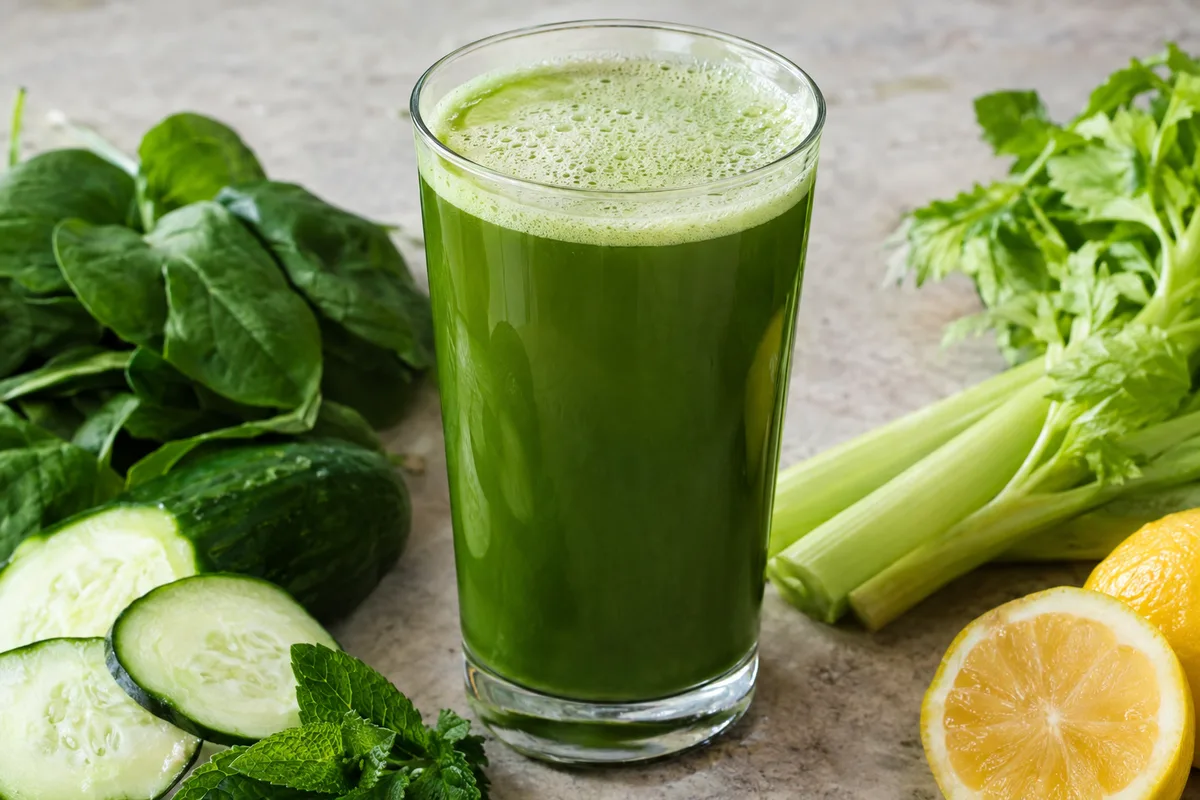
A lower-sugar juice is not necessarily free from sugar or carbs. It simply contains less than the other options you are comparing, and the amount depends on its ingredients and serving size. When tracking, record total carbohydrate as well as sugars if both figures matter to your goals.
- Total carbohydrate includes sugars as well as some other carbohydrates.
- The sugars figure shows the amount of simple sugars within the total carbohydrate.
- Fibre may be listed separately, depending on the label.
- A larger glass usually provides more sugar and carbs than a smaller serving of the same juice.
Start with less sweet vegetables
Juices based mainly on watery, less sweet vegetables generally contain fewer sugar carbs than juices made mainly from sweet fruit. Cucumber, celery, leafy greens and tomato can form the base of a fresh-tasting drink. Herbs, ginger and a squeeze of citrus can add flavour without making fruit the main ingredient.
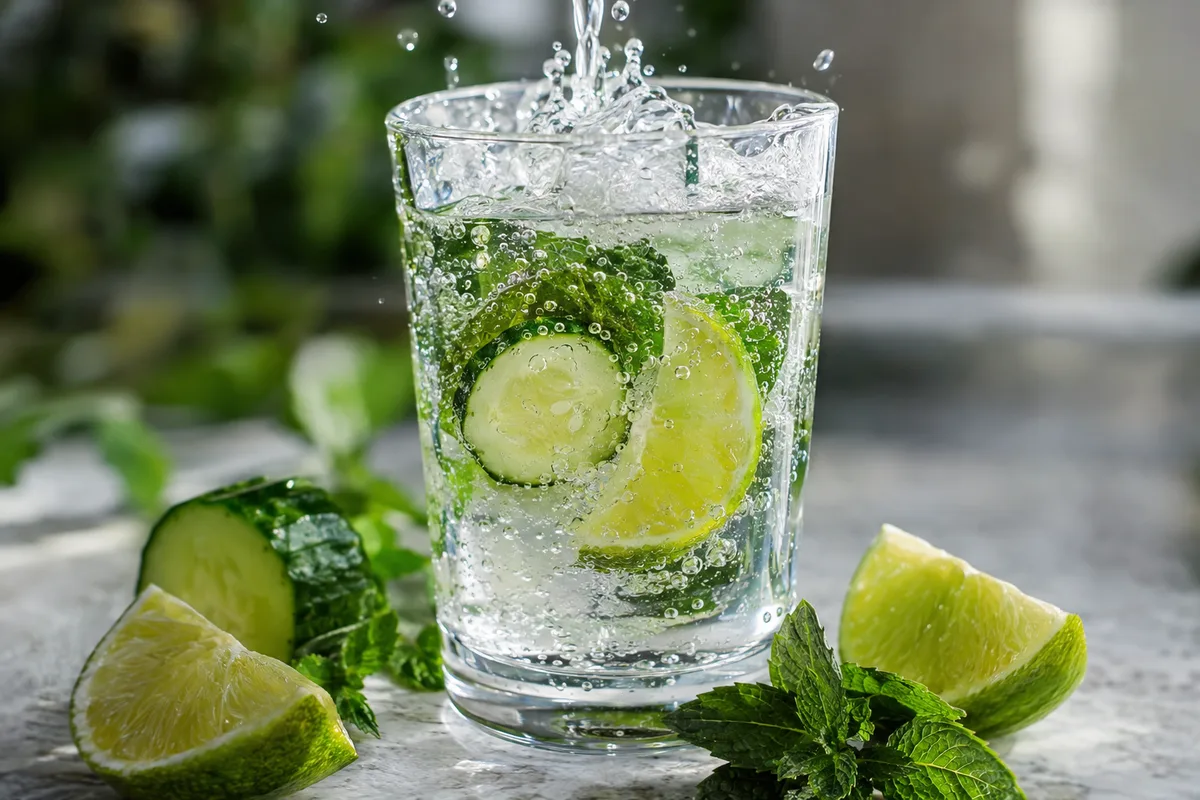
Not every vegetable juice is equally low in sugar. Carrot and beetroot taste sweeter and can raise the carbohydrate total when they make up a large share of the drink. They can still be included, but tracking the full recipe gives a clearer result than assuming all vegetable juices are alike.
- Cucumber with celery, mint and lemon
- Tomato with celery, parsley and black pepper
- Cucumber with spinach, lime and ginger
- Leafy greens with cucumber and fresh herbs
Use fruit for flavour rather than the whole base
Most fruit juices are naturally rich in sugar because several pieces of fruit can contribute to one easy-to-drink serving. Apple, grape, mango and pineapple juices are often sweeter choices, even when no sugar has been added. The words natural sugar do not stop that sugar from counting as carbohydrate.
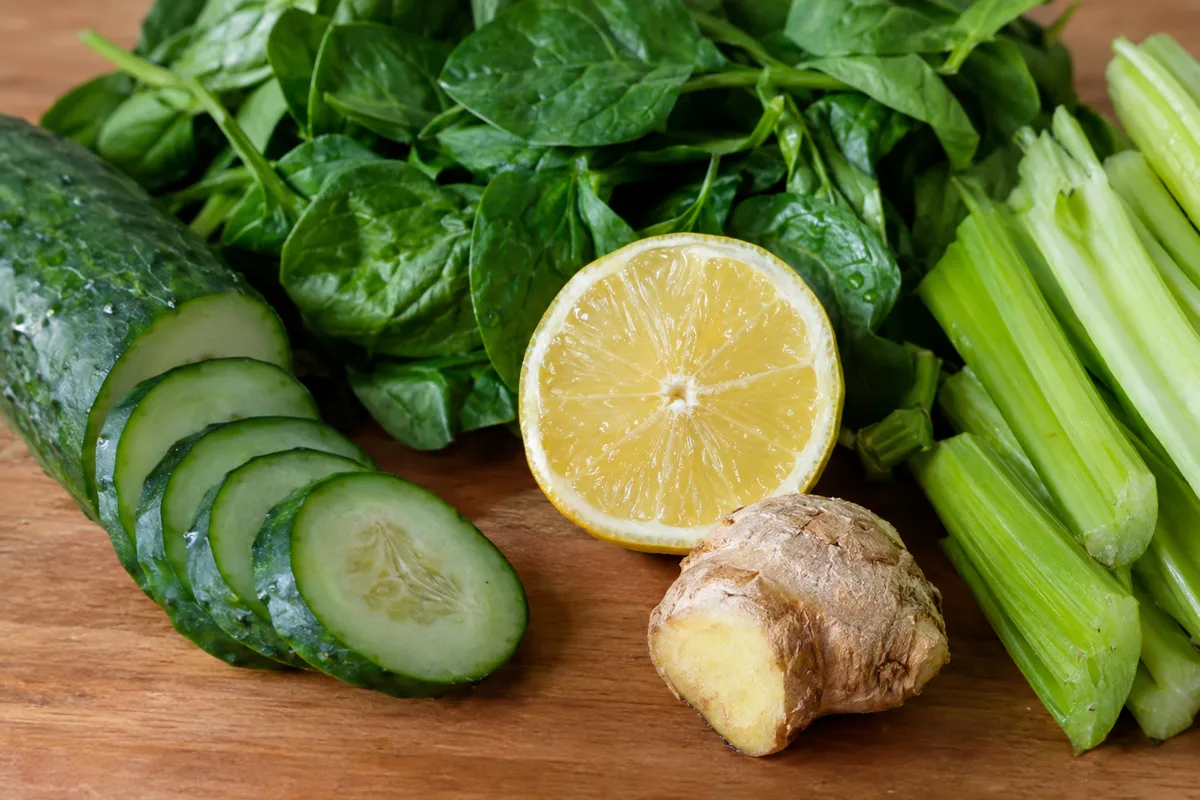
For a fruit flavour with fewer sugar carbs, use a small amount of lemon, lime or another tart fruit alongside lower-sugar vegetables. Diluting juice with still or sparkling water also lowers the sugar in the finished glass, provided the amount of juice is measured. It does not change the sugar in the original juice itself.
- Add a squeeze of lemon to cucumber juice.
- Mix a measured portion of juice with plain sparkling water.
- Use a little lime with tomato or leafy greens.
- Add fresh mint, basil or ginger for flavour instead of more fruit.
Compare labels on the same basis
Packaged drinks with similar names can have very different ingredients. A product described as juice may differ from a juice drink, blend or smoothie, so check the ingredient list rather than relying on the picture or front label. Ingredients are normally shown in order of amount, with the largest contribution first.
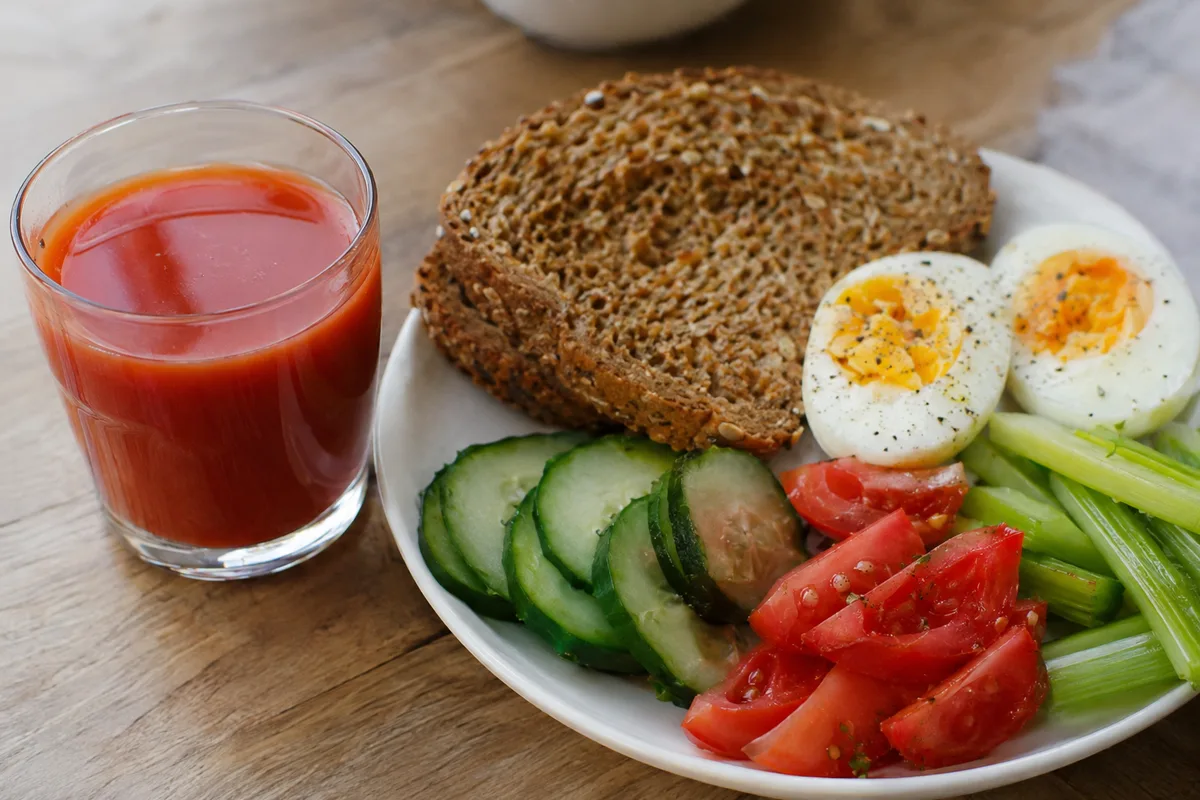
Compare the carbohydrate and sugars figures using the same reference amount on each label. Then calculate what is in the portion you actually pour, because the suggested serving may not match your glass. Also look for added sugar, syrups or concentrated fruit ingredients, while remembering that no added sugar does not mean no sugar.
- Check total carbohydrate, not only the sugars line.
- Compare drinks using the same labelled volume.
- Read the ingredients in order.
- Notice whether fruit concentrates or added sweeteners are present.
- Log the amount poured rather than assuming one glass equals one serving.
Track homemade juice ingredient by ingredient
Homemade juice can be harder to log because its carbohydrate content changes with the recipe and the amount of liquid produced. Record each fruit and vegetable before juicing, then divide the recipe by the number of portions poured. If some juice is left behind, note how much you actually drank.
A saved recipe makes repeat drinks easier to track, but update it when the ingredients or proportions change. A cucumber-heavy drink with a little citrus will not match one made with equal amounts of cucumber and apple. Straining out more pulp may also reduce fibre, even though the sugars from the ingredients remain in the liquid.
- List every fruit and vegetable used.
- Include sweetened additions if any are used.
- Record the final number of portions.
- Measure the portion you drink.
- Save the recipe only when you are likely to repeat it accurately.
Keep juice in context
A lower-sugar juice can fit into a tracked day, but it does not have to replace water or whole vegetables. Whole fruit and vegetables usually retain more fibre and require more chewing, which can make them feel different from drinking their juice. Juice is best logged as a drink or recipe rather than treated as a free food.
The most useful option is the one that suits your usual meals, preferred flavours and carbohydrate target. A tart vegetable-based juice may work on its own, while a small measured serving of fruit juice may suit another occasion. There is no single ideal portion because the right amount depends on the person and the rest of their food intake.
- Use water as the main way to quench thirst.
- Count juice within the meal or snack where you drink it.
- Pair a small serving with foods that provide fibre and protein.
- Choose a portion that fits the totals you are already tracking.