
Calories, Carbs and Sugar in Alcohol: A Quick Reference Guide
Alcohol can contain calories even when it has little or no carbohydrate or sugar. This guide explains the main drink types, the effect of mixers and what to check when tracking your intake.
Why the numbers do not always match
Calories, carbohydrates and sugar measure different things. Sugar is one type of carbohydrate, while alcohol itself is another source of energy. This means a drink can be low in sugar and carbohydrate but still contribute a noticeable amount of energy.
Alcohol provides about 7 kcal per gram. For comparison, carbohydrate provides about 4 kcal per gram and fat provides about 9 kcal per gram. The total calories in a drink can therefore come from alcohol, carbohydrate or both.
The exact figures depend on the alcohol strength, serving size, recipe and production method. A larger or stronger drink will usually contain more alcohol and therefore more calories. Added syrups, juices, soft drinks and cream can increase carbohydrate, sugar and total energy further.
- Calories include energy from alcohol as well as carbohydrate, fat and protein.
- Total carbohydrate includes sugars and any other carbohydrates present.
- Sugar may be naturally present, left after fermentation or added later.
- Alcohol strength and serving size affect the final calorie total.
Beer, lager and stout
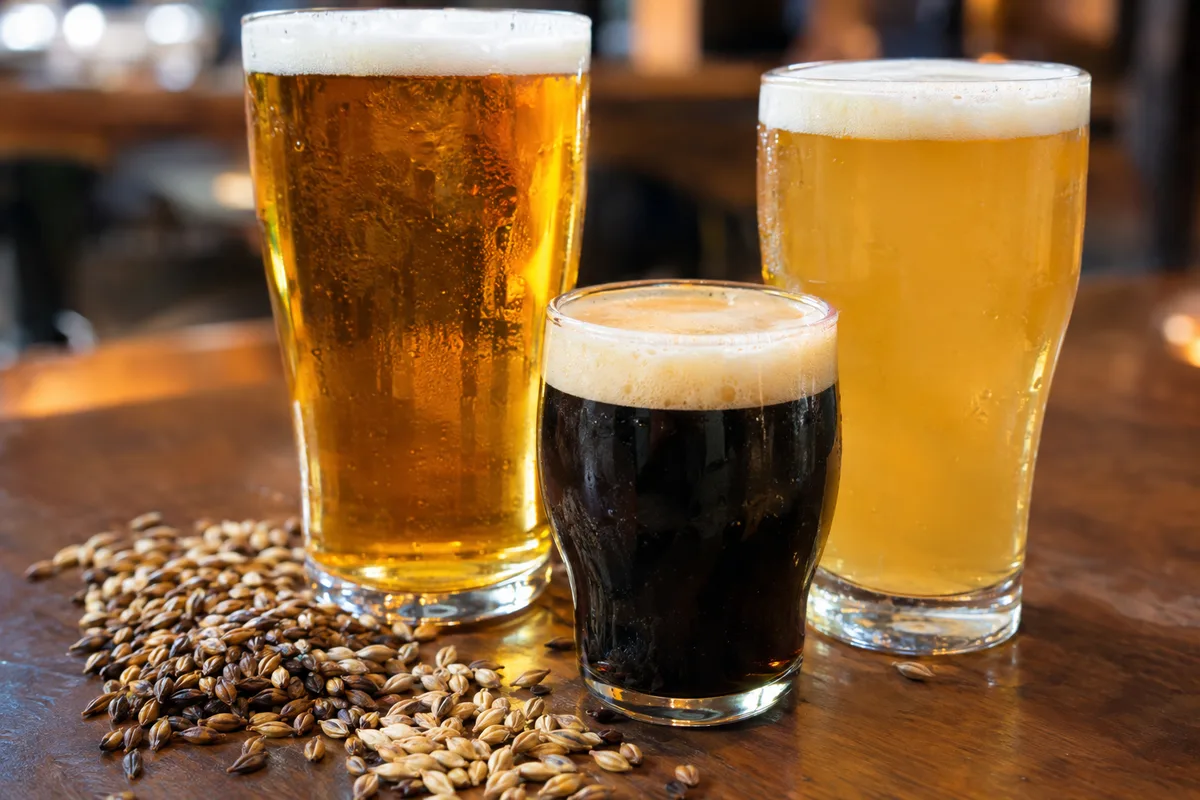
Beer, lager and stout usually contain carbohydrate left from the grains used in brewing. Fermentation turns some of the grain sugars into alcohol, but the amount remaining differs between drinks. Colour alone does not reliably show how many calories, carbs or sugars a beer contains.

Both alcohol strength and residual carbohydrate contribute to the calorie total. A lower-alcohol beer may contain less energy from alcohol, but its carbohydrate content still depends on the recipe. Alcohol-free versions can also vary because some retain more carbohydrate or have sugar added for flavour.
When logging beer, match the exact style, strength and serving volume where possible. Avoid assuming that every pint, bottle or can has the same values. If reliable product information is unavailable, choose the closest clearly identified entry and treat it as an estimate.
- Dry, highly fermented beers may retain less carbohydrate than sweeter styles.
- Strong beers generally provide more energy from alcohol.
- Fruit beers and flavoured beers may contain added sugar or juice.
- Serving volumes can differ between draught drinks, bottles and cans.
Wine, sparkling wine and fortified wine
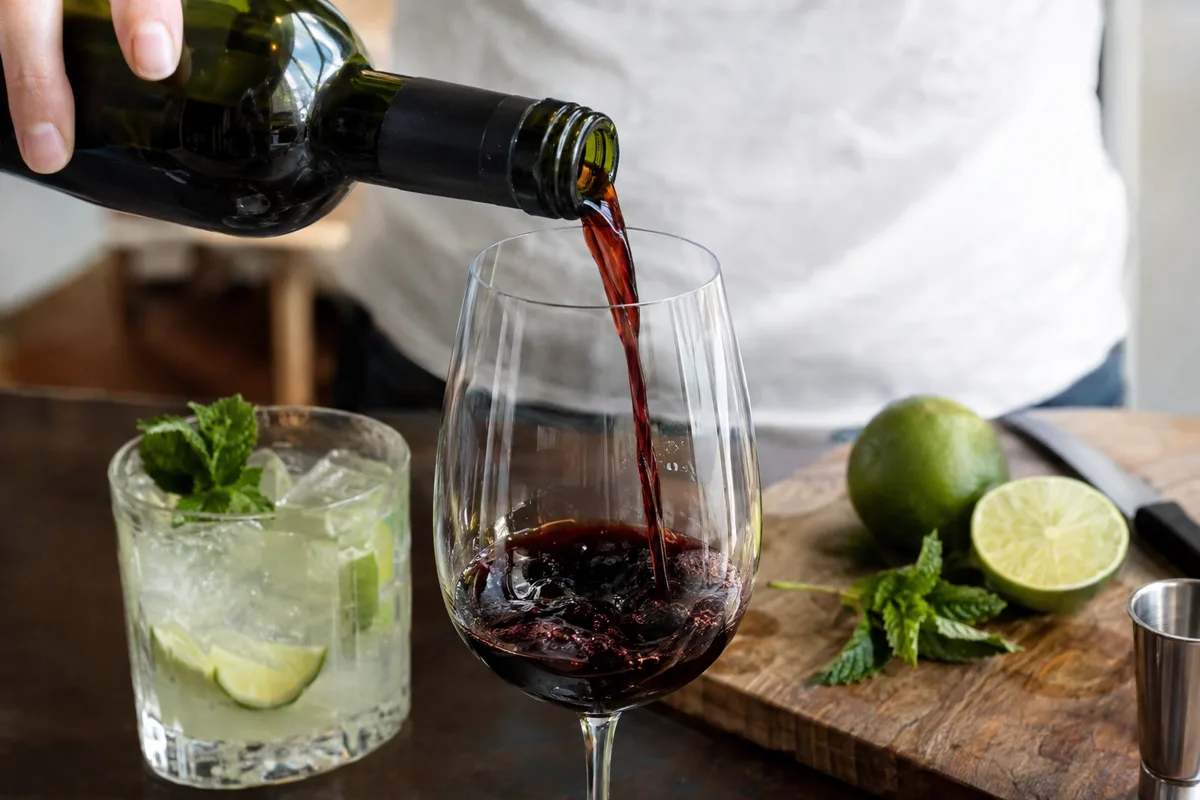
Wine contains calories from alcohol and may also contain residual sugar. Dry wine usually has less residual sugar than medium or sweet wine, but dry does not mean calorie-free. Alcohol strength and pour size can have a greater effect on total calories than sweetness alone.
Sparkling wine follows the same basic pattern. Terms that describe sweetness can help, although the exact sugar content still varies by producer. Fortified wine generally has a higher alcohol strength and may also be sweet, so both sources of energy matter.
For a useful log, record the style, alcohol strength and amount poured. A home pour may not match the serving size attached to a database entry. When the bottle provides nutrition information, use that rather than relying only on a general wine category.
- Dry wine: usually less residual sugar, with calories still coming from alcohol.
- Medium or off-dry wine: typically more residual sugar than dry wine.
- Sweet wine: more of its calories may come from sugar as well as alcohol.
- Fortified wine: often stronger, and some styles also contain substantial residual sugar.
Spirits and liqueurs
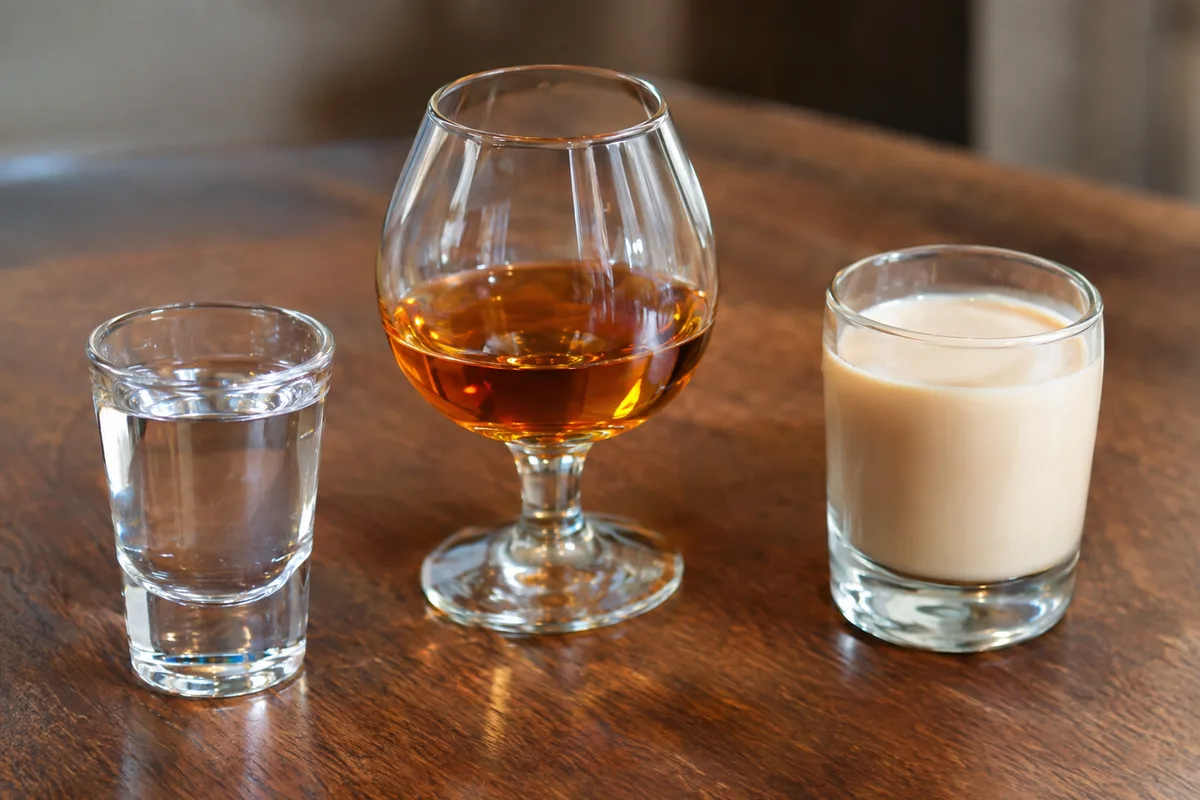
Plain distilled spirits generally contain little or no carbohydrate or sugar before anything is added. They still contain calories because alcohol itself provides energy. A stronger measure or a larger pour increases the amount of alcohol being consumed.
Liqueurs are different because sugar and flavourings are commonly added after distillation. Flavoured spirits can also contain sugar, although the amount varies widely. A sweet taste is a useful clue, but it is not accurate enough for detailed tracking.
Check whether your log refers to the spirit alone or to a mixed serve. A database entry for a plain spirit should not be used for a liqueur or a ready-mixed drink. If no nutrition information is available, note that the result is an estimate rather than entering zero sugar automatically.
- Plain spirit: calories mainly come from alcohol.
- Liqueur: calories may come from both alcohol and added sugar.
- Flavoured spirit: sugar content depends on the recipe.
- Cream-based liqueur: may contain alcohol, sugar, carbohydrate and fat.
Cocktails, mixers and ready-mixed drinks
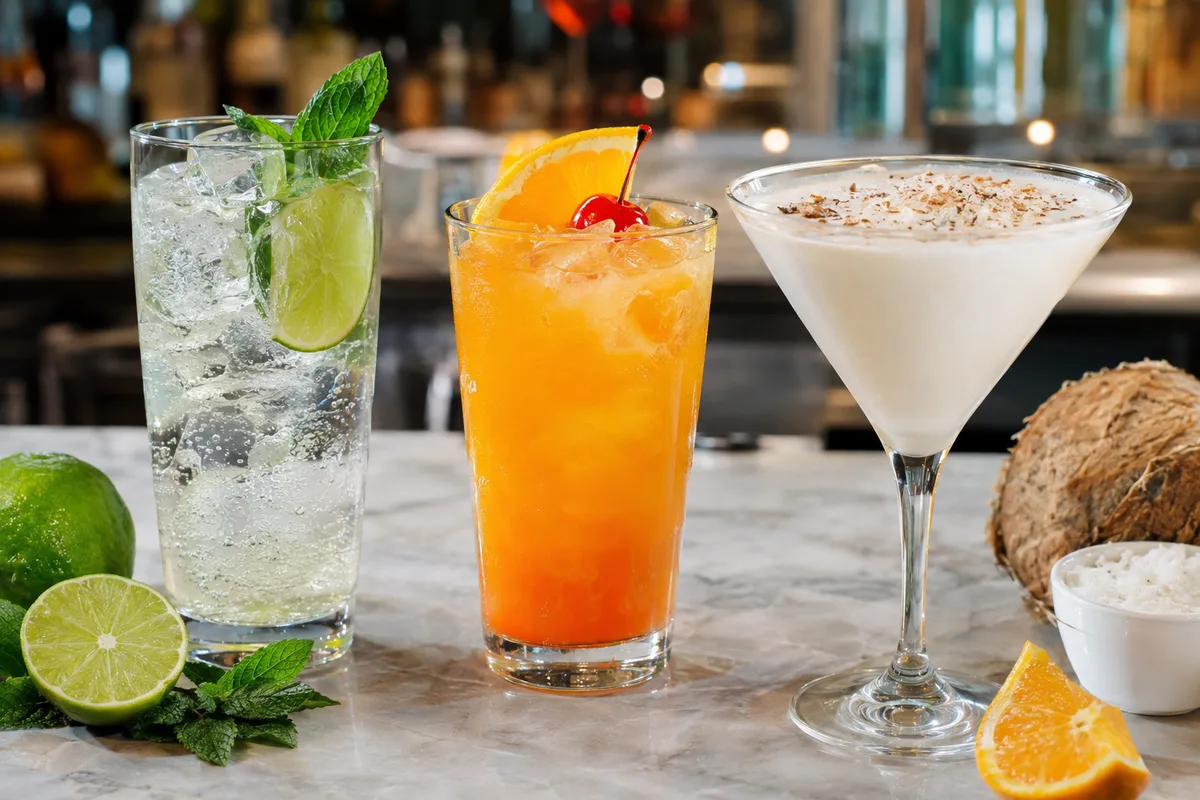
Mixed drinks are often harder to track because each ingredient changes the total. Juice, regular soft drinks, tonic water, syrups and sweetened purées can add carbohydrate and sugar. Cream, coconut-based ingredients and similar additions can contribute fat as well.
Two drinks with the same name may have different recipes and serving sizes. One may contain a single spirit with a mixer, while another includes several alcoholic ingredients and added syrup. Bar and home-made versions can therefore differ considerably.
Log each ingredient separately when you know the recipe. For a prepared can or bottle, use its own nutrition panel and check whether the values refer to a serving or the full container. For a drink made for you, record a reasonable estimate based on the ingredients you can identify.
- Spirit with soda water: mainly calories from the spirit.
- Spirit with regular soft drink or tonic: alcohol plus added carbohydrate and sugar.
- Juice-based cocktail: alcohol plus naturally occurring and possibly added sugar.
- Creamy cocktail: alcohol, sugar and potentially fat.
- Ready-mixed drink: use the product-specific serving and nutrition information.
A simple way to log alcohol
Start with the exact drink and the amount served. Next, check the alcohol strength and whether the drink contains carbohydrate-rich additions. These details are more dependable than judging by colour, taste or the name of the drink alone.
Use the label, producer information or a verified database entry when available. Make sure the serving unit in your tracker matches what you actually drank. If you only know part of the recipe, log those ingredients and mark the result as approximate.
Consistency is more useful than trying to make an uncertain entry look exact. Save accurate entries for drinks you have regularly, and review generic entries before reusing them. Remember that zero sugar does not mean zero calories, and low carbohydrate does not mean low alcohol.
- Identify the drink type and brand-free product description.
- Record the actual serving volume.
- Check the alcohol strength.
- Include mixers, syrups, juice, cream and garnishes that add meaningful energy.
- Use product-specific information where possible and label estimates clearly.