
Can Swimming Burn Belly Fat? Try Front Crawl Intervals
This guide explains why front crawl intervals are a practical swimming exercise for raising effort and supporting overall fat loss. It also shows how to structure a session, track it alongside your food and progress safely.
Why swimming cannot target belly fat
Swimming uses energy and can contribute to the gap between the energy you eat and the energy you use. Over time, that gap may lead your body to draw on stored fat. However, you cannot choose whether that fat comes from your stomach, hips or somewhere else.
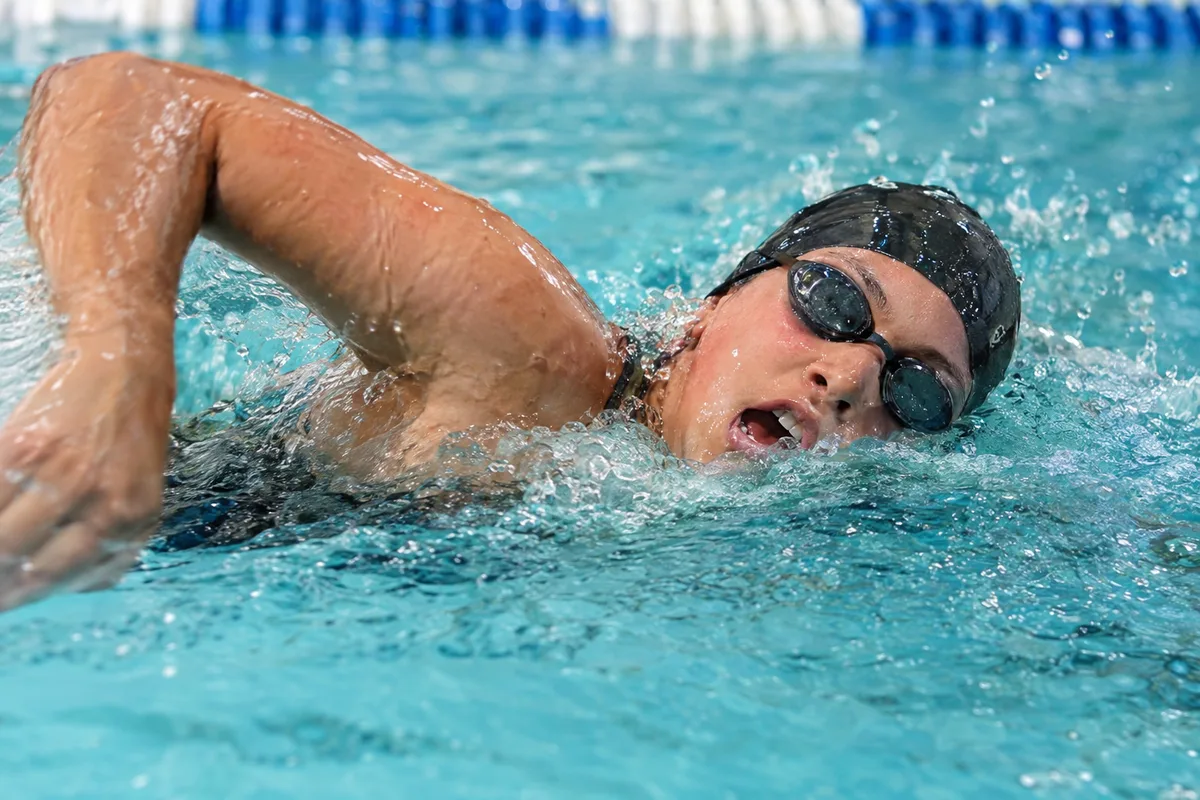
Your waist may change as part of overall fat loss, but the pattern and pace depend on the person. Harder stomach exercises do not force the body to burn fat directly above the working muscles. Swimming is useful because it works much of the body at once and can be repeated regularly.
- Think in terms of overall fat loss rather than spot reduction
- Use swimming alongside food tracking, not as a way to cancel out meals
- Judge progress over time rather than after one session
The exercise: front crawl intervals
Front crawl intervals alternate purposeful swimming with easier recovery lengths. The stronger lengths raise your breathing rate, while the easier lengths let you regain control without stopping completely. This makes the session adjustable to your current swimming ability.
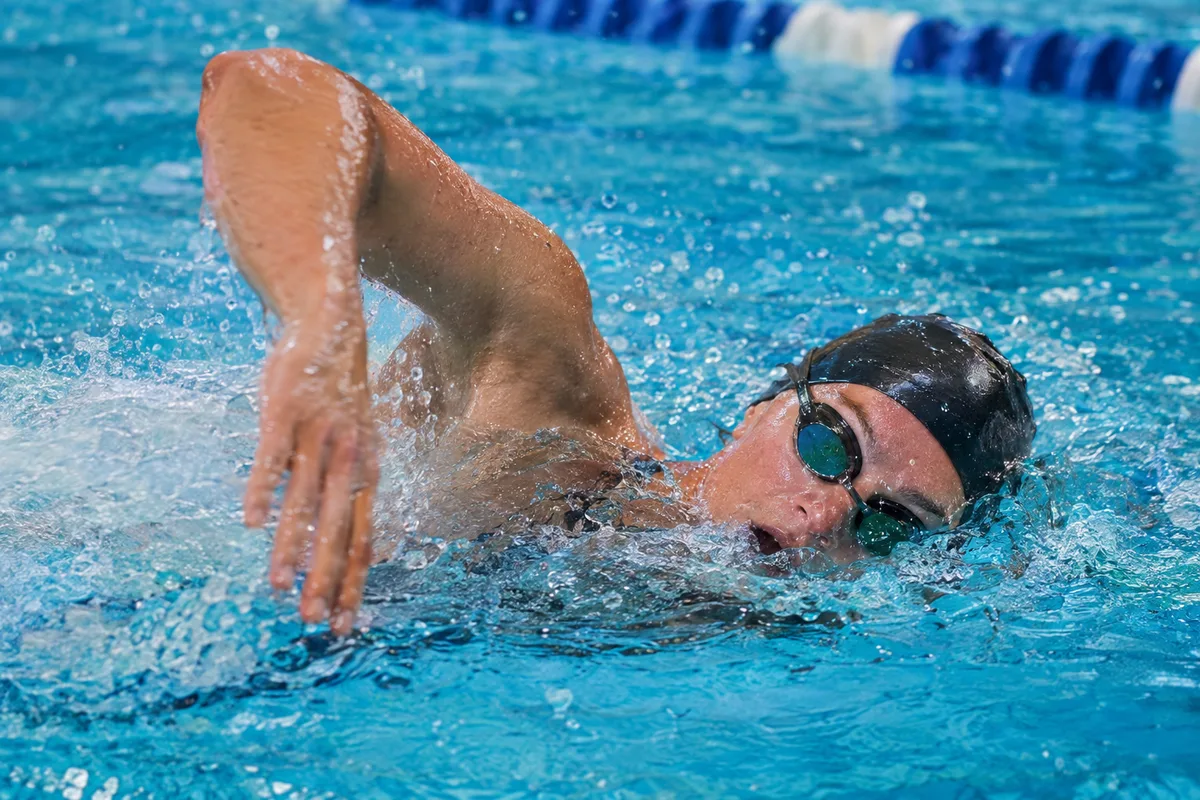
During front crawl, keep your body long and look mostly down rather than forwards. Turn your head to breathe instead of lifting it, and breathe out gently while your face is in the water. Use a steady kick and relaxed arm recovery so that effort does not turn into rushed technique.
- Strong length: swim briskly while keeping your stroke controlled
- Recovery length: slow down until your breathing settles
- Repeat: continue while your technique remains tidy
- Cool down: finish with comfortable, easy swimming
How to build your interval session
Begin with easy swimming so your shoulders, legs and breathing can settle into the movement. Then move between stronger and easier lengths, choosing a pattern that you can repeat without losing control. The number of lengths and the length of the session depend on your ability, pool size and current fitness.
The stronger effort should feel challenging but not frantic. If your stroke becomes shortened, your breathing feels disorganised or you cannot maintain direction, switch to easy swimming. Consistent, controlled work is more useful than making the first few lengths so hard that the rest of the session falls apart.
- Start with relaxed lengths at an easy pace
- Alternate brisk front crawl with easy recovery swimming
- Take additional rest at the wall when needed
- End the main set before technique breaks down
- Swim gently before leaving the pool
Fit swimming into the food you already track
Because you already record what you eat, use that information to look for patterns around swimming days. Notice whether sessions leave you hungrier later and whether that changes portions, snacks or drinks. Exercise can support an energy gap, but extra food after swimming can narrow it without being obvious.
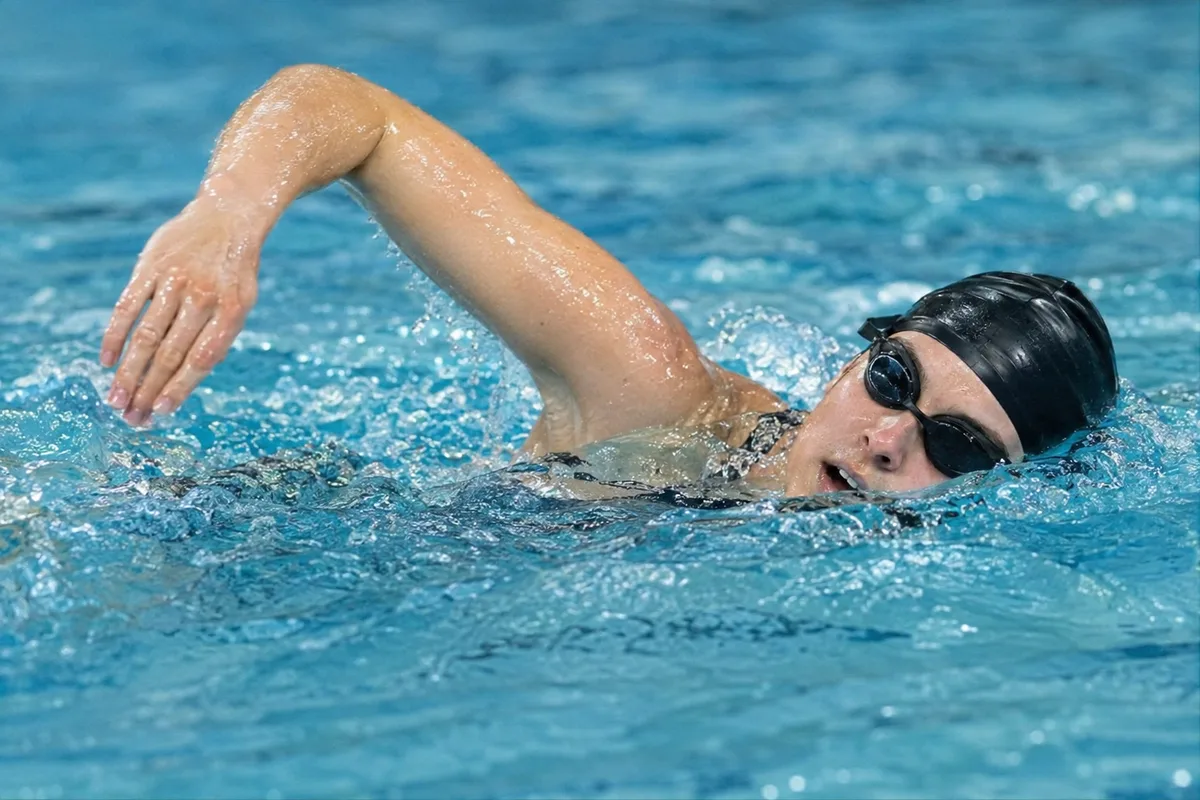
Pool machines, watches and tracking apps can only estimate exercise energy use. Treat any figure as a rough guide rather than an exact allowance to eat back. It is often more helpful to log the session type, effort and duration consistently, then compare those notes with longer-term changes.
- Record front crawl intervals as a swimming session
- Note whether the effort felt easy, moderate or hard
- Track post-swim meals as normally as possible
- Compare several weeks of entries rather than single days
Support the session with sensible food choices
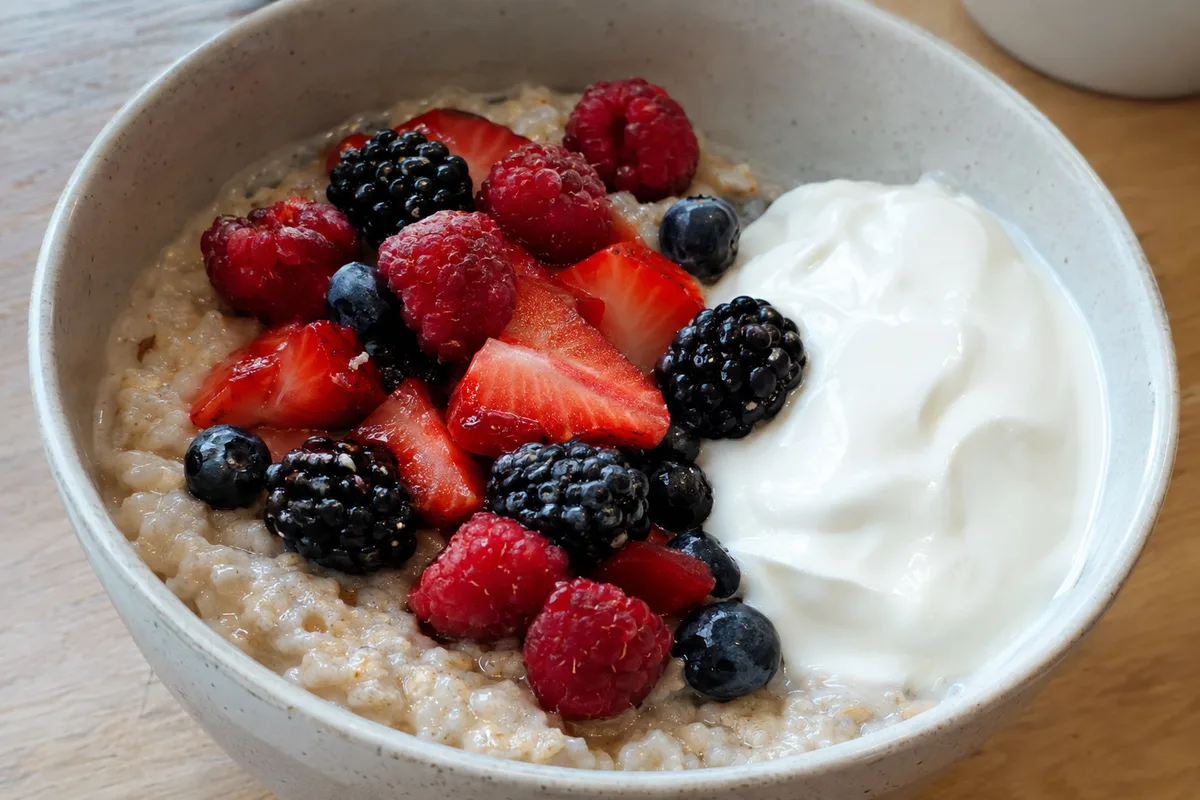
You do not need a special swimming menu to make the exercise worthwhile. A regular eating pattern containing protein, carbohydrate, colourful vegetables or fruit, and sources of fibre can support training and make food tracking easier to interpret. The right portions depend on your body, appetite, goals and the rest of your day.
Carbohydrate provides useful fuel for harder swimming, while protein supports the repair of worked muscles. Fat also belongs in a balanced diet, though it provides more energy per gram than protein or carbohydrate. For reference, protein and carbohydrate provide about 4 kcal per gram, while fat provides about 9 kcal per gram.
- Porridge with fruit and yoghurt
- Rice with vegetables and a protein source
- Wholegrain toast with eggs
- A potato with beans and salad
Measure progress without chasing one workout
One demanding swim will not determine where body fat is lost. Changes come from what you can repeat alongside your usual movement, food choices, sleep and recovery. Choose a swimming schedule that fits your week rather than relying on occasional exhausting sessions.
Waist measurements, clothing fit, swimming pace and how steadily you complete intervals can all add context to your food log. Use the same method each time so comparisons are more meaningful. If swimming causes pain, dizziness or unusual discomfort, stop the session and seek appropriate professional guidance.
- Keep the interval format consistent enough to compare sessions
- Notice whether recovery lengths become easier
- Measure your waist under similar conditions each time
- Allow easier sessions when you feel tired