
Does Agave Nectar Fit a Low-Carb Diet?
Agave nectar may sound different from ordinary sugar, but it still contributes carbohydrate to your day. This guide explains what it contains, how to track it and when another option may suit you better.
What agave nectar actually is
Agave nectar, also called agave syrup, is a sweet liquid made from the agave plant. The plant material is processed so that its carbohydrates become a concentrated syrup. Although it comes from a plant, the finished product is mainly used as an added sugar.

Its runny texture makes it easy to stir into drinks, yoghurt, porridge and sauces. It often tastes sweeter than table sugar, so some people find that a smaller amount gives enough sweetness. That does not make it free from carbohydrate, and the amount you use still needs to be logged.
- A liquid sweetener made from agave
- Mainly a source of sugars and carbohydrate
- Easy to mix into foods and drinks
- Not the same as eating a whole plant food
Why it can be difficult to fit into low-carb eating
A low-carb approach limits carbohydrate, but there is no single limit that suits everyone. Your own target may depend on your preferences, activity and wider eating pattern. Agave uses part of that target without adding much protein or fibre.

Because it is a syrup, it can be easy to pour more than you intended. A drizzle added to several meals or drinks can become a noticeable part of your daily carbohydrate intake. Tracking each use gives you a clearer picture than treating it as a free extra.
- Count agave within your daily carbohydrate total
- Log it each time rather than only once per day
- Measure consistently until you can judge your usual portion
- Check whether repeated small additions are crowding out other foods
Sweetness does not remove the carbohydrate
Agave contains a high proportion of fructose, which is one type of sugar. This can affect the body differently from a sweetener with another mix of sugars, but it does not cancel the carbohydrate. Looking only at claims about how quickly a sweetener acts can therefore give an incomplete picture.
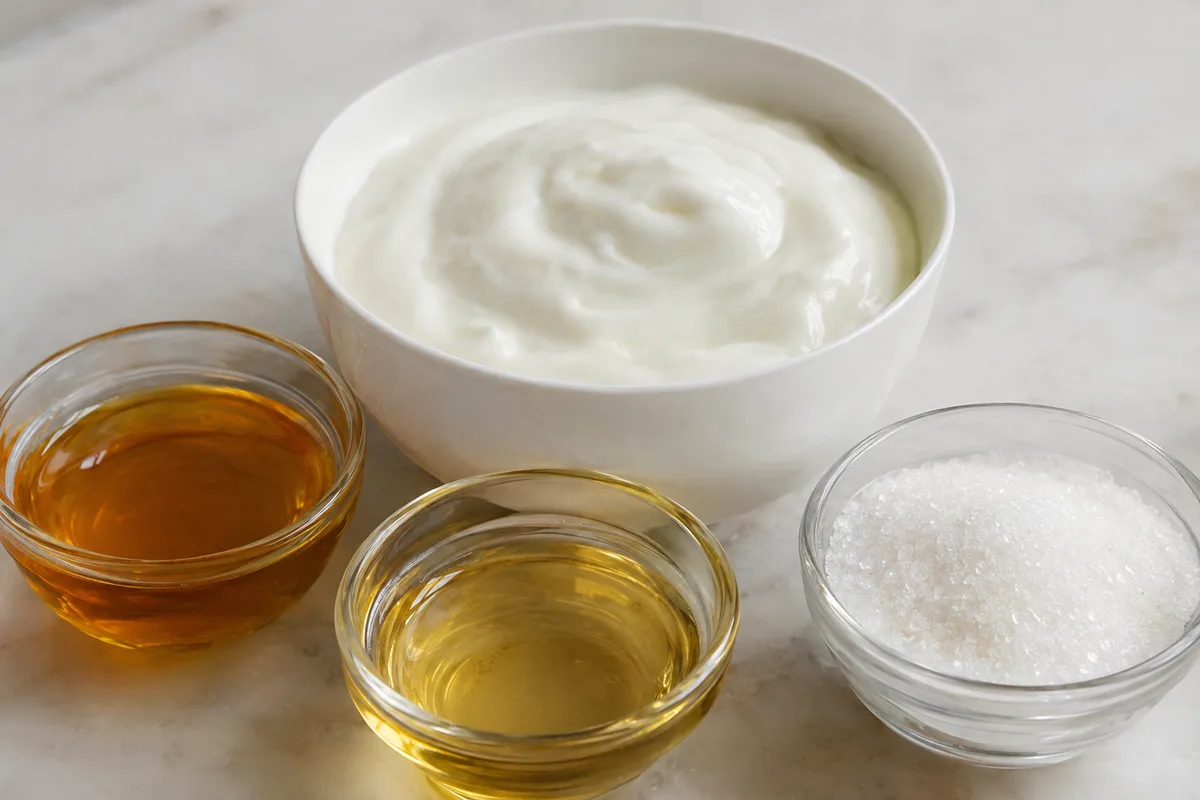
For low-carb tracking, the carbohydrate figure is usually more useful than a product's natural image or plant origin. The front of a container may emphasise qualities that do not tell you how much carbohydrate you will eat. Use the nutrition information and your actual portion instead.
- Do not assume plant-based means low in carbohydrate
- Treat claims about slower absorption as separate from carb content
- Use the carbohydrate figure for the portion you consume
- Remember that syrup is still an added source of sugar
Comparing agave with other sweet options
Agave, honey, table sugar and other syrups all provide carbohydrate from sugars. Their flavours and textures differ, so one may work better in a particular recipe. From a low-carb viewpoint, none should be assumed to have a special advantage without checking the label and portion.

Sweeteners that contribute little or no carbohydrate may fit more easily, but taste and cooking results vary. You could also reduce sweetness gradually or use naturally sweet-tasting ingredients where they suit the meal. The best choice is one that works with both your carb target and the food you are preparing.
- Use berries or cinnamon to add flavour to yoghurt
- Choose an unsweetened drink and adjust to the taste over time
- Use a lower-carbohydrate sweetener if it suits the recipe
- Keep agave as an occasional measured ingredient rather than a default topping
How to log agave accurately
Start with the nutrition label because carbohydrate content can differ between products. Match the label's serving information to the amount you actually use. If your food tracker has several agave entries, choose one that agrees with your product rather than selecting the first result.
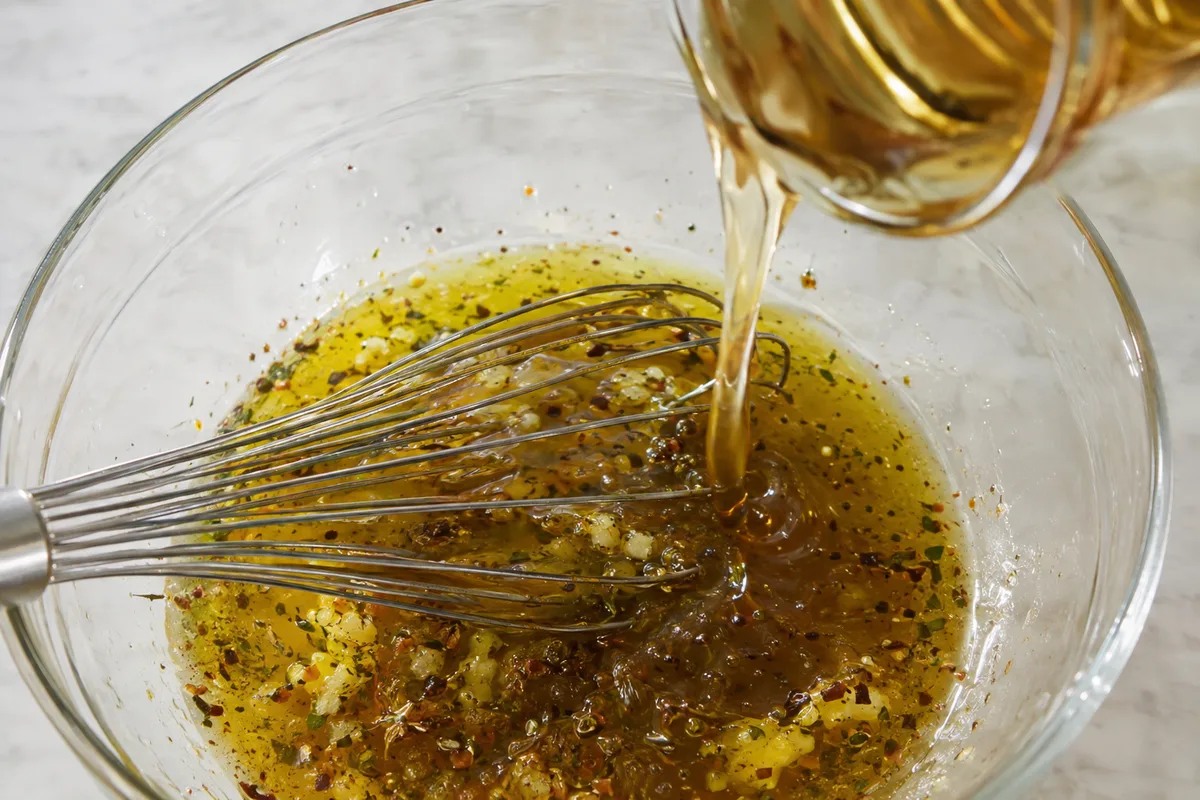
Include agave used in marinades, dressings, baking and hot drinks. These additions are easy to forget because they may not look like a separate part of the meal. Saving a regular recipe or meal entry can make repeated tracking more consistent.
- Check the carbohydrate line on the label
- Record the amount actually poured or mixed in
- Include agave used during cooking
- Verify database entries against the product information
- Update saved recipes if the ingredients change
So, is agave helpful for a low-carb diet?
Agave is not especially helpful for lowering carbohydrate because it is itself a concentrated source of sugar. It can still fit if the portion works within your personal target and you value its flavour. Whether that trade-off feels worthwhile depends on the rest of your day.
Your food log can help you decide without labelling agave as either good or bad. Review how often you use it, what it contributes and whether a less sweet or lower-carbohydrate option would satisfy you. If you keep it, use an intentional portion and record it like any other carbohydrate-containing ingredient.
- Keep it when the flavour matters to you
- Use less if sweetness has become automatic
- Swap it when you would rather spend your carbs elsewhere
- Judge it within the whole day, not in isolation