
Body Type Eating: What Your Shape Can and Cannot Tell You
Body type eating suggests that different body shapes need different balances of food. This guide explains the idea, its limits and how to use your own food log to make practical choices.
What body type eating means
Body type eating groups bodies into broad categories, often called ectomorph, mesomorph and endomorph. These labels usually describe someone as naturally lean, muscular or more inclined to carry body fat. The eating advice is then adjusted according to the assigned category.
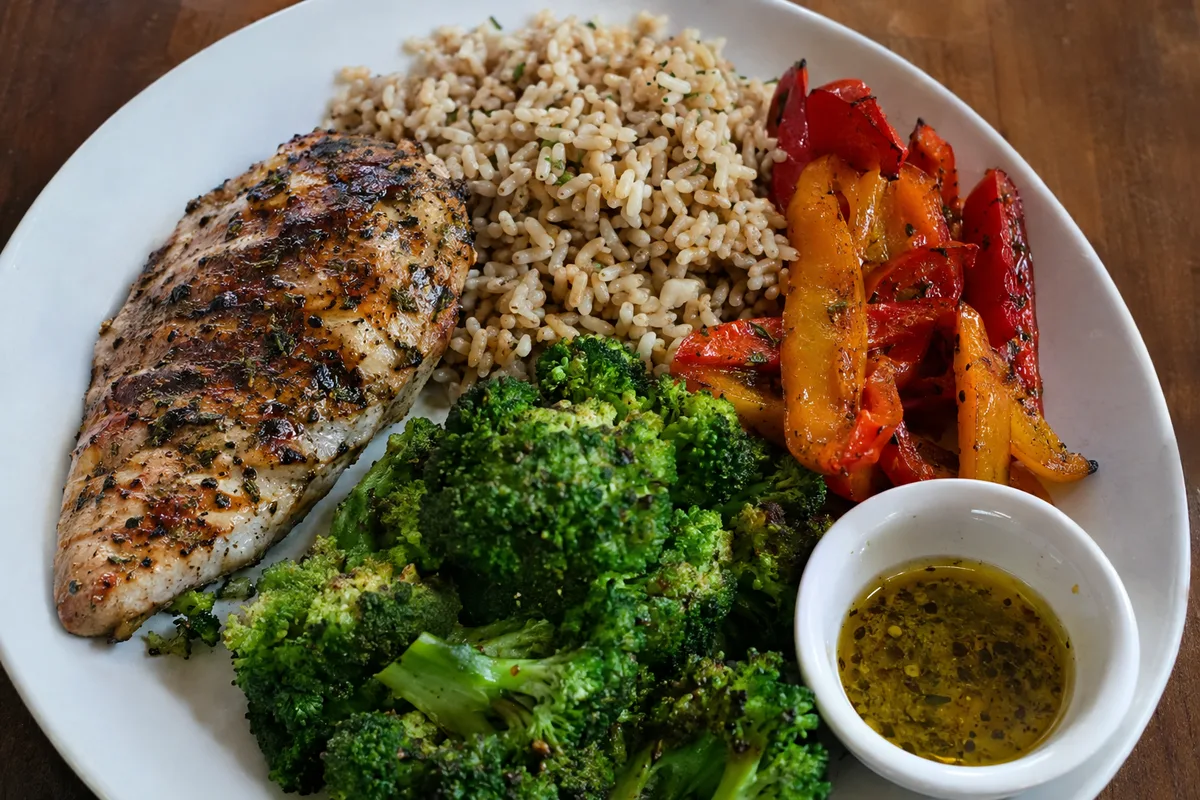
Typical plans may suggest more carbohydrate for one type, more protein for another or tighter control of portions for another. This can sound personal, but the categories are very broad. Many bodies do not fit neatly into one group, and shape can change over time.
Your appearance alone cannot reveal your appetite, daily movement, food preferences or usual portion sizes. It also does not show how well a particular meal keeps you satisfied. Body type eating is therefore better treated as a loose idea than as a set of rules.
- Ectomorph: generally described as lean with a lighter frame
- Mesomorph: generally described as naturally muscular or athletic
- Endomorph: generally described as having a broader or softer build
Why shape is not a meal plan
Two people with a similar outline may have very different routines. One may sit for much of the day, while the other has an active job or trains regularly. Their food needs can also differ because of body size, age, goals, sleep and appetite.
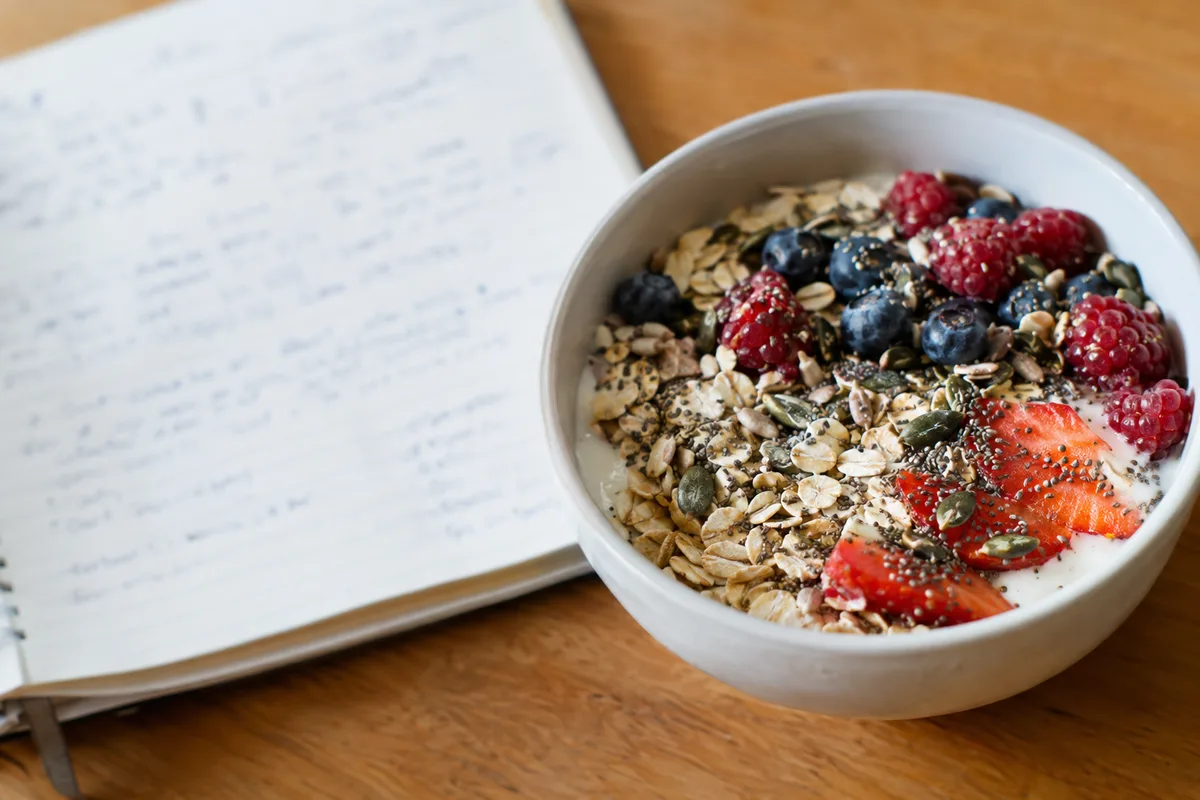
Body shape is influenced by more than one factor, so it cannot identify the exact amount or balance of food you need. Even within the same body type label, responses to meals can vary. The useful question is not which label fits best, but what your records show over time.
Be cautious when a body type plan removes whole food groups or gives rigid instructions based only on appearance. A category should not overrule hunger, enjoyment, culture or practical needs. The amount that suits you depends on the person and may change as your routine changes.
- Daily movement and planned exercise
- Hunger before meals and fullness afterwards
- Food preferences and cultural eating patterns
- Sleep, stress and changing routines
- Your current aim and how steadily you want to approach it
Build meals from useful basics
Instead of matching meals to a shape, begin with foods that make the meal satisfying and practical. Include a protein source, some high-fibre carbohydrate, vegetables or fruit, and a source of fat where it fits. The exact portions depend on your appetite, activity and overall intake.

Protein can support fullness and the upkeep of body tissues. Fibre-rich carbohydrate foods provide energy and can make meals more substantial, while fats add flavour and energy. None of these nutrients needs to be assigned to a particular body type.
Look at the whole day rather than trying to make every plate identical. A lighter meal may suit one moment and a larger one another. Variety also makes it easier to cover a wider range of nutrients without relying on a complicated formula.
- Protein: eggs, fish, chicken, beans, lentils, yoghurt or tofu
- High-fibre carbohydrate: oats, potatoes with their skins, brown rice, wholegrain bread or pulses
- Vegetables and fruit: fresh, frozen, cooked or raw choices
- Fats: olive oil, nuts, seeds, avocado or oily fish
Use your food log as personal evidence
Because you already track your food, you have information that a body type label cannot provide. Add brief notes about hunger, fullness, energy and the setting in which you ate. These details can reveal whether a meal worked for you, rather than whether it matched a category.
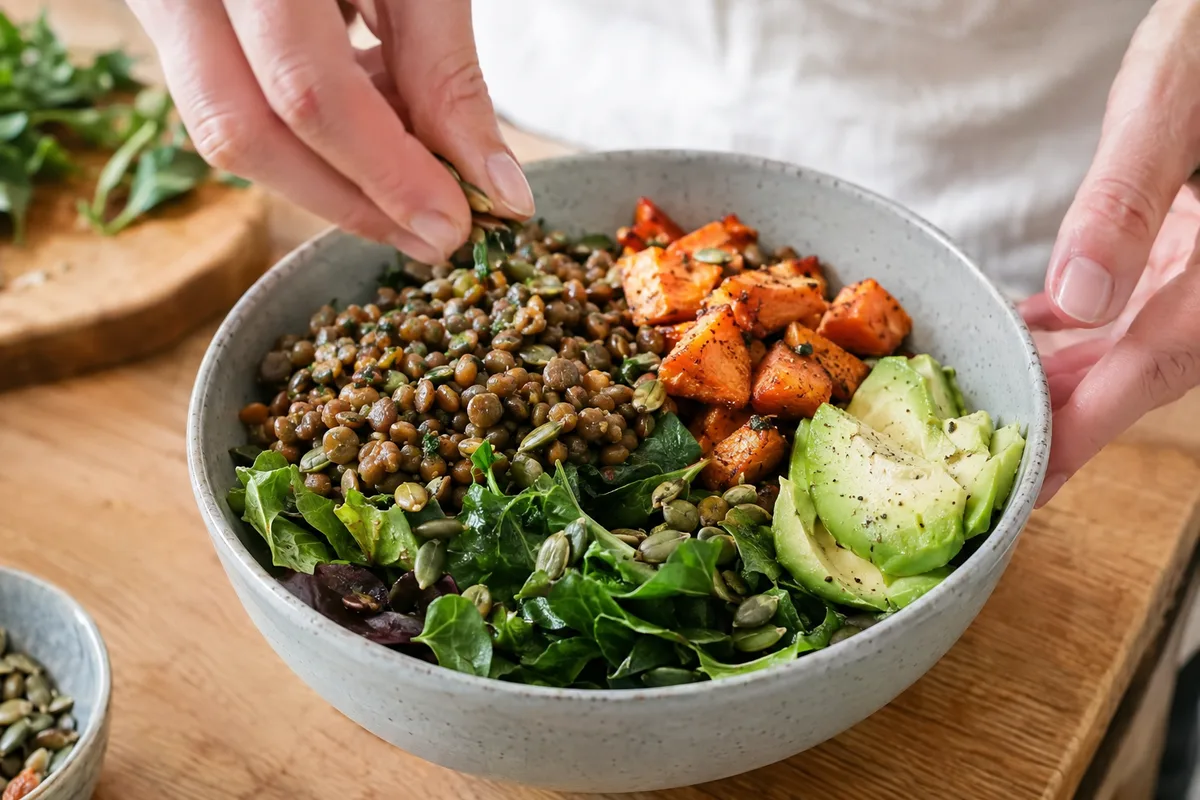
Review several ordinary days together instead of judging one meal. Look for repeated patterns, such as an afternoon meal that leaves you hungry soon afterwards or a breakfast that comfortably carries you to lunch. A single unusual day does not need to become a new rule.
Make one small adjustment at a time so that the effect is easier to notice. You might add a protein food to breakfast, include more vegetables at lunch or change the portion of a regular carbohydrate food. Keep the change only if it improves how the routine works for you.
- What you ate and the approximate portion
- How hungry you were before eating
- How satisfied you felt afterwards
- Your energy and concentration between meals
- Whether the meal was enjoyable and realistic to repeat
Match food to movement, not a label
Movement can alter appetite and the amount of food that feels appropriate. A demanding training day may call for more food than a quiet day, regardless of body shape. Carbohydrate foods are useful for active muscles, while protein foods contribute to repair and maintenance.
You do not need to earn meals through exercise or cut food sharply on less active days. Regular meals may help keep appetite predictable, and adjustments can be modest. Your log can show whether your current pattern supports the movement you actually do.
Notice practical signs such as unusual tiredness during activity, persistent hunger or meals that feel too heavy beforehand. These observations are more relevant than whether you look lean, muscular or broad. If your movement routine changes, review your food pattern rather than staying tied to an old category.
- Plan a familiar meal or snack around demanding activity
- Include carbohydrate and protein after longer or harder sessions
- Keep fluids available across the day
- Review appetite when your movement routine changes
Turn the idea into a flexible experiment
If body type eating has made you think about your habits, use that interest without accepting the labels as fact. Choose one goal based on your own records, such as making lunch more filling or improving meal variety. Then test a manageable change within your normal routine.
Give the change enough ordinary meals to judge whether it is practical. Consider satisfaction, enjoyment, energy and how easily it fits your schedule. Progress is not always visible in body shape, and appearance does not tell the whole story.
A useful eating pattern can adapt to busy days, social meals and changing activity. It should offer structure without turning every choice into a test of discipline. Let your tracking data, preferences and lived experience guide adjustments more than a body type name.
- Choose one repeated pattern from your log
- Decide on one food or portion change
- Observe hunger, satisfaction and practicality
- Review the change and keep, adjust or drop it