
The alkaline diet explained: what food can and cannot change
The alkaline diet sorts foods by the acidic or alkaline effect they are said to leave after digestion. This guide explains what that means, what happens inside the body and how to assess the diet while tracking your food.
What the alkaline diet means
The alkaline diet is based on the idea that food leaves an acidic or alkaline effect after the body processes it. Foods are often grouped using their potential effect on urine rather than by how they taste. A sharp-tasting lemon, for example, may be classed as alkaline-forming after digestion.

Most versions favour vegetables, fruit, pulses, nuts and seeds. Meat, fish, eggs, dairy products and many grain foods are usually described as acid-forming, although the exact lists vary. This way of sorting food is separate from its calorie content and does not tell you how filling or nutritious it is.
- Often classed as alkaline-forming: vegetables, fruit, pulses, nuts and seeds
- Often classed as acid-forming: meat, fish, eggs, cheese and grain foods
- Usually limited: heavily processed snacks, sugary drinks and alcohol
- Classifications can differ between alkaline diet plans
Your body already controls its pH
pH is a measure of how acidic or alkaline something is. Different parts of the body naturally have different pH levels because they perform different jobs. The stomach needs an acidic environment for digestion, while the blood is kept within a narrow range.

Food does not simply turn the whole body acidic or alkaline. The lungs and kidneys continually help manage the balance by removing or retaining certain substances. This regulation happens regardless of whether a meal is labelled acid-forming or alkaline-forming.
Eating differently can alter the pH of urine because urine is one route by which the body removes waste. That change does not show that the blood or the whole body has changed in the same way. A urine reading therefore cannot provide a complete picture of internal pH.
Why the diet can appear to help
An alkaline eating pattern may lead someone to eat more vegetables, fruit, beans and other minimally processed foods. It may also reduce pastries, sweets, alcohol and heavily processed meals. Those changes can improve the overall balance of a food diary without alkalinity being the reason.
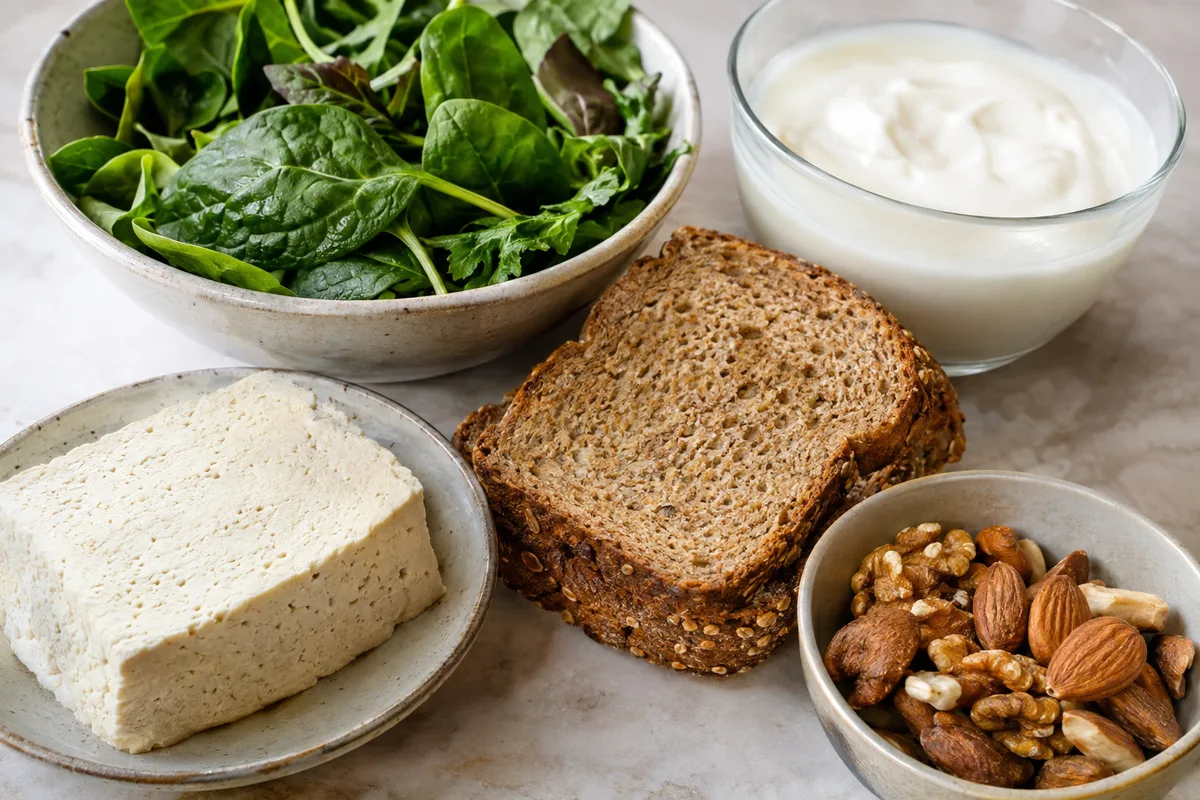
Plant foods can add fibre, variety and volume to meals. Pulses, nuts and seeds also provide useful nutrients, while fruit and vegetables contribute a range of vitamins and minerals. These qualities matter in their own right and do not depend on changing the body's pH.
Results still depend on the whole pattern and on the person. Portions, cooking fats, drinks, snacks and food choices all affect energy intake. A meal labelled alkaline can contain more or less energy than you need, just like any other meal.
- Count vegetables and fruit by variety as well as quantity
- Record cooking oils, dressings and spreads
- Include drinks and small snacks in your log
- Notice whether meals contain a satisfying source of protein
- Review the whole day rather than judging one food label
Possible gaps in a restrictive version
A flexible plant-rich pattern can include a broad range of foods. A strict alkaline plan may remove several useful food groups without a clear nutritional reason. The narrower the plan becomes, the more care is needed to keep meals balanced.

Removing dairy foods, eggs, fish or meat can reduce familiar sources of protein and certain vitamins and minerals. Grain foods may also be restricted even though wholegrain options provide fibre and useful energy. These nutrients can come from other foods, but the replacements need to be deliberate.
Tracking can help you spot repeated gaps rather than focusing only on calories. Look across several days because a single day may not represent your usual intake. Personal requirements vary, so there is no single target menu that suits everyone.
- Protein sources such as beans, lentils, tofu, eggs, fish or yoghurt, according to your preferences
- Calcium-rich foods such as dairy products or suitable fortified alternatives
- Wholegrain or other starchy foods for energy and fibre
- A range of fats from foods such as nuts, seeds and olive oil
How to use the useful parts without the rules
You do not need an acid and alkaline chart to build a plant-rich meal. Start with foods you already enjoy and add variety gradually. Keep enough protein, carbohydrate and fat to make the meal practical and satisfying.

Instead of cutting out every food labelled acid-forming, consider what it contributes. Eggs, yoghurt, fish, pulses and wholegrains can all fit within a varied eating pattern. Combining them with vegetables or fruit is simpler than trying to neutralise one food with another.
Your food diary can show whether the approach works in everyday life. Note hunger, satisfaction and meal variety alongside what you eat. This gives you more useful information than assigning a pH label to each ingredient.
- Add beans or lentils to a familiar soup or stew
- Serve a grain or potato with vegetables and a protein source
- Choose fruit with yoghurt or a fortified alternative
- Use nuts or seeds as part of a meal rather than treating them as alkaline remedies
A sensible way to assess the claim
The central claim of the alkaline diet is that choosing alkaline-forming foods can meaningfully alter the body's overall acid balance. Normal body regulation does not work in that simple way. Changes in urine pH should not be confused with changes throughout the body.
Many foods promoted by the diet are worthwhile choices, but their value comes from their nutrients, fibre and place in a balanced pattern. You can eat more plants and fewer heavily processed foods without accepting the pH explanation. The most useful plan is one that remains varied, adequate and manageable.
When reviewing your log, focus on what the meals contain rather than whether they are called acidic or alkaline. Check for variety, regular protein sources, fibre-rich carbohydrates, fats and foods you genuinely like. That approach keeps the helpful food choices while avoiding unnecessary restrictions.
- Does the plan include a wide range of foods?
- Are excluded foods replaced with suitable alternatives?
- Do meals keep you satisfied between eating occasions?
- Can you follow the pattern without complicated food rules?