
How Peanuts and Peanut Butter Can Support Your Diet
Peanuts and peanut butter are satisfying, versatile foods with useful nutrients. The key is to track portions accurately and choose the form that suits your overall diet.
Useful nutrition in a small serving
Peanuts provide protein, fibre and mostly unsaturated fats, along with a range of vitamins and minerals. Peanut butter offers similar benefits because it is made mainly from ground peanuts.
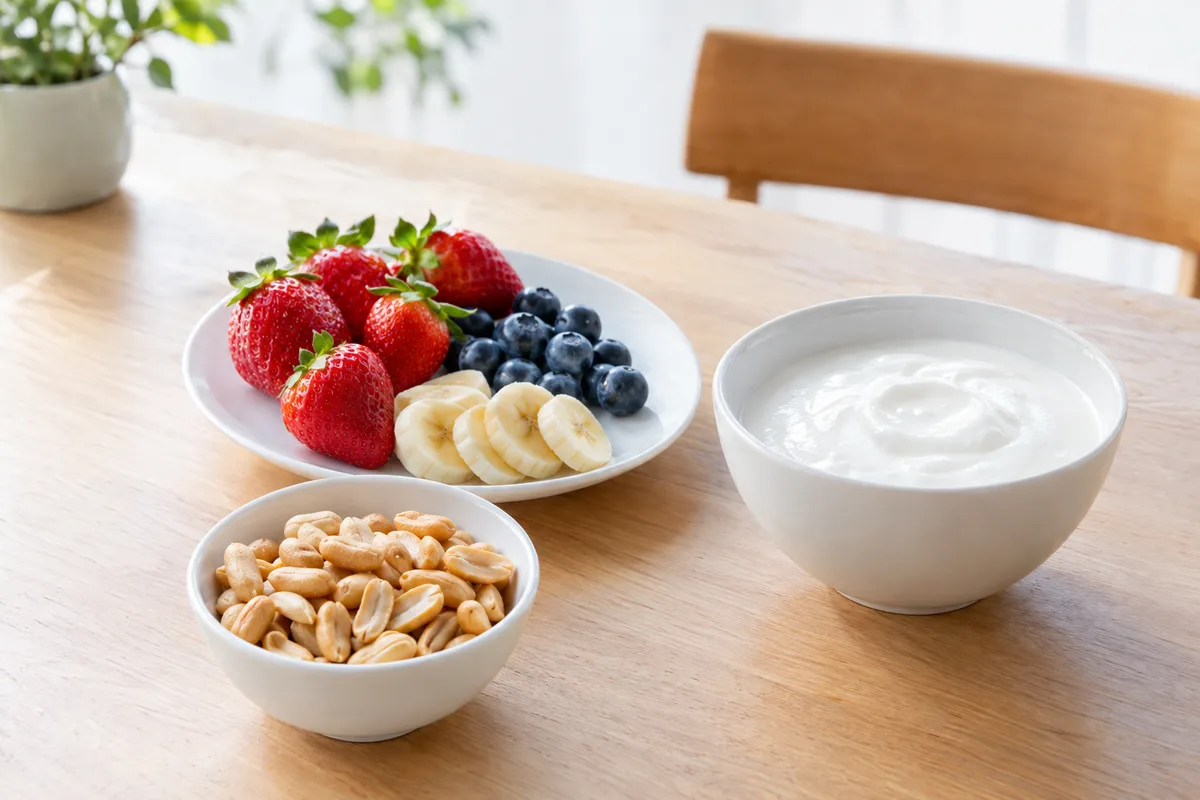
Their mix of protein, fat and fibre can make meals or snacks feel more substantial. However, they contain a lot of energy in a relatively small amount, so the portion can make a noticeable difference to your daily total.
Portions are easy to underestimate
A spoonful of peanut butter can vary greatly depending on the spoon and how generously it is filled. Weighing it on a kitchen scale gives you a more reliable entry than estimating by eye.
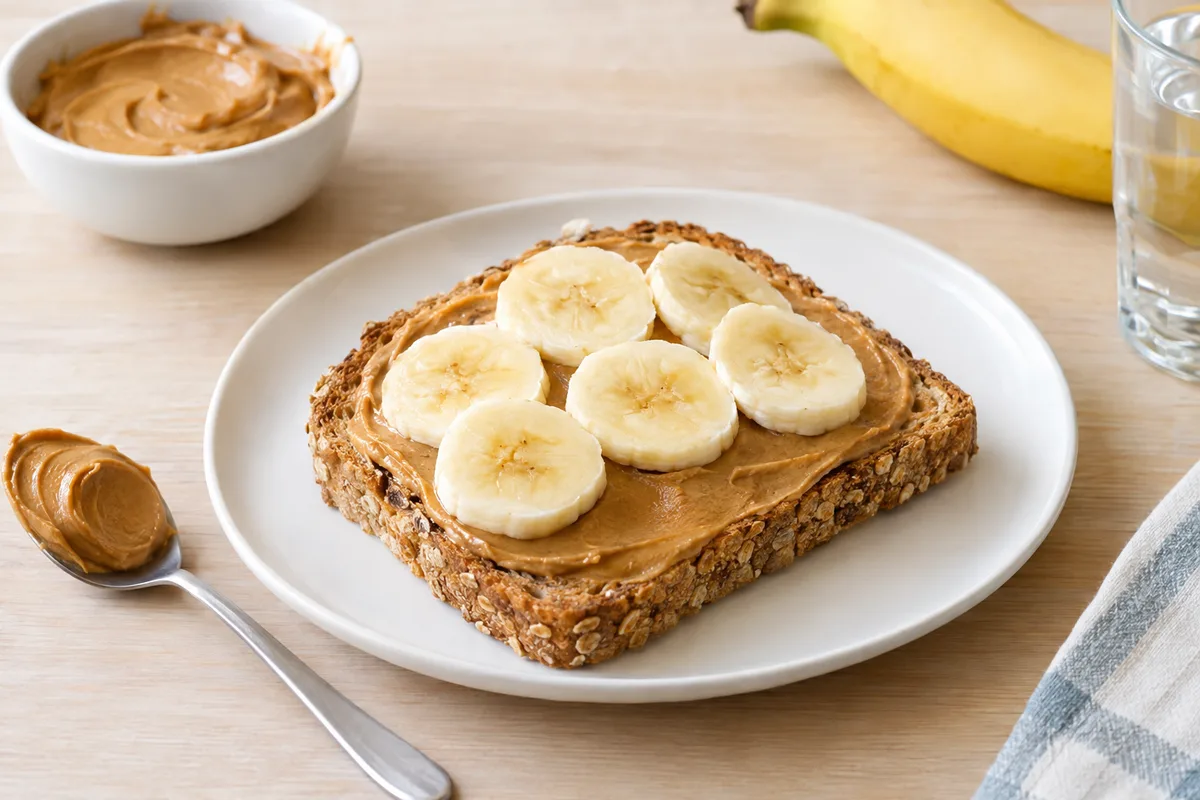
The same applies to loose peanuts, especially when eating directly from a larger container. Decide on a portion first, log it, and place that amount in a bowl rather than repeatedly reaching for more.
Check what has been added
Some peanut butters contain only peanuts, while others include salt, sugar or added oils. These differences are not automatically good or bad, but they can change the nutrition information and taste.
Use the label from the exact product rather than relying on a generic database entry. Crunchy and smooth versions may also differ slightly, so matching your log to the packaging improves accuracy.
Make them fit your usual meals
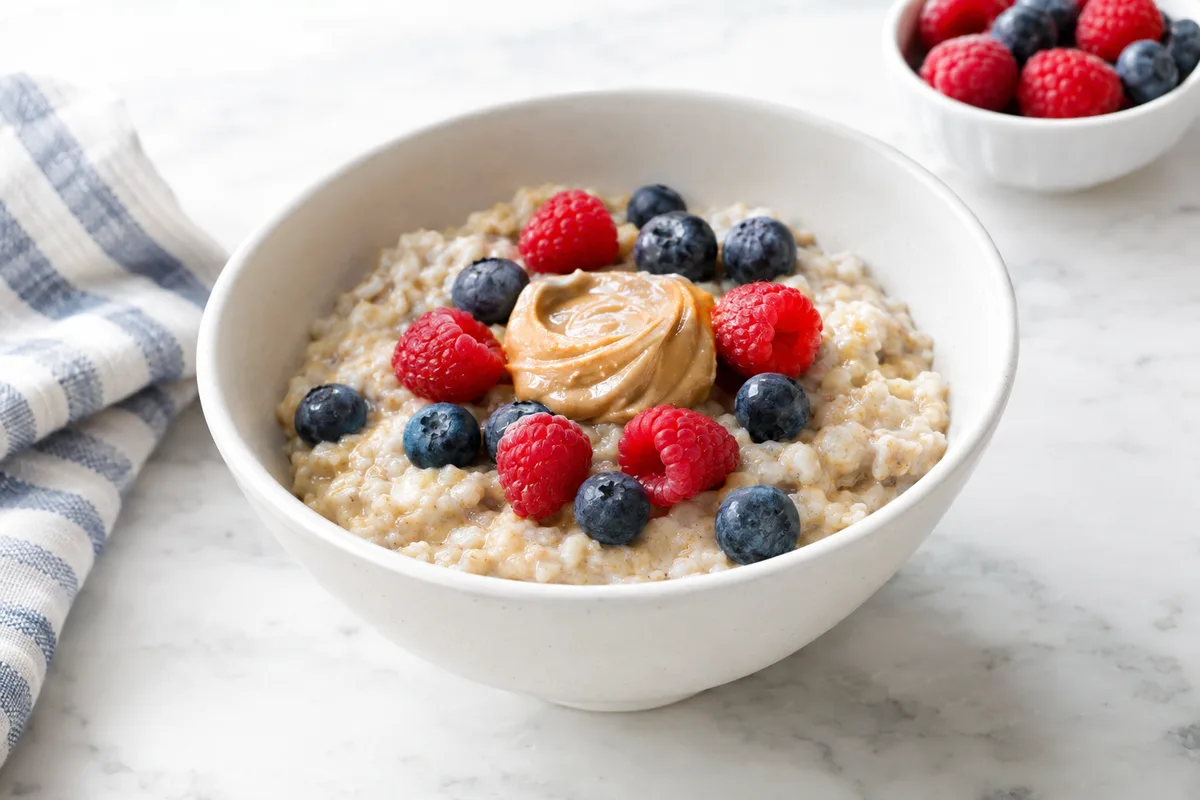
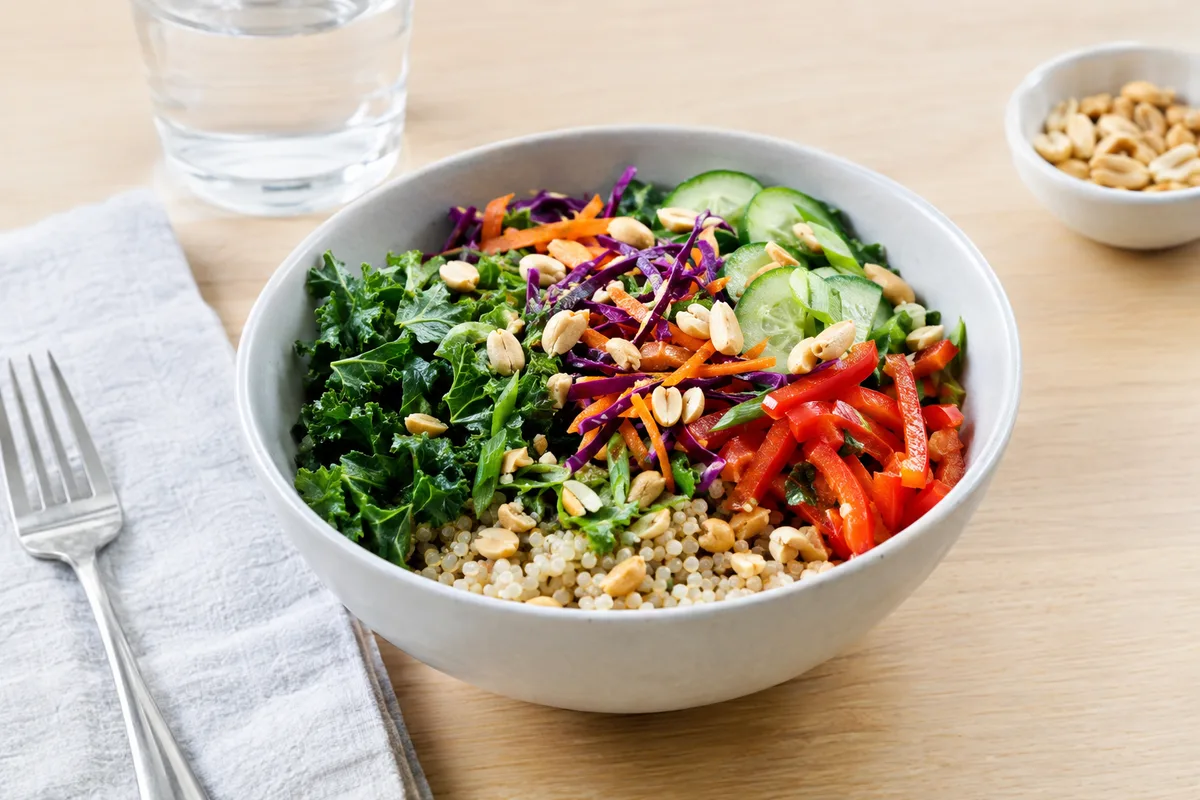
Peanut butter can add flavour and texture to porridge, toast or yoghurt, while peanuts can bring crunch to salads and cooked dishes. Track the amount as part of the meal rather than treating it as an insignificant extra.
There is no single ideal serving because energy needs, goals and the rest of the day’s food vary from person to person. A portion that fits your totals and leaves you satisfied is more useful than following a fixed rule.