
A Practical Guide to Eating Pescatarian
A pescatarian diet combines plant-based eating with fish and seafood. There is no single set menu, so you can shape it around your preferences and tracking goals.
What pescatarian eating means
A pescatarian diet leaves out meat and poultry but includes fish and seafood. Vegetables, fruit, grains, beans, lentils, nuts and seeds usually form the wider base of the diet.
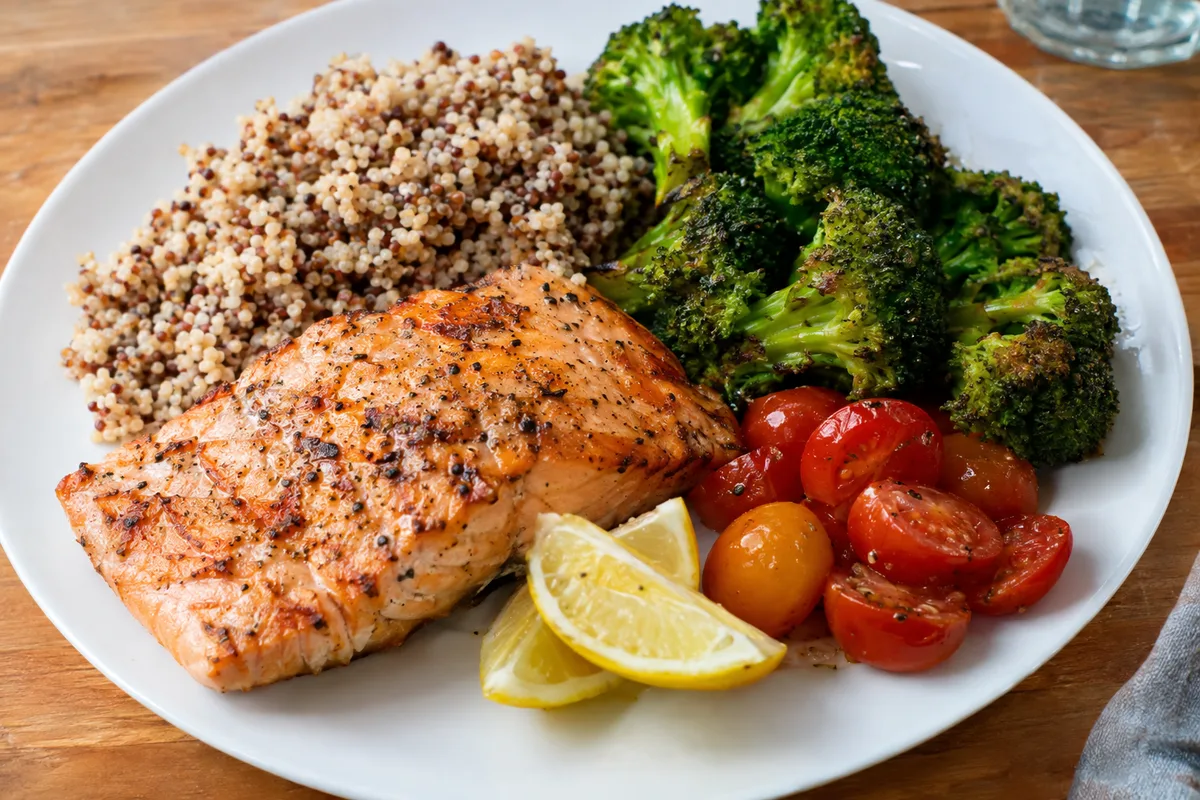
Some pescatarians also eat eggs and dairy foods, while others choose not to. Your food diary should reflect your own version rather than an assumed set of rules.
Building varied meals
Start with a plant food rich in protein, such as beans, lentils or tofu, or choose fish or seafood as the main protein source. Add vegetables, a starchy food and a source of fat to create a satisfying mix.
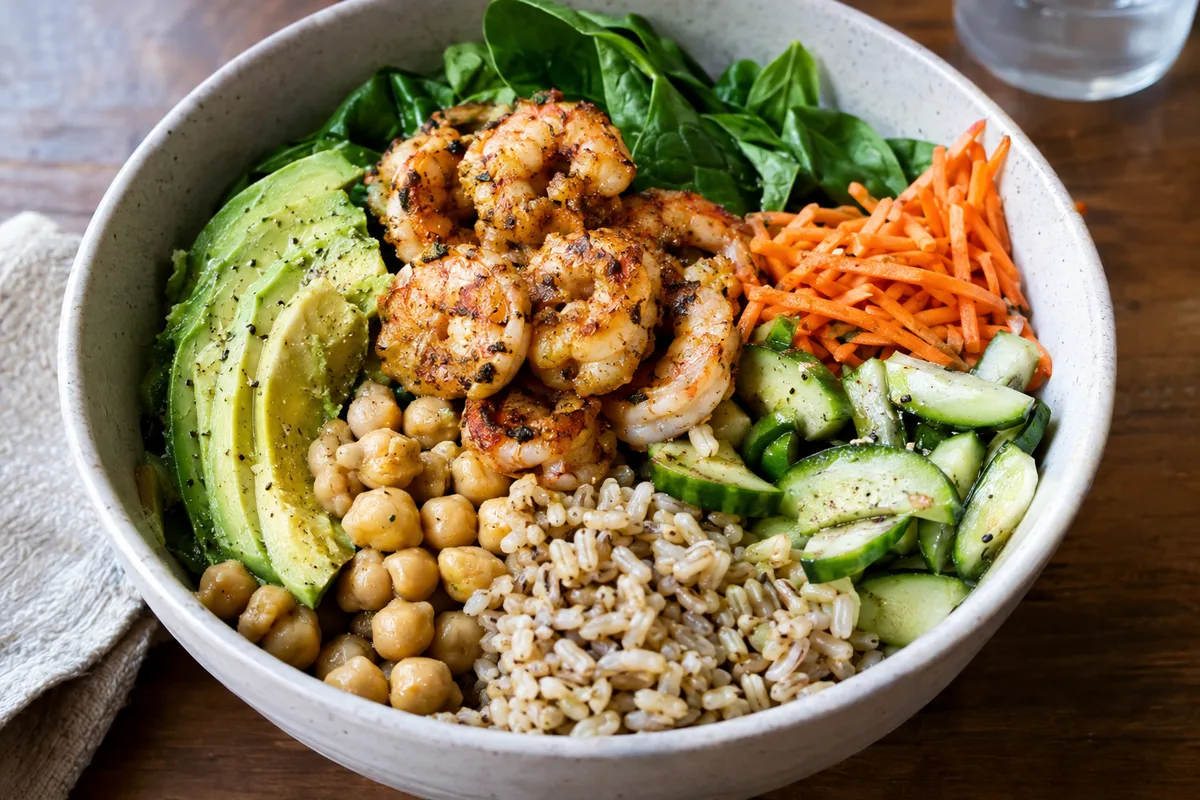
Variety matters because different foods provide different nutrients. Rotating fish, seafood, pulses, wholegrains, vegetables, nuts and seeds can help prevent the diet from becoming repetitive.
Tracking a pescatarian diet
Log fish and seafood by type and cooking method, as breading, batter and added oil can change the energy total. Weighing a portion when practical can be more reliable than choosing a generic serving from a food database.
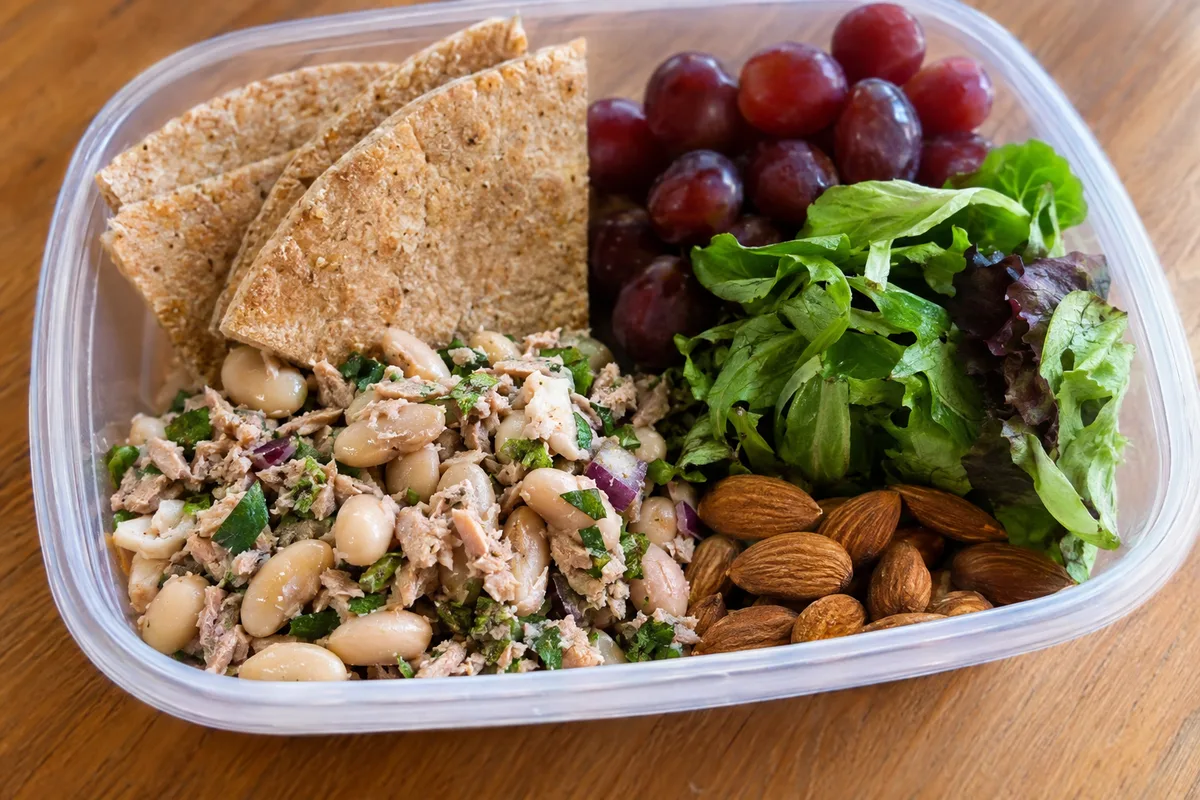
Keep an eye on protein and fibre across the full day rather than judging one meal. Portions of oils, dressings, cheese, nuts and seeds are also worth recording because small-looking amounts can make a noticeable difference to your totals.
Making the approach fit your routine
Plan around meals you already enjoy instead of rebuilding your menu from scratch. A familiar pasta, curry, salad or tray bake can often be adapted with seafood, beans, lentils or tofu.
Your ideal portions and nutrient targets depend on your body, activity and goals. Use your tracking record to notice patterns, then adjust meal size, variety or ingredients gradually rather than aiming for a rigid template.