
How to Plan a Pre-Workout Meal or Snack
What you eat before exercise can affect how energetic and comfortable you feel while moving. This guide explains timing, food choices and how to use your existing food log to find an approach that suits you.
What pre-workout food is for
A pre-workout meal or snack gives your body energy for the activity ahead. Carbohydrate is particularly useful because the body can readily use it during movement. Including some protein can also support the muscles around the time you train.
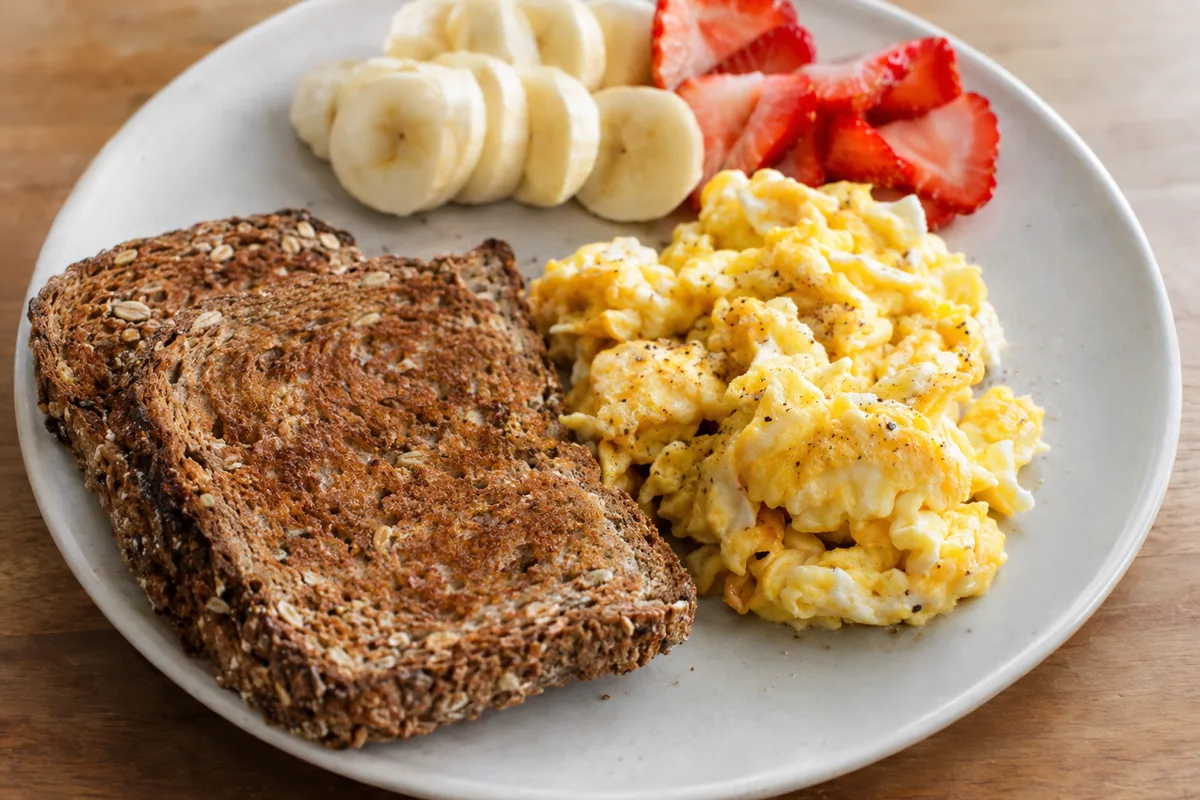
Eating beforehand is not a requirement for every workout. Your need for food depends on when you last ate, the type of exercise planned, its duration and how you usually feel. The aim is to start comfortably fuelled rather than either very hungry or overly full.
- Carbohydrate for readily available energy
- Protein as part of your wider daily intake
- Enough food to settle hunger without causing heaviness
- Fluids to begin the session well hydrated
Match the timing to your digestion
A full meal generally needs more digestion time than a small snack, so it usually works better earlier. A lighter snack can fit closer to the start of exercise. The right gap depends on the person, the food and the planned movement.
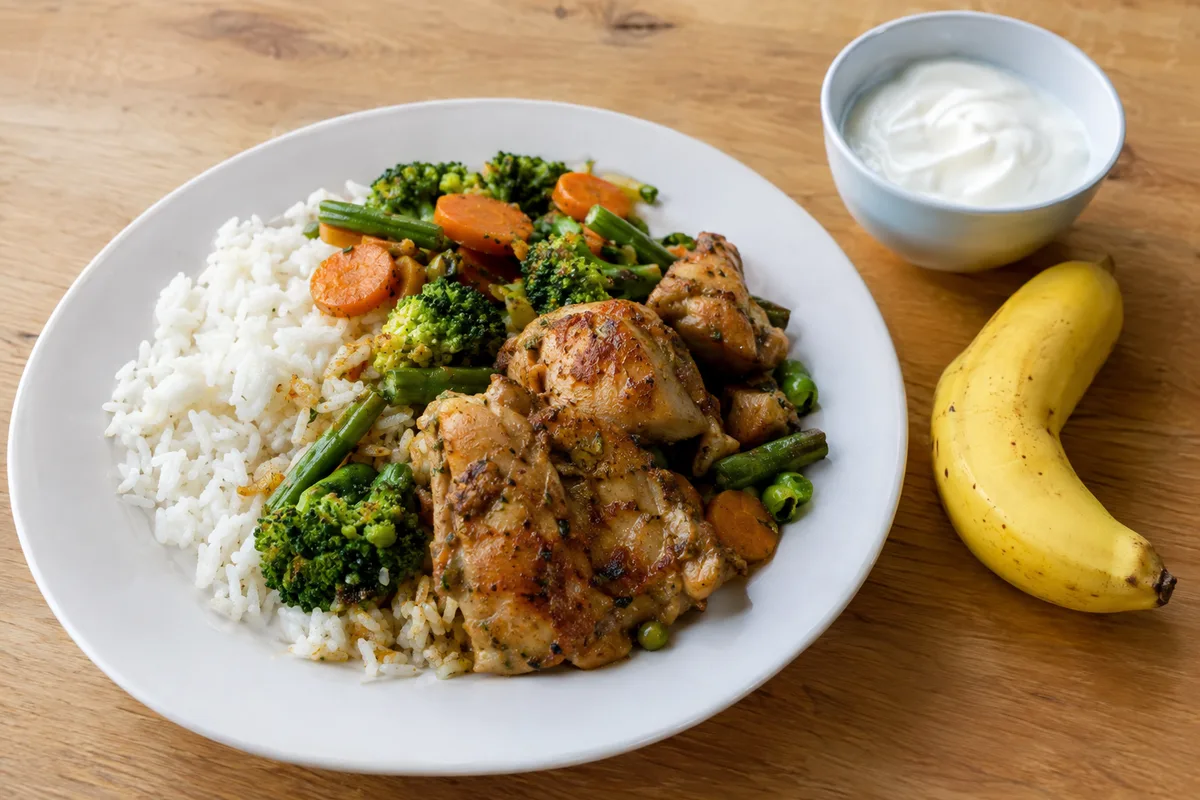
Meals high in fat or fibre can take longer to digest and may feel heavy when eaten close to vigorous activity. That does not make fat or fibre unsuitable foods; it simply means timing matters. Your usual tolerance is more useful than following a rigid rule.
- Choose a normal balanced meal when there is plenty of time before exercise
- Choose a smaller, simpler snack when exercise is approaching
- Allow more time after a rich, large or high-fibre meal
- Notice whether bending, running or jumping changes what feels comfortable
Build a balanced pre-workout meal
Start with a carbohydrate food such as rice, pasta, bread, potatoes or grains. Add a source of protein, then include vegetables or fruit according to your appetite and digestion. Keep the meal familiar, especially before a demanding or important session.
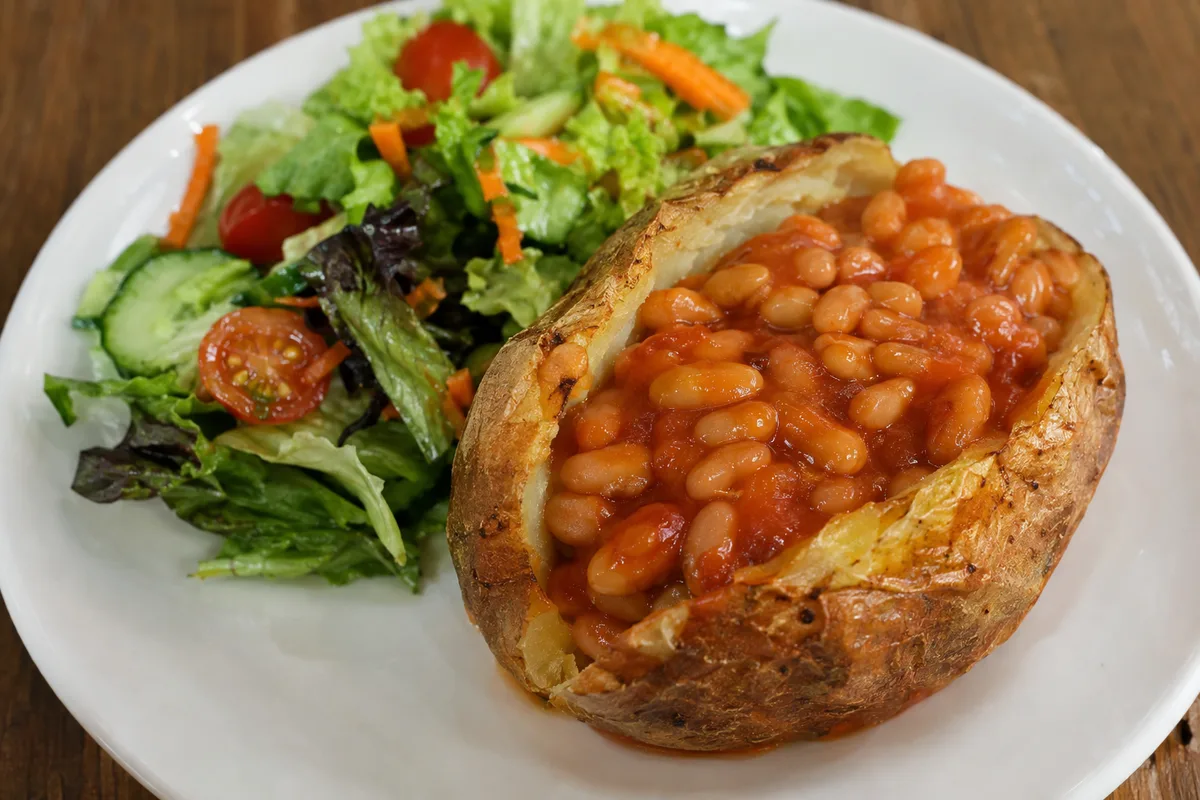
The portion depends on your body, appetite, daily energy needs and training plan. If you already track meals, log the components as you normally would rather than treating pre-workout food as a separate category. Look at how the meal fits into your whole day as well as how it supports that session.
- Rice with chicken and cooked vegetables
- Pasta with tuna and a tomato-based sauce
- A jacket potato with beans and a side salad
- Porridge with milk, banana and yoghurt
- Toast with eggs and fruit
Choose a simple snack when a meal is not practical
A pre-workout snack is useful when your previous meal was some time ago or hunger appears before training. Carbohydrate-led options are often straightforward, while a little protein can make the snack more substantial. Foods that are easy to eat and familiar to you are usually the most practical choices.
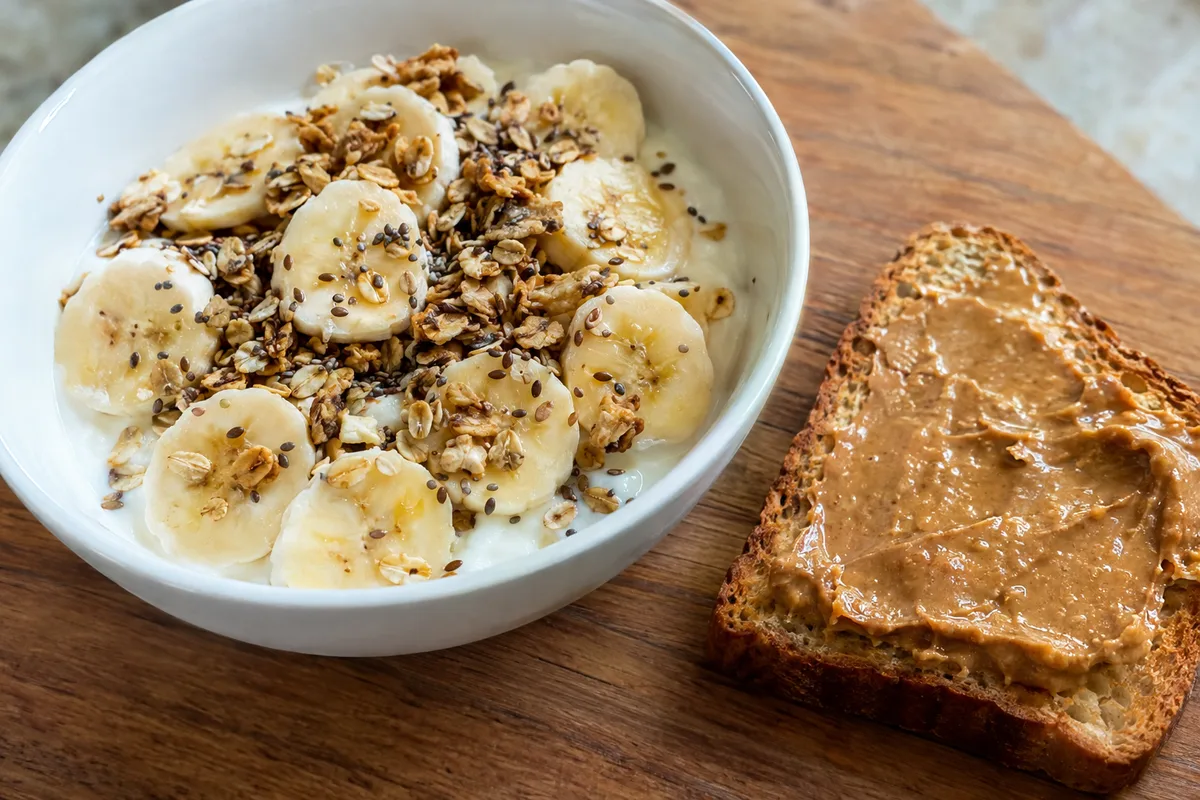
You do not need a special sports food for an everyday workout. Ordinary foods can provide the carbohydrate and protein you are looking for. Adjust the amount based on your appetite, the session and how soon you plan to move.
- A banana with yoghurt
- Toast with a thin spread of nut butter
- Cereal with milk
- Oatcakes with cottage cheese
- Dried fruit with a small portion of nuts
Use your food log to find what works
Your existing food log can help connect what you ate with how the workout felt. Alongside the meal or snack, note the rough timing, type of movement, energy levels, hunger and digestive comfort. After several comparable sessions, look for repeated patterns rather than judging one workout.
Change one part at a time, such as portion size, timing or food choice. This makes it easier to understand what produced a different result. Hydration, sleep, stress and the difficulty of the workout can also affect how you feel, so food is only one part of the picture.
- Record what you ate and drank
- Note whether it was a meal or snack
- Describe your energy and hunger during the session
- Record any heaviness or discomfort
- Use repeated patterns to guide your next choice