
Cherry Juice: The Pros and Cons for Your Food Diary
Cherry juice can be an enjoyable way to add fruit flavours and plant compounds to your day. It can also contribute a noticeable amount of sugar and energy without the fibre of whole cherries.
What cherry juice can offer
Cherry juice contains naturally occurring plant compounds that give cherries their deep colour. It may also provide some vitamins and minerals, although the amounts vary by cherry type, processing method and serving size.
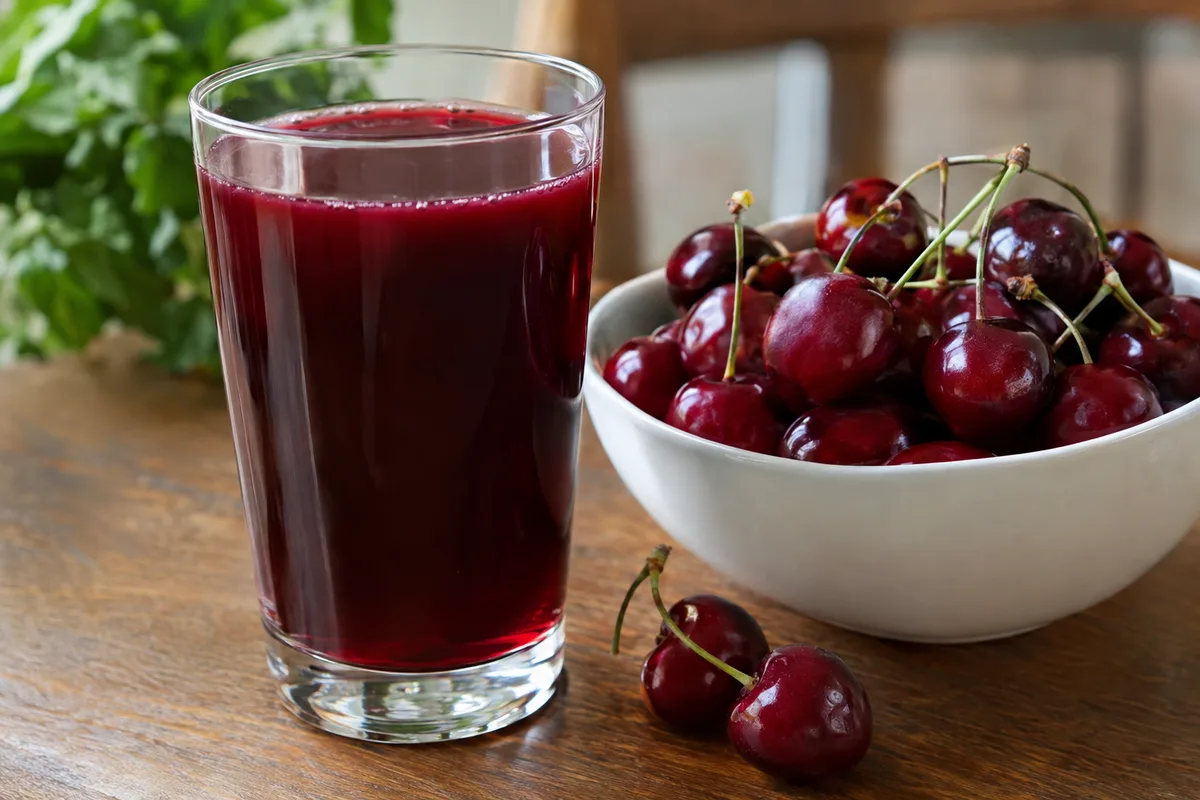
Some people include tart cherry juice around exercise or as part of an evening routine. Research into these uses is still developing, so it is better viewed as a food choice rather than a guaranteed way to improve recovery or sleep.
Sugar, energy and fullness
Juicing concentrates the sugars from several cherries into a drink that is quick to consume. The exact sugar and energy content depends on the product, portion and whether anything has been added, so use the label or recipe when logging it.
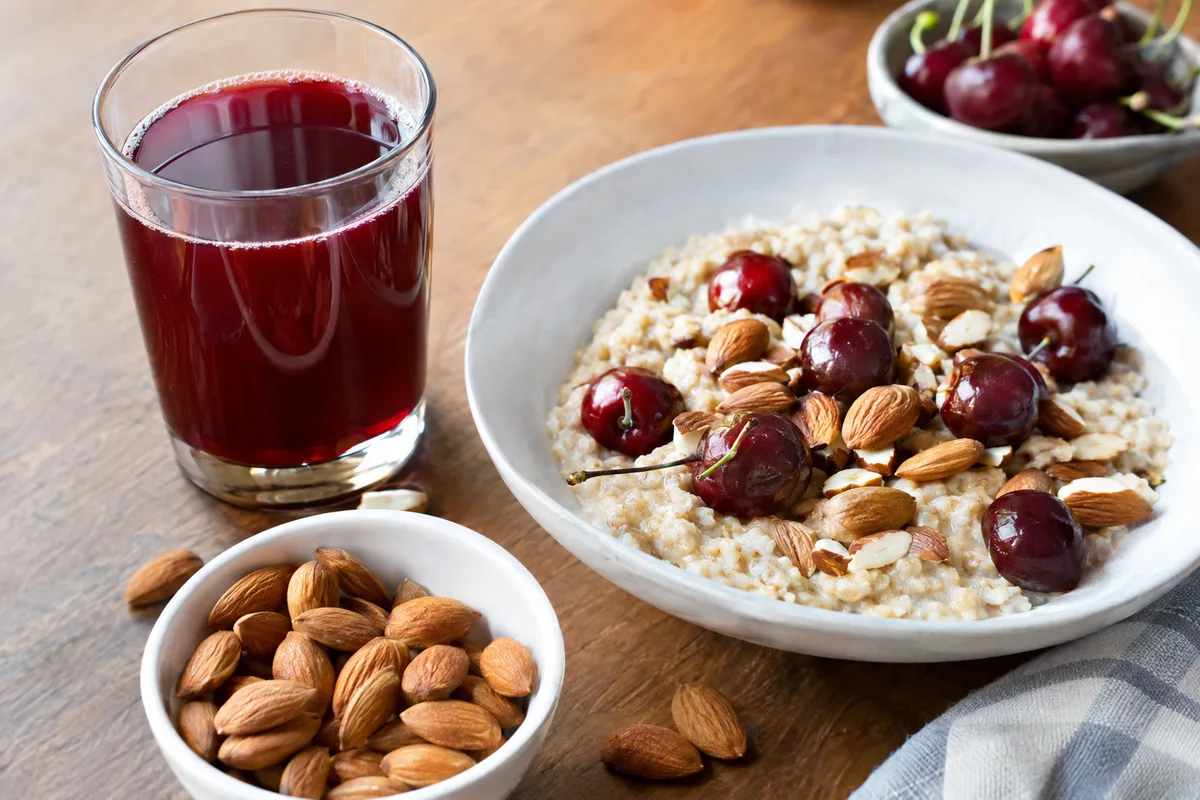
Cherry juice usually has much less fibre than whole cherries. Because drinks may feel less filling than solid fruit, measuring your serving can make your food diary more accurate and help you see how it fits into your day.
Other possible drawbacks
The sharp taste and natural acidity may be uncomfortable for some people, especially in a large serving. Sipping it slowly over a long period also keeps the teeth exposed to sugar and acid, so it can be more practical to have it with a meal and drink water afterwards.
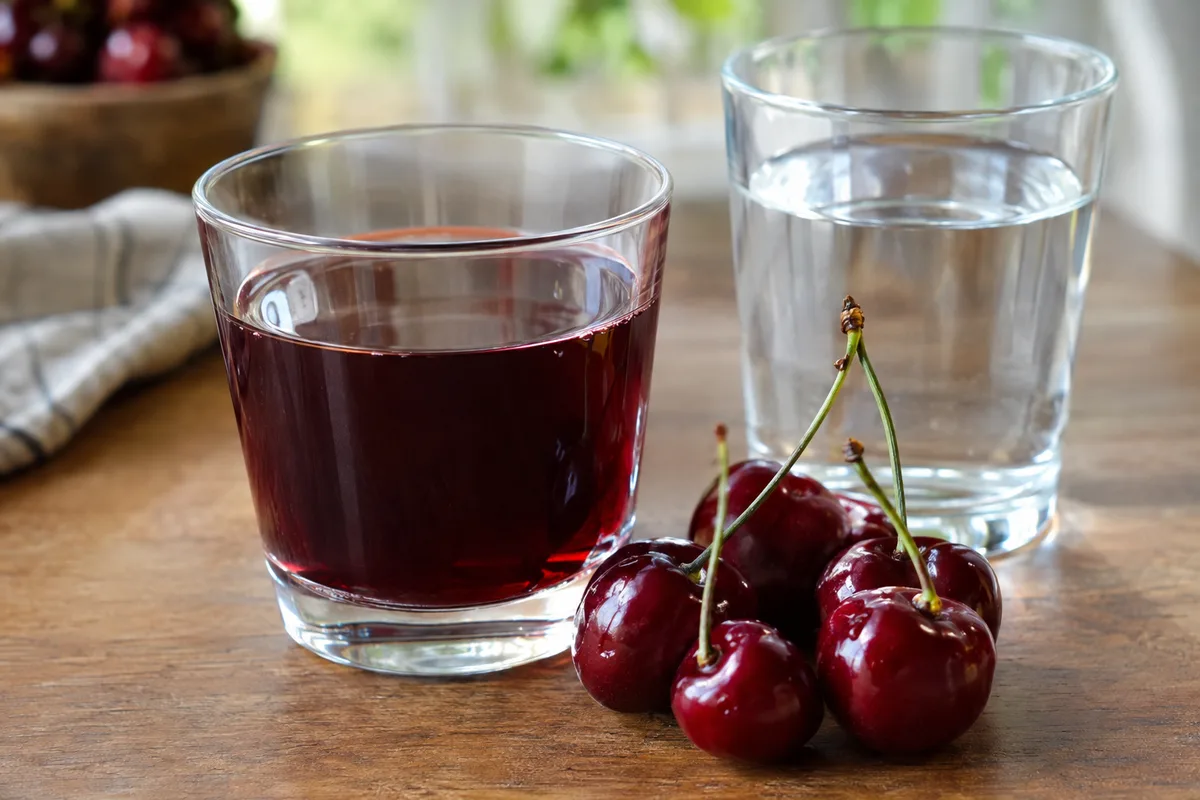
Labels can describe cherry drinks, juice blends and concentrated juice in similar-sounding ways. Check the ingredients for added sugars, other fruit juices and sweeteners, and note whether the nutrition information refers to the concentrate or the prepared drink.
How to decide whether it suits you
Start with the amount you genuinely enjoy rather than treating cherry juice as a required daily item. Log that portion consistently, then consider its sugar, energy and fibre alongside the rest of your food and drink.
Whole cherries may be a better fit when you want more texture and fibre, while juice can be convenient when you prefer a drink. Neither choice is automatically better, and the most useful option depends on your tastes, routine and overall eating pattern.