
Protein for Bodybuilding: When More Stops Being Useful
Protein supports muscle repair and growth, but a bigger intake is not automatically better. This guide explains how to judge your target, spread protein through the day and spot when it may be excessive.
What protein does for a bodybuilder
Strength training challenges muscle tissue, while protein supplies amino acids used during repair and adaptation. Eating enough protein supports this process, but the training itself provides the reason for the body to adapt. Extra protein cannot make up for an inconsistent programme, limited recovery or insufficient overall food.
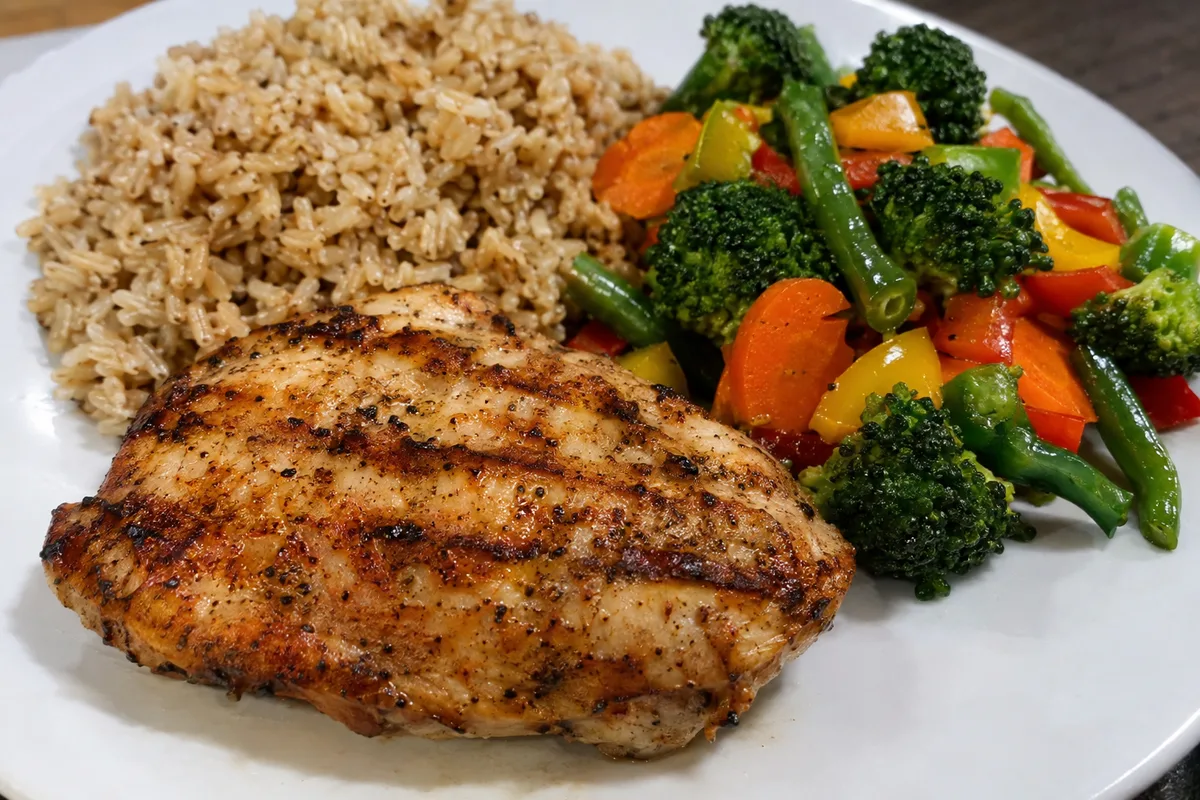
Protein also contributes energy at about 4 kcal per gram. If you eat more than your body needs for its various jobs, those calories still count towards your daily intake. The body does not reserve every spare gram specifically for building new muscle.
- Supports the repair and maintenance of muscle tissue
- Provides amino acids needed for normal body processes
- Adds to daily energy intake
- Helps meals feel substantial and satisfying
There is no single perfect amount
A useful protein target depends on body size, training volume, goals and total calorie intake. Someone dieting for a bodybuilding event may plan meals differently from someone gaining weight gradually. Experience, food preferences and digestion also affect what is practical.
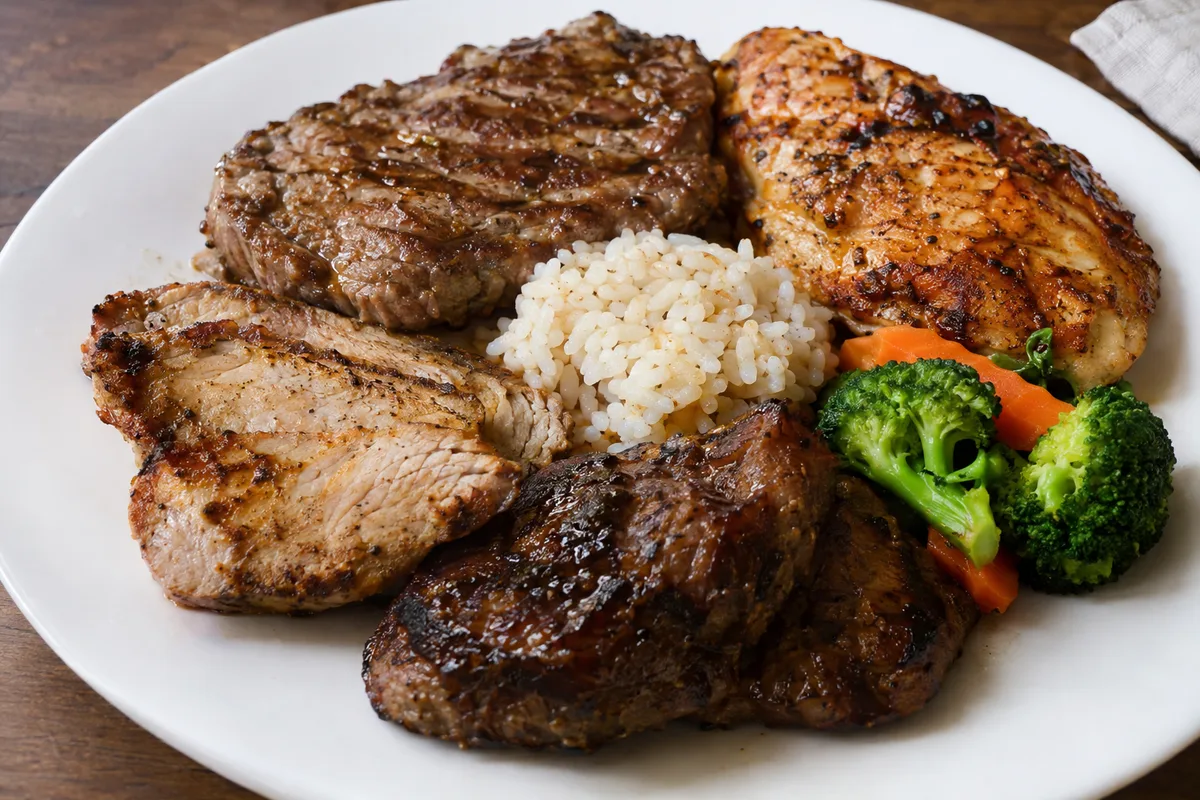
Bodyweight-based targets can provide a starting point, but they are not a universal cut-off between enough and too much. Your preferred range should fit your full diet rather than dominate it. If you already track food, compare your usual intake with your training progress, recovery and meal balance before raising it.
- Consider your current body size and goal
- Account for how often and how hard you train
- Check whether your total calorie intake supports the goal
- Choose an amount you can spread across normal meals
- Review the target when your training phase changes
When protein may be too high
Protein becomes less useful when adding more leaves no room for foods that support training in other ways. A very protein-heavy plan may squeeze out carbohydrate, dietary fat, fruit, vegetables and sources of fibre. It may also make eating feel repetitive or uncomfortably filling.

Carbohydrate helps fuel demanding lifting sessions, while dietary fat has important roles in normal body function. Fruit, vegetables, pulses and wholegrains add fibre and a broad range of nutrients. If increasing protein weakens these parts of your diet without improving training or recovery, the extra amount may not be earning its place.
- Meals regularly lack carbohydrate-rich foods
- Fruit, vegetables and fibre-rich foods keep being pushed aside
- Dietary fat becomes difficult to fit into the day
- You feel overly full or uncomfortable after protein-heavy meals
- Protein rises even though training performance and recovery appear unchanged
Spread protein rather than chasing one huge serving
A large evening serving does not need to carry the whole day. Dividing protein between meals gives you several practical chances to include it alongside carbohydrate, fats and colourful plant foods. This approach can also make meals easier to eat and track.
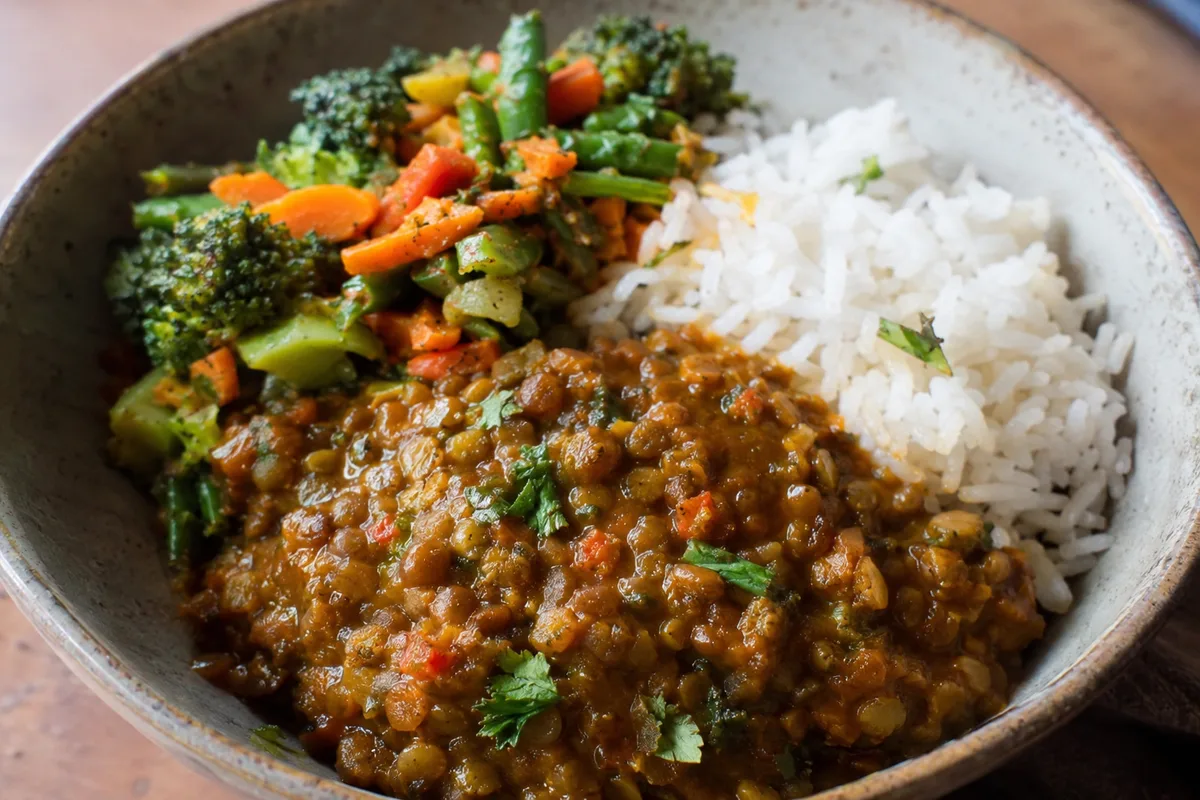
You do not need every meal to contain exactly the same amount. A simple pattern might include a clear protein source at breakfast, lunch and dinner, with a snack when it suits your schedule. The best distribution is one that works around training and can be repeated without constant calculation.
- Eggs with wholegrain toast and fruit
- Yoghurt with oats, nuts and berries
- Chicken, rice and mixed vegetables
- Tofu with noodles and stir-fried vegetables
- Beans in a baked potato with salad
Use whole meals as the starting point
Protein powders and bars can be convenient, but they are not required for bodybuilding. Everyday foods can provide protein while also bringing different textures and nutrients to the diet. Starting with meals makes it easier to see whether the whole day is balanced.
Include a suitable protein food, then build the rest of the meal around your training needs and appetite. Add a carbohydrate source, some vegetables or fruit, and an appropriate source of fat. This prevents protein tracking from turning into a contest to reach the highest possible number.
- Fish, potatoes, peas and roasted vegetables
- Lean meat, couscous, salad and olive oil
- Lentil curry with rice and vegetables
- Tofu, noodles, greens and sesame seeds
- Yoghurt, banana, oats and nut butter
Review your target using your own records
Your food log can show more than a daily protein total. Look at when you eat protein, which foods provide it and what disappears from the diet when the target rises. Compare that pattern with training consistency, strength progression, appetite, comfort and recovery.
Adjust one part of the plan at a time so you can judge what changes. If you already meet a steady target and your wider diet supports training, automatically adding more is unlikely to be the most useful next step. The right upper limit is personal, but it has probably been passed when extra protein creates clear trade-offs without a clear benefit.
- Review several typical days rather than one unusual day
- Check protein distribution across meals
- Notice whether carbohydrate, fats or fibre are being crowded out
- Compare intake with training quality and recovery
- Keep the lowest practical target that supports your current goal