
How to Chart the Protein Content of Foods
A protein chart puts the foods you eat regularly into one simple reference. Using consistent portions and reliable label data makes it genuinely useful for tracking.
Choose a consistent basis
Decide whether your chart will show protein per serving, per 100 grams, or both. Per 100 grams is useful for comparing foods fairly, while a usual serving can make daily logging faster.
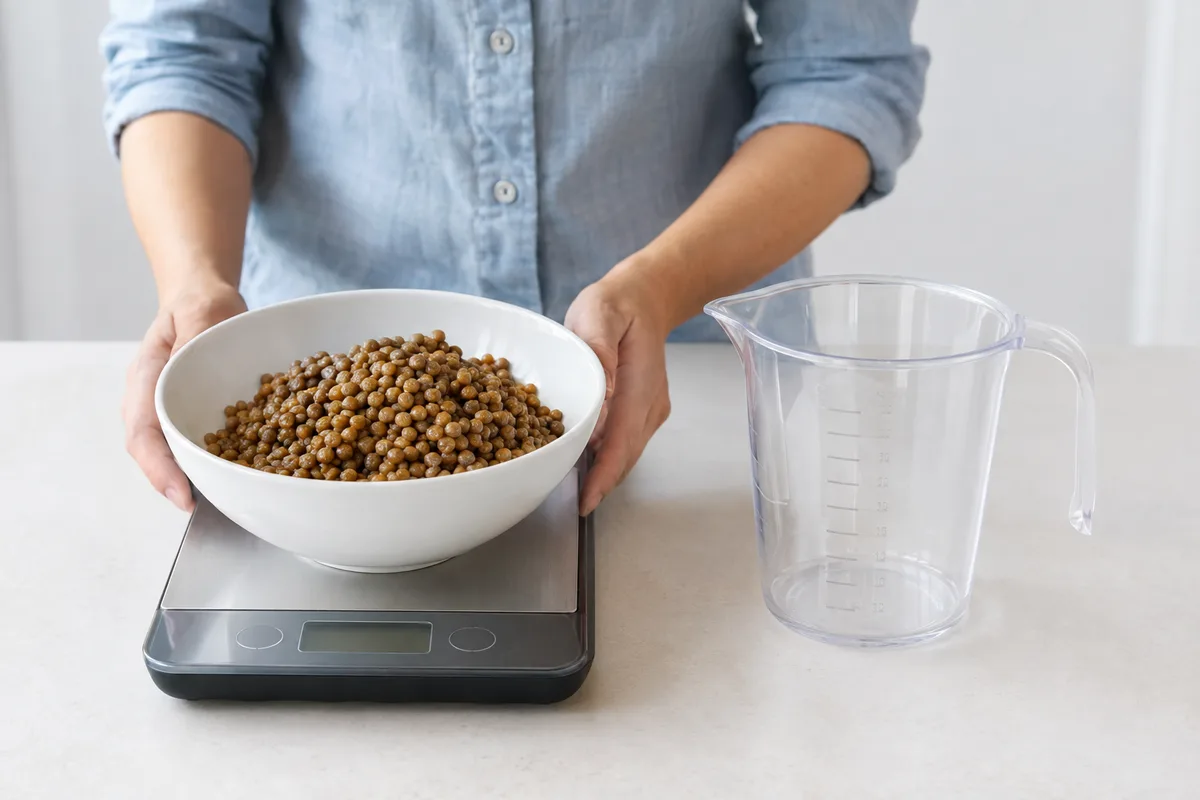
Keep the food's form consistent because raw, cooked, drained and dried values can differ. Water gained or lost during preparation changes the weight, so record the form beside each entry.
Build a simple chart
Create columns for food name, portion weight, protein in that portion, preparation and data source. A final notes column can capture details such as brand, drained weight or whether the entry includes bones or other inedible parts.
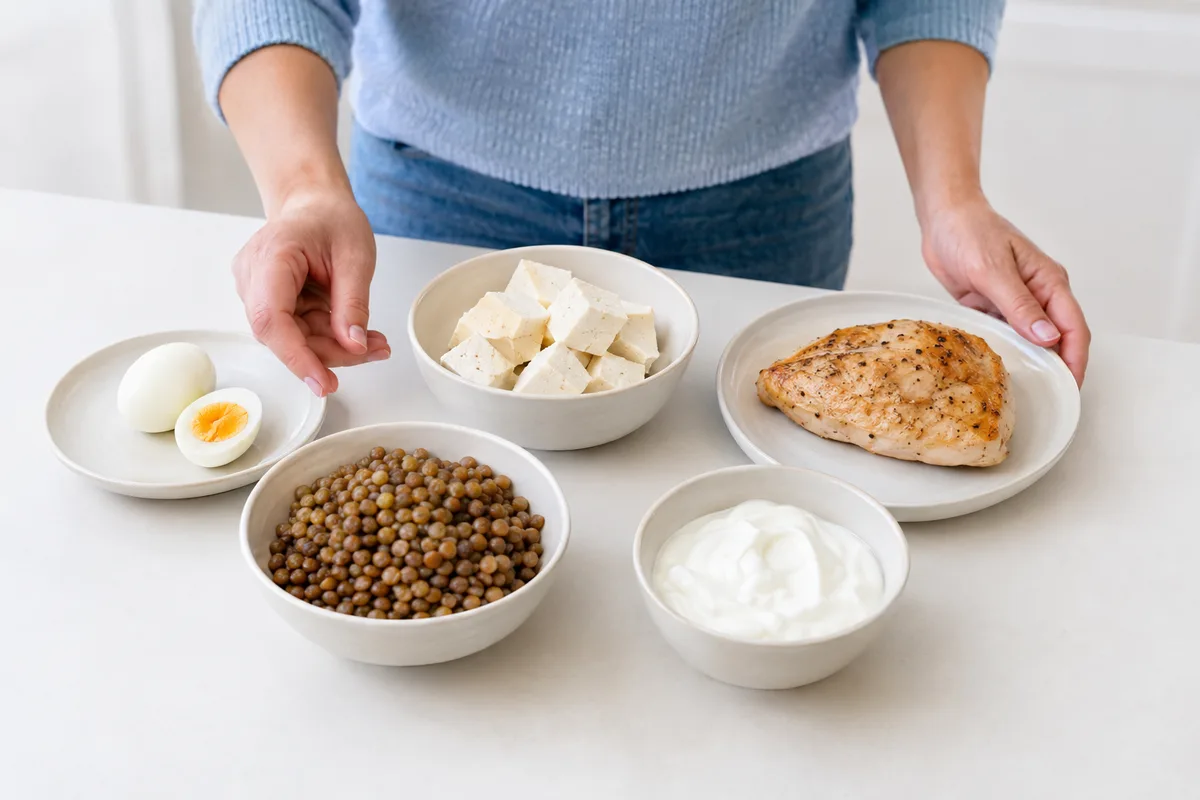
Start with foods that appear often in your diary rather than trying to catalogue everything. Group them in a way that suits your routine, such as breakfast staples, main-meal ingredients, snacks and cupboard basics.
Find and check protein values
Use the nutrition label when you eat a specific packaged food, and use a reputable food composition database for basic ingredients. Check that the listed food and preparation match what you weighed, rather than choosing the first similar name.

Protein content can vary by variety, recipe, brand and cooking method, so there is not one correct number for every version of a food. If sources disagree, use the value that most closely matches your item and note where it came from.
Use the chart in your food log
When your portion differs from the chart, scale the protein value to match the weight you ate. For example, divide the listed protein by the listed weight, then multiply by your portion weight.

Review the chart when labels change or when you start eating a different version of a regular food. Treat it as a working reference rather than a fixed ranking, because portion size and the rest of the day's meals matter as much as the order of the list.