
Which Foods Contain Casein Protein?
Casein is a protein found naturally in milk and many foods made from it. This guide explains the main sources, less obvious ingredients and practical ways to track them.
What casein is
Casein is one of the main proteins in the milk of cows, goats and sheep. It forms soft curds when milk meets acid or certain enzymes, which is why it plays an important part in making cheese and yoghurt. The other main group of milk proteins is whey.
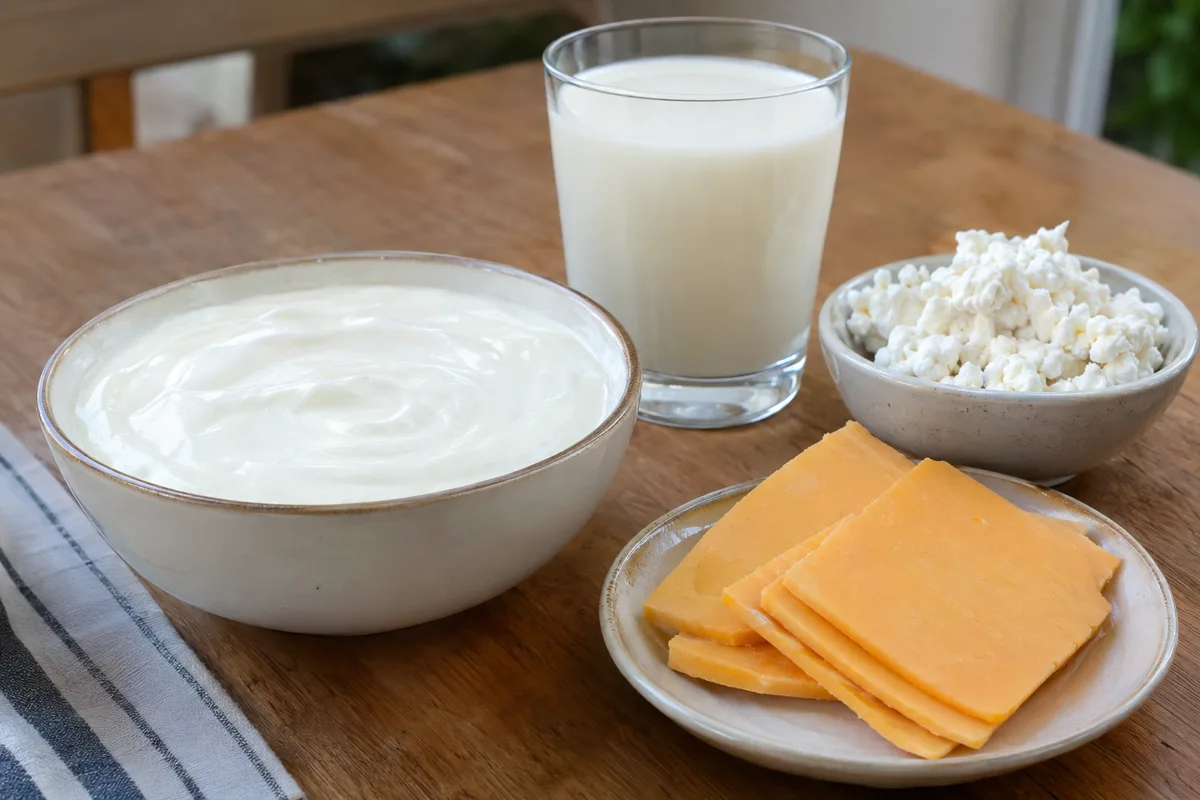
Casein provides energy at about 4 kcal per gram, as all protein does. However, the total energy in a casein-containing food also depends on its fat and carbohydrate content. When tracking food, log the complete product rather than counting casein on its own.
Everyday foods that contain casein
Milk is the starting point for most common sources of casein. Foods that keep much of the milk protein, including yoghurt and cheese, usually contain it too. The amount varies with the type of food and how much water, fat and whey are removed during production.
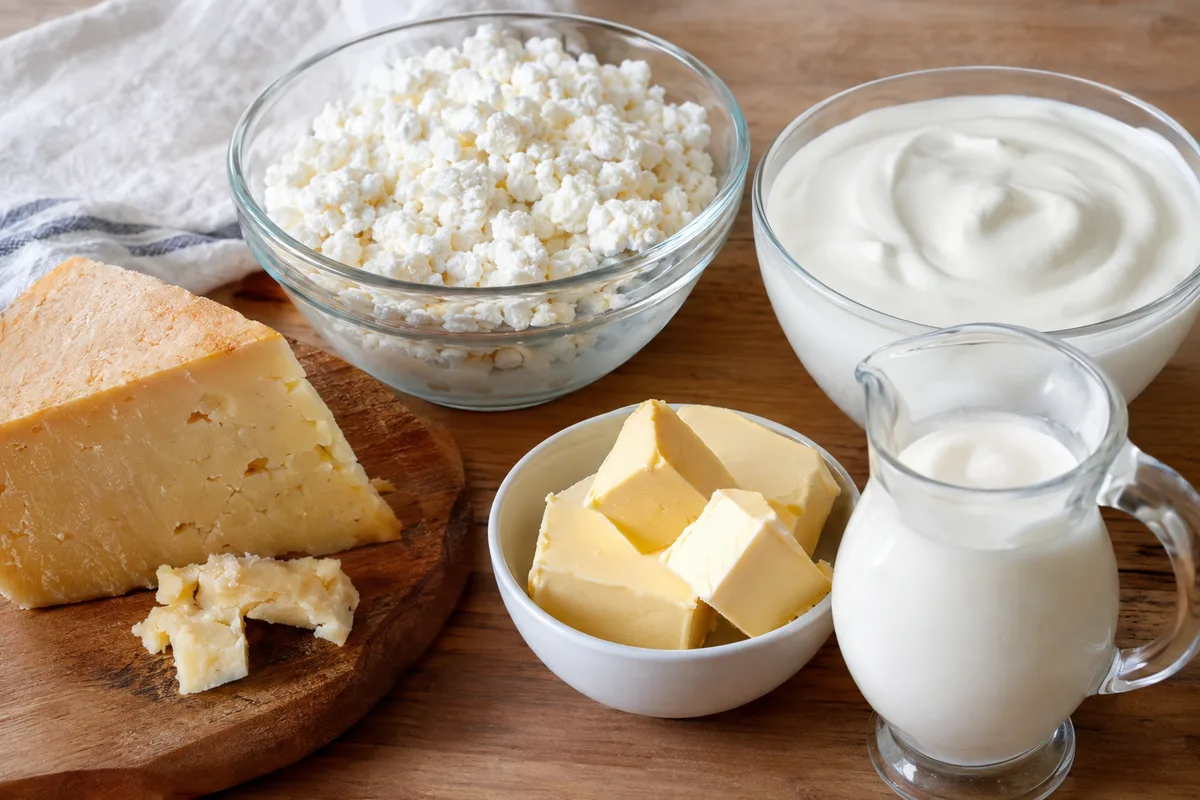
A thick or concentrated dairy food may provide more protein per spoonful than ordinary milk, but the label gives the clearest answer for a particular product. Reduced-fat and full-fat versions can contain similar types of protein while differing in total energy. Check the serving size before comparing entries in your food log.
- Cow's, goat's and sheep's milk
- Natural, Greek-style and strained yoghurt
- Cheddar, mozzarella and other firm cheeses
- Cottage cheese, quark and similar fresh cheeses
- Milk-based desserts and drinks
Why dairy foods have different amounts
Cheese making separates milk into curds and liquid whey. Much of the casein stays in the curds, so cheese is generally a concentrated source. Its total protein, fat and energy still vary according to the style and production method.
Yoghurt also contains casein because it is made from milk, while strained yoghurt has some liquid removed. Cream and butter begin as dairy foods but are mainly valued for their fat, so they usually contribute less protein than milk, yoghurt or cheese. Exact figures depend on the product, portion and recipe.
- Firm cheese: concentrated milk solids with relatively little water
- Fresh cheese: more moisture, with protein varying by style
- Strained yoghurt: thicker because some liquid has been removed
- Cream: mostly fat, with less protein than milk
- Butter: mostly fat, with only a small amount of milk protein
Less obvious sources in packaged foods
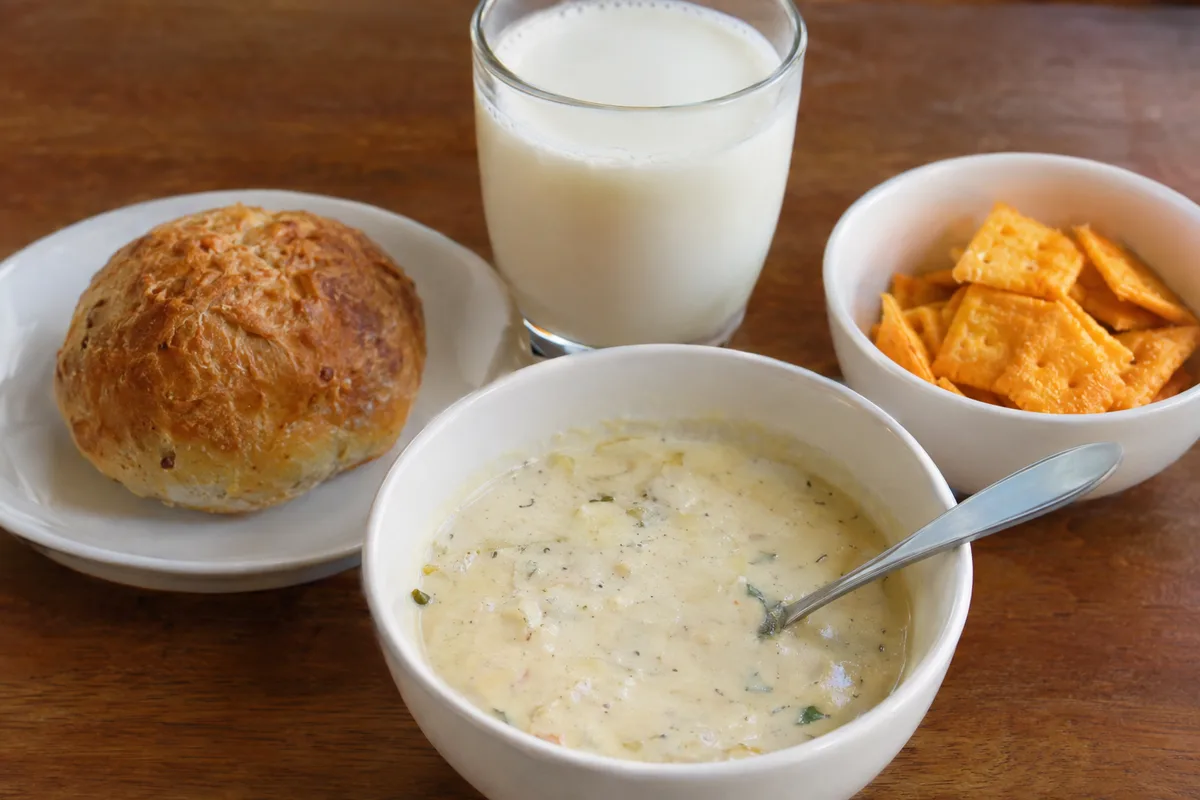
Casein can appear in foods that use milk proteins for texture, flavour or structure. Examples may include baked goods, creamy sauces, instant drinks, confectionery and savoury snacks. Not every version contains it, so the product name alone is not enough to tell.
Look for milk and milk-derived terms in the ingredients list. Casein may be named directly, or it may appear through an ingredient such as milk powder or cheese powder. Recipes can change, making the current packet more useful than an old food-diary entry.
- Casein or caseinate
- Milk protein or milk protein concentrate
- Skimmed or whole milk powder
- Cheese powder
- Milk solids
How to log casein-containing foods
Start with the exact food and portion you ate. For a packaged item, use the nutrition panel and match the amount in your log to the amount on the plate. For an unpackaged food, choose a database entry that closely describes its type and fat level.
Record mixed dishes as a recipe when possible, because a creamy pasta sauce and a cheese-topped bake can contain very different amounts of dairy. Include milk added to drinks, yoghurt used in dressings and cheese added during cooking. These details make the log more useful without requiring you to estimate casein separately.
- Match the brand and product type when that information is available
- Check whether the nutrition values are listed per portion or per 100 grams
- Weigh or measure the amount using your usual tracking method
- Add dairy ingredients used in sauces, toppings and drinks
- Save regular recipes so repeated meals are easier to log consistently
Foods that do not naturally contain casein
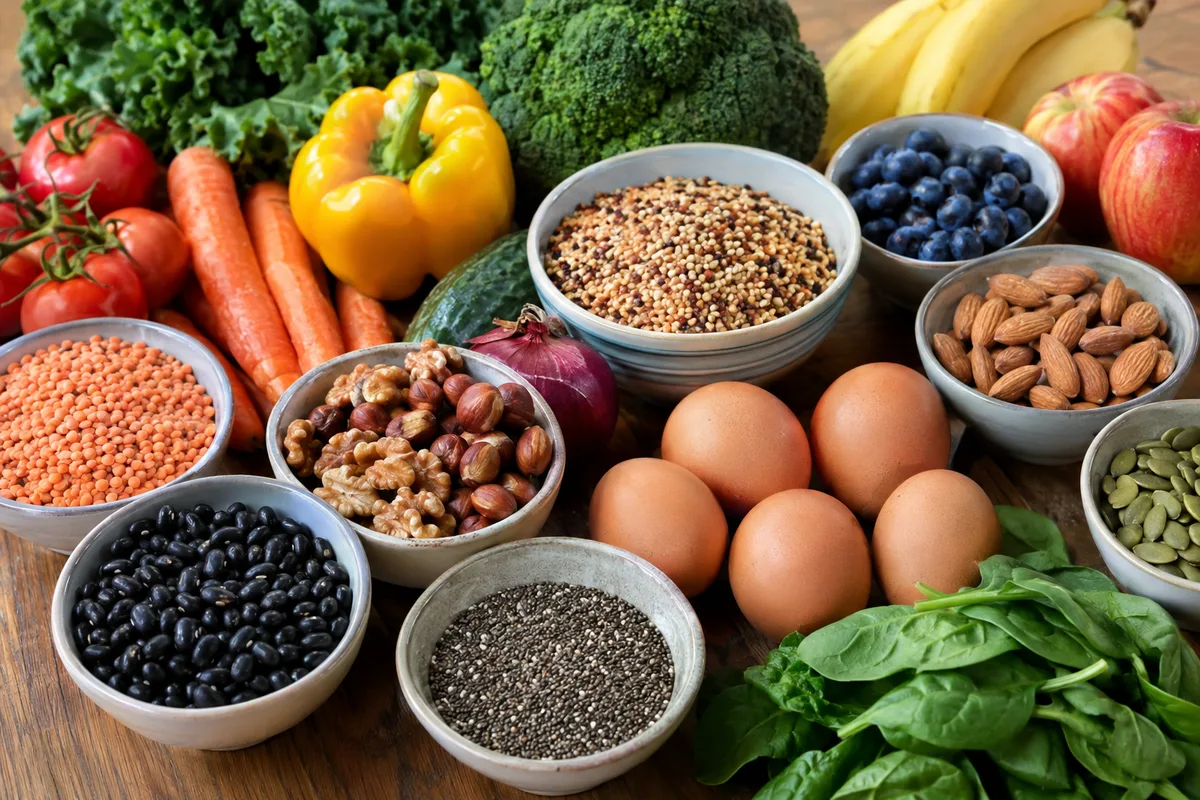
Casein is specific to milk, so plain meat, fish, eggs, beans, lentils, nuts, seeds, grains, fruit and vegetables do not naturally contain it. Plant-based drinks and yoghurts also begin without casein. Their protein and energy content can differ considerably from dairy versions.
Prepared foods made from these ingredients may still include milk or a milk-derived ingredient. A breaded food, sauce, dessert or flavoured snack can therefore contain casein even when its main ingredient does not. Read the ingredients and log the finished product rather than assuming from the food category.
- Plain eggs, meat and fish
- Beans, lentils and peas
- Nuts and seeds
- Fruit, vegetables and grains
- Plant-based drinks and yoghurts without milk-derived ingredients