
9 foods that are good sources of lean protein
Lean protein foods provide protein without bringing as much fat as richer alternatives. Here are nine options, along with simple ways to prepare, portion and log them.
What makes a protein food lean
Protein supports the maintenance and growth of muscle and helps make meals feel substantial. A lean protein source provides plenty of protein relative to its fat content. It does not need to be completely fat-free, and some fat can still form part of a balanced meal.
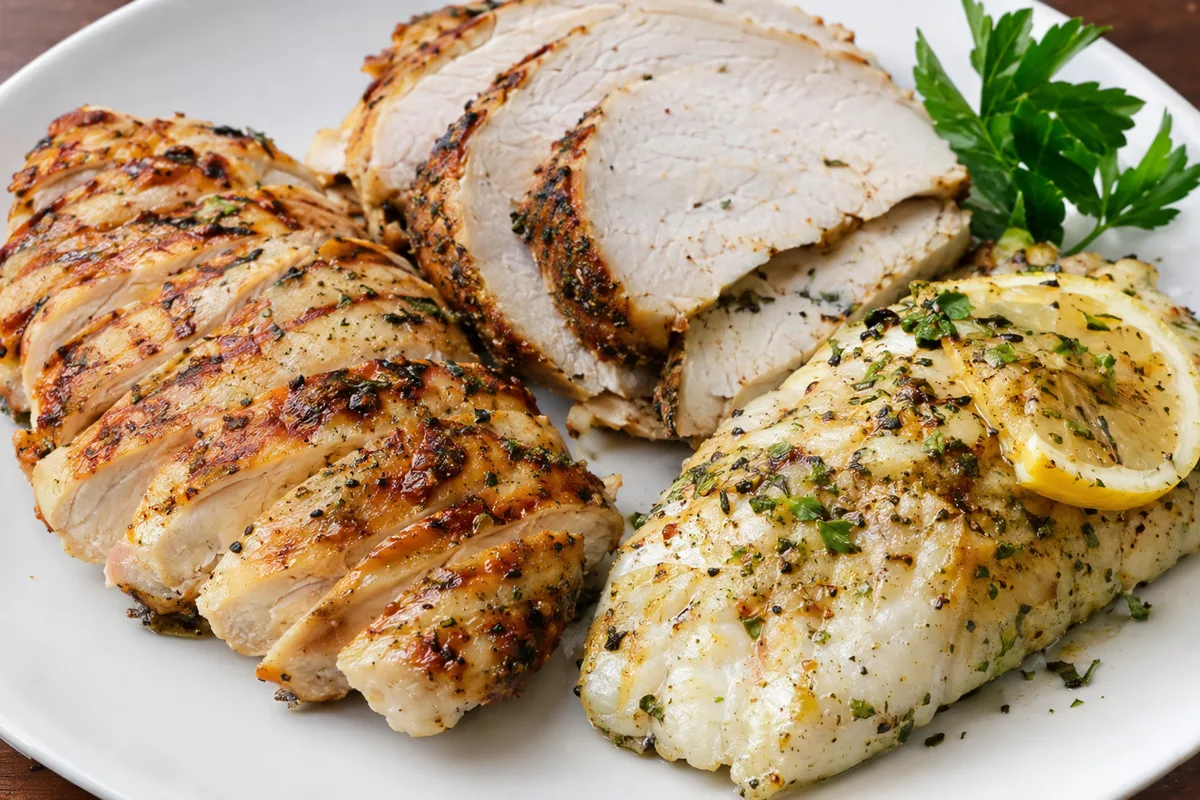
The overall dish matters as much as the main ingredient. Frying, creamy sauces, pastry and generous amounts of oil can add more fat and energy than the protein food itself. When comparing packaged foods, check the protein, fat and serving information on the label.
- Choose grilled, baked, poached or steamed options more often
- Measure cooking oil if you include it in your food log
- Track sauces, coatings and marinades separately
- Compare similar products using the same weight
Chicken, turkey and white fish
Skinless chicken breast and turkey breast are familiar lean choices that work in salads, sandwiches, soups and warm meals. Removing poultry skin keeps the fat content lower. Check whether ready-cooked versions contain added oil, coatings or sauces before logging them.
White fish is another useful option because many varieties are naturally low in fat. It can be baked with herbs, poached in a tomato-based sauce or flaked into a grain bowl. The exact protein and fat content varies by species and preparation, so use the label or database entry that matches what you ate.
- 1. Skinless chicken breast
- 2. Skinless turkey breast
- 3. White fish, such as cod, haddock or pollock
Prawns, eggs and lower-fat Greek-style yoghurt
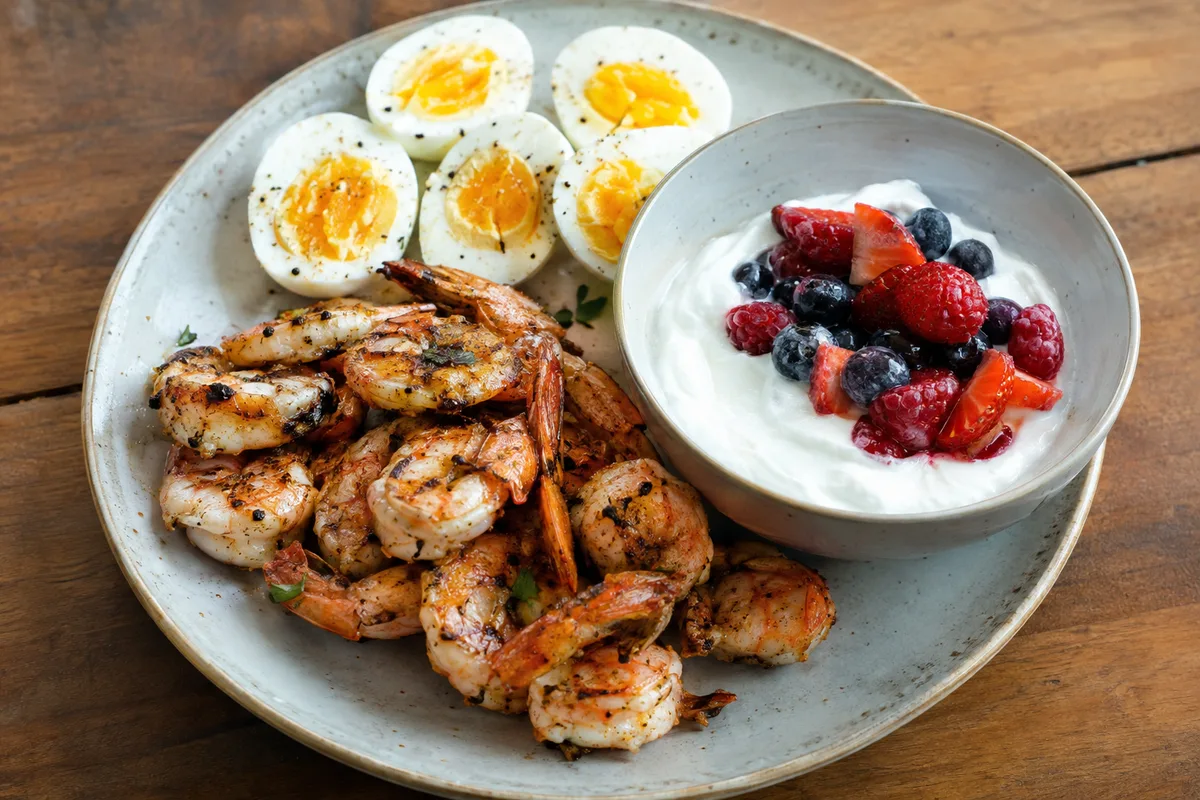
Prawns provide protein with relatively little fat when they are boiled, grilled or cooked with a modest amount of oil. Breaded prawns or those served in rich sauces have a different nutritional profile. Log the preparation method rather than choosing a generic prawn entry.
Eggs contain both protein and fat, while egg whites provide protein with very little fat. Lower-fat Greek-style yoghurt can also be a lean option, but products vary in protein and added sugar. Plain versions are easy to combine with fruit, oats, herbs or chopped vegetables.
- 4. Prawns
- 5. Eggs or egg whites
- 6. Lower-fat Greek-style yoghurt
Tofu, lentils and beans
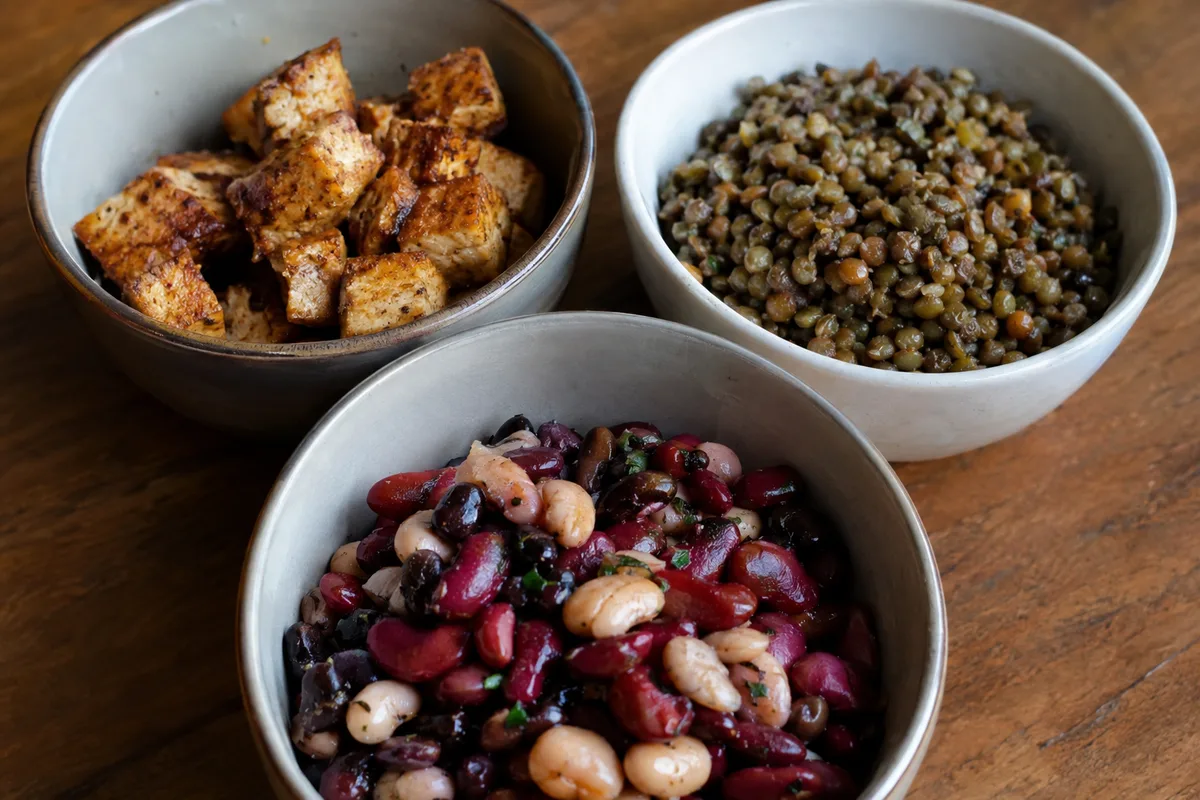
Plant foods can provide lean protein while also adding fibre and variety. Tofu is versatile in stir-fries, curries and salads, although its fat content varies by type. Lentils and beans contain carbohydrate as well as protein, so their food-log entries will look different from those for poultry or fish.
Lentils and beans can replace some or all of the meat in soups, stews and chilli-style dishes. Tofu takes on the flavour of spices, citrus, herbs and marinades. When using canned pulses, drain them and log the drained amount if that matches the nutrition label.
- 7. Tofu
- 8. Lentils
- 9. Beans, such as cannellini, kidney or black beans
Keep cooking methods simple
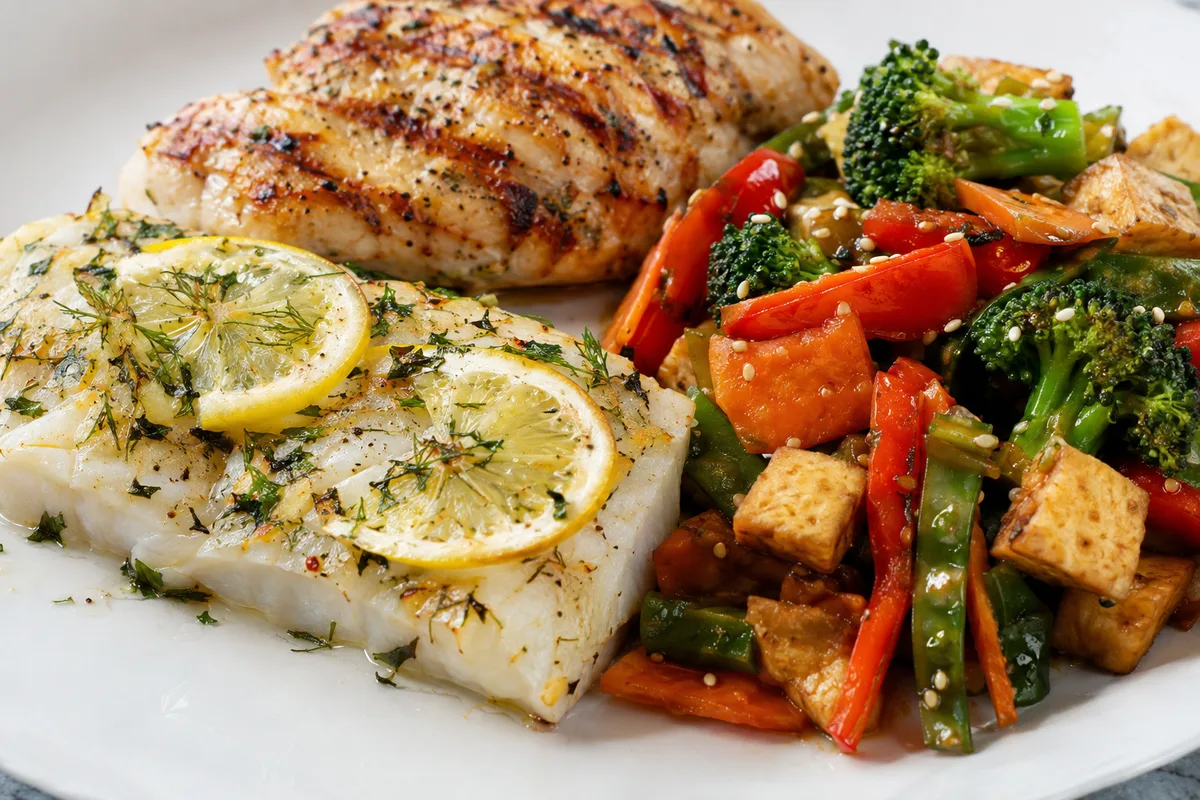
A lean ingredient can become a richer meal depending on how it is cooked. Deep frying, buttery finishes and thick cheese sauces add fat that may be easy to overlook. Baking, grilling, steaming and poaching make the separate ingredients easier to identify and track.
Flavour does not need to come mainly from fat. Try lemon juice, vinegar, garlic, ginger, chilli, pepper, fresh herbs or dry spices. If you use oil, dressings or marinades, include them in your log rather than treating them as part of the protein food.
- Bake white fish with lemon, pepper and herbs
- Grill chicken or turkey with a dry spice rub
- Stir tofu through vegetables with a measured sauce
- Add lentils or beans to a tomato-based stew
How to track lean protein accurately
Choose the food-log entry that most closely matches the food and its state. Raw and cooked weights are not interchangeable because cooking changes water content. Packaged foods are usually simplest to track from their own label.
You do not need every meal to contain the same amount of protein. Your suitable intake and portion size depend on your body, activity, appetite and wider eating pattern. Aim for consistent entries and review the full meal rather than judging one ingredient on its own.
- Match raw food with a raw database entry
- Match cooked food with the correct cooking method
- Use the package label for branded or prepared foods
- Add oils, sauces, coatings and side dishes separately