
Which Foods and Drinks May Contain Aspartame?
Aspartame can appear in products made with less sugar or no added sugar, but similar products may use different sweeteners. This guide covers where to look, what labels can say and how to record it in your food diary.
What aspartame is
Aspartame is an intense sweetener used to give foods and drinks a sweet taste without relying entirely on sugar. Because only a small amount is needed, it is often found in products described as sugar free, low sugar or reduced sugar. Those descriptions are clues rather than proof, so the ingredient list remains the best place to check.

Aspartame adds little energy in the amounts normally used in food. It may be combined with other sweeteners to shape the flavour or make sweetness last longer. A recipe can also change, which means a familiar product may not always contain the same ingredients.
- Look for the word “aspartame” in the ingredients
- Check for the additive number E951
- Notice wording such as “with sweetener” or “with sweeteners”
- Read the current pack rather than relying on an old diary entry
Drinks that may contain aspartame
Soft drinks are among the most familiar places to find aspartame. Diet, light, zero-sugar and no-added-sugar versions may use it, although some use other sweeteners instead. The flavour, brand and country of sale can all affect the recipe.

Powdered drink mixes and concentrated squashes may also contain aspartame. Ready-made tea, coffee and flavoured water can include sweeteners too, particularly when the label highlights a lower sugar content. Standard versions of the same drink may have a completely different ingredient list.
- Diet or zero-sugar fizzy drinks
- Low-sugar squash and drink concentrates
- Powdered drinks mixed with water
- Some flavoured waters
- Some ready-to-drink teas and coffees
Sweet foods that may contain it
Aspartame sometimes appears in sweet foods where manufacturers want sweetness with less sugar. Possible examples include jelly, desserts, yoghurt and chewing gum. It is not present in every reduced-sugar version, so check each product separately.
Products that are heated during preparation may use a blend of sweeteners or choose another option because aspartame is not suited to every recipe. Chilled desserts and foods eaten directly from the packet are more likely places to check. Even two flavours in the same range can have different ingredients.
- Sugar-free chewing gum and mints
- Low-sugar jelly or dessert mixes
- Some reduced-sugar yoghurts
- Some chilled mousses and desserts
- Some sugar-free sweets
Tabletop products and nutrition foods
Some tabletop sweeteners contain aspartame and are sold as tablets, powders or granules. Others are based on entirely different sweeteners, even when the packaging looks similar. The ingredients will show which type you have used.
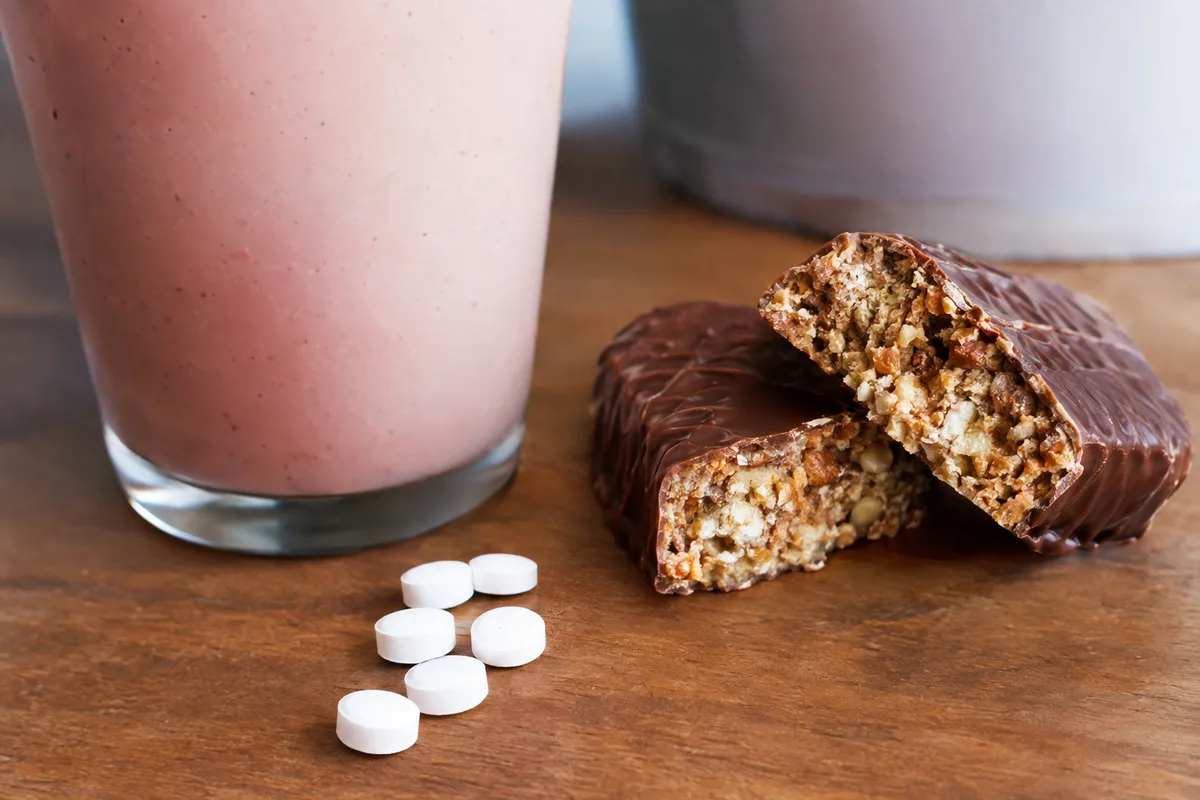
Aspartame may also appear in flavoured nutrition powders, snack bars or prepared shakes. It is often part of a blend rather than the only sweetener. Unflavoured and flavoured versions of the same product may differ, so do not copy an ingredient entry across automatically.
- Some sweetener tablets
- Some powdered tabletop sweeteners
- Some flavoured nutrition powders
- Some prepared shakes
- Some reduced-sugar snack bars
How to spot aspartame on a label
Start with the ingredients rather than the large claims on the front. Ingredients are usually listed in descending order by weight, but aspartame may sit near the end because only a small amount is needed. It may be named directly or shown with its additive number.
A label for a food containing aspartame may also state that it contains a source of phenylalanine. This is a specific labelling notice and another useful sign when scanning a pack. If you are checking for personal dietary reasons, read the full label every time you choose a different size, flavour or format.
Restaurant menus and loose foods may not show a full ingredient list beside the item. You can ask for the available ingredient or allergen information, though the level of detail may vary. If the information is unclear, record that uncertainty rather than guessing.
- Find the ingredients panel
- Scan for “aspartame” or “E951”
- Look for the phenylalanine statement
- Check whether several sweeteners are listed
- Recheck after a packaging or recipe change
Recording aspartame while tracking food
Calorie tracking and ingredient tracking answer different questions. Your diary may show the energy and nutrients in a serving without naming every additive. If aspartame matters to you, add a short note alongside the usual food entry.
Save the exact flavour and version rather than entering only a broad name such as “fizzy drink” or “yoghurt”. This makes it easier to match your diary with the label you actually read. When a recipe changes, update the note instead of assuming the previous entry still applies.
There is no reliable rule that every sugar-free food contains aspartame. Some use another sweetener, some use a blend and some are not sweetened at all. Treat front-of-pack wording as a prompt to investigate, not as a final answer.
- Record the full product and flavour name
- Note “aspartame” or “E951” beside the entry
- Keep different versions as separate diary foods
- Review saved entries when labels change