
Foods High in Pectin and How to Add Them to Your Food Log
Pectin is a type of soluble fibre found naturally in plant foods, especially fruit. This guide covers the main food sources, how ripeness and cooking matter, and practical ways to track them.
What pectin is
Pectin is a type of soluble fibre found in the cell walls of plants. It helps give fruit and vegetables their structure. When mixed with liquid, it can thicken or form a gel, which is why pectin-rich fruit is often used in jams and preserves.
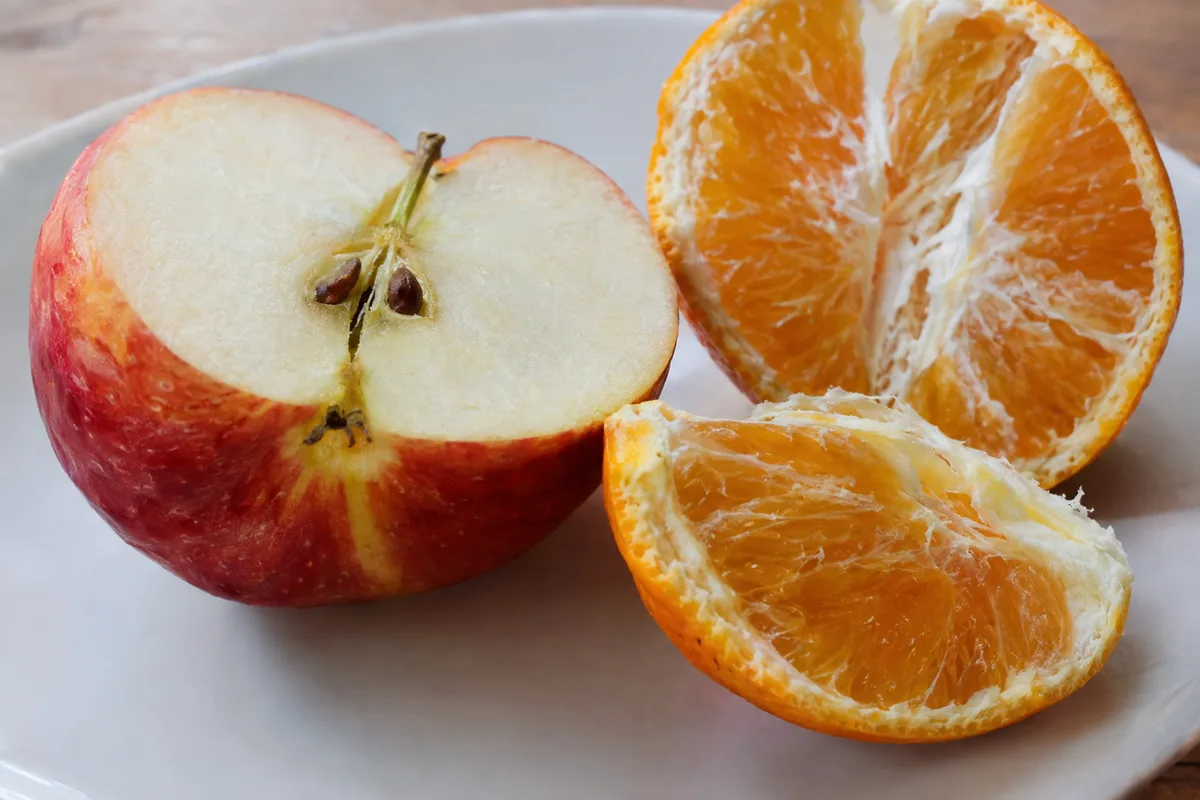
Your food log may not show pectin as a separate entry because it is usually included within total fibre. The exact amount in a food depends on the variety, ripeness, preparation and portion. Rather than trying to track pectin precisely, you can record the whole food and use its fibre value where available.
- Naturally present in fruit and vegetables
- Counted as part of total dietary fibre
- Often concentrated in skins, cores and the white pith of citrus fruit
- Able to thicken when prepared with liquid
Fruits that are particularly rich in pectin
Apples, citrus fruits and quinces are among the best-known natural sources of pectin. Much of the pectin in an apple sits in and around the skin and core, while citrus fruit contains plenty in its peel and white pith. Eating the edible parts of the whole fruit generally provides more fibre than drinking strained juice.
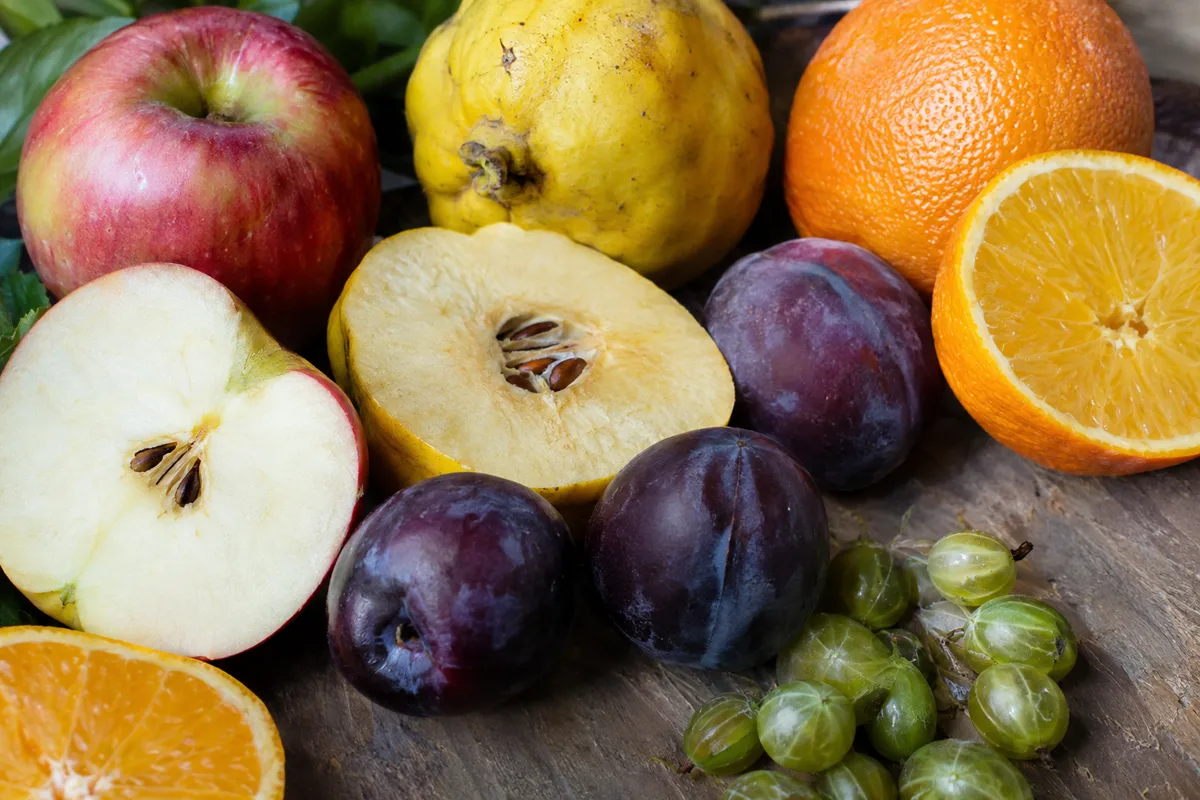
Quince is naturally firm and becomes softer when cooked. Plums and some other stone fruits also provide pectin, although the amount changes with variety and ripeness. Log the portion you actually eat, including the skin when it is left on.
- Apples, especially with the skin
- Oranges, lemons, limes and grapefruit, including some of the white pith
- Quinces
- Plums and damsons
- Gooseberries
Other fruits that provide pectin
Many everyday fruits contain pectin even if they are not the most concentrated sources. Berries, apricots, peaches and pears can all contribute to your overall fibre intake. Whole or lightly prepared fruit usually retains more of its natural structure than clear juice.
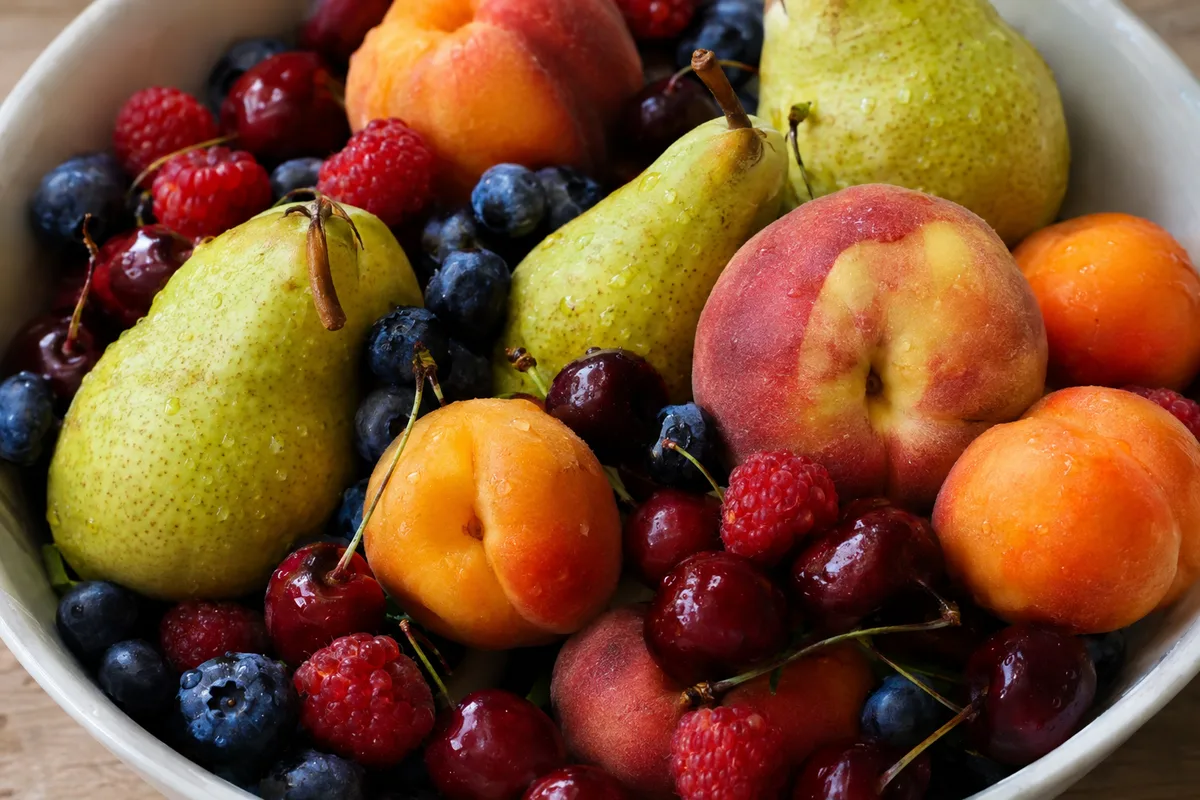
The amount of pectin is not fixed across every piece of fruit. Growing conditions, variety and storage can all make a difference. For tracking, use the closest matching food entry and choose whether it was raw, cooked, peeled or unpeeled.
- Pears
- Apricots and peaches
- Blackcurrants and redcurrants
- Strawberries, raspberries and blackberries
- Cherries and grapes
Vegetable sources of pectin
Pectin is not limited to sweet fruit. Vegetables also contain it because it forms part of plant cell walls. Carrots, tomatoes and potatoes are useful examples, though their pectin content varies with variety and preparation.
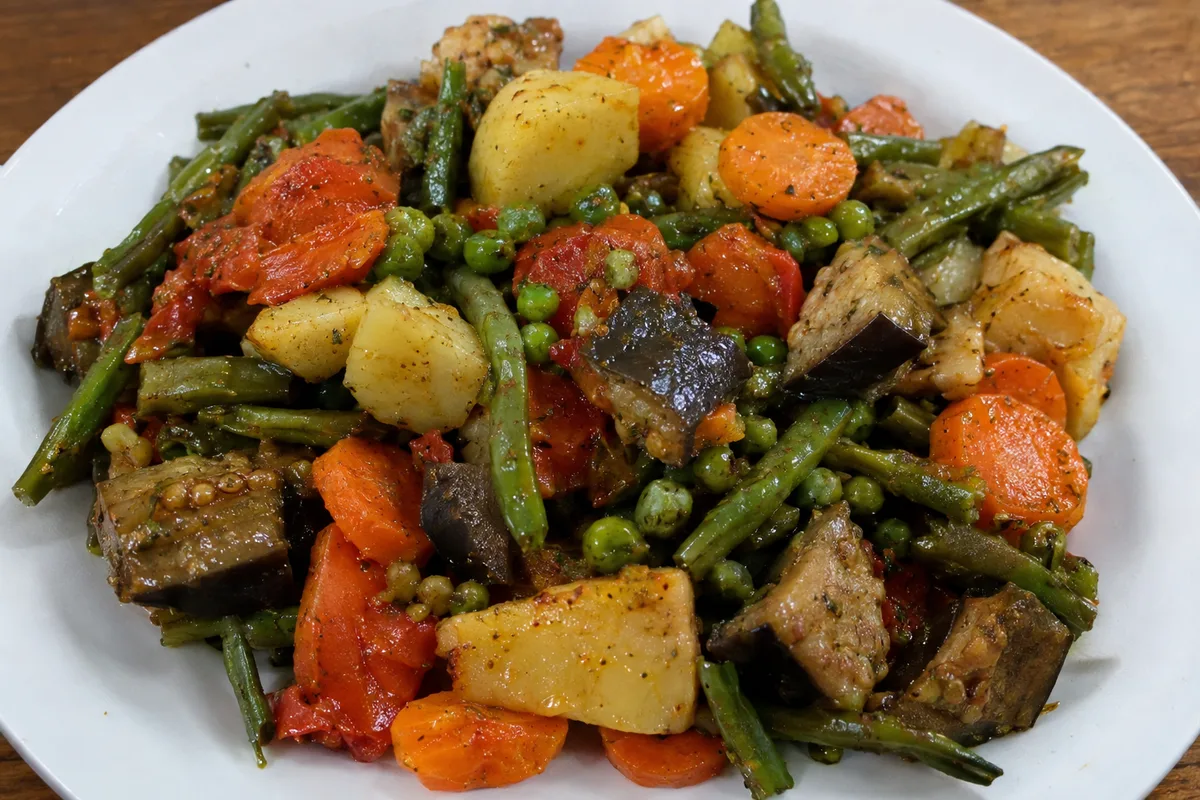
Cooking softens plant cell walls and changes the texture of pectin. This can make vegetables easier to mash or blend, but it does not turn them into fibre-free foods. When logging a mixed dish, record the vegetables as well as oils, sauces and other ingredients.
- Carrots
- Tomatoes
- Potatoes and sweet potatoes
- Peas and green beans
- Aubergines
How ripeness and preparation affect pectin
Fruit changes as it ripens. Firm, less-ripe fruit generally contains more pectin that can form a strong gel, while very ripe fruit has more of that pectin broken down. This is why softer fruit behaves differently when cooked.
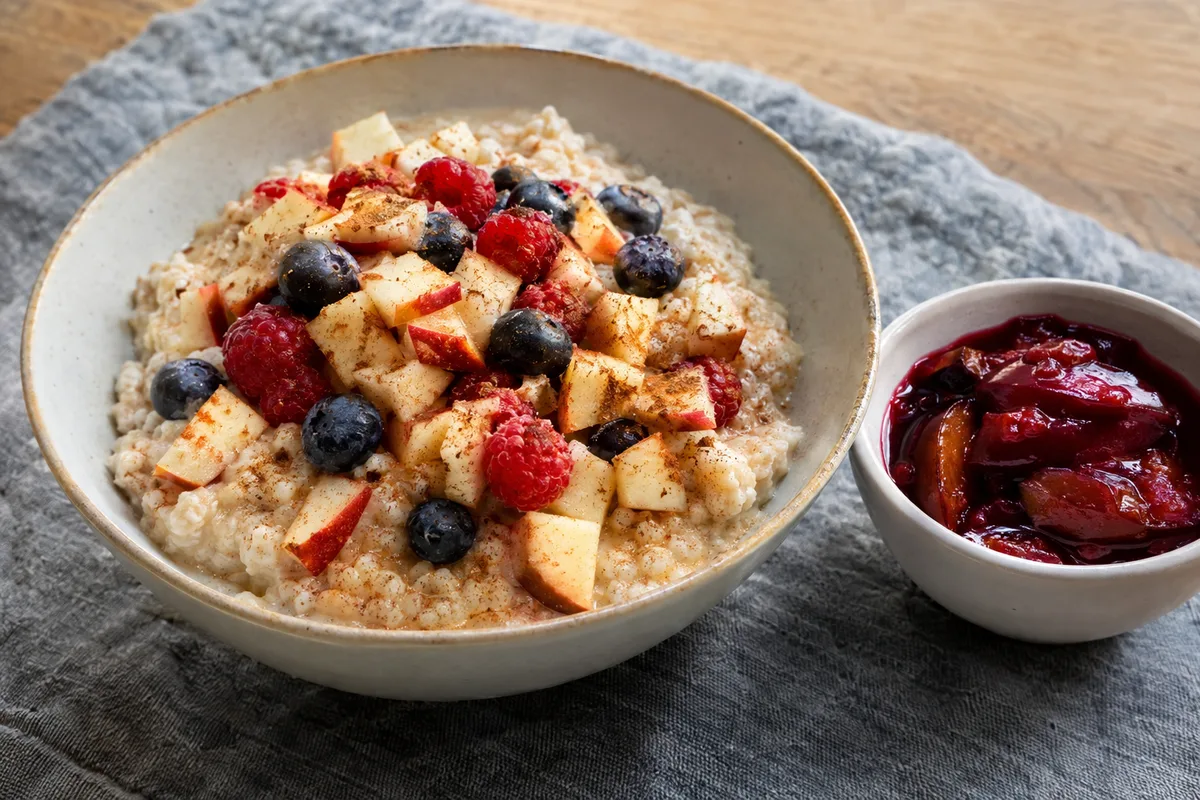
Peeling can remove a pectin-rich part of some foods, but the flesh still provides fibre and other nutrients. Juicing and straining remove much of the solid plant material, whereas blending usually keeps it in the drink. Jam contains fruit pectin, but its full nutrition entry should be logged because recipes often contain other energy-providing ingredients.
- Choose whole fruit when you want to keep the edible skin and pulp
- Log peeled and unpeeled versions separately when your tracker offers both
- Select raw, stewed, baked or canned entries that match what you ate
- Include the full recipe when tracking jam, compote or fruit sauce
Simple ways to eat more pectin-rich foods
You do not need a special ingredient to include more pectin in your meals. Start with familiar whole fruits and vegetables, then choose portions that fit your usual eating pattern. Variety also makes your fibre intake less dependent on one food.
Increase fibre-containing foods gradually if your current intake is low, and drink regularly through the day. Your suitable amount depends on your overall diet and personal needs. Use your food log to notice patterns across several days rather than judging one meal on its own.
- Add chopped apple or pear to porridge or yoghurt
- Serve berries with breakfast or as part of a snack
- Cook carrots, peas or green beans with a main meal
- Make a fruit compote using apples, plums or berries
- Add tomatoes and aubergines to soups, stews or pasta dishes