
Which Foods Are High in Dextrose?
Dextrose is a form of glucose added to some foods for sweetness, texture, browning or quick energy. This guide explains which foods may contain the most and how to identify them without relying on guesswork.
What dextrose is
Dextrose is a simple sugar that is chemically the same as glucose. Food manufacturers may add it for sweetness, but it can also help with colour, texture, moisture and fermentation. It counts as carbohydrate and contributes to the total sugars shown on a nutrition label.
The word can sound unfamiliar, but dextrose is not a separate nutrient category in a food log. Record it as part of the food's total carbohydrate and sugar rather than adding it again. If your tracker has an exact entry for the packaged food, that entry should already include it.
Foods that can contain the most dextrose
The richest sources are usually foods in which dextrose is a main ingredient rather than a minor processing aid. Ingredient lists are arranged by weight, so dextrose near the beginning suggests that it makes up a larger share of the recipe. There is no single amount that makes a food officially high in dextrose.
Recipes vary between manufacturers and even between flavours in the same range. A food category can therefore be a useful starting point, but it cannot confirm the amount. Check the ingredient list and nutrition panel for the item you actually ate.
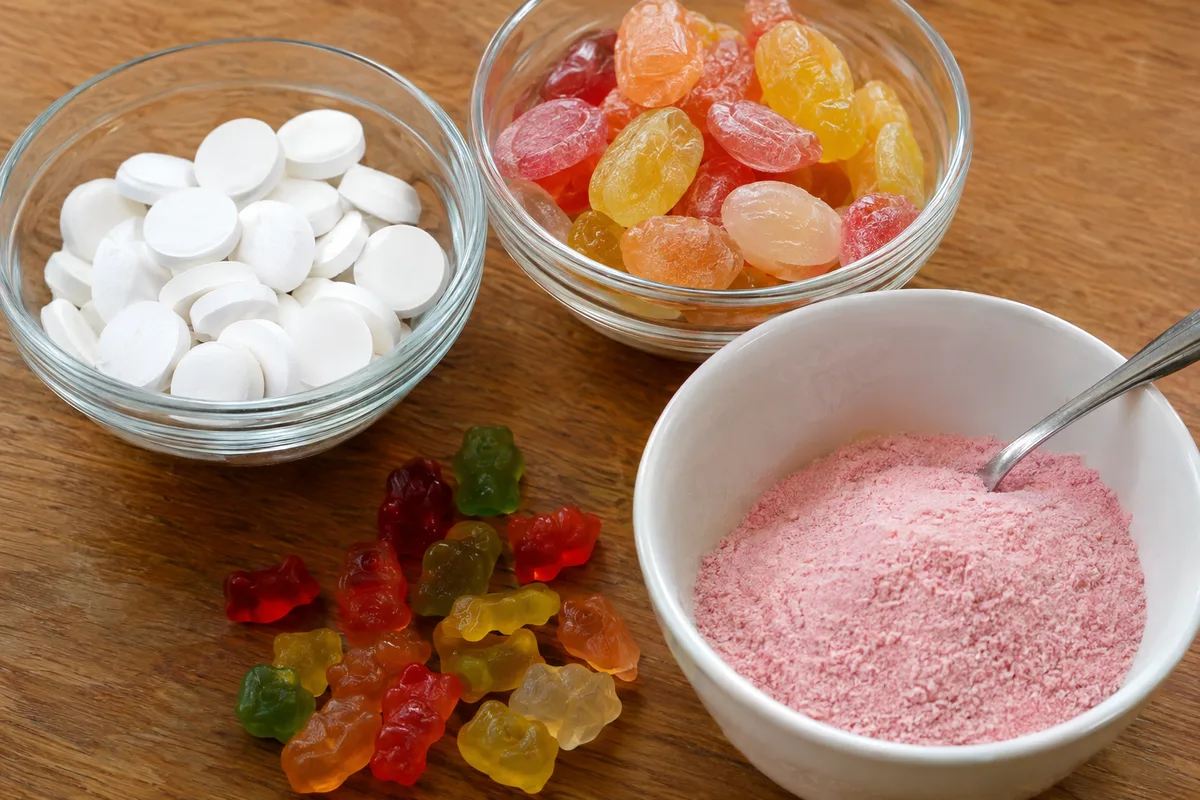
- Dextrose or glucose tablets and powders
- Some energy gels and sports drink powders
- Boiled sweets, chewy sweets and other sugar confectionery
- Some powdered dessert and drink mixes
- Certain cake icings, fondants and sweet decorations
Everyday foods that may include added dextrose
Dextrose also appears in foods that do not taste intensely sweet. In bread and baked goods, it may support browning or fermentation, while in savoury foods it may balance flavour or help with processing. Its presence does not necessarily mean the food contains a large amount.

Common names for a food are not enough to tell you whether dextrose is present. One loaf, sauce or snack may use it while another may use a different sugar or none at all. The ingredient list gives a clearer answer than taste or appearance.
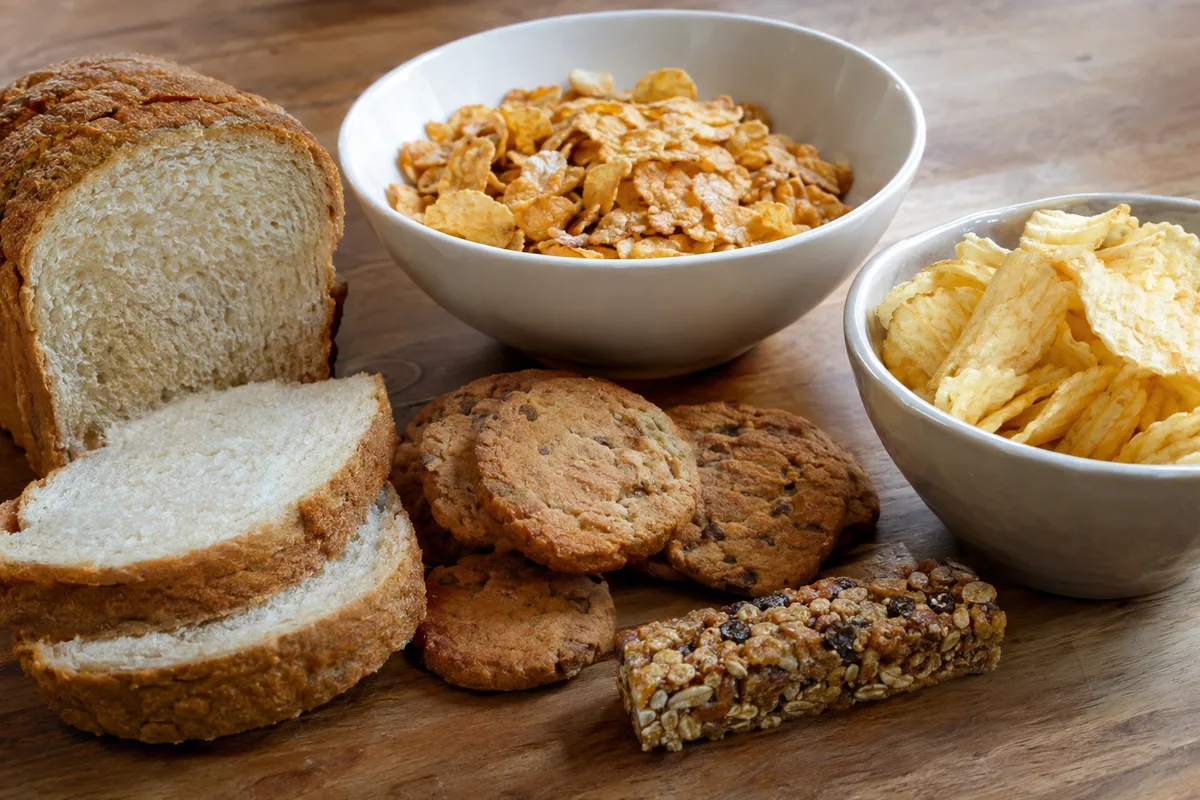
- Packaged breads, rolls and wraps
- Biscuits, cakes, pastries and cereal bars
- Breakfast cereals and granola
- Flavoured crisps and savoury snack mixes
- Some sauces, dressings and seasoning blends
Processed savoury foods can contain it too
Some processed meat products contain dextrose as part of their seasoning or curing mixture. It can help distribute flavour and support colour or fermentation, depending on the product. The amount may be small even when dextrose appears on the label.

Ready meals and prepared fillings may also contain dextrose through a sauce, seasoning blend or coating. This does not make every item in these categories high in dextrose. Its position in the ingredient list is the best practical clue when an exact amount is not declared.
- Some sausages and sliced cooked meats
- Certain cured or fermented meat products
- Breaded meat or vegetable products
- Prepared sandwich fillings
- Some savoury ready meals
How to spot dextrose on a label
Look for the exact word “dextrose” in the ingredients. It may appear on its own or within brackets after a compound ingredient such as a seasoning, coating or filling. If it is near the end, the quantity is generally lower than that of ingredients listed before it.
Do not assume every term containing glucose means added dextrose. Glucose syrup, dried glucose syrup and maltodextrin are distinct ingredients, although they are also carbohydrate sources. The nutrition panel combines sugars from dextrose with sugars from other ingredients, so it usually cannot show how much dextrose is present by itself.
- Start with the ingredient list, not the product name
- Note how early dextrose appears in the list
- Check brackets within seasonings, coatings and fillings
- Use total carbohydrate and sugars for tracking
- Avoid estimating a separate dextrose amount unless the label states it
Recording dextrose-containing foods accurately
For a packaged food, log the portion you ate using the matching nutrition information. Total carbohydrate already includes dextrose, along with starch and other sugars, so adding a separate sugar entry would double-count it. Choose the closest exact product entry available or enter the label details yourself.
For homemade food, record each ingredient used in the recipe. If dextrose was added directly, enter the amount that went into the full recipe and divide the finished dish into the portions actually served. When you do not know the recipe or label, use a comparable food entry and treat the result as an estimate.
Fruit, milk and other basic foods naturally contain sugars, but that does not mean dextrose was added as an ingredient. If your aim is to monitor added dextrose specifically, keep that note separate from your overall sugar total. The useful distinction is what the ingredient list says, not whether the food tastes sweet.
- Match the serving in your log to the amount eaten
- Use the packaged food's full carbohydrate value
- Count dextrose only once
- Save frequently eaten foods with their correct label details