
Low-carb, low-calorie foods to add to your food log
Low in carbohydrate does not always mean low in calories, so it helps to check both when choosing foods. This guide covers vegetables, proteins, fruit, dairy foods and simple ways to log them accurately.
What low carb and low calorie really mean
Carbohydrates and calories are two different things. Carbohydrate is a nutrient, while calories describe the energy provided by food. A food can contain very little carbohydrate but still be high in calories, particularly if it contains a lot of fat.
There is no single definition of low carb or low calorie that suits every person or meal. Your useful limit depends on your usual intake, goals, portion size and the rest of your day. When comparing foods, check the serving shown on the label against the amount you actually eat.
Foods that are both low in carbohydrate and relatively low in calories tend to include plenty of water or fibre, or a lean source of protein. Preparation matters too, because oil, creamy sauces, coatings and dressings can change the total substantially. Log these additions separately rather than treating them as part of the main ingredient.
- Compare carbohydrate and calories for the same serving size
- Check whether the label refers to cooked or uncooked food
- Record oils, sauces, dressings and toppings
- Use the portion you ate rather than the suggested serving
Non-starchy vegetables
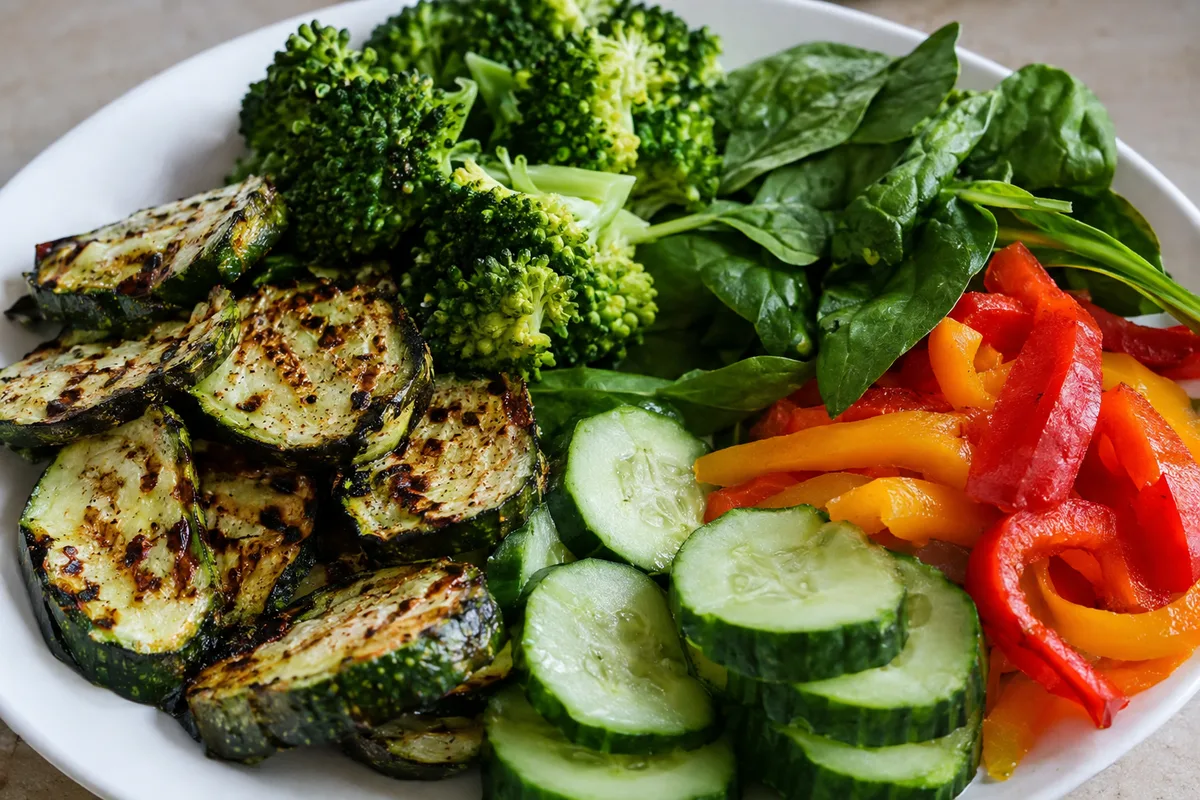
Non-starchy vegetables are a useful starting point because many contain relatively little carbohydrate and few calories for their volume. They can add colour, texture and fibre to a meal without taking up much of either total. Fresh, frozen and tinned versions can all fit.
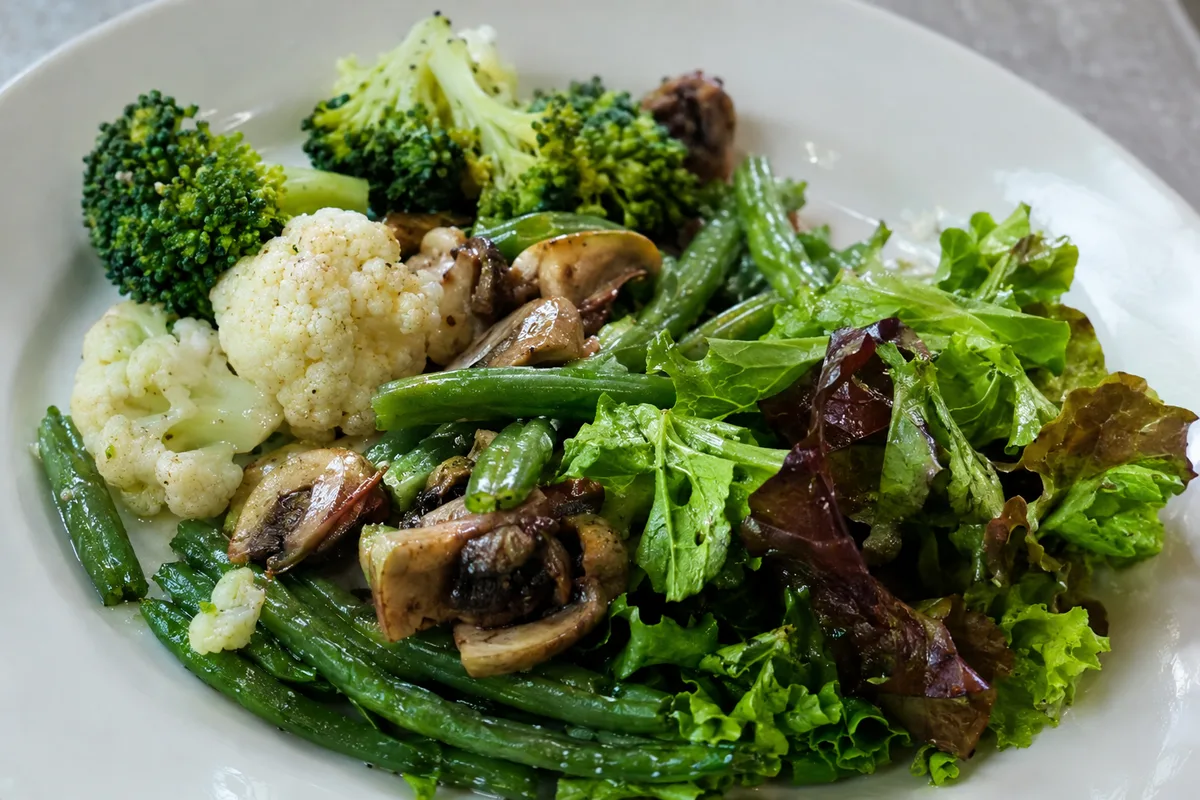
Cooking method makes a noticeable difference. Steaming, boiling, grilling or roasting with a measured amount of oil keeps the entry easier to track. Cheese sauces, butter and generous pours of oil may contribute more calories than the vegetables themselves.
Starchy vegetables such as potatoes, sweet potatoes, sweetcorn and parsnips contain more carbohydrate than leafy or watery vegetables. They do not need to be avoided, but they belong in a different part of your food log. Count them according to the portion and preparation method.
- Spinach, lettuce, rocket and watercress
- Broccoli, cauliflower, cabbage and courgette
- Mushrooms, peppers, cucumber and celery
- Green beans, asparagus and aubergine
- Tomatoes, radishes and spring onions
Lean protein foods
Lean protein foods can be low in carbohydrate because plain meat, fish, seafood and eggs contain little or no carbohydrate. Choosing leaner cuts or cooking with less added fat can also keep calories more modest. Breaded, battered, glazed or processed versions may have different totals.
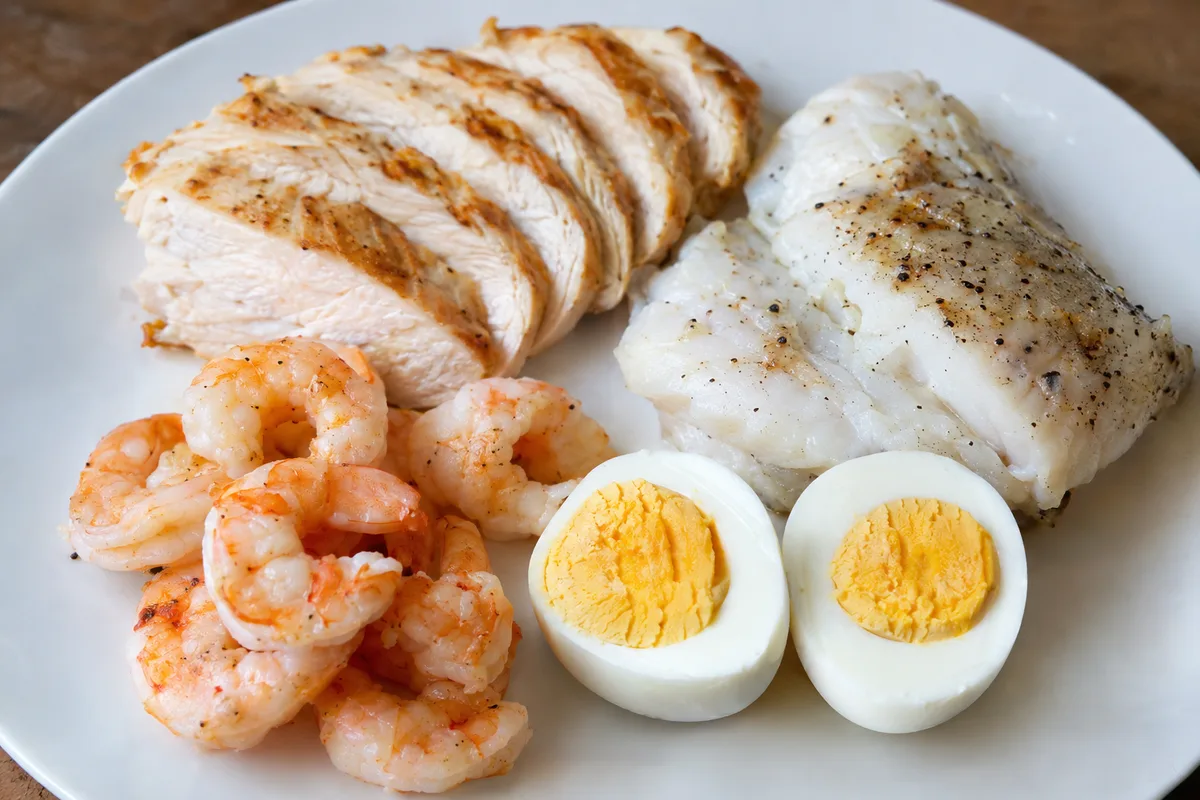
Skinless poultry, white fish and many types of seafood are useful examples. Eggs can also fit, although the cooking fat and accompaniments should be counted. Portions still matter because a larger serving provides more calories even when carbohydrate remains low.
Check marinades and ready-made seasonings rather than assuming they are negligible. Sweet sauces, coatings and crumbs can add carbohydrate, while oil-based marinades can raise calories. Logging each component gives a clearer picture than selecting a generic meal entry.
- Skinless chicken or turkey breast
- Cod, haddock, pollock and other plain white fish
- Prawns, mussels, crab and squid without batter
- Eggs cooked with little or no added fat
- Lean cuts of pork or beef with visible fat removed
Plant-based and dairy options
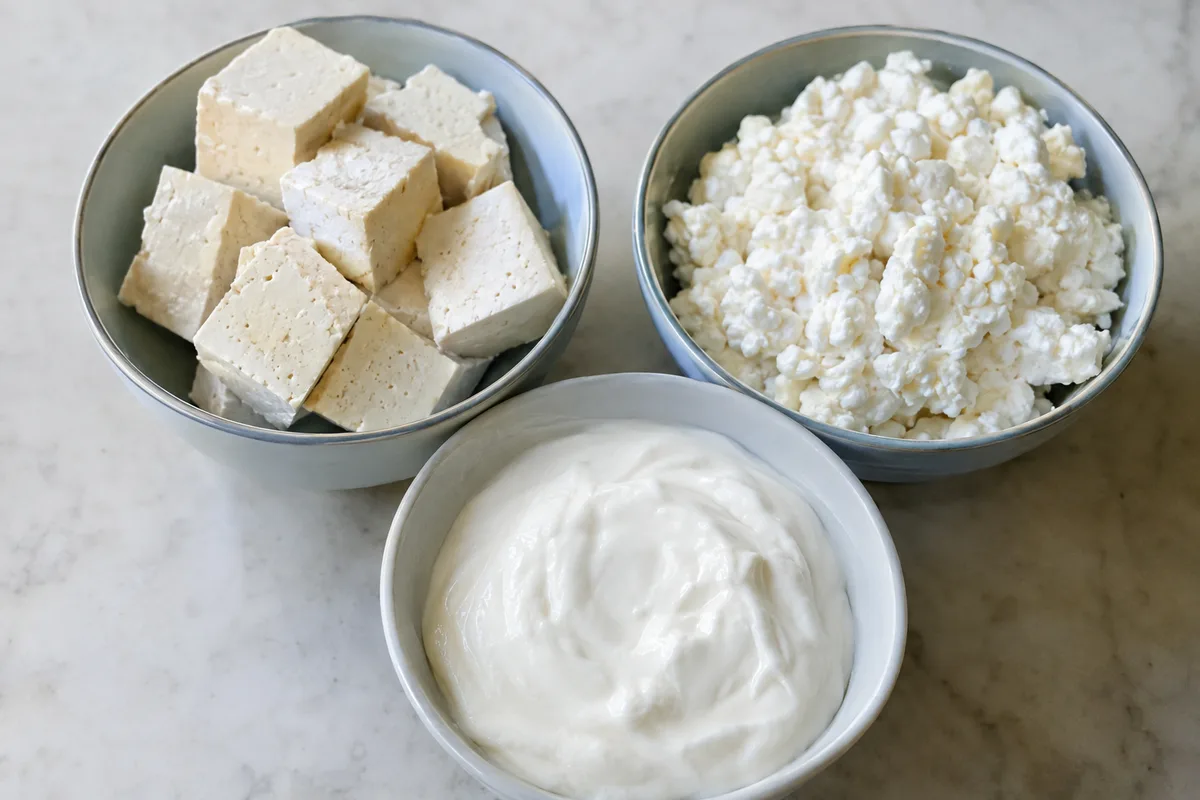
Some plant-based and dairy foods can provide protein while keeping carbohydrate and calories fairly modest. Plain tofu, lower-fat cottage cheese and unsweetened strained yoghurt are common examples. Exact amounts vary by brand and type, so the label is more reliable than a broad database entry.
Plant-based alternatives can differ widely even when the packages look similar. Added sugar raises carbohydrate, while coconut or added oils can make a product more calorie-dense. Choose the exact entry in your tracker whenever possible.
Beans, lentils, nuts and seeds are nutritious foods, but they are not always low in both measures. Pulses contain more carbohydrate than tofu, while nuts and seeds can be calorie-dense because of their fat content. They can still fit your log, but careful portions are useful.
- Plain firm tofu
- Lower-fat cottage cheese
- Unsweetened strained yoghurt
- Reduced-fat plain soft cheese
- Unsweetened dairy or soya yoghurt with a suitable label
Fruit and lighter extras
Fruit naturally contains carbohydrate, so it usually contributes more than leafy vegetables. Some options can still fit a lower-carbohydrate, lower-calorie eating pattern when the portion is logged. Berries are often practical because they can be used in small or generous-looking portions alongside plain yoghurt.
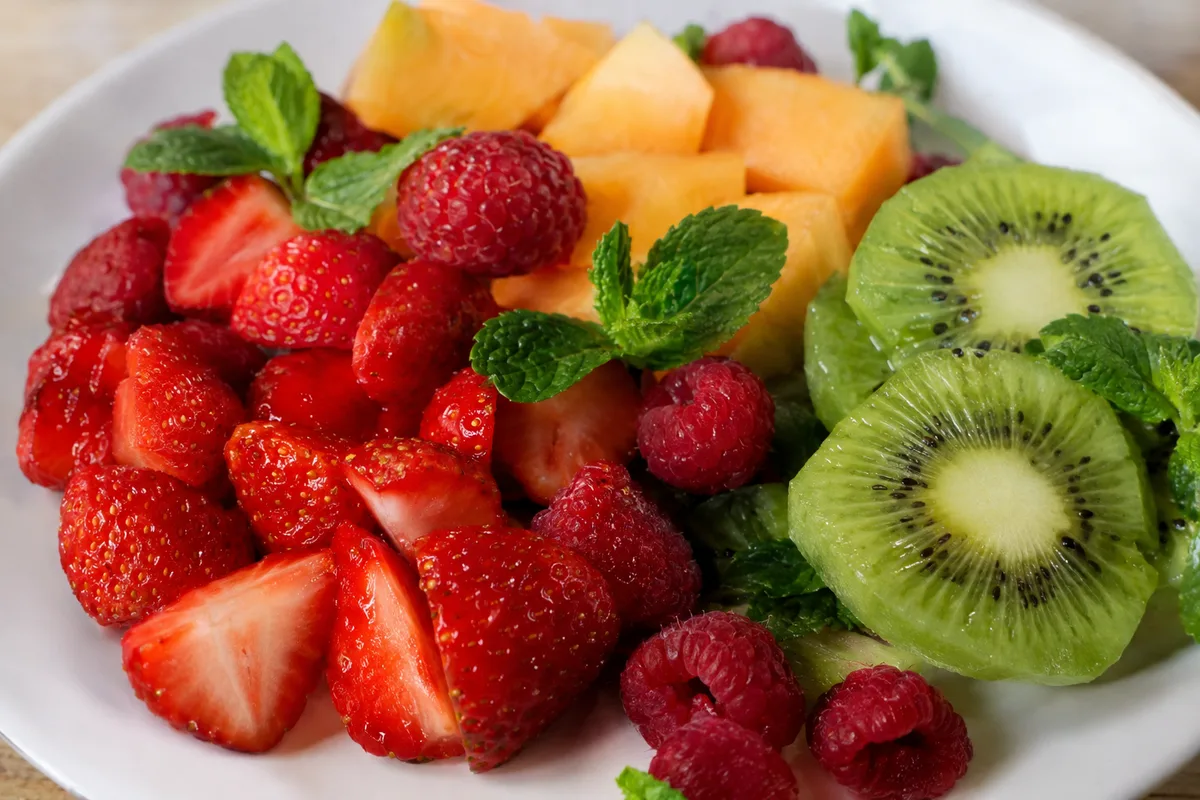
Melon, citrus fruit and kiwi can also be refreshing choices, but their carbohydrate content is not zero. Dried fruit and fruit juice are more concentrated and easier to consume in larger amounts. Entering the actual weight or portion helps you compare them fairly.
For flavour, fresh herbs, spices, lemon juice, vinegar and mustard can be useful alternatives to rich sauces. Pickles and fermented vegetables may also be relatively low in carbohydrate and calories, depending on added sugar. Always check the label when a food is sweetened or packed in a sauce.
- Strawberries, raspberries and blackberries
- Melon in a tracked portion
- Grapefruit, orange segments or kiwi
- Fresh herbs, lemon juice and vinegar
- Unsweetened pickled vegetables
Build a meal that is easy to track
Start with a large portion of non-starchy vegetables, then add a lean protein. Include a measured serving of any higher-carbohydrate food you want, rather than relying on a meal label such as low carb. Finish by recording cooking fats, dressings and sauces.
Use separate food entries when a mixed dish contains several ingredients. For example, log the vegetables, protein, oil and sauce individually if the recipe entry does not match what you made. This takes a little longer but avoids hiding calorie-dense additions.
Review the whole meal rather than judging one ingredient in isolation. Avocado, nuts, cheese and oil are low in carbohydrate, but their calories can add up quickly as portions grow. A combination of vegetables, lean protein and measured extras is often simpler to fit into both totals.
- Choose one or more non-starchy vegetables
- Add a lean animal or plant protein
- Measure oils, cheese, nuts and creamy dressings
- Log sauces and coatings separately
- Save meals you make regularly with the correct ingredients