
How to Choose a Lower-Calorie Treat at Dairy Queen
Dairy Queen portions, toppings and recipes can make a large difference to the energy in a treat. This guide explains how to compare the menu, make simple adjustments and record what you actually eat.
What lower calorie means on this menu
A lower-calorie choice is simply one that contains less energy than another option you were considering. It does not have to be the smallest item on the whole menu, and it can still feel like a proper treat. Your useful comparison is between portions and flavours you would genuinely enjoy.
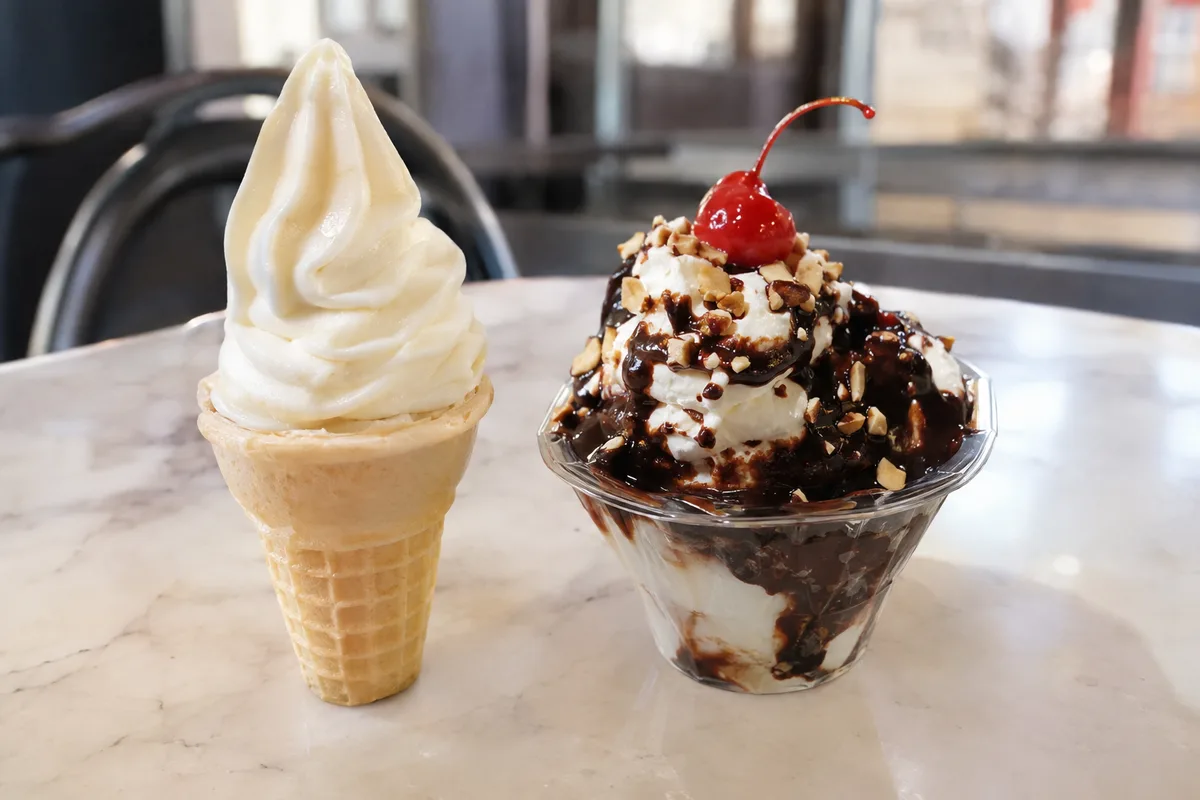
At Dairy Queen, the type of treat matters as much as its flavour. A small cone, packaged frozen bar, sundae and blended dessert can have very different ingredients and serving sizes. Compare like with like where possible, then decide which option fits the rest of your day.
Menu recipes and portion names may differ by country and location. Seasonal products can also change, so one online entry may not match every restaurant. Use the nutrition information for your region rather than relying on a generic database entry.
- Compare the serving size as well as the total calories
- Check whether nutrition information includes toppings
- Choose the correct country or regional menu
- Confirm whether a seasonal flavour has its own listing
Start with simpler frozen treats
Simple treats are often easier to assess because they contain fewer separate parts. A vanilla cone, Fudge Bar, Orange Bar or Dilly Bar may be easier to log than a dessert with several mix-ins and sauces. Availability varies, so check the menu at the location you are visiting.
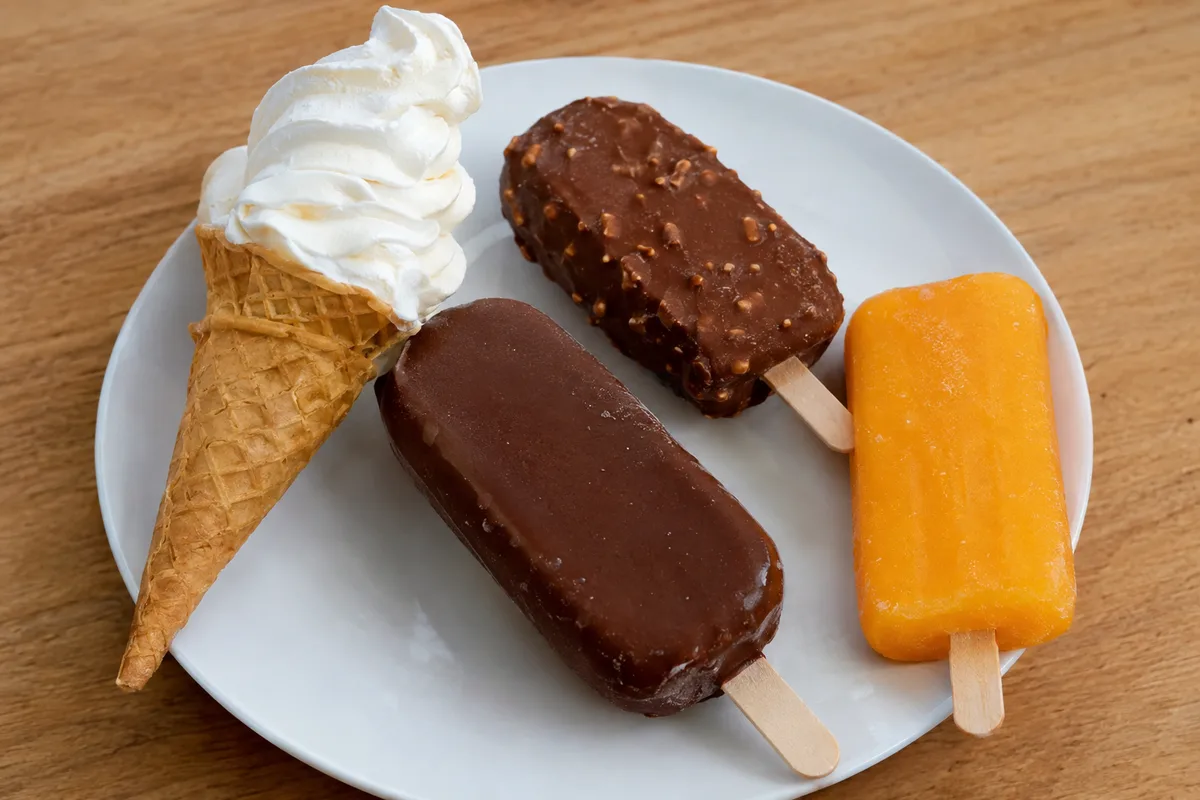
A packaged bar also gives you a clearly defined portion. With a soft-serve cone, the served amount may vary slightly because it is prepared by hand. That does not make tracking pointless, but it is worth recognising that the nutrition listing is a standard estimate.
Do not assume that fruit flavour, chocolate coating or a smaller-looking shape automatically means fewer calories. Coatings and fillings contribute energy even when the treat looks compact. Compare the listed serving rather than judging by appearance.
- Plain soft-serve cone
- Fudge Bar
- Orange Bar
- Dilly Bar
Use portion size before changing the flavour
Portion size is usually the simplest adjustment because it changes the amount of every ingredient at once. If you want a Blizzard, sundae or cone, first look for the smallest available size that will still satisfy the reason you chose it. This can be easier than trying to rebuild a favourite order from scratch.
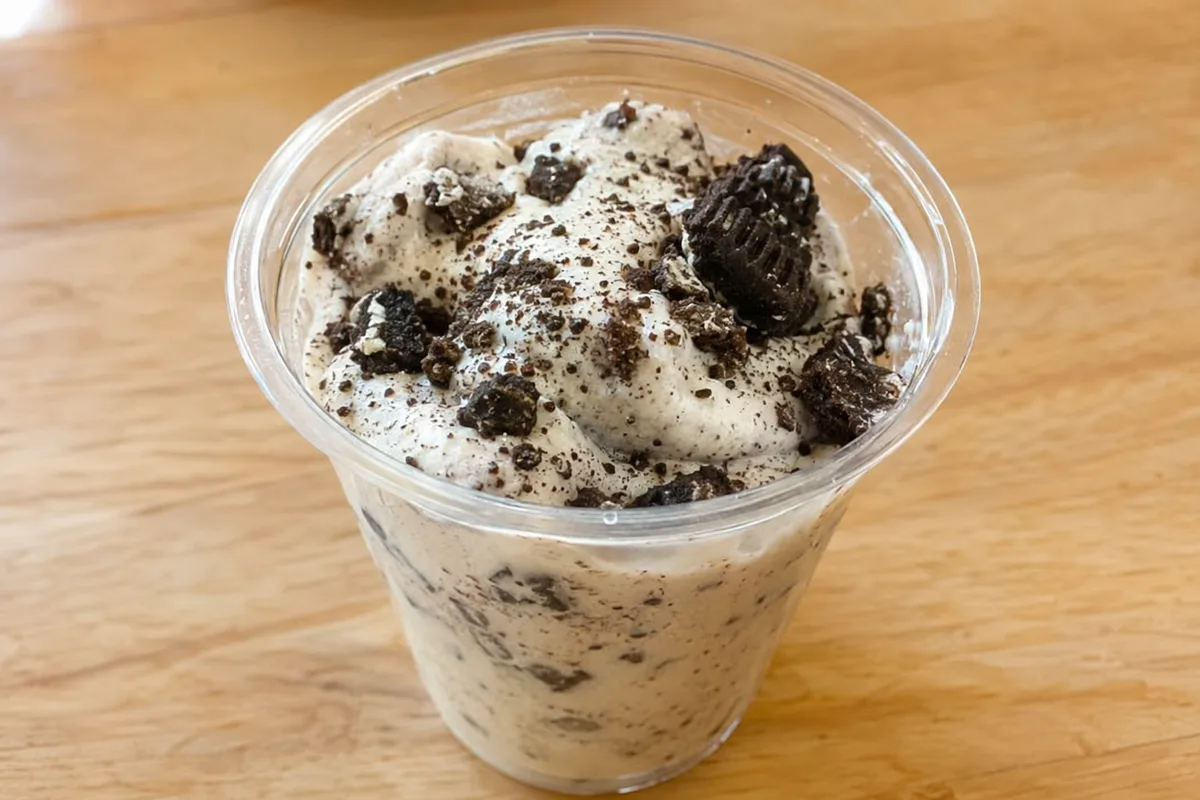
Blended desserts combine soft serve with sweets, biscuits, sauces or other mix-ins. Larger versions contain more soft serve and usually more of those additions too. Choosing a smaller size lets you keep the flavour and texture while reducing the total amount.
The same idea applies to cones and sundaes. A smaller serving may be a better fit than removing the part you enjoy most. When logging it, select the exact size rather than using the first matching product name in your tracker.
- Pick the size before comparing flavours
- Keep the favourite flavour in a smaller portion
- Avoid logging a regular serving when you ordered a mini or small one
- Check whether the serving name in your tracker matches the current menu
Notice what toppings and mix-ins add
Sauces, sweet pieces, biscuit crumbs and coatings can make a simple base more energy-dense. Fat provides about 9 kcal per gram, while carbohydrate and protein each provide about 4 kcal per gram. Ingredients rich in fat and sugar can therefore add energy quickly even when they do not add much volume.
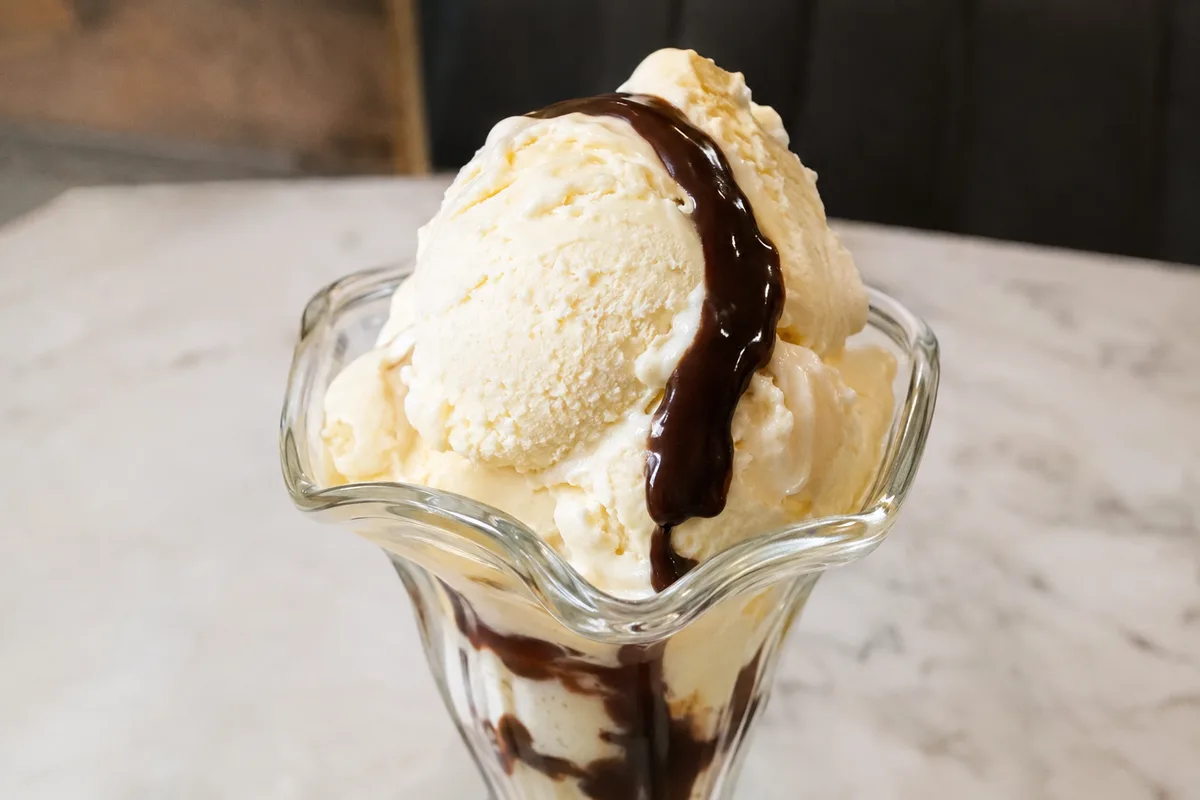
A sundae may be easier to adjust than a fully blended dessert because the topping is visible and separate. You could choose one sauce rather than several additions, or ask for less topping if that option is available. The exact difference depends on the portion used by the restaurant.
For a Blizzard, compare flavours in the official nutrition guide rather than assuming similar names have similar values. Mix-ins differ in composition and quantity, and limited editions may use a separate recipe. If you change the standard build, record the closest menu item and note the adjustment.
- Single sauce instead of several additions
- No extra topping beyond the standard recipe
- A plain cone instead of a dipped cone
- One mix-in rather than a heavily layered dessert
Choose the part you care about most
A satisfying choice is not always the one with the lowest number. If you mainly want cold soft serve, a plain cone or cup may do the job without extra pieces. If you want a particular biscuit or chocolate flavour, a small blended portion may suit you better.
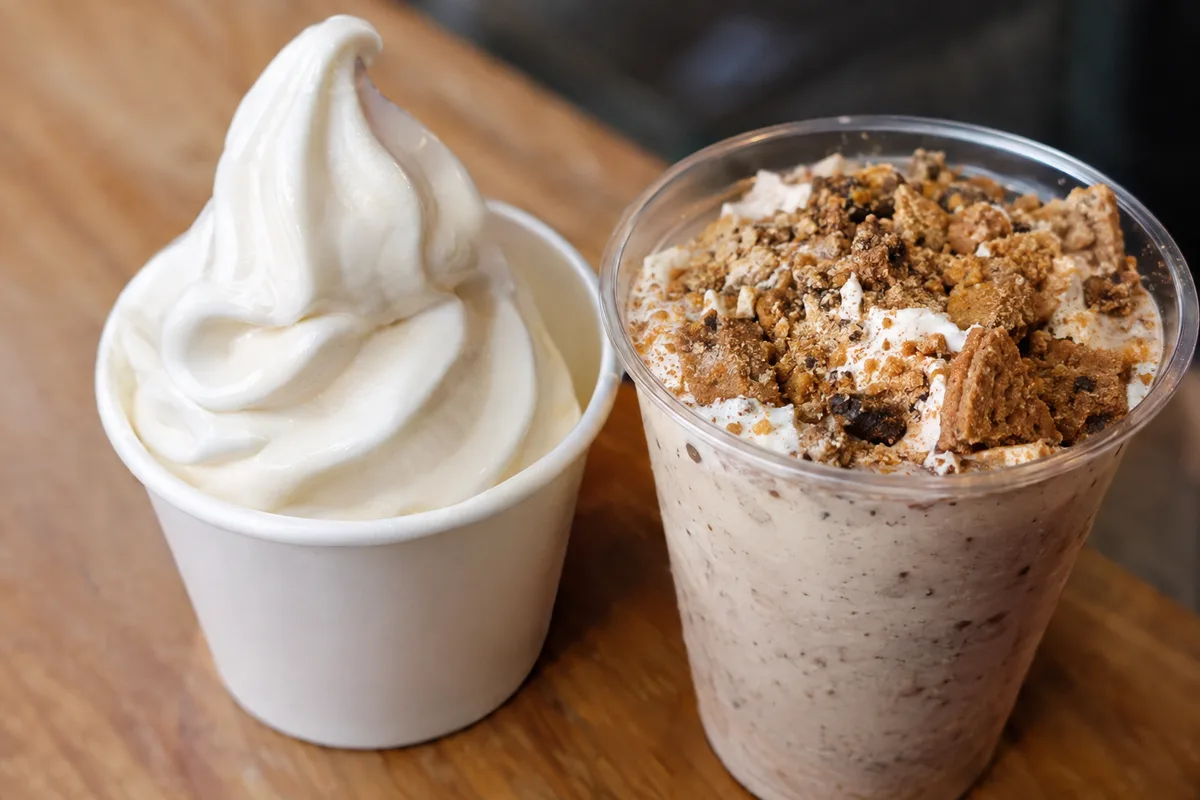
Think about what makes the order feel worthwhile: the creamy base, the crunch, the sauce or the portion itself. Keep that feature and simplify something less important. This avoids turning the treat into an option that fits your log but leaves you wanting another dessert.
You can also share a larger item when a smaller size is unavailable, but only if that feels practical. Log the portion you ate rather than dividing it automatically in half. The amount depends on how the dessert was actually shared.
- For soft serve: choose a plain cone or cup
- For sauce: choose a simple sundae
- For mix-ins: choose the smallest suitable blended size
- For a coating: keep the dip and reduce the portion size
Log the order without chasing perfect precision
Restaurant nutrition figures are useful estimates, not measurements of the exact serving in your hand. Hand-poured soft serve, topping amounts and recipe changes can create small differences. Consistent logging is usually more useful than repeatedly editing an entry to guess those differences.
Start with Dairy Queen's official nutrition information for your region. Match the product name, flavour and size, then include any extras that have separate entries. If your tracking app disagrees, check whether its entry refers to another country, an older recipe or a different serving size.
Save a verified entry if you order the same treat regularly. Add a short note when you leave off a topping or share the portion, so you can remember what the logged amount represents. When the exact product is unavailable, choose the closest clearly labelled match and accept that the number is an estimate.
- Match the country or region
- Match the exact product and flavour
- Match the named serving size
- Add extras separately when information is available
- Note any sharing or customisation