
Can Plantains Fit Into a Low-Carb Diet?
Plantains are a starchy food, so they can use a noticeable share of a low-carb target. This guide explains how to track them, choose a portion and build a balanced meal around them.
Plantains are a carbohydrate-rich food
Plantains look like large bananas, but they are usually cooked and treated more like potatoes. Most of their energy comes from carbohydrate, although they also provide fibre and a small amount of protein. If you follow a low-carb diet, it makes sense to count plantain as the main carbohydrate in a meal rather than as an extra vegetable.
There is no single carbohydrate limit that defines every low-carb diet. Your daily target may depend on your preferences, activity and the way you have chosen to track. Plantains can fit when the serving works within that personal target, but a large portion may leave less room for other carbohydrate foods.
- Count plantain as a starchy part of the meal
- Check the amount you plan to eat before adding side dishes
- Use your usual daily or meal-based carbohydrate target
- Adjust the rest of the meal rather than labelling plantain as forbidden
Ripeness changes taste and texture
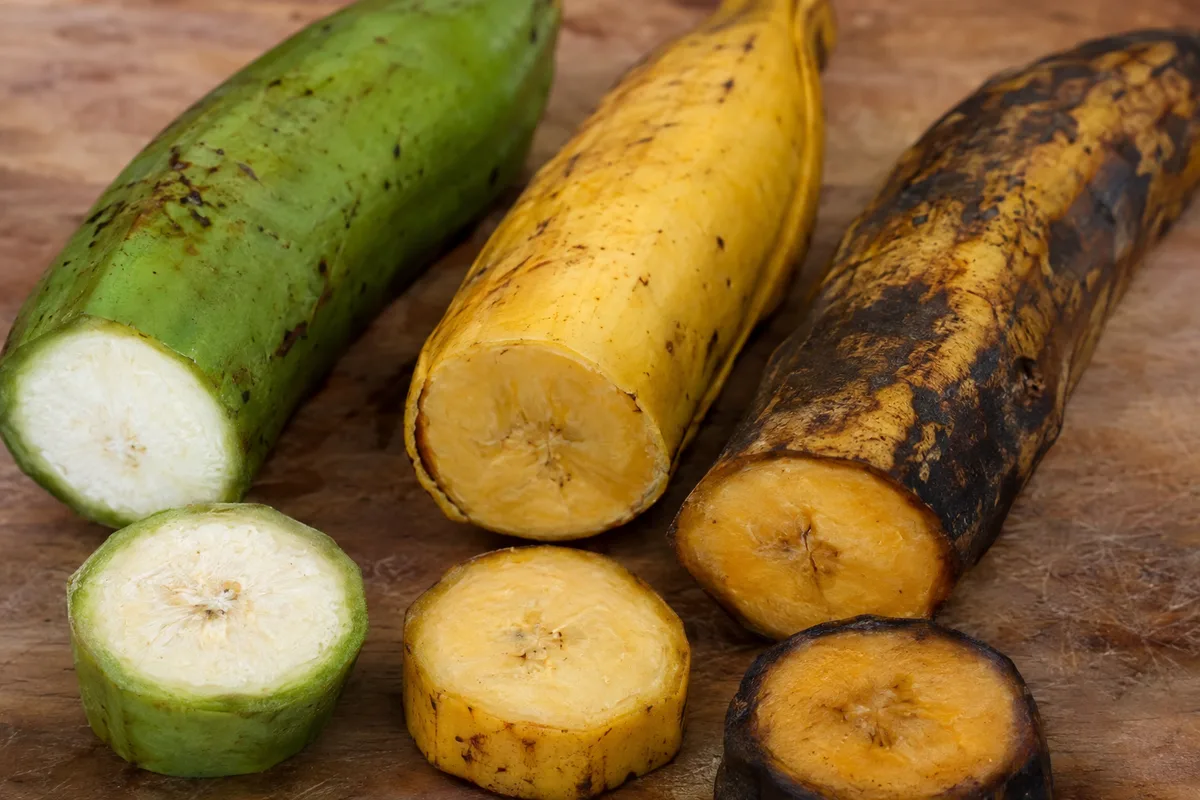
Green plantains are firm, starchy and less sweet. As they ripen, their skins darken, the flesh softens and more of the starch changes into sugars. Both green and ripe plantains still contribute carbohydrate, so neither version is automatically a low-carb food.
The best choice depends on the dish and the flavour you want. Green plantain works well in savoury meals, while ripe plantain brings sweetness and softer texture. When tracking, choose a database entry that matches the ripeness and cooking method as closely as possible.
- Green plantain for firm slices, mash or savoury dishes
- Yellow plantain for a softer texture and mild sweetness
- Dark-skinned ripe plantain for a sweeter, softer result
Portion size makes the biggest practical difference
A plantain can vary considerably in size, so logging one whole piece may be less precise than recording the edible amount. If you already track food by weight, log the flesh and leave out the peel. Use the same approach each time so that comparisons between meals remain useful.
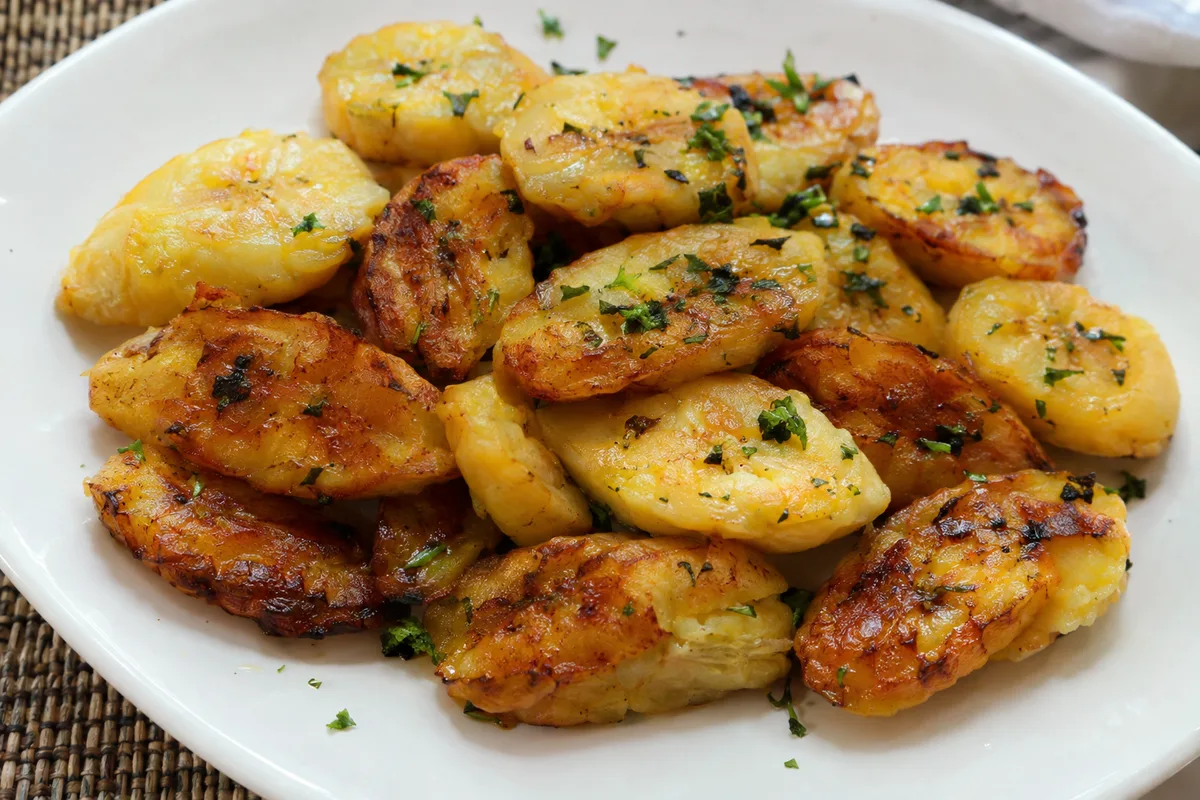
You do not have to remove plantain completely to lower the carbohydrate in a meal. A smaller portion can provide its familiar flavour while making space for vegetables, protein and fats. The right amount depends on your carbohydrate target and what else you plan to eat that day.
- Serve a few pieces rather than automatically cooking the whole plantain
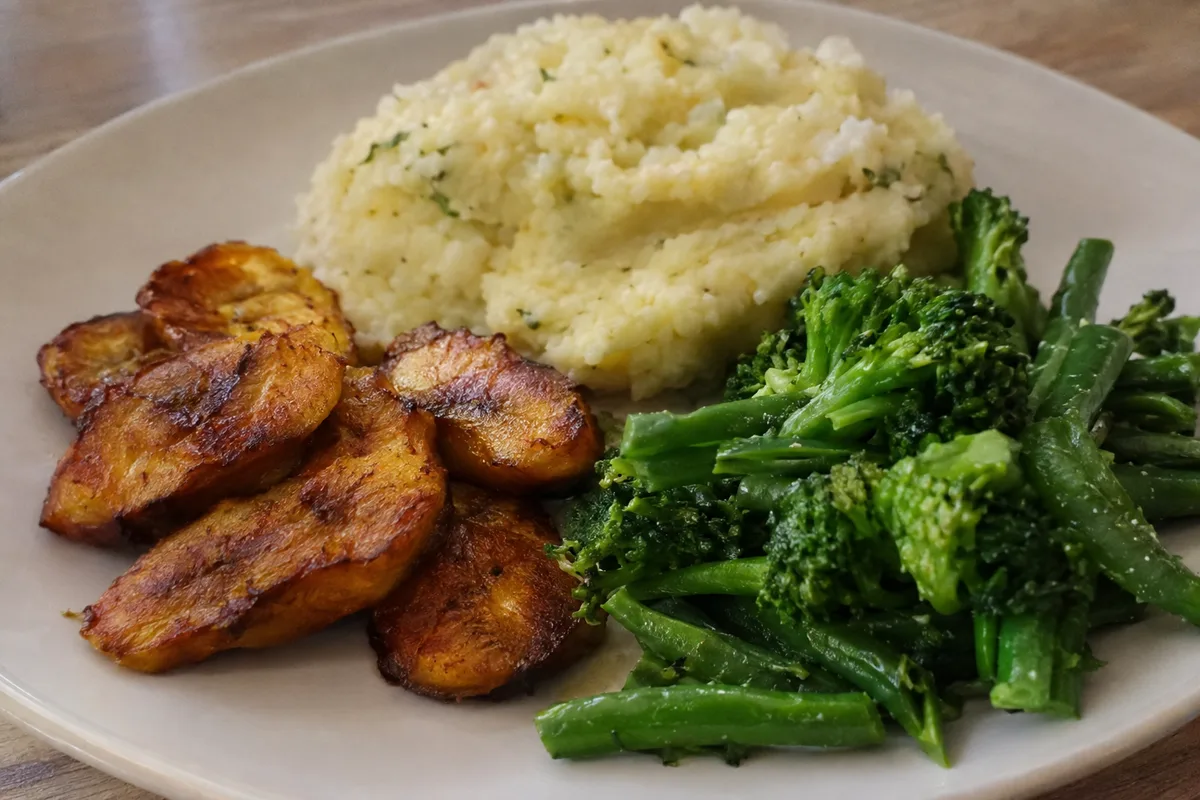
- Mix mashed plantain with mashed cauliflower
- Pair a modest portion with a larger serving of non-starchy vegetables
- Keep other starchy sides out of the same meal when plantain is the main carbohydrate
Cooking method affects the finished dish
Boiling, steaming, baking and frying do not remove the carbohydrate already present in plantain. However, frying can add a substantial amount of fat because the slices absorb cooking oil. Sauces, coatings and sweet additions can also change what needs to be logged.
Track the plantain and any added ingredients rather than relying on a generic entry for a finished dish. For home cooking, recording the raw ingredients and dividing the recipe into servings is often the clearest method. When eating food prepared by someone else, choose the closest sensible entry and accept that it will be an estimate.
- Boil green plantain for a simple savoury side
- Bake slices with a measured amount of oil
- Air-fry plain slices and log any oil used
- Record batters, sauces and toppings separately
Build the meal around the plantain
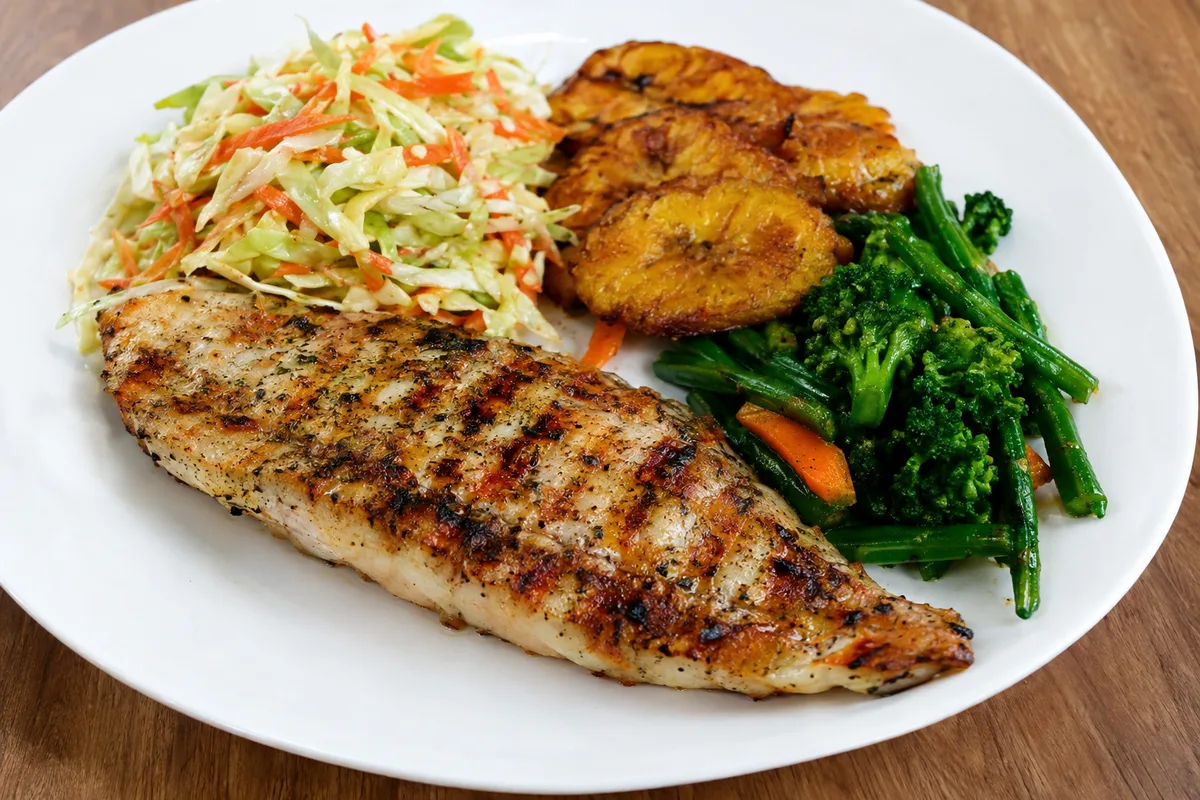
If plantain is staying on the plate, let it take the place of rice, bread, pasta or another starchy side. Add a clear source of protein and plenty of non-starchy vegetables. This creates a complete meal without stacking several major carbohydrate foods together.
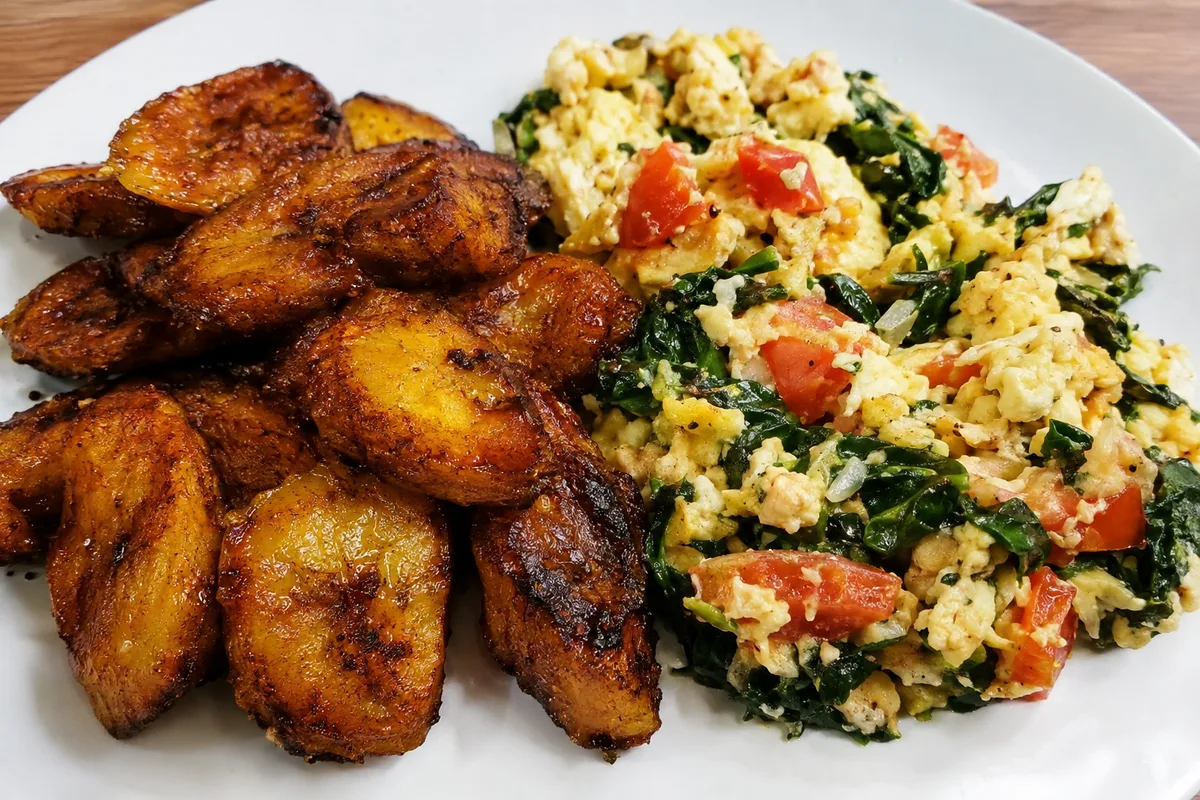
Flavour does not need to come from sugary sauces. Herbs, spices, citrus, chilli, garlic and savoury marinades can complement both green and ripe plantain. Added fats can also bring flavour, but they are energy-dense and should still be recorded if energy intake is part of your tracking.
- Plantain with grilled fish and a cabbage salad
- Plantain with roasted chicken and green vegetables
- Plantain with eggs, spinach and tomatoes
- Plantain with tofu and a pepper-based vegetable mix
Track it consistently rather than perfectly
Food databases may show different entries for raw, boiled, baked or fried plantain. Pick the entry that best describes what you ate and check whether its serving refers to peeled or unpeeled plantain. Avoid switching between entries simply because one shows a lower value.
Some tracking plans use total carbohydrate, while others subtract fibre and record net carbohydrate. Use the method that matches the rest of your food diary, because mixing approaches can make the day difficult to interpret. Consistency matters more than trying to find a perfectly exact number for every homemade meal.
Review the meal in the context of your whole day. If plantain takes you beyond your chosen target, you can reduce the portion next time or simplify the other carbohydrate foods around it. If it fits comfortably, there is no need to exclude it just because it is starchy.
- Match the entry to ripeness and cooking method
- Check whether the peel is included in the listed amount
- Log added oil, coatings and sauces
- Use either total or net carbohydrate consistently
- Save a reliable entry for meals you repeat