
How to Build a Low-Carb Grocery Shopping List
A low-carb grocery list can help you choose foods with less carbohydrate while keeping meals varied and satisfying. This guide explains what to put in your trolley, what to check on labels and how to plan around the food you already track.
Decide what low carb means for you
Low carb does not have to mean removing every source of carbohydrate. It usually means choosing smaller portions of higher-carbohydrate foods and building more meals around protein, vegetables and fats. The amount that fits your approach depends on your preferences, activity and overall eating pattern.

Use your food log to see where most of your carbohydrate currently comes from. You may notice that bread, rice, pasta, breakfast cereal, sweet drinks or frequent snacks account for a large share. Pick a few realistic changes rather than replacing your entire routine at once.
Plan meals before writing the list so that each item has a clear purpose. Think about breakfasts, lunches, evening meals and any snacks you normally eat. This makes it easier to shop for complete meals rather than collecting unrelated low-carb foods.
- Review several typical days in your food log
- Choose which higher-carbohydrate foods you want to reduce
- Write down meals you already enjoy that can be adjusted
- Keep room for foods you still want to include
Start with protein foods
Protein foods can form the centre of a lower-carbohydrate meal. Fresh meat, fish, eggs and many plain dairy foods contain little carbohydrate, although coatings, sauces and marinades can add more. Plant-based options vary, so check labels when carbohydrate intake matters to your plan.
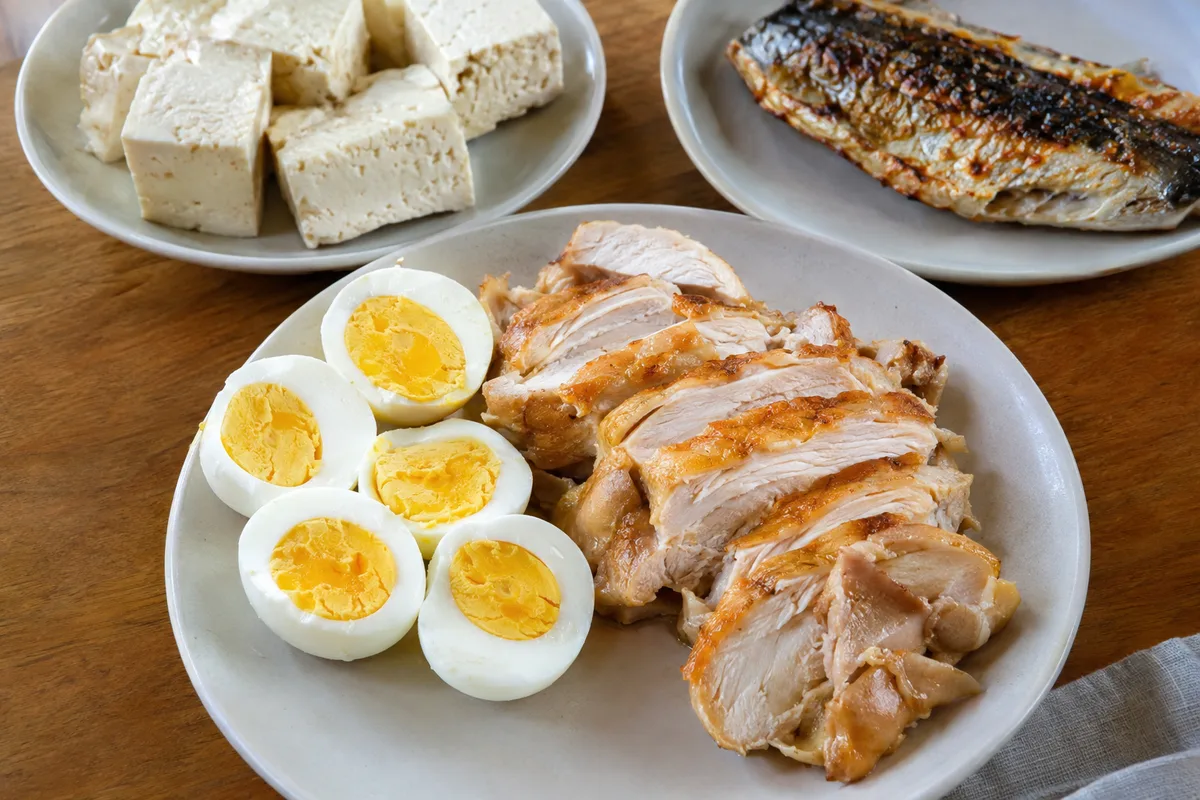
Choose several proteins that work across different meals. For example, eggs can suit breakfast or lunch, while roasted chicken can be served hot and used cold the next day. Buying with specific meals in mind can also reduce forgotten food and waste.
Processed protein foods often need a closer look. Added crumbs, pastry, glazes and sweet sauces can raise the carbohydrate content. Compare the carbohydrate figure per portion you expect to eat, not only the figure shown for a small suggested serving.
- Eggs, chicken, turkey, beef or pork
- Fresh, frozen or tinned fish without sweet sauces
- Plain Greek-style yoghurt, cottage cheese or firm cheese
- Tofu, tempeh or lower-carbohydrate meat alternatives
Fill the trolley with vegetables
Vegetables bring fibre, colour, flavour and texture to low-carb meals. Leafy greens, courgettes, mushrooms, peppers, cauliflower and broccoli are useful starting points. They can be roasted, steamed, stir-fried or eaten raw depending on the meal.
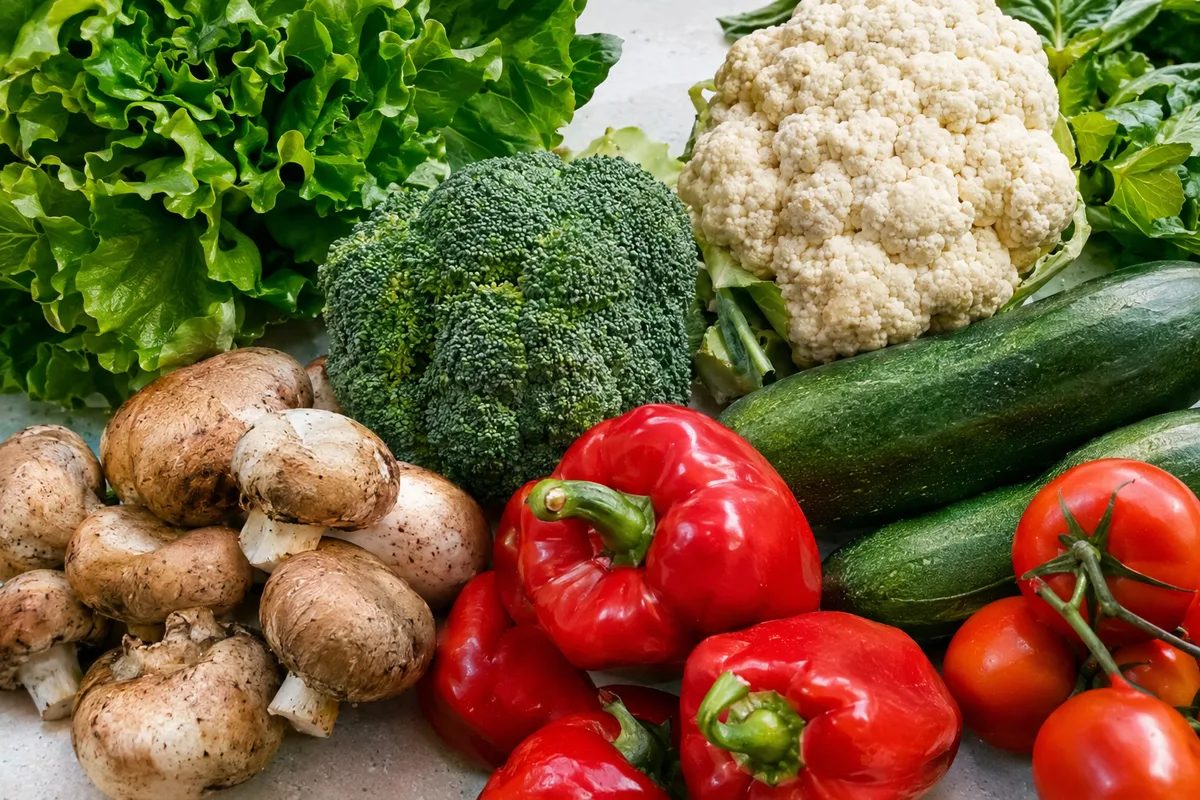
Some vegetables contain more carbohydrate than others, but that does not automatically make them unsuitable. Potatoes, sweetcorn and parsnips may simply need a different portion from salad leaves or mushrooms. Your food log can help you see how each serving fits into the rest of the day.
Fresh, frozen and tinned vegetables can all be practical choices. For frozen and tinned options, look for versions without sweet sauces or sugary dressings. Choose a mixture you will genuinely cook rather than buying a wide selection without a plan.
- Leafy greens, cabbage and salad leaves
- Broccoli, cauliflower and green beans
- Courgettes, aubergines and mushrooms
- Peppers, tomatoes and cucumber
- Frozen vegetable mixtures without added sauce
Add fats, flavour and useful extras
Fats can make simple low-carb meals more enjoyable and satisfying. Olive oil, avocado, nuts, seeds, cheese and olives can add flavour without relying on sugary sauces. Portions still matter because fat provides about 9 kcal per gram, compared with about 4 kcal per gram from protein or carbohydrate.
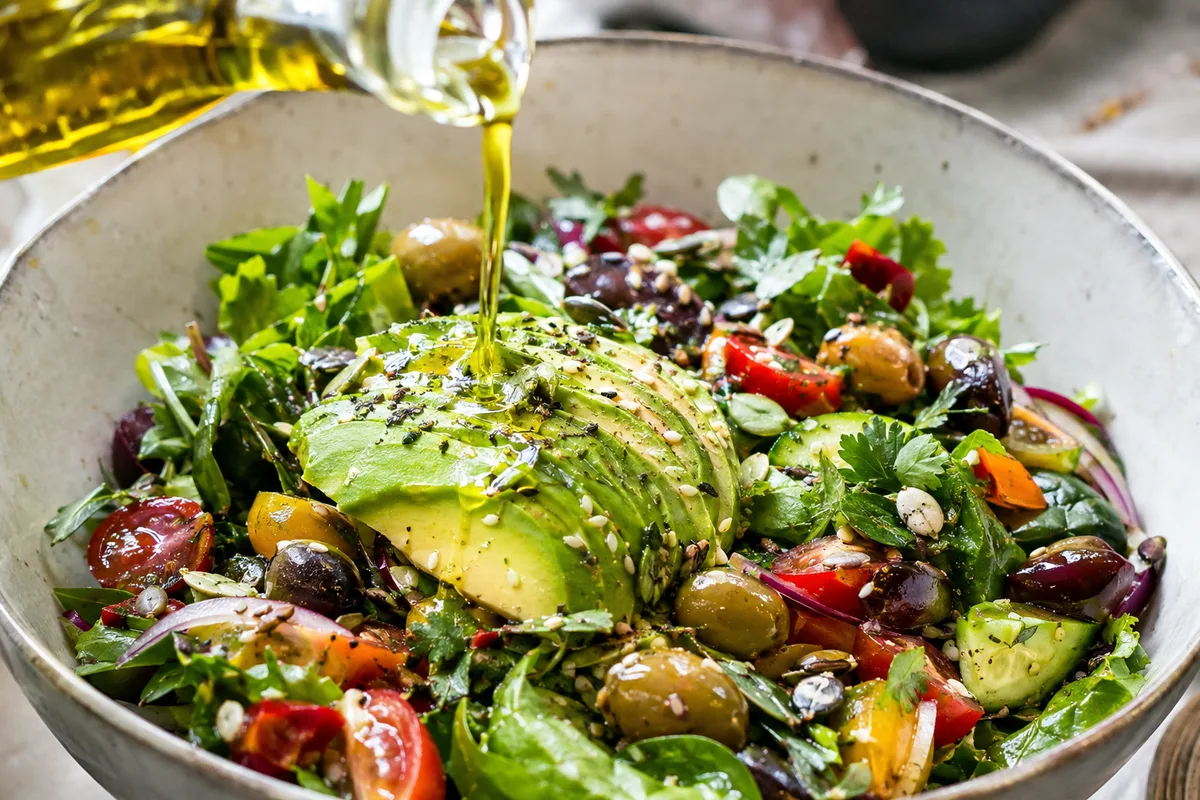
Herbs, spices, vinegar, mustard and citrus juice can keep meals interesting. Ready-made dressings and cooking sauces vary widely in carbohydrate, even when they taste savoury. Check the label rather than judging by the name or front of the pack.
Nuts and seeds can work as toppings or snacks, but flavoured varieties may contain sugar or coatings. Plain versions make it easier to understand what you are logging. Nut and seed spreads should also be checked for added sweeteners and portion size.
- Olive oil, avocado and olives
- Plain nuts, seeds and nut or seed spreads
- Cheese, cream or unsweetened yoghurt
- Fresh herbs, dried spices, vinegar and mustard
- Lemons or limes for dressings and marinades
Choose lower-carb breakfasts and snacks
Breakfast and snack foods are common places for carbohydrate to build up quickly. Cereals, pastries, biscuits, sweetened yoghurts and snack bars can contain more than you expect from their portion size. Keeping a few straightforward alternatives available can make daily choices easier.
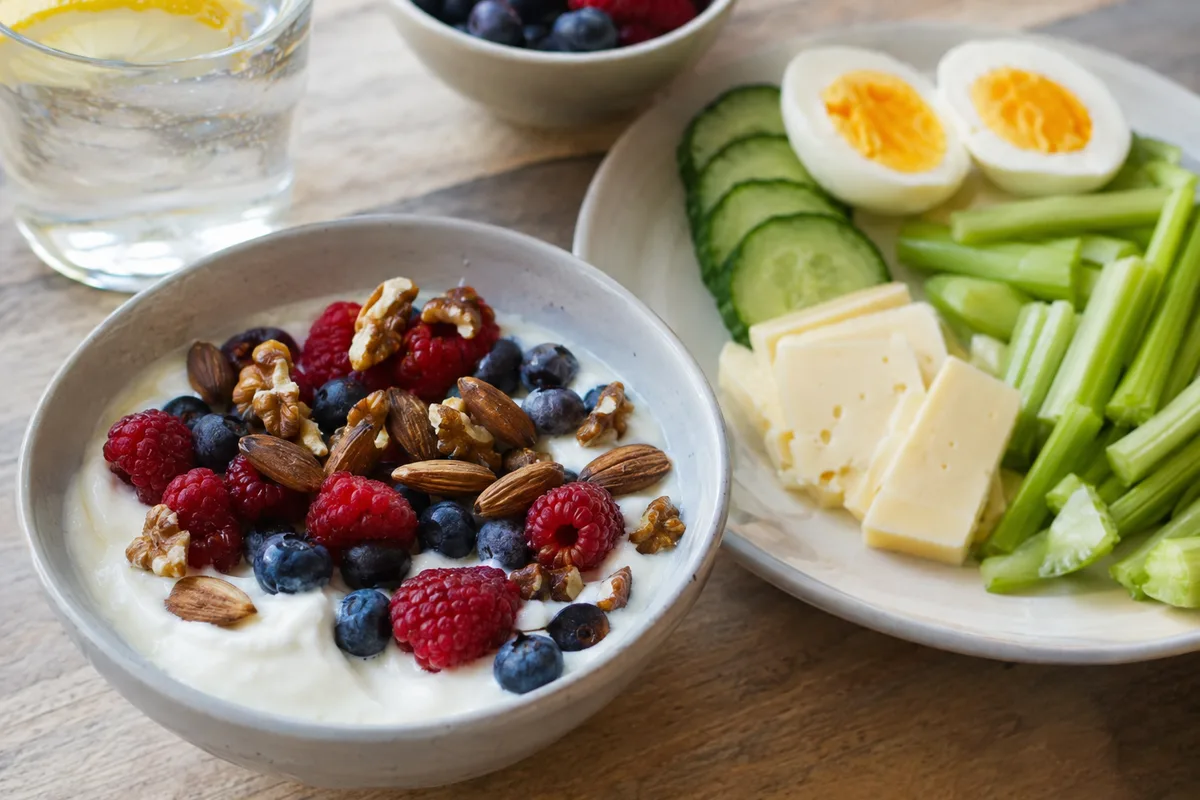
A lower-carb breakfast might combine eggs with vegetables, or plain yoghurt with nuts and a small portion of fruit. If you prefer not to eat breakfast, there is no need to buy special substitutes. Base the list on your actual routine rather than an idealised plan.
Snacks are optional, so first consider whether you usually need them. If you do, choose options that are easy to portion and log. The right amount depends on your appetite and the rest of your day.
- Boiled eggs with cucumber or tomatoes
- Plain yoghurt with nuts or seeds
- Cheese with peppers or celery
- A measured portion of nuts
- Berries served with plain yoghurt
Read labels and finish the list
Nutrition labels help you compare similar foods without relying on claims on the front of the pack. In the UK, the carbohydrate figure already includes sugars, while fibre is usually listed separately. Compare products using the same basis, such as per 100 grams, then log the portion you actually eat.
Check the ingredients as well as the nutrition table. Sugar can appear in foods such as sauces, marinades, flavoured dairy products and prepared meals. A shorter ingredient list is not automatically lower in carbohydrate, so use the numbers to confirm.
Before shopping, organise the final list by meal or supermarket section. Include enough flexible ingredients to make quick combinations when plans change. After the shop, keep logging as usual and adjust the next list according to what you ate, enjoyed and left unused.
- Compare total carbohydrate between similar products
- Check both the per-100-gram figure and your likely portion
- Look for added sugar, starch, crumbs and sweet sauces
- Match every main ingredient to at least one planned meal
- Review leftovers before writing the next list