
High-fibre, lower-carb foods for everyday meals
Fibre comes from plant foods, which also contain varying amounts of carbohydrate. This guide explains which choices tend to offer more fibre with less digestible carbohydrate and how to log them accurately.
What high fibre and low carb mean together
Fibre is a type of carbohydrate found in plant foods, but the body handles it differently from sugars and starches. A high-fibre, low-carb approach usually means choosing foods that provide useful fibre without a large amount of digestible carbohydrate. There is no single carb limit that suits everyone, so your own target and portion size matter.
Food labels can present carbohydrate and fibre differently depending on where the product is sold. On most UK labels, the carbohydrate figure does not include fibre, so you would not usually subtract fibre again. Check how your tracking app records each food, especially when an entry has been added by another user.
- Prioritise non-starchy vegetables
- Choose nuts and seeds in measured portions
- Use berries and avocado instead of sweeter fruits more often
- Check whether your app lists fibre separately from carbohydrate
Non-starchy vegetables
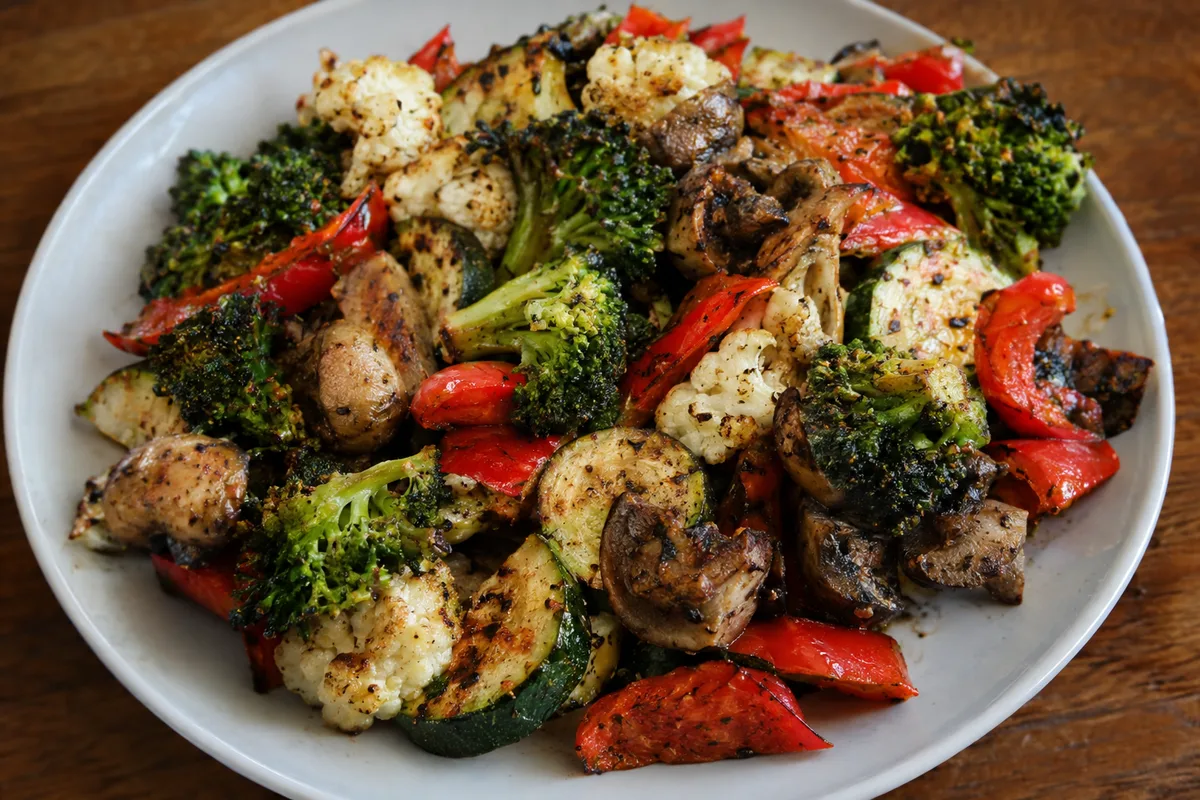
Non-starchy vegetables are a useful starting point because they provide fibre, colour and volume without as much carbohydrate as potatoes, sweet potatoes or sweetcorn. Leafy greens, brassicas and courgettes can form a large part of a meal. Their carbohydrate content still varies, so log the portion you actually eat.
Cooking can change the size of a serving without removing all its carbohydrate. A bowl of cooked spinach, for example, contains more leaves than the same-sized bowl of raw spinach. Record foods as raw or cooked to match the state in which you weighed or estimated them.
- Broccoli, cauliflower and cabbage
- Spinach, kale and spring greens
- Courgette, aubergine and mushrooms
- Green beans and asparagus
- Peppers and celery
Nuts and seeds
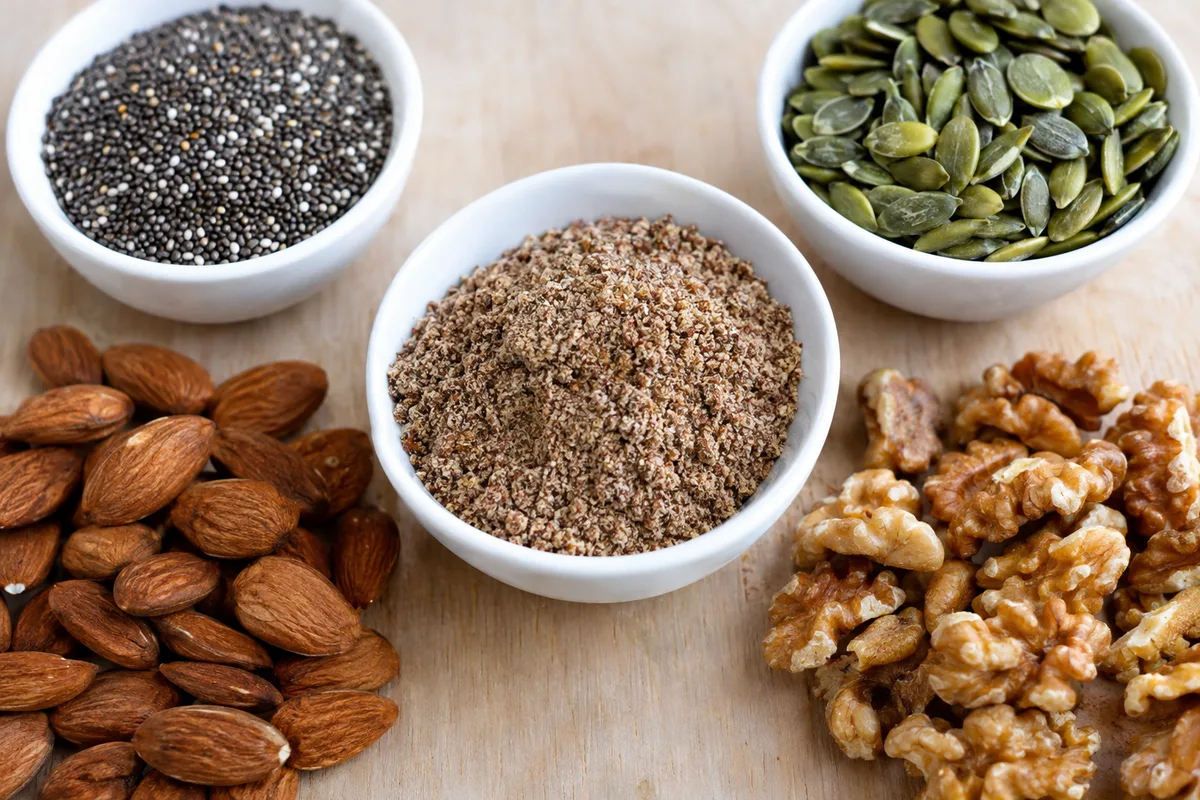
Nuts and seeds combine fibre with fat and some protein, making them easy to add to meals. Chia seeds, flaxseeds and pumpkin seeds can be stirred into yoghurt or sprinkled over salads. Ground flaxseed is often easier to mix evenly than whole seeds.
Portion size deserves attention because a small handful can become several servings without looking substantial. Plain varieties make tracking simpler than coated or flavoured versions, which may contain added sugars or starches. Log the amount rather than relying on a generic entry such as one handful.
- Chia seeds
- Ground or whole flaxseeds
- Almonds and walnuts
- Pumpkin and sunflower seeds
- Unsweetened coconut flakes
Lower-carb fruit choices
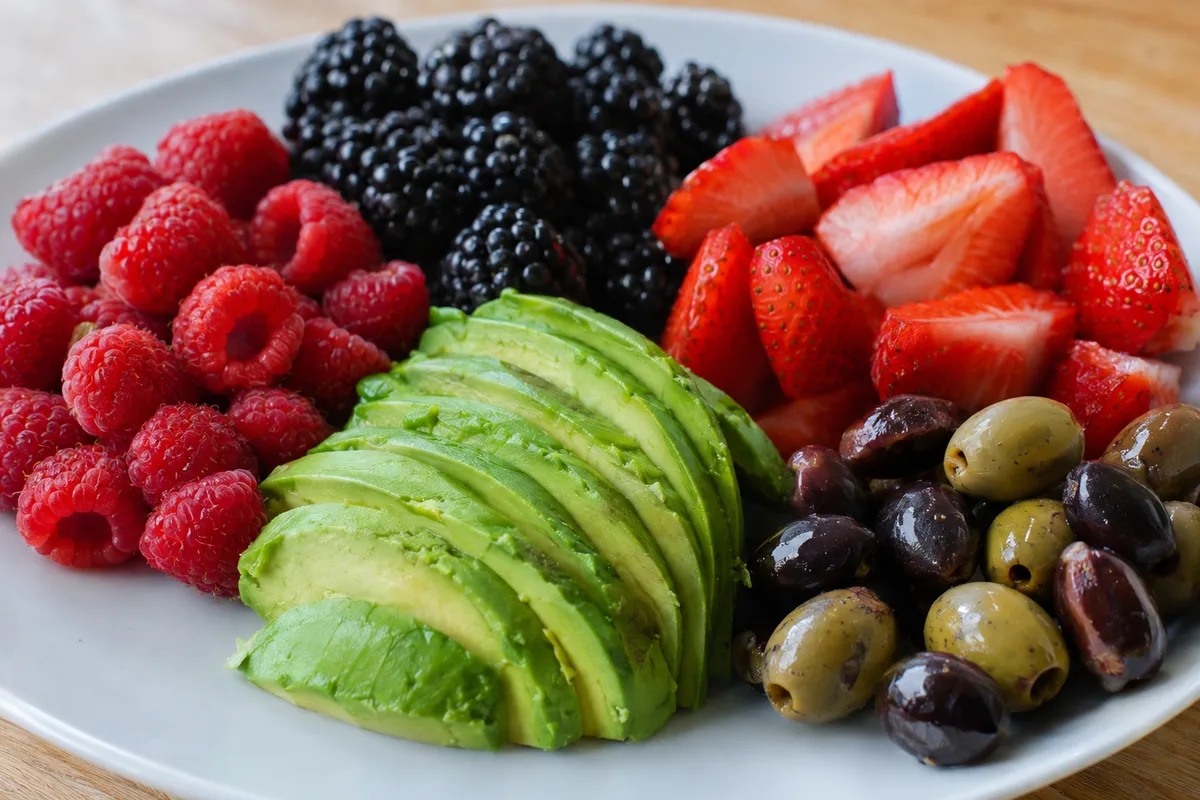
Fruit contains fibre as well as natural sugars, and some choices contain less carbohydrate per portion than others. Berries are often easier to fit into a lower-carb plan than larger portions of tropical fruit or dried fruit. Fresh and frozen unsweetened berries can be logged in the same way, provided the entry matches the weight used.
Avocado is also a fruit, but most of its energy comes from fat rather than sugar. Olives follow a similar pattern and can add flavour to salads or vegetable dishes. Jarred or prepared versions may include other ingredients, so check the label before choosing a database entry.
- Raspberries and blackberries
- Strawberries
- Avocado
- Olives
- Small portions of blueberries
Foods that need a closer look
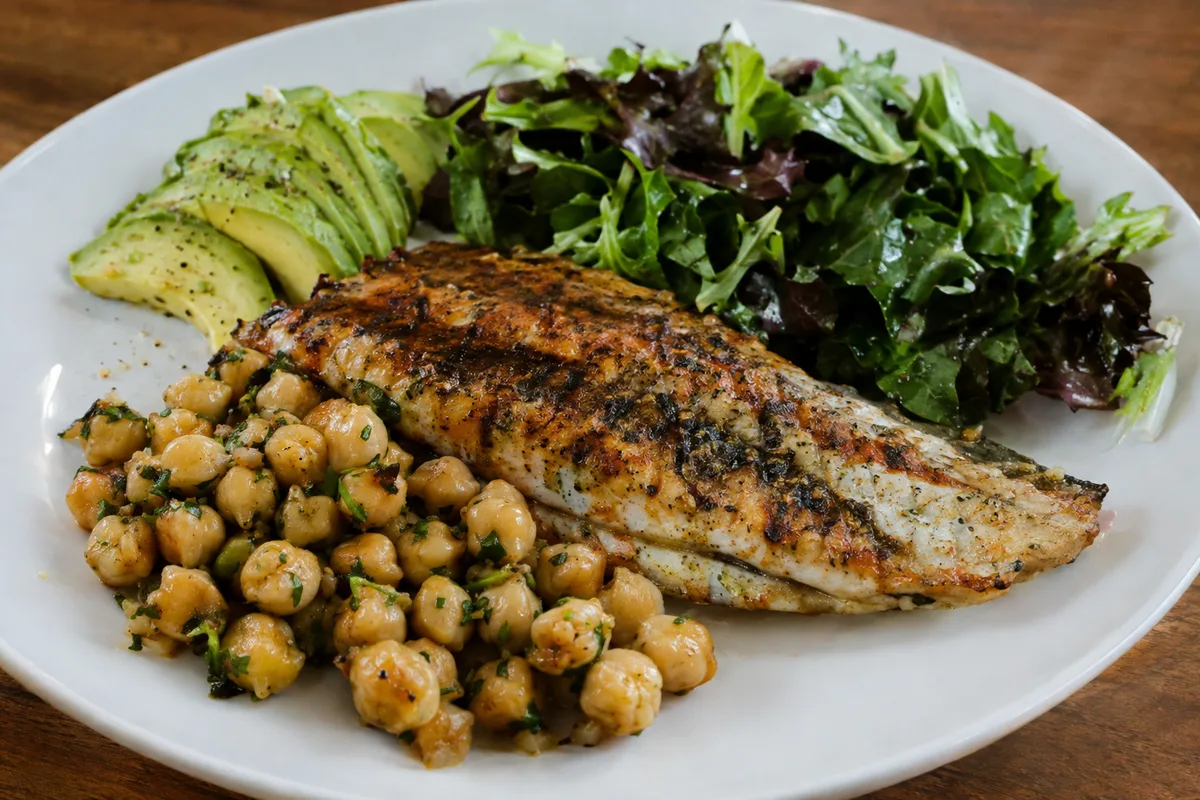
Beans, lentils and chickpeas provide plenty of fibre, but they also contain more carbohydrate than most non-starchy vegetables. They may still fit your plan when the portion is chosen deliberately. Log the cooked or drained weight rather than assuming every spoonful is the same.
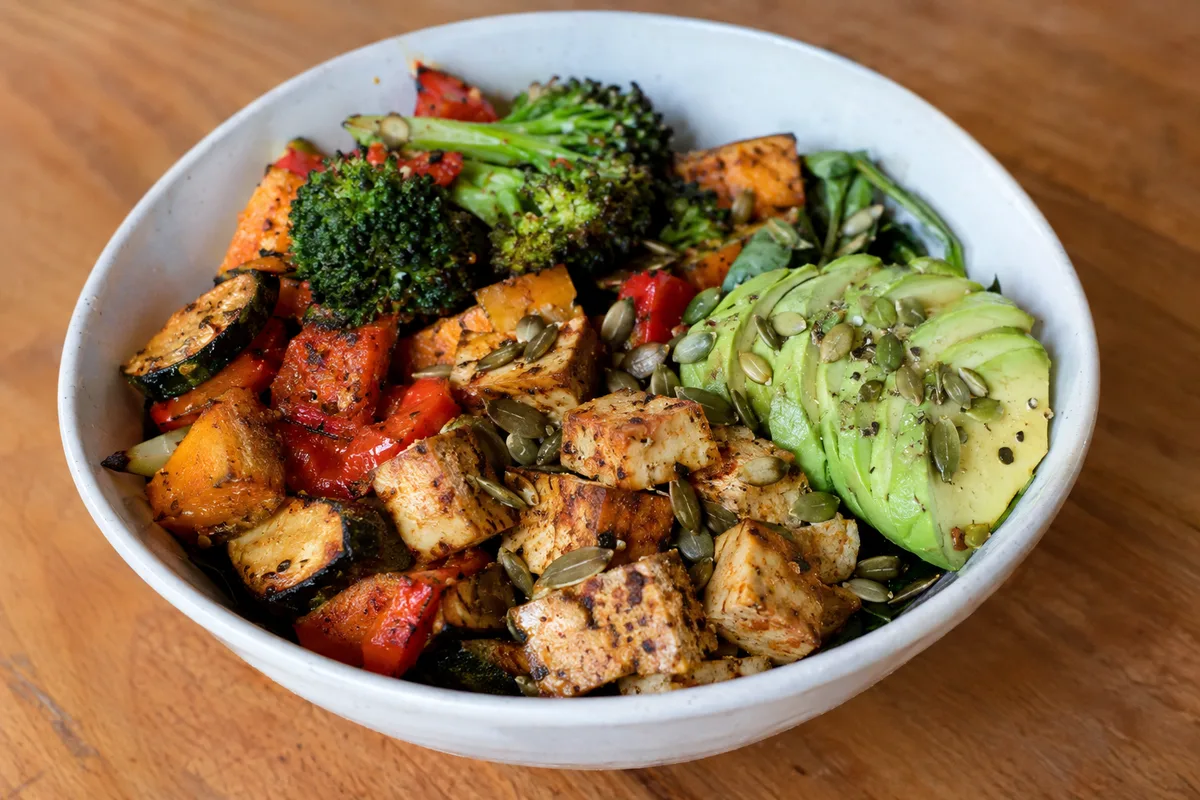
Meat, fish, eggs and plain cheese are generally low in carbohydrate, but they do not naturally provide fibre. Pairing them with vegetables, seeds or avocado creates a more balanced lower-carb plate. Vegetarian protein products vary widely because some use grains, flour or added starch.
- Measure beans, lentils and chickpeas before logging
- Check sauces for flour, sugar and starch
- Pair eggs or fish with leafy vegetables
- Read the full label on meat-free alternatives
- Do not count animal proteins as fibre sources
Build and track a satisfying meal
Start with a generous serving of non-starchy vegetables, then add a protein source and a fibre-rich extra such as seeds or avocado. Include fats and seasonings according to your usual eating pattern and targets. This method keeps the focus on complete meals rather than chasing one nutrient in isolation.
When tracking, use entries that show both carbohydrate and fibre so you can see the full picture. Save meals you eat regularly, but update them when the ingredients or portions change. Increase fibre gradually and drink according to thirst, as a sudden large change may feel uncomfortable.
- Choose a non-starchy vegetable base
- Add fish, eggs, meat, tofu or another protein source
- Include seeds, nuts, avocado or a measured portion of pulses
- Log dressings, sauces and toppings separately
- Review the whole day rather than judging one ingredient