
High-Protein Pasta Dishes That Still Feel Like Pasta
A high-protein pasta dish starts with more than simply choosing a different packet of pasta. This guide explains how to combine pasta, protein, vegetables and sauce while keeping the meal enjoyable and straightforward to log.
What makes a pasta dish high in protein
Pasta already contains some protein, but the amount varies between products and serving sizes. A high-protein pasta dish adds a clear protein source rather than relying on pasta alone. That source can be mixed through the sauce, served on top or included in the pasta itself.
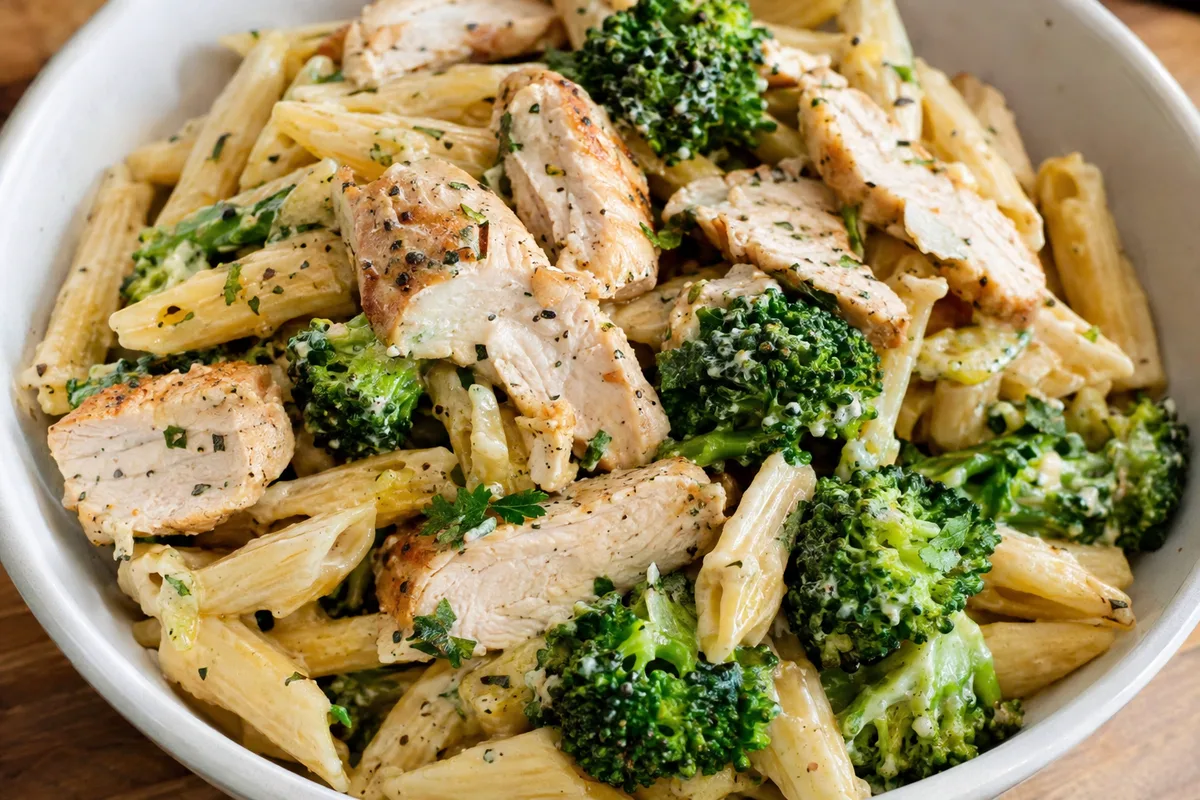
The whole plate matters more than any single ingredient. A large bowl of pasta with a small scattering of protein may not match what you intended, even if the topping is a protein-rich food. Start with a useful portion of protein, then add pasta, vegetables and enough sauce to bring everything together.
- Chicken, turkey, lean minced meat or seafood
- Eggs or thick yoghurt stirred into a suitable sauce
- Lentils, beans, peas or soya-based pieces
- Cheese used as part of the protein rather than only as a garnish
- Pasta made with wheat, lentils, chickpeas, peas or other protein-containing ingredients
Choose a pasta that suits the dish
Standard wheat pasta can work perfectly well when the sauce contains a substantial protein source. Pasta made from lentils, chickpeas or peas can add more protein and fibre, but its texture and flavour are different. Check the packet you actually use because the nutrition information can vary noticeably between products.
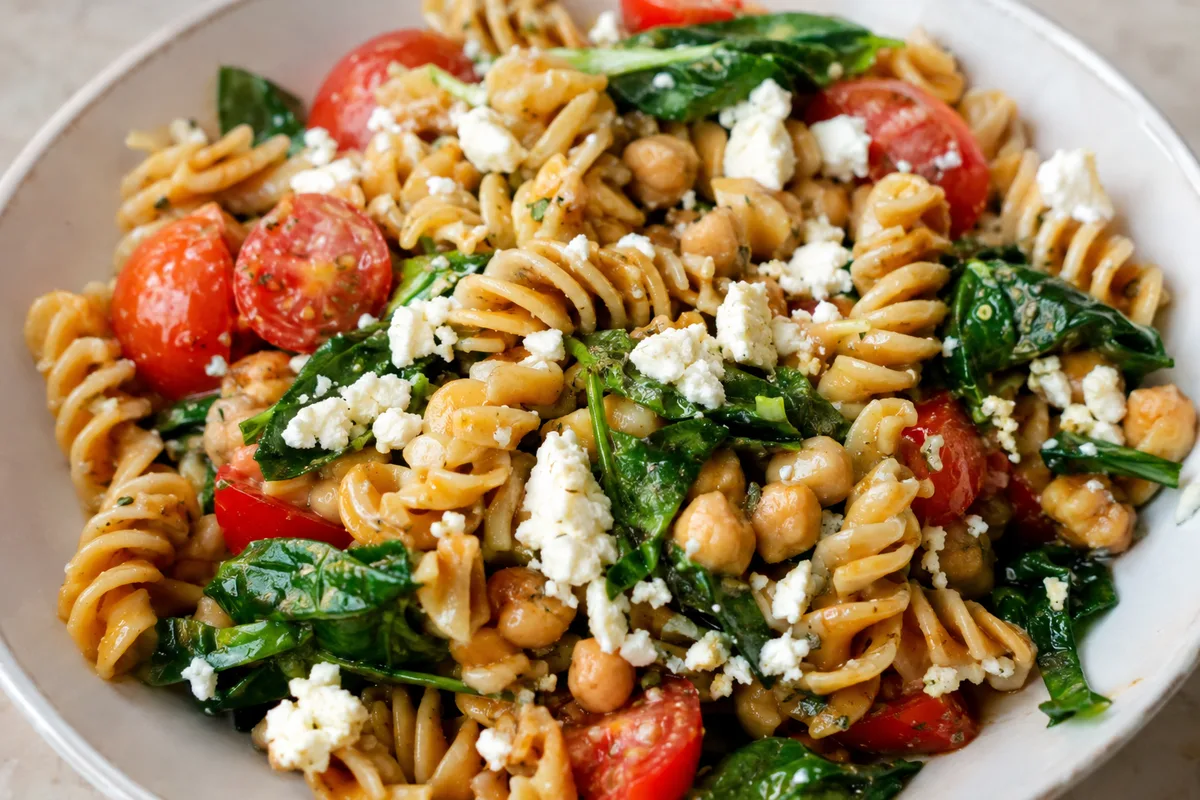
Shape also affects how the finished dish eats. Tubes and shells hold chunky sauces, while spaghetti and tagliatelle suit smoother sauces or finely chopped ingredients. Choosing the right shape helps spread the protein through the bowl instead of leaving it in separate clumps.
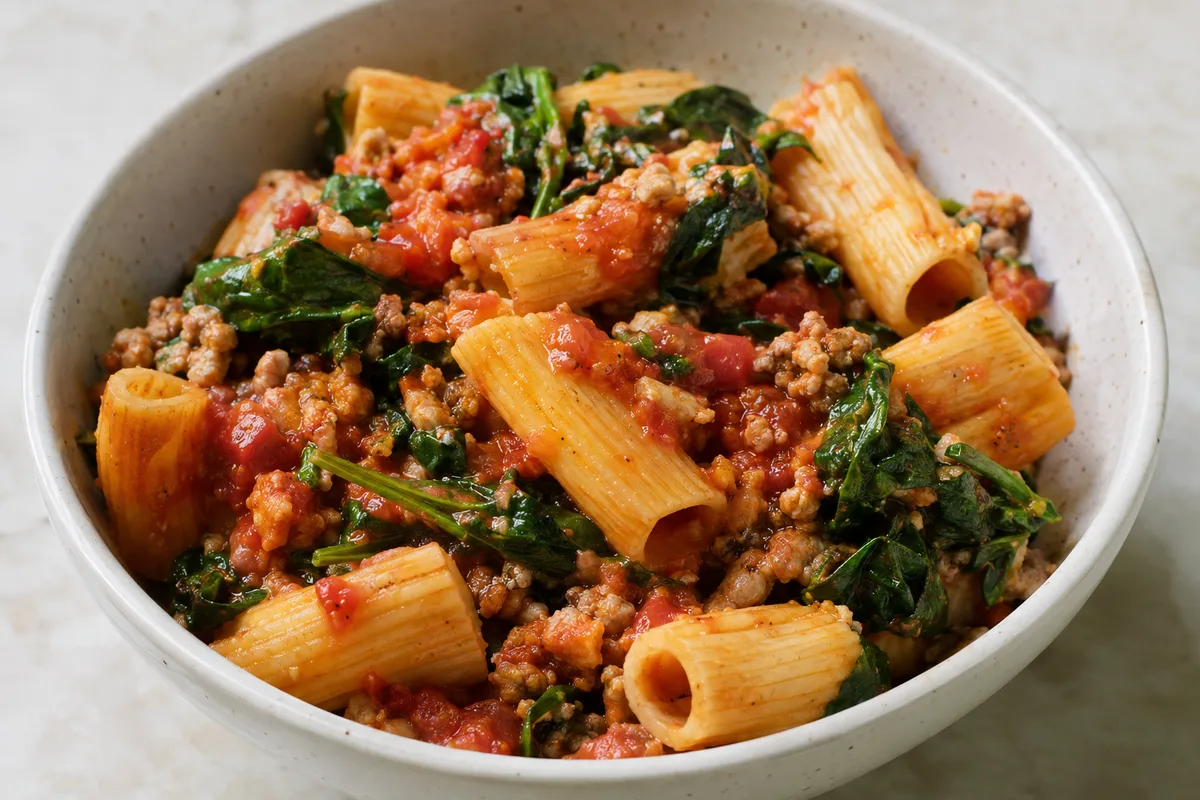
- Use penne or rigatoni with minced meat, lentils or diced chicken
- Pair spaghetti with prawns, flaked fish or a smooth yoghurt-based sauce
- Try fusilli with beans, peas or crumbled cheese
- Use filled pasta as one component of the meal and check what the filling contributes
- Cook pulse-based pasta carefully, as it can soften or break more quickly
Build a balanced high-protein pasta bowl
Begin by deciding which ingredient will provide most of the protein. Add a pasta portion that fits your usual meal, then include vegetables for colour, fibre and volume. Finish with a sauce that coats the ingredients without hiding their flavours.
The proportions depend on your appetite, goals and the rest of your day. If you track protein, enter the main protein ingredient first so you can see what it contributes before adding smaller extras. This makes it easier to adjust the meal without turning every topping into a protein claim.
- Pick one main protein source
- Choose a pasta shape and portion
- Add at least one vegetable that suits the sauce
- Use herbs, spices, citrus or vinegar for extra flavour
- Add cheese, seeds or nuts deliberately and log them separately
Pasta combinations to try
A useful combination has contrast as well as protein. Soft pasta benefits from crisp vegetables, fresh herbs or toasted toppings, while a rich sauce can be balanced with tomatoes, lemon or leafy greens. Keeping the flavours familiar makes the dish feel like a proper pasta meal rather than a collection of tracked ingredients.
You can also adapt dishes you already make. Increase the main protein ingredient, reduce or replace part of the pasta if that suits your plan, and add vegetables that work with the sauce. There is no need to remove pasta entirely for the meal to contain more protein.
- Chicken, broccoli and penne with a lemon and yoghurt sauce
- Turkey mince, tomato and spinach rigatoni
- Prawn spaghetti with tomatoes, garlic and courgette
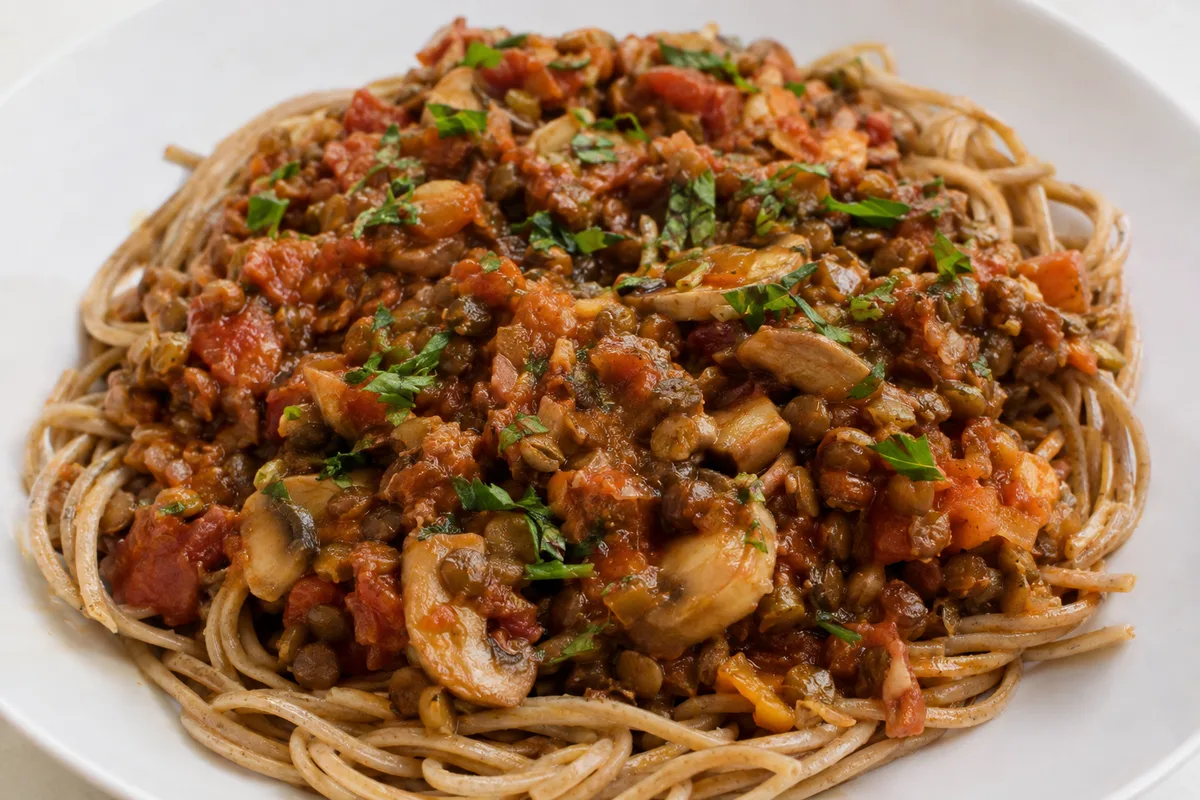
- Lentil bolognese with mushrooms and wholewheat pasta
- Pea, broad bean and crumbled cheese fusilli with mint
Make sauces work harder
Sauce can contribute protein, but it also determines whether the dish feels dry, heavy or well balanced. Thick yoghurt can make a creamy sauce when added gently away from fierce heat, while blended beans can give tomato or vegetable sauces more body. Eggs and cheese can also form a coating sauce when handled carefully.
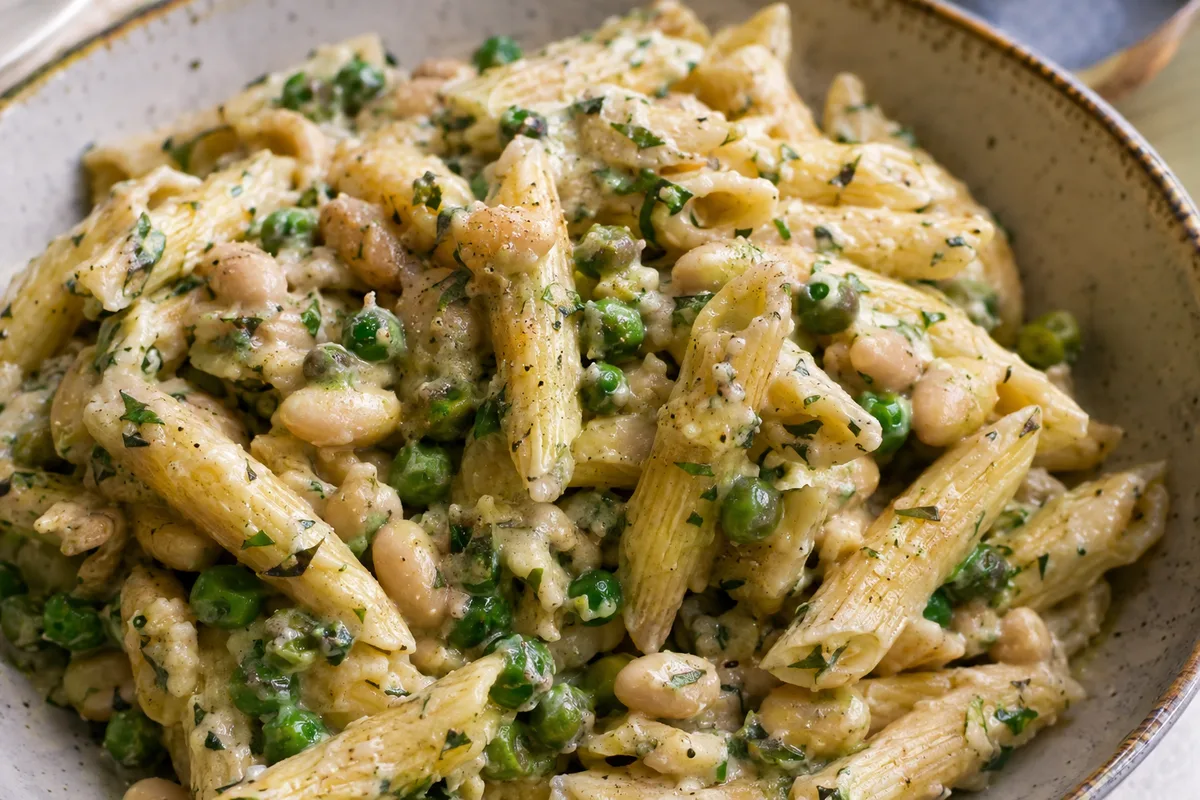
Reserve a little pasta cooking water before draining. Stirring it into the sauce helps everything combine, so you may need less oil or cheese to achieve a smooth texture. Add delicate protein ingredients, such as cooked seafood, near the end so they do not become tough.
- Blend white beans into a tomato and herb sauce
- Stir thick yoghurt into a cooled pan before reheating gently
- Combine eggs and grated cheese with hot pasta away from direct heat
- Mash some lentils into the sauce while leaving the rest whole
- Loosen thick sauces with pasta cooking water a little at a time
Track the finished dish accurately
For a homemade meal, log each ingredient in the amount you use rather than selecting a generic pasta dish. Dry pasta and cooked pasta have different weights because cooking adds water, so match your entry to the form you measured. Use the packet information where possible, especially for protein-enriched or pulse-based pasta.
For a shared batch, add all ingredients to a saved recipe and divide it by the portions actually served. Oils, cheese, nuts and creamy ingredients are easy to overlook because they may be added while cooking or at the table. Accurate tracking does not require every bowl to look identical, but your portion estimate should reflect what you ate.
- Record whether pasta was weighed dry or cooked
- Use the nutrition details from the specific packet
- Include cooking oil and sauce ingredients
- Save repeat meals as recipes for quicker logging
- Update the number of portions if the batch serves more or fewer than expected