
How to Replace Electrolytes Without a Sports Drink
Electrolytes are minerals lost through sweat, but a branded sports drink is not the only way to replace them. This guide explains when replacement matters and how to use ordinary food and drink.
What electrolytes actually do
Electrolytes are minerals that help your body manage fluid, muscle movement and nerve signals. The main ones in food and drink include sodium, potassium, magnesium and calcium. You lose some sodium and smaller amounts of other minerals when you sweat.
If you already track your food, you can look at electrolytes as part of your normal meals rather than as a separate supplement. Sodium often comes from salt and savoury foods, while fruit, vegetables, dairy foods, pulses, nuts and seeds provide other useful minerals. A varied meal may replace several electrolytes at once.
- Sodium helps regulate fluid balance
- Potassium supports normal muscle and nerve function
- Magnesium contributes to muscle and nerve function
- Calcium supports muscle movement as well as bones
Decide whether you need more than water
For a short or gentle activity, water and your next normal meal may be enough. Electrolyte replacement becomes more relevant when you sweat heavily, exercise for a long time or spend extended periods in hot conditions. The amount you need depends on your body, the weather, the activity and how salty your sweat is.
Use thirst, the conditions and your usual eating pattern as practical guides. If your clothes or skin often show a salty residue after exercise, sodium may deserve more attention. Do not assume that every workout requires a sweet sports drink.
- Choose water for ordinary daily hydration and lighter activity
- Add a meal or snack after a sweaty session
- Include a salty food when sweat losses have been high
- Drink gradually rather than forcing a large amount at once
Use meals to replace several minerals
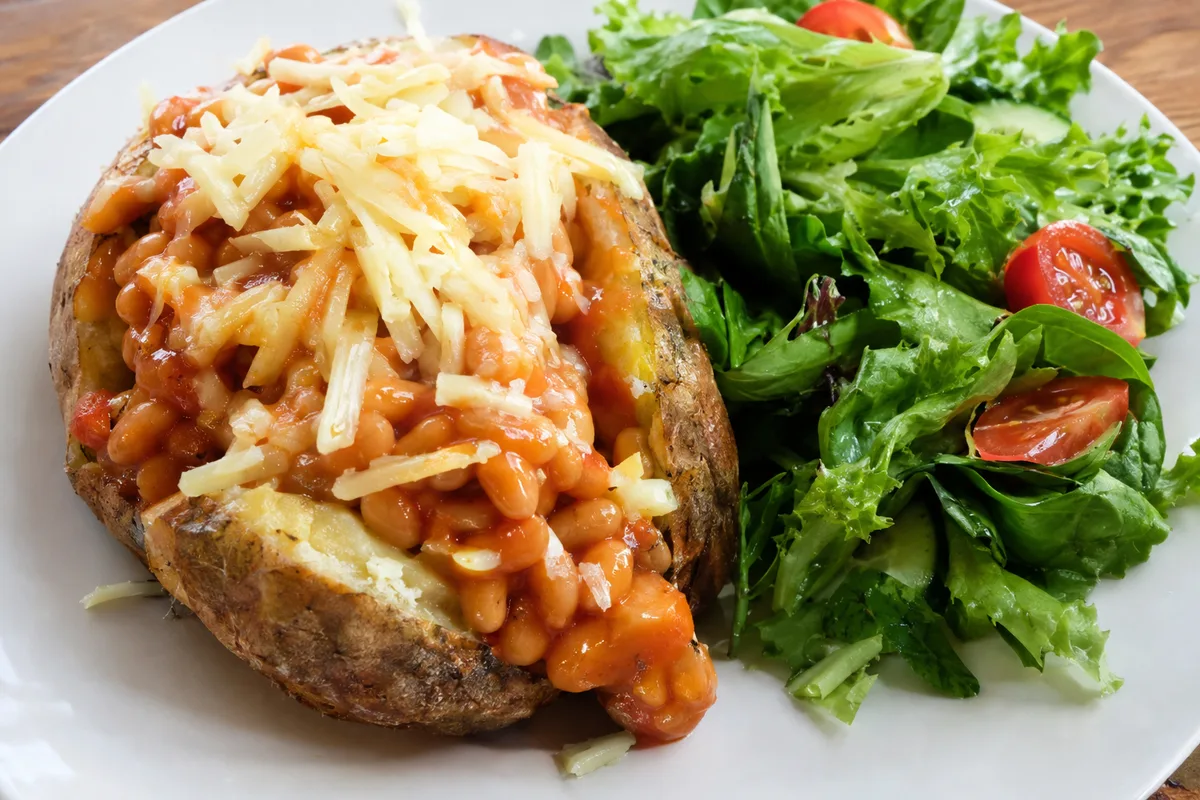
A balanced meal can provide fluid, sodium, potassium, magnesium and calcium together. For example, a jacket potato with beans and cheese combines potassium-rich potato, mineral-rich beans, calcium from cheese and sodium from the seasoned filling. Adding vegetables increases the range of nutrients without turning the meal into a special recovery product.
Other useful combinations include rice with tofu and vegetables, or eggs on toast with a side of fruit. Seasoning can supply sodium when you have lost plenty through sweat, but the right amount depends on the person and the situation. Your food log can help you notice whether your post-exercise meals already contain salty foods.
- Jacket potato, beans, cheese and salad
- Rice, tofu and mixed vegetables with a savoury sauce
- Eggs on toast with tomatoes and fruit
- Lentil soup with bread and yoghurt
- Chicken, couscous and roasted vegetables
Build a simple electrolyte snack
A snack is useful when your next meal is some time away. Pair a source of carbohydrate with foods containing sodium, potassium, calcium or magnesium. This can also provide energy after activity without relying on a brightly coloured drink.
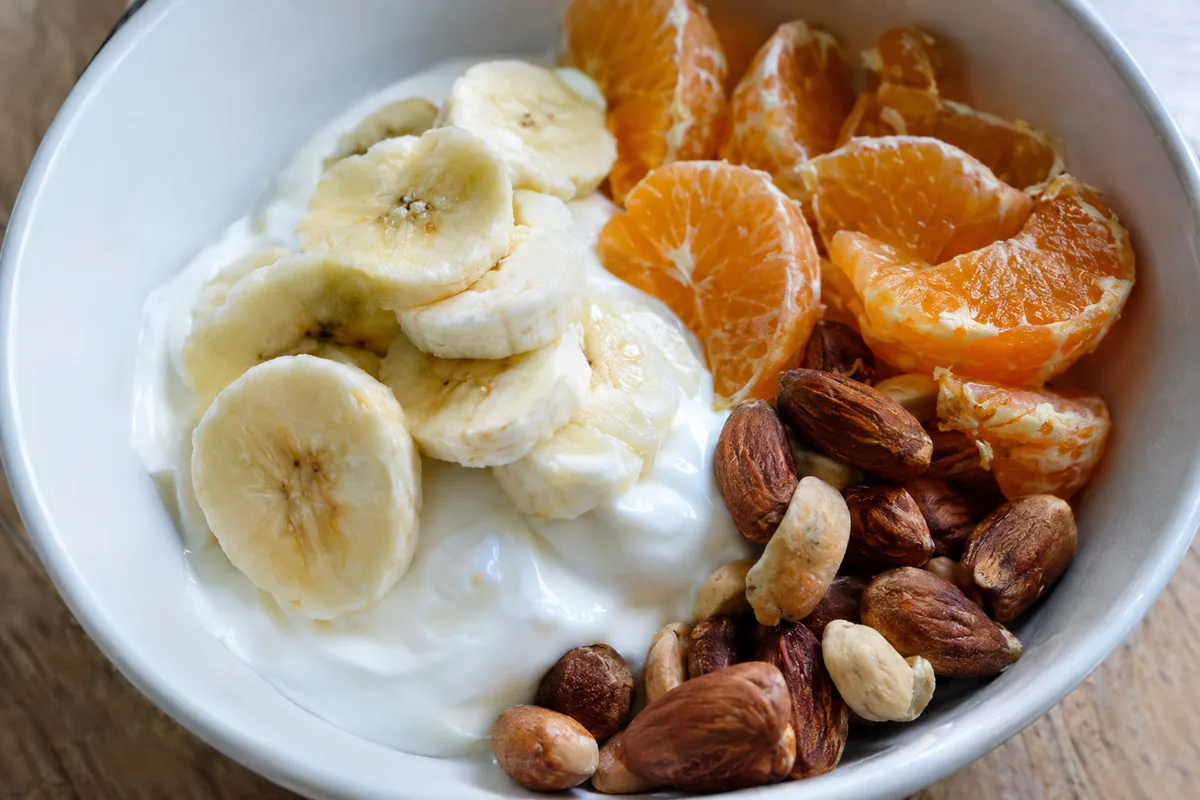
The best choice is one you can digest comfortably and already enjoy. Yoghurt with banana offers calcium and potassium, while salted nuts with fruit add sodium and magnesium. If you track your intake, log the snack as normal rather than treating electrolytes as a separate calorie-free category.
- Plain yoghurt with banana and a small pinch of salt if needed
- Salted nuts with an orange or other fruit
- Cheese and crackers with sliced tomato
- Hummus with pitta bread and cucumber
- Peanut butter on toast with banana
Choose drinks that fit the situation
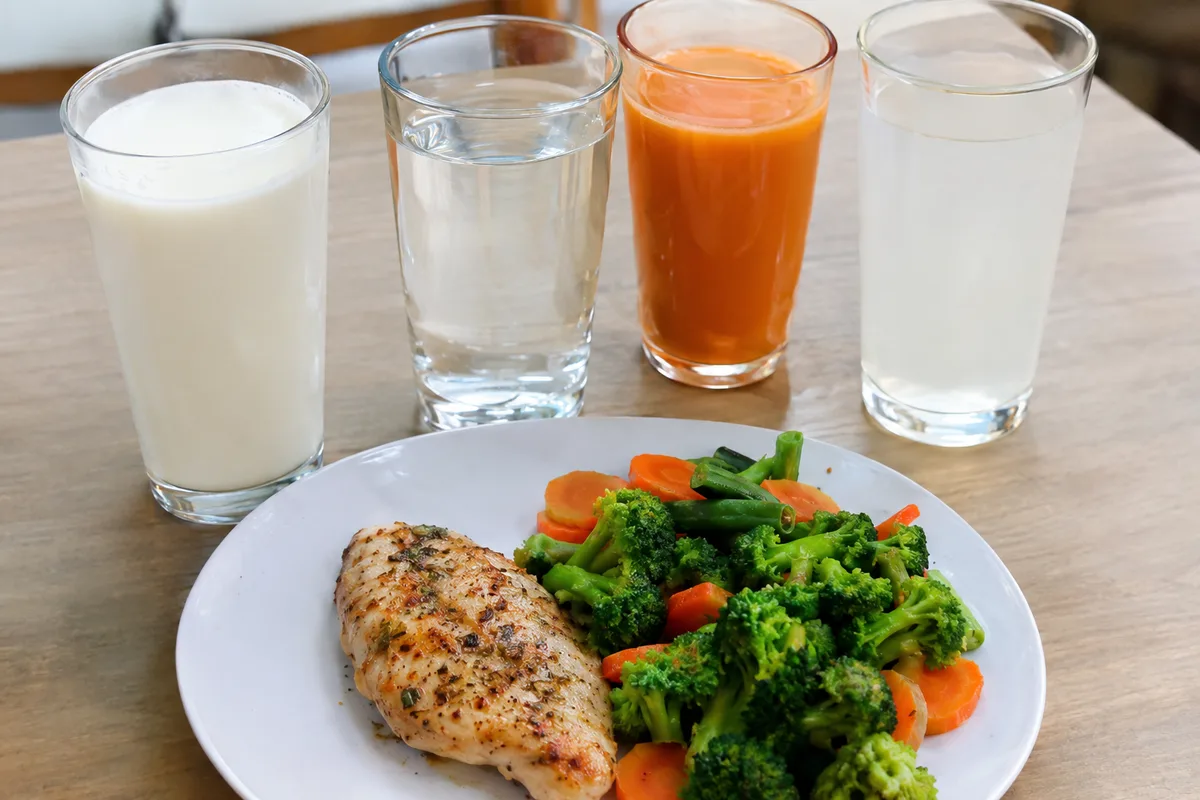
Water remains the simplest base for replacing fluid. Milk provides fluid along with calcium, potassium, carbohydrate and protein, while a vegetable-based drink may provide sodium and potassium. Coconut water contains potassium but is usually less useful as a main sodium source after very salty sweating.
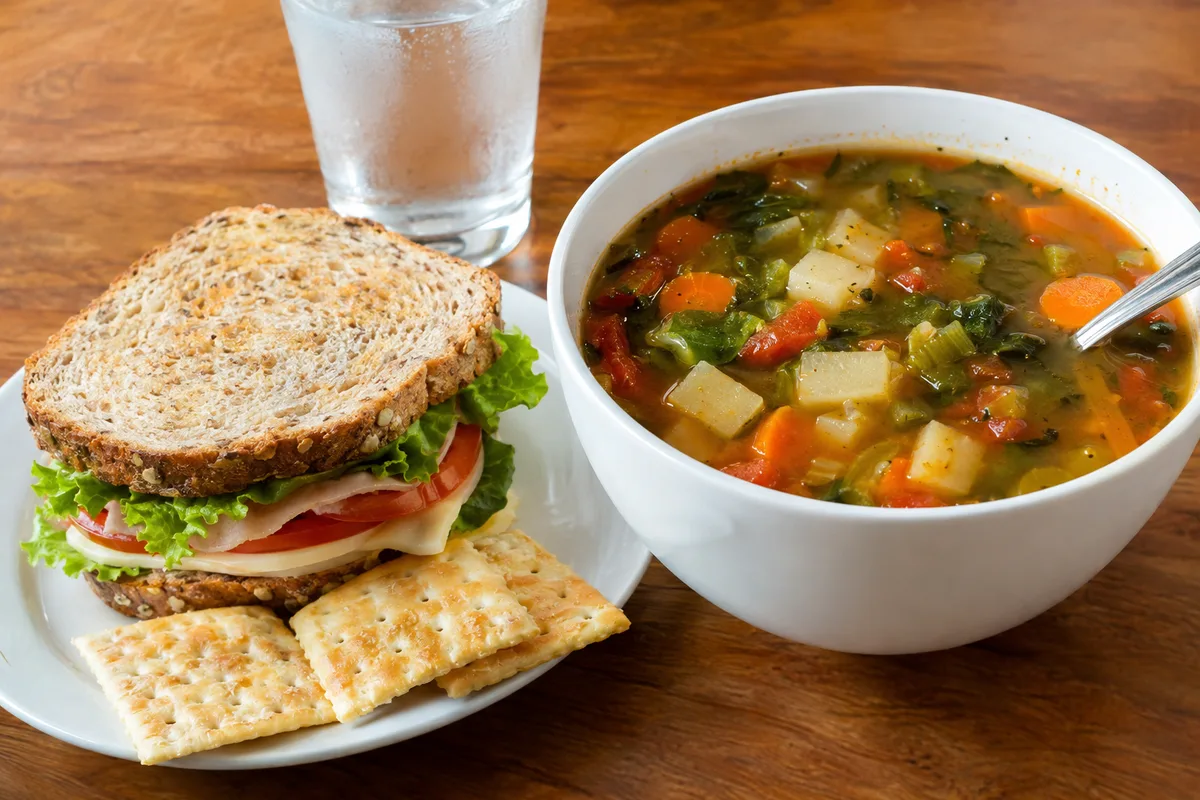
You can also have water alongside food rather than trying to put every electrolyte into one drink. Water with a sandwich, soup or salted snack may be more satisfying than a sweet sports drink. Check labels when using packaged drinks because their sugar and sodium content can vary widely.
- Water alongside a balanced meal
- Milk or a suitable dairy alternative with food
- A savoury vegetable drink with a lower-salt meal
- Water with soup, a sandwich or salted crackers
- Coconut water paired with a sodium-containing snack
Keep homemade drinks simple and sensible
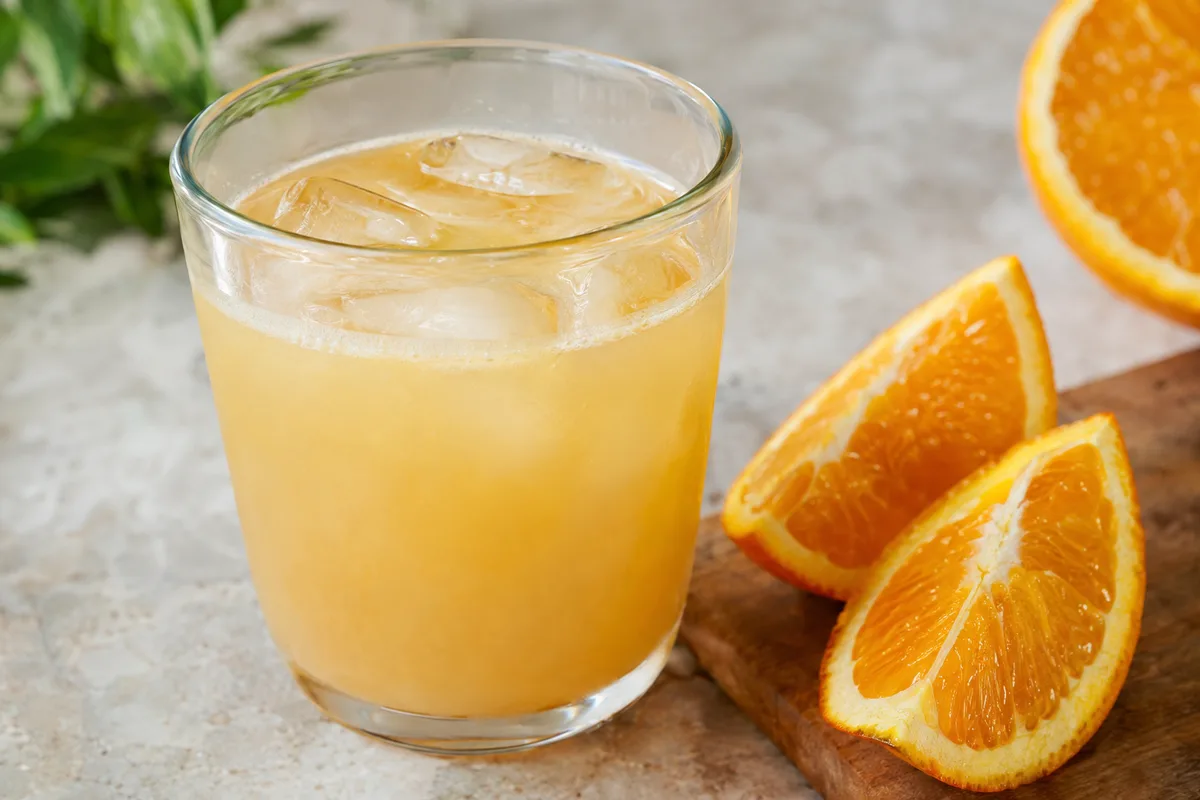
A homemade option can combine water, a small amount of fruit juice for flavour and carbohydrate, and a little salt for sodium. There is no single mixture that suits everyone because sweat losses and taste preferences differ. Avoid making it strongly salty, and count the juice or sweetener in your food log.
For routine exercise, it may be easier to drink water and eat ordinary food. Homemade electrolyte drinks are most useful when carrying a meal is inconvenient or when solid food feels unappealing straight after activity. If heavy fluid losses continue or you feel persistently unwell, get individual guidance from a qualified health professional.
- Start with drinking water
- Add fruit juice for flavour if wanted
- Add only a modest pinch of salt when sodium replacement is relevant
- Pair the drink with food later for a broader range of minerals