
How beetroot juice may support athletic performance
Beetroot juice contains nitrate, which the body can turn into nitric oxide to support blood flow and muscle function. This guide explains the process, the activities that may benefit and how to test it sensibly within your existing routine.
What makes beetroot juice different
Beetroot juice contains naturally occurring nitrate, a compound also found in leafy green vegetables. After you drink it, bacteria in the mouth begin changing nitrate into nitrite. The body then uses that nitrite to produce nitric oxide.
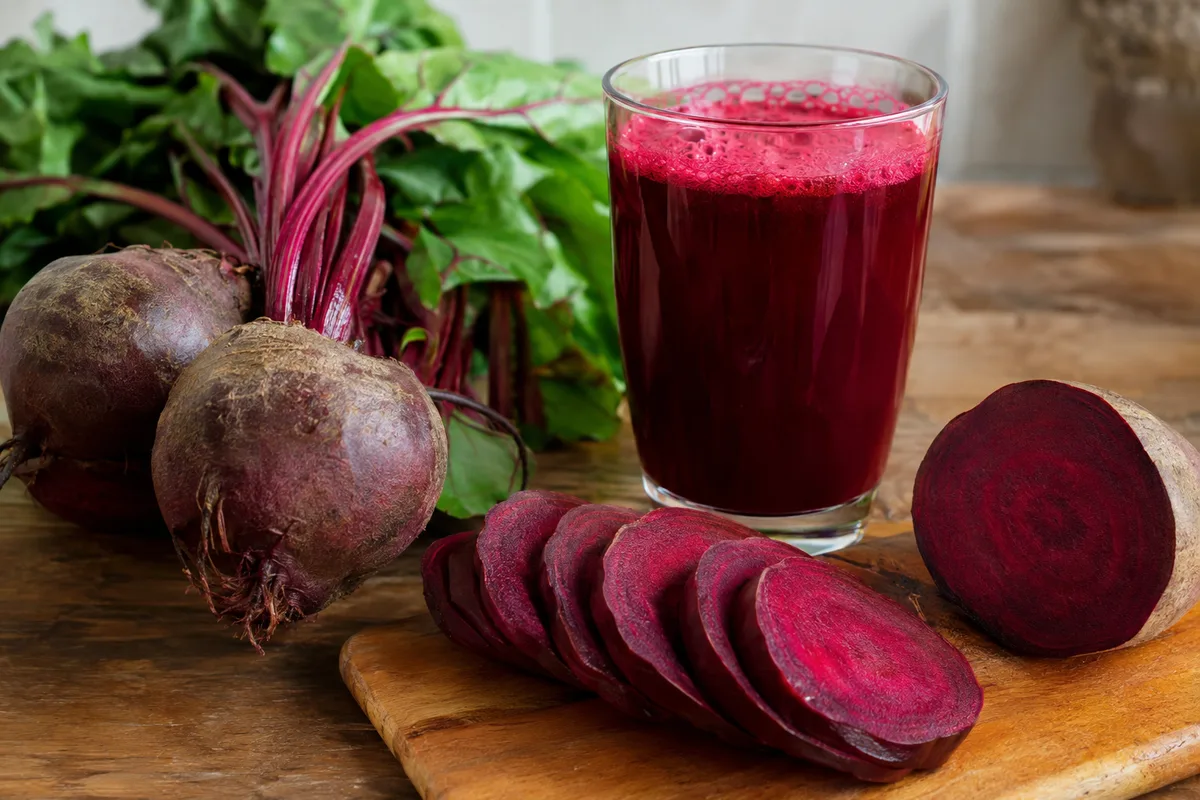
Nitric oxide helps blood vessels relax and widen, allowing blood to move more freely. This can support the delivery of oxygen and nutrients to working muscles. It may also help muscles use oxygen more efficiently during exercise.
Juicing provides nitrate in a convenient, concentrated form, although the amount varies between beetroots and preparations. Whole beetroot also supplies fibre, while juice usually contains less. When tracking your intake, record the carbohydrate and energy shown on the label or calculated from your recipe.
- Nitrate is the starting compound found in beetroot.
- Bacteria in the mouth help begin its conversion.
- Nitrite is formed as part of the process.
- Nitric oxide supports blood flow and muscle function.
How it may affect exercise
Beetroot juice does not provide a sudden burst of energy like carbohydrate does. Instead, its potential benefit comes from helping the body perform a given effort with slightly less demand for oxygen. That may make a steady pace feel more manageable or help delay the point at which effort becomes difficult to maintain.

The effect is not identical for every activity or every person. It is more relevant to sustained, repeated or hard efforts than to gentle movement. Training status, usual diet, exercise duration and the nitrate content of the juice can all affect the response.
A single drink cannot replace fitness, pacing, recovery or enough food. Think of beetroot juice as one possible addition to a well-supported training plan. The clearest test is whether your performance and perceived effort improve under similar conditions.
- Steady running, cycling, rowing or swimming
- Repeated hard efforts with recovery between them
- Training sessions that combine endurance and higher intensity
- Competitions where maintaining pace matters
When and how to include it
Beetroot juice is usually taken before exercise so the body has time to process its nitrate. The best timing and amount depend on the person and the nitrate concentration of the drink. Avoid guessing from colour alone, because a darker juice is not necessarily higher in nitrate.
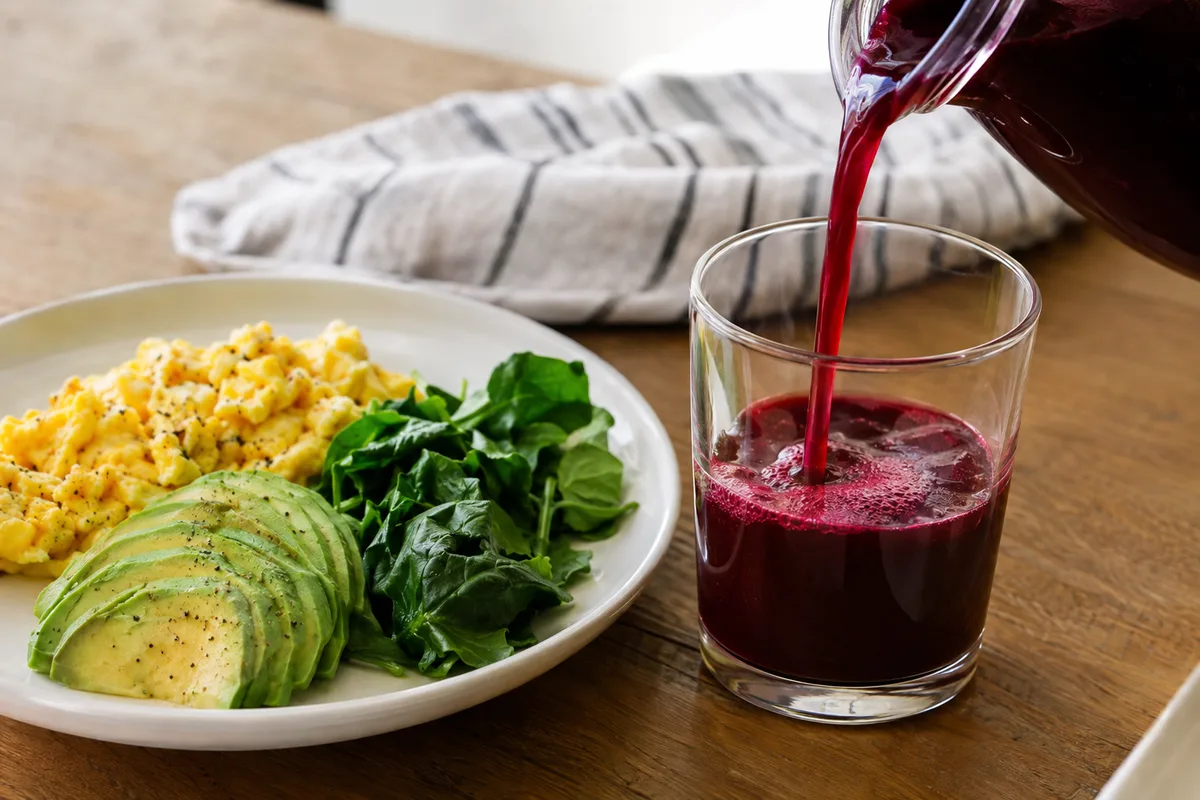
Some athletes use it only before selected sessions, while others include nitrate-rich foods regularly. Either approach should be tested during training rather than introduced for the first time before an important event. Keep the rest of your pre-exercise routine familiar while you assess it.
Beetroot juice still contributes carbohydrate and energy to your daily intake. Log it as a drink, using the serving information available or the ingredients in a homemade version. If it replaces another drink or snack, note that change as well so your comparison remains useful.
- Choose a repeatable training session.
- Keep the route, pace target and pre-exercise meal similar.
- Record when you drank the juice and how much you had.
- Note effort, performance and digestive comfort.
- Repeat the comparison before drawing a conclusion.
What can change the result
The nitrate content of beetroot juice can vary because plants are affected by variety, growing conditions and preparation. Homemade juice may therefore be harder to compare consistently. A product that states its nitrate content can make tracking easier, but the response still depends on the individual.
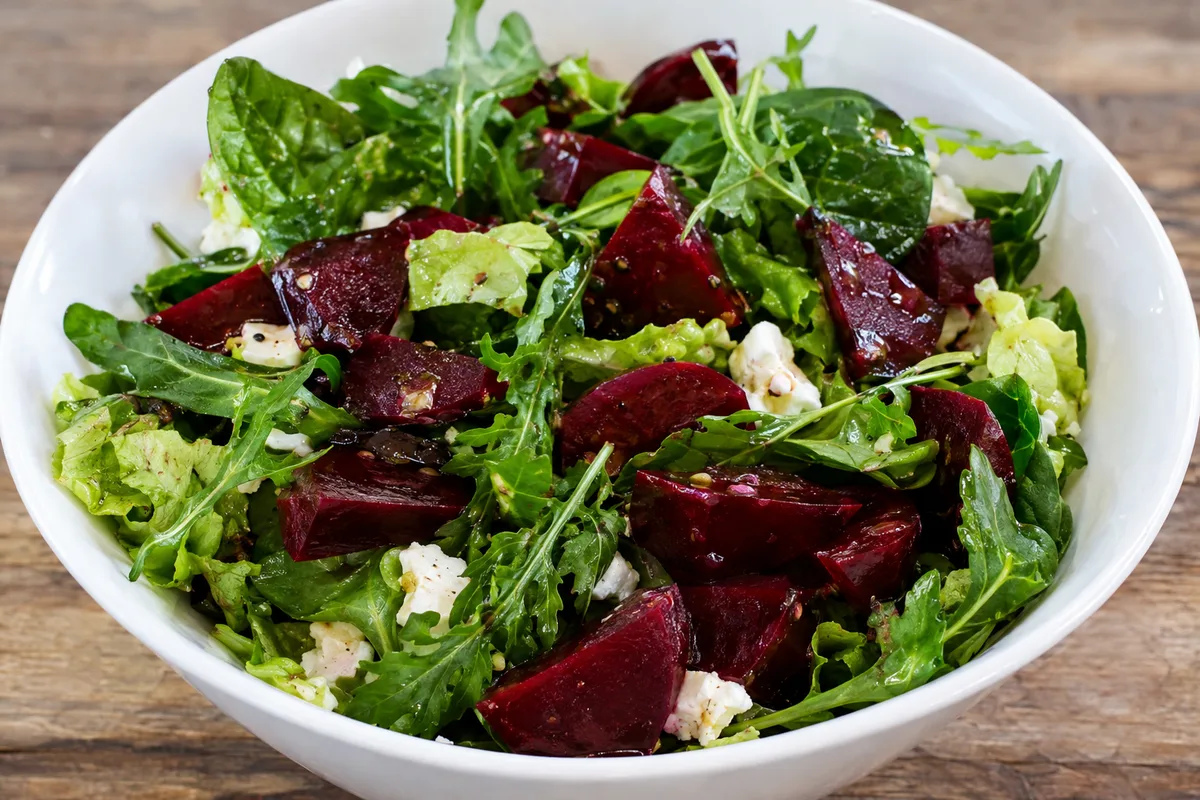
Your usual vegetable intake matters as well. Someone who regularly eats beetroot and leafy greens may already consume plenty of dietary nitrate. Sleep, hydration, fuelling, weather and training fatigue can also have a larger effect on a session than the juice itself.
Mouth bacteria are an important part of nitrate conversion. Disrupting those bacteria around the time of drinking may reduce how much nitrite is formed. For a fair personal test, keep your normal mouth-care routine consistent from one trial to the next.
- Nitrate concentration in the juice
- Usual intake of nitrate-rich vegetables
- Training load and recovery
- Pre-exercise meals and hydration
- Environmental conditions
Comfort and practical considerations
Beetroot juice can cause digestive discomfort in some people, particularly if the serving is unfamiliar or taken close to hard exercise. Test it on an ordinary training day and avoid combining several new foods or drinks at once. The suitable amount depends on personal tolerance and the nitrate concentration.
Beetroot pigments can temporarily change the colour of urine or stools. This does not show whether the juice improved performance, so do not use colour as a measure of effectiveness. Use your training notes and repeatable performance markers instead.
Juice is not the only way to obtain dietary nitrate. Beetroot, rocket, spinach, lettuce and other leafy vegetables can contribute as part of meals. Whole vegetables also provide fibre and may be easier to fit into everyday eating.
- Drink it on a familiar training day first.
- Allow for its carbohydrate and energy in your food log.
- Record digestive comfort as well as performance.
- Use whole nitrate-rich vegetables in regular meals.
How to judge whether it works for you
Look for a pattern rather than one unusually good or bad session. Compare similar workouts and record pace, distance, repetitions or another measure that already matters in your training. Also note how hard the effort felt and whether you completed the planned session.
Keep expectations realistic because any benefit may be subtle. A strong result can also come from better sleep, easier weather, improved fitness or a well-timed meal. Consistent notes help separate a possible juice effect from normal variation.
If beetroot juice fits your digestion, diet and routine, it may be a useful option for selected exercise. If you notice no repeatable benefit, there is no need to force it into your plan. Reliable training, sufficient food and recovery remain the main foundations of performance.
- Use the same type of session for comparisons.
- Track objective performance and perceived effort.
- Keep food, timing and hydration broadly consistent.
- Review several trials rather than one result.