
Beetroot Juice: What to Know Before You Log It
Beetroot juice is an easy way to consume beetroot, but it differs from the whole vegetable in fibre, concentration and serving size. Here is how to understand the label, track your glass and decide where it fits in your usual diet.
What beetroot juice actually contains
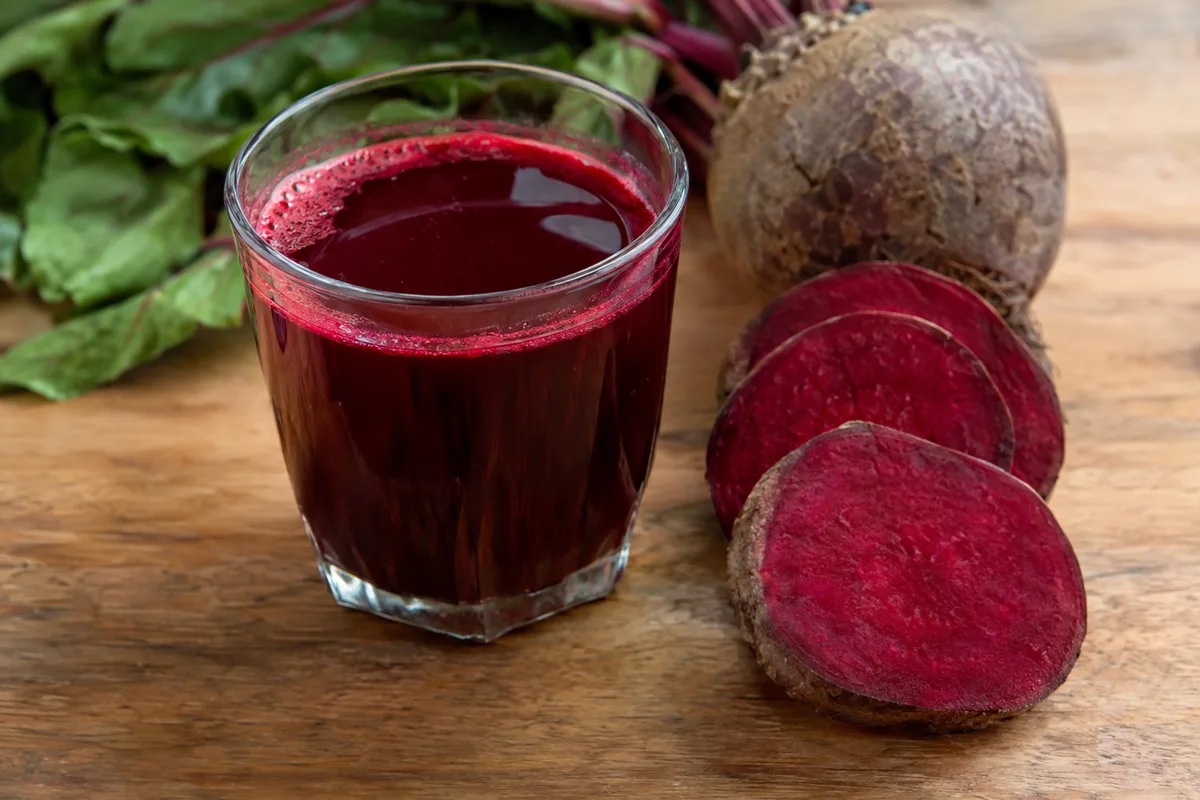
Beetroot juice is made by pressing or blending beetroot and separating some or all of the solid material. It naturally contains carbohydrate, including sugars, as well as small amounts of protein and very little fat. It also provides nutrients found in beetroot, although the exact amounts vary with the product and preparation method.
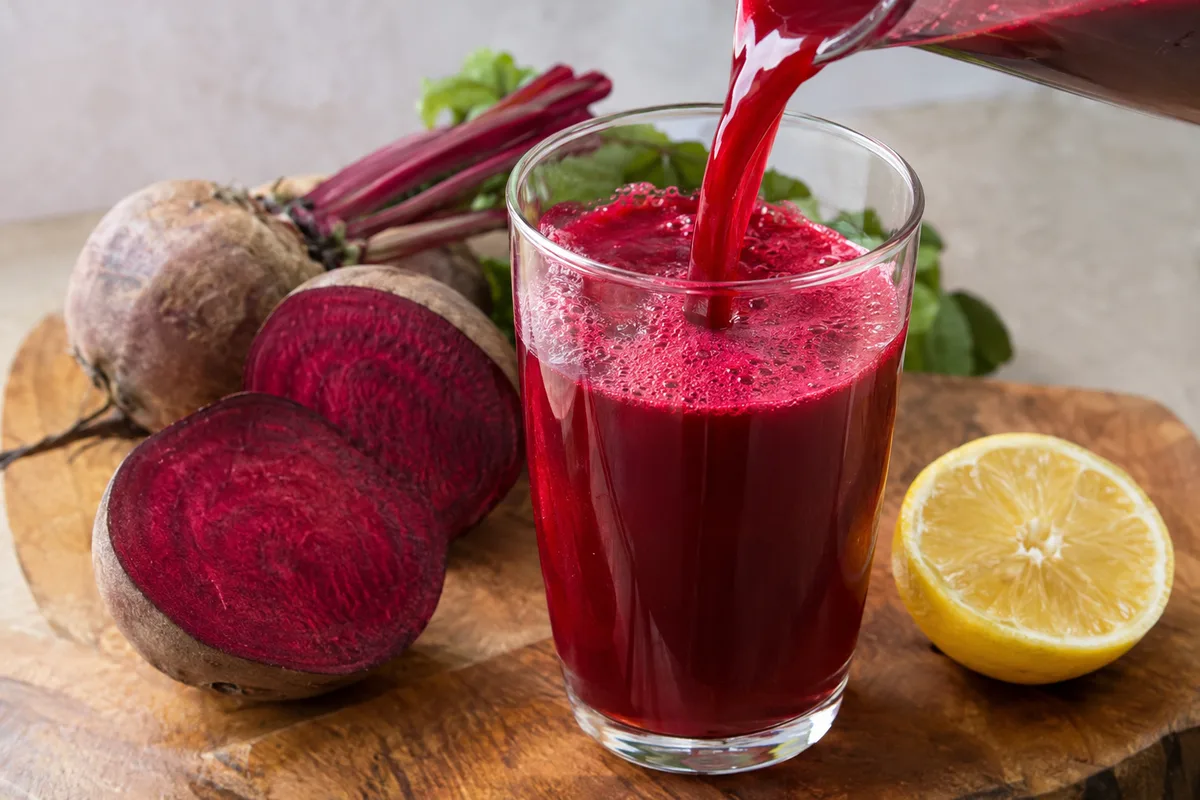
Some bottles contain only beetroot juice, while others combine it with apple, carrot, lemon or other juices. Added fruit juice can make the drink taste sweeter and change its carbohydrate and calorie content. Check the ingredients rather than assuming every red or purple juice is mainly beetroot.
Beetroot also contains naturally occurring nitrates. The body can convert these into compounds involved in blood flow, which is why concentrated beetroot drinks are sometimes used around exercise. The amount varies, and an ordinary juice is not necessarily the same as a concentrated serving made for this purpose.
- Check whether beetroot is the first ingredient
- Look for added fruit juice or sweeteners
- Compare the serving size with the amount you actually drink
- Use the nutrition information from the specific bottle when logging
Juice is not the same as whole beetroot
Whole beetroot contains fibre in its flesh. Juicing usually removes much of that fibre, although a thick blended drink may retain more. Fibre helps make food more filling, so drinking beetroot may feel less substantial than eating the same vegetable.
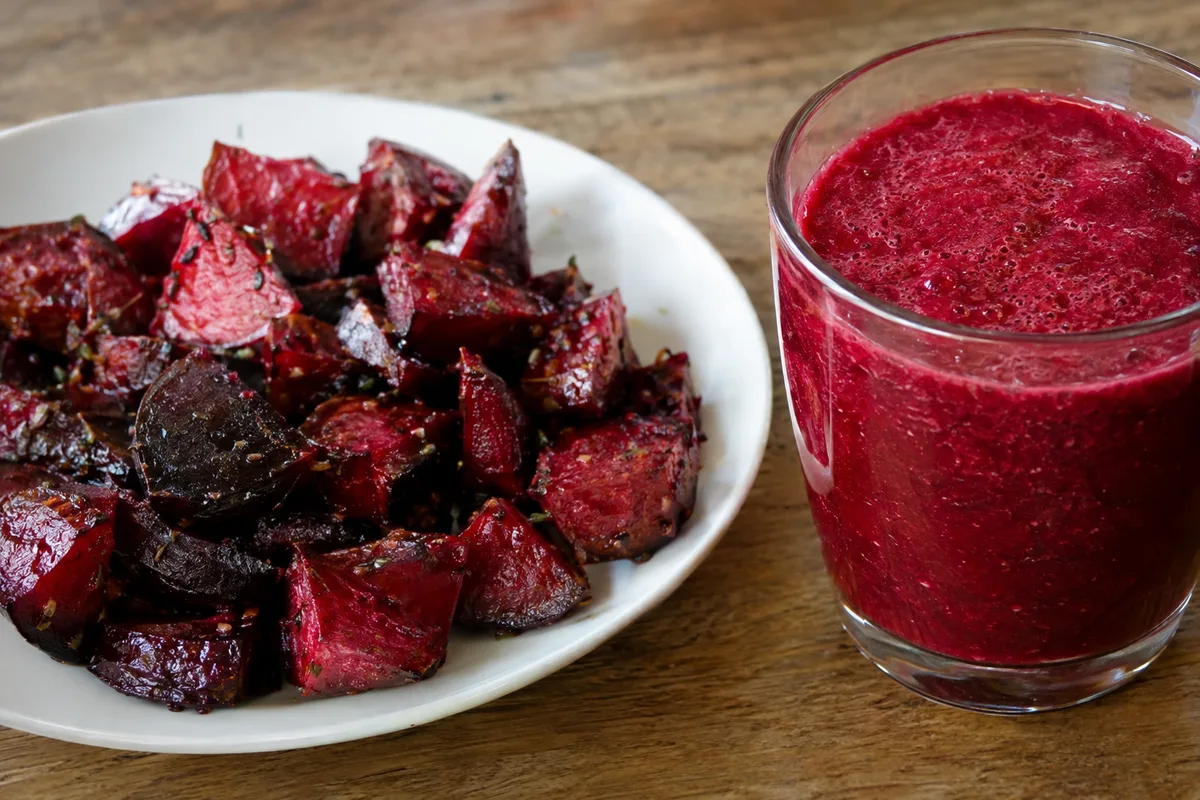
Juice is also quick to consume. A glass can contain the liquid from several pieces of beetroot without the chewing or volume of the whole food. That does not make juice unsuitable, but it means the portion can be easy to underestimate.
If you want the flavour with more texture and fibre, use whole roasted, boiled or grated beetroot in a meal. A blended smoothie that keeps the pulp is another option, though its full ingredients and serving size still need to be logged.
- Whole beetroot for more fibre and texture
- Pulp-containing blends when you prefer a drink
- A smaller juice serving alongside a meal
- Water added to juice for a lighter-tasting drink
How to track beetroot juice accurately
Start with the volume you poured, not the serving pictured on the label. Nutrition panels may give values per serving, per 100 millilitres or both. Adjust the entry if your glass holds a different amount.
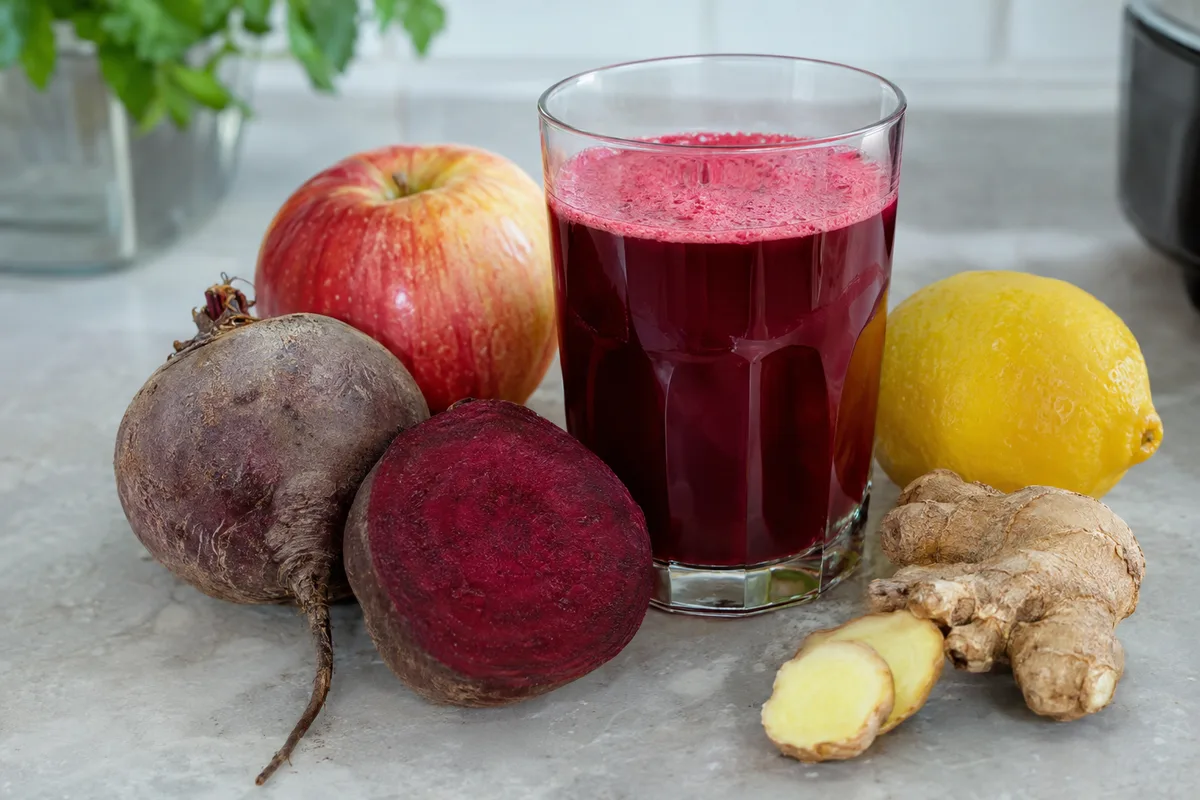
Choose a database entry that matches the drink. Pure beetroot juice, mixed vegetable juice and beetroot-and-apple juice can have different nutritional values. A generic entry is useful only when you do not have the bottle or recipe details.
For homemade juice, log each ingredient and divide the total by the number of servings produced. If a large amount of pulp is removed, the result is harder to calculate exactly because some carbohydrate and fibre remain in the discarded solids. Treat the final number as an estimate and use the same method each time for consistency.
- Record the amount in millilitres
- Copy the label values from the actual product
- Include every juice used in a homemade mixture
- Count sweeteners or other additions separately
- Save a regular recipe if you prepare it the same way often
Taste, timing and serving ideas
Beetroot juice has an earthy flavour that can be strong on its own. Chilling it or combining it with lemon, ginger or water can soften the taste without requiring a large serving. Fruit juice makes it sweeter but also changes what you need to log.
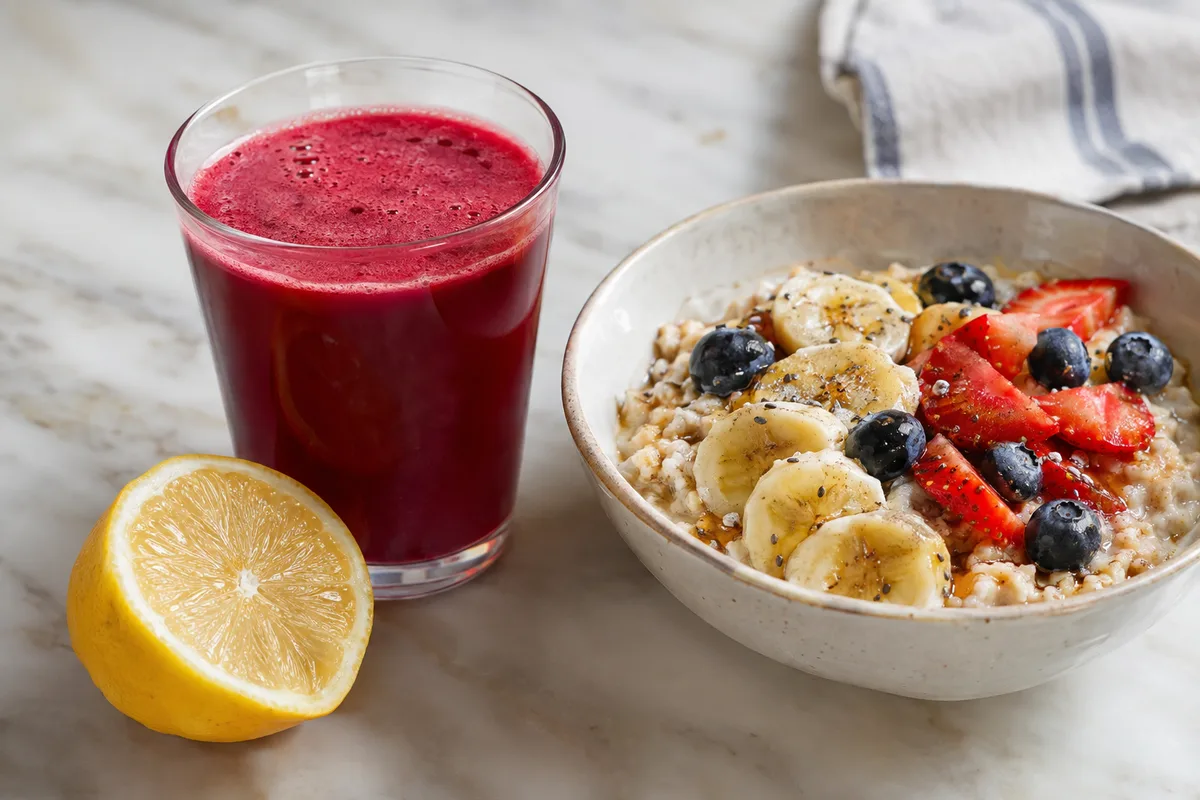
Some people drink it with breakfast or alongside a meal, while others use it before physical activity. There is no single correct time for everyone. If you are testing it around exercise, keep the serving and timing consistent so you can judge how it feels without changing several things at once.
Juice does not need to replace a meal or a piece of fruit. It can simply count as one drink within the day. Consider its carbohydrate and calorie content alongside everything else you already track.
- Serve it chilled with a squeeze of lemon
- Dilute it with still or sparkling water
- Blend it with retained pulp for more texture
- Add a small amount to a vegetable-based smoothie
Possible effects and practical cautions
Beetroot pigments can temporarily turn urine or stools pink or red. This can be surprising, but it may happen after eating beetroot as well as drinking its juice. If a colour change is unexplained, persistent or concerning, seek guidance from a qualified healthcare professional.
A large or concentrated serving may cause stomach discomfort for some people. Begin with an amount that fits your normal eating pattern and notice how you respond. More is not automatically better, particularly with concentrated shots or powders.
Beetroot naturally contains potassium and oxalate, while its nitrate content can affect how the body manages blood flow. Anyone who has been told to restrict particular nutrients, monitor blood pressure closely or follow a specialist diet should check whether beetroot juice is appropriate for them. Personal guidance also matters if you take regular medicines or have been advised to avoid concentrated foods or drinks.
- Read the serving directions for concentrated forms
- Avoid treating a concentrated shot like an ordinary glass of juice
- Stop and seek professional advice if you feel unwell
- Check personal dietary restrictions before making it a daily habit
The simple takeaway
Beetroot juice can fit into a tracked diet, but it is best treated as a drink with nutritional value rather than as flavoured water. Its calories and carbohydrate depend on the ingredients, concentration and amount poured. The label or homemade recipe gives the most useful estimate.
Whole beetroot offers more fibre, while juice provides a quicker and often more concentrated serving. Neither form is automatically better for every situation. Choose according to your meal, preferences and usual fibre intake.
For accurate tracking, measure the portion, select the closest matching entry and include any fruit juice or sweetener. Keep expectations realistic about exercise or general wellbeing, as responses differ between individuals. A consistent serving makes it easier to notice whether beetroot juice suits you.