
How to Judge Dr Oz Diet Tips Before Adding Them to Your Food Log
Diet tips linked to Dr Oz can range from ordinary meal ideas to bold claims about particular foods. This guide explains how to check the source, assess the evidence and use your food log to make a sensible decision.
Start with the claim, not the name
A well-known name can make a diet tip sound more convincing, but the name does not tell you whether the advice is useful. Tips attributed to Dr Oz may come from television clips, interviews, social posts or somebody else's summary. Details can disappear as a message is repeated, so find the original context before acting on it.

Rewrite the tip as a simple, testable claim. Ask what it tells you to eat, what it tells you to avoid and what result it suggests. If you cannot explain the idea plainly, there may not be enough information to judge it.
- Find the original interview, article or programme segment
- Check who made the specific claim and when
- Separate the suggested action from the promised result
- Notice whether important conditions or limitations have been omitted
Be cautious with dramatic promises
Diet headlines often use words such as fast, effortless, secret or breakthrough. Those words create excitement but do not explain how a change works. Results depend on the person's usual food intake, activity, preferences and wider circumstances.
Be especially careful when one ingredient is presented as the key to changing body weight or appetite. Foods are eaten as part of an overall pattern, not in isolation. Adding a fashionable ingredient without changing anything else may simply add more energy to the day.
- Claims that one food transforms results
- Rules that remove several food groups without a clear reason
- Fixed results promised within a short period
- Testimonials used in place of dependable evidence
- Advice that sounds suitable for everyone
Check what the tip changes in your day
Because you already track your food, you can look beyond the headline and see what the tip would alter. A suggestion may replace one food, add an extra drink or change the size of a meal. Log the full change rather than recording only the ingredient being promoted.

For example, a smoothie can contain nutritious foods while also being less filling for you than eating those foods in a bowl. A topping described as healthy may still add energy, while a planned snack may prevent unplanned grazing later. The practical effect depends on what the new choice replaces and how it affects the rest of your day.
Review more than calories alone. Protein, fibre and food volume can affect how satisfying a meal feels, while fruit, vegetables and varied staple foods help create a broader mix of nutrients. Your notes about hunger, enjoyment and convenience give useful context to the numbers.
- Record additions, toppings, drinks and cooking fats
- Compare the new choice with the food it replaces
- Note hunger and satisfaction before and after eating
- Look at patterns across several ordinary days
- Check whether the idea is realistic for your routine
Look for an eating pattern, not a special ingredient
A useful diet tip should fit into balanced meals rather than depend on a rare powder, extract or single so-called superfood. Ordinary foods can provide protein, carbohydrate, fat and fibre in combinations that are easy to recognise and log. Variety also makes it less likely that one ingredient carries the whole burden of the plan.

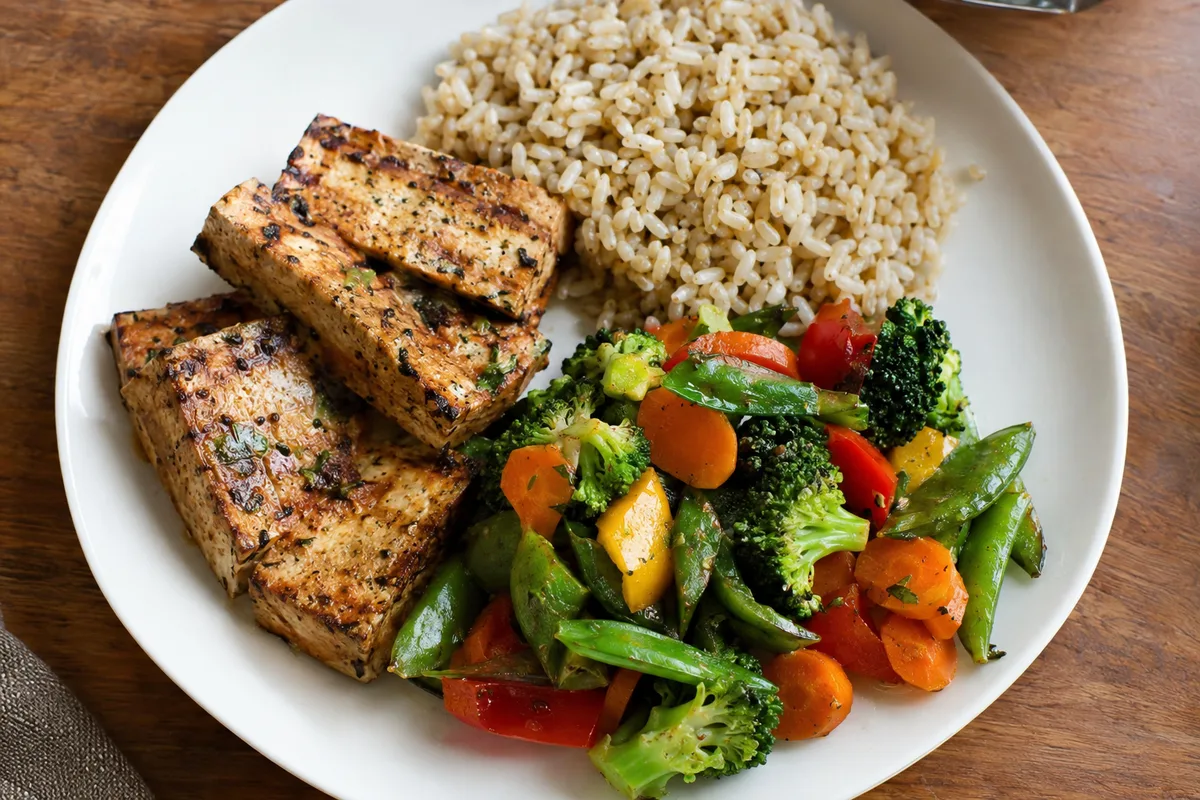
A simple meal can include a protein source, a fibre-rich carbohydrate and vegetables or fruit, with some fat for flavour and satisfaction. The exact amounts depend on the person, the meal and their goals. There is no need to label individual foods as morally good or bad.
When a tip focuses on adding something, ask whether an everyday food can serve the same purpose. A claim about fullness might translate into choosing a meal with more protein, fibre or volume. That is easier to assess than expecting one branded or unusual ingredient to produce a special effect.
- Eggs, yoghurt, beans, lentils, fish or tofu for protein
- Oats, potatoes, brown rice or wholegrain bread for carbohydrate and fibre
- Vegetables or fruit for colour, volume and variety
- Nuts, seeds, avocado or olive oil as sources of fat
Use reliable evidence without getting lost in jargon
A single television guest, personal story or short experiment cannot settle a broad nutrition question. Stronger guidance considers the full body of evidence and explains both benefits and limits. It should also distinguish an early idea from advice that is already well established.

Check whether the source names qualified nutrition experts or recognised public health guidance. Look for references that can be opened and read, rather than vague statements that research proves the claim. Funding or commercial links do not automatically make information wrong, but they are relevant when judging how it is presented.
Evidence can still leave room for personal preference. Two meals may both be sensible while differing in taste, culture and preparation. The aim is to choose an approach supported by reasonable evidence that you can follow consistently.
- Is the original evidence linked or clearly identified
- Does the explanation mention limitations
- Is the advice consistent with established food guidance
- Are commercial relationships stated clearly
- Is uncertainty acknowledged where appropriate
Run a calm, practical check
If a tip appears reasonable, treat it as a small change rather than rebuilding your whole diet at once. Decide what you will change, what it will replace and what you want to observe. Keep the rest of your routine broadly steady so the result is easier to understand.
Use your log to review hunger, energy, enjoyment, digestion and how practical the change feels. Day-to-day variation is normal, so avoid drawing a firm conclusion from one meal. The useful question is whether the idea supports a balanced pattern you can maintain.
Stop and reconsider if the tip encourages extreme restriction, persistent hunger or anxiety around eating. Personal nutrition needs vary, and general media advice cannot account for every circumstance. A registered nutrition professional can help interpret advice when your needs are complex.
- Choose one specific change
- Decide which usual food it will replace
- Track the change alongside your normal notes
- Review practicality as well as nutrition
- Keep, adjust or drop it based on the overall pattern