
The Valencia Diet: What the Label Really Means
The Valencia diet is not one formally defined eating plan, so its meaning can vary depending on where you see the term. This guide explains its likely Valencian influences, how to build balanced meals and how to record them accurately.
Is there an official Valencia diet?
There is no single, widely agreed Valencia diet with fixed foods, portions or daily targets. The name is sometimes used for an eating style inspired by Valencia, a region on Spain’s Mediterranean coast. It may also be attached to online plans that set their own rules, so it is important to check what a particular source means.
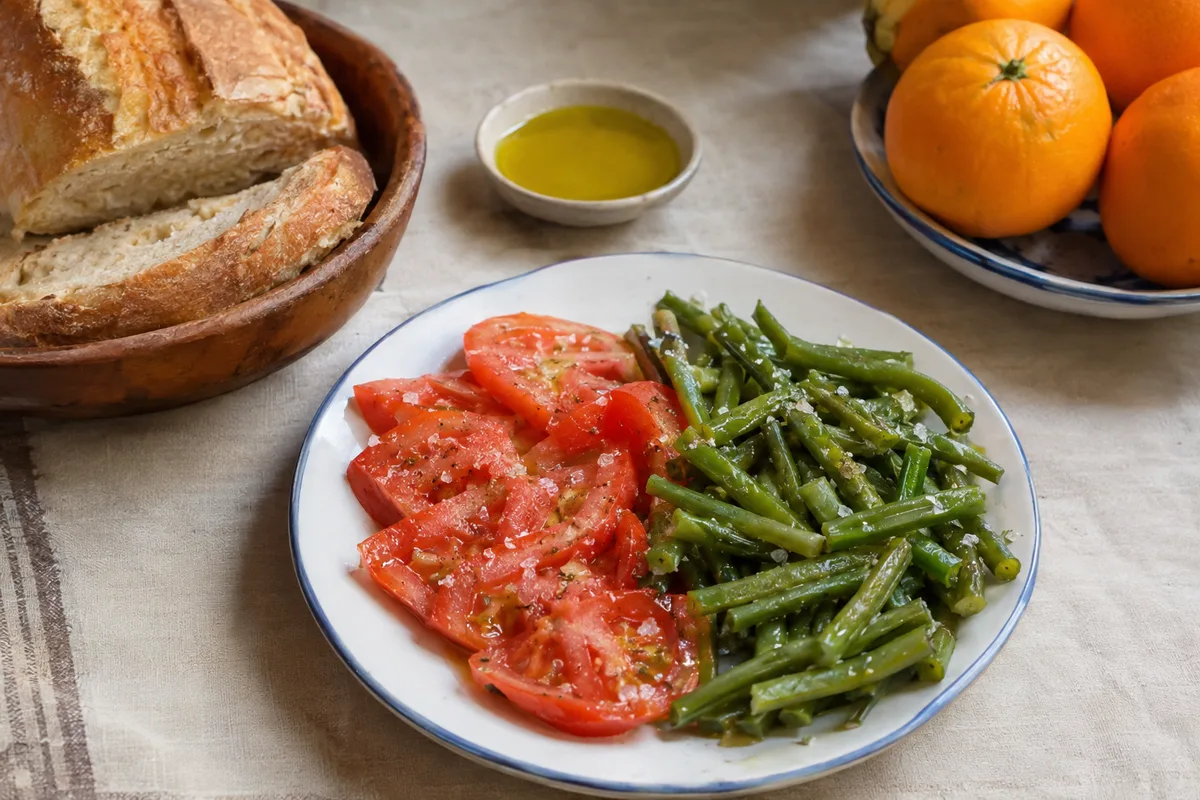
Traditional Valencian food can offer useful ideas without becoming a strict programme. Meals often make room for vegetables, beans, rice, fruit, nuts, olive oil, fish, eggs and meat, depending on the dish and household. You can borrow that general pattern while choosing portions that suit your appetite, routine and tracking goals.
- Check whether the version you found lists clear food groups or rigid restrictions
- Look for ordinary meals rather than claims about one special ingredient
- Treat regional inspiration and a branded set of rules as different things
- Be cautious when the label is used without a clear explanation
The foods behind the regional influence
Valencian cooking reflects its coastline, farmland and rice-growing areas. Tomatoes, peppers, onions, green beans, broad beans and artichokes can appear in everyday dishes, while oranges and other fruit are familiar choices. Olive oil is commonly used for cooking and dressing food.
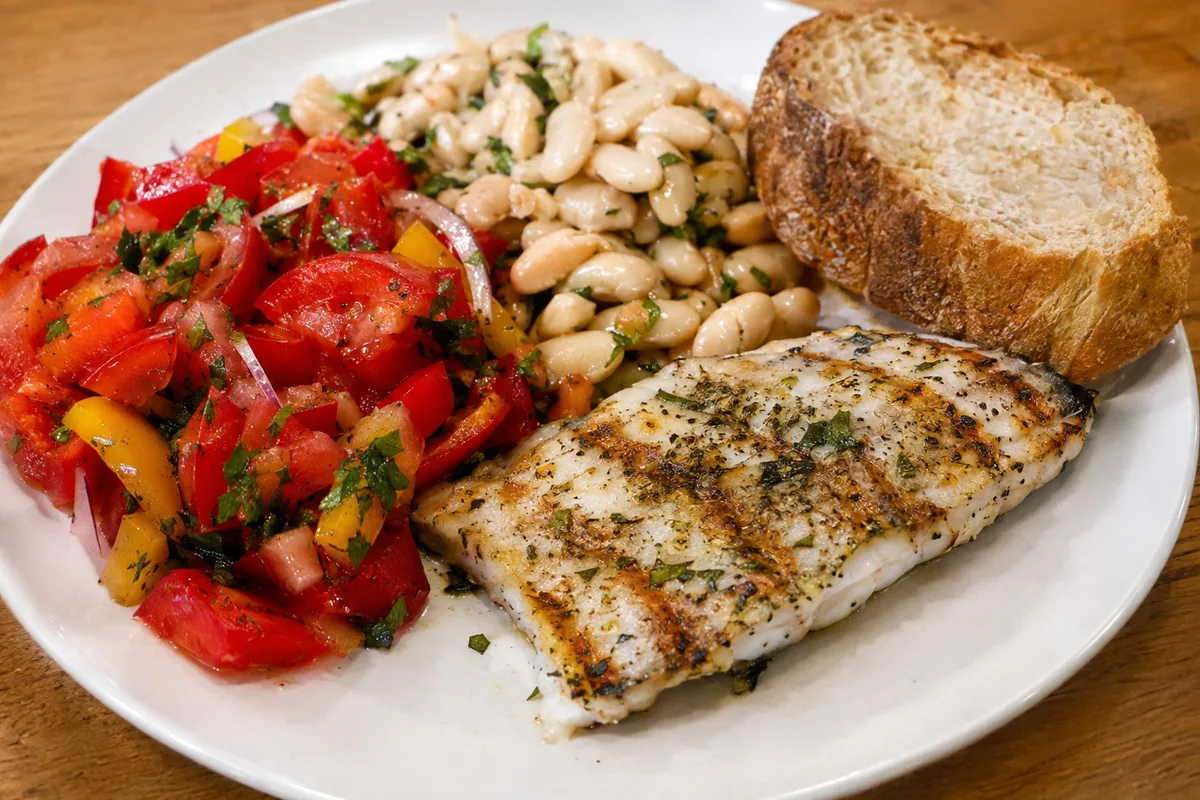
Rice is an important part of the region’s food culture, but it is not the whole pattern. Bread, potatoes, beans, seafood, eggs, poultry and other meats may also feature. Variety matters more than trying to make every meal look traditionally Valencian.
- Vegetables such as tomatoes, peppers, onions and green beans
- Rice, bread, potatoes and beans as sources of carbohydrate
- Fish, seafood, eggs, poultry, meat or pulses for protein
- Olive oil, nuts and seeds as sources of fat
- Fresh fruit as part of meals or snacks
How to put together a balanced plate
Start with vegetables or salad, then add a clear source of protein and a carbohydrate that fits the meal. Include some fat through olive oil, nuts, seeds or the food itself. There is no universal plate size because suitable amounts depend on the person, the day and the rest of their intake.
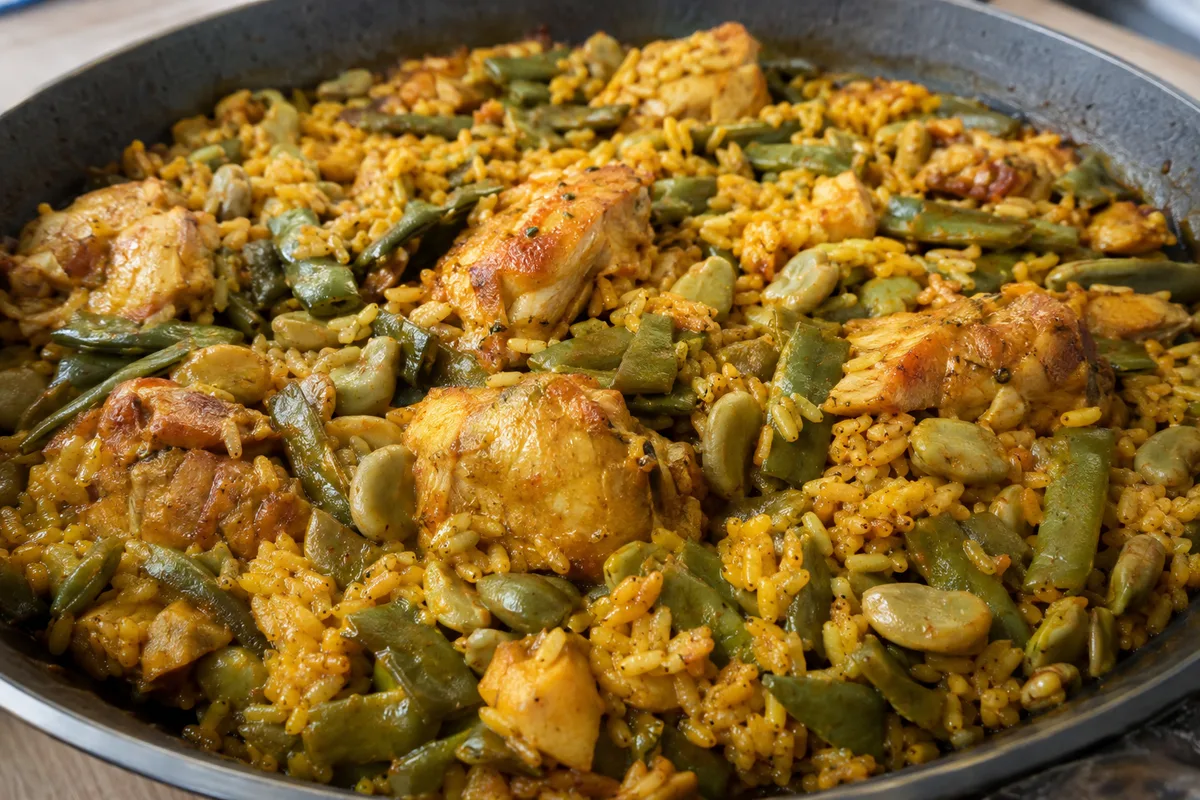
A simple lunch might combine a tomato and pepper salad, beans or fish, and bread or rice. An evening meal could pair cooked vegetables with eggs and potatoes, followed by fruit if wanted. These are flexible combinations rather than compulsory menus.
- Vegetables plus beans and rice
- Grilled fish with potatoes and salad
- Eggs with cooked peppers, onions and bread
- Chicken with green beans and a rice dish
- Yoghurt with fruit and nuts
Paella and other mixed dishes
Paella is closely linked with Valencia, but its ingredients and preparation vary. A Valencian-style version may include rice, vegetables, beans and meats, while seafood rice dishes follow a different tradition. For tracking purposes, the recipe matters more than the name.
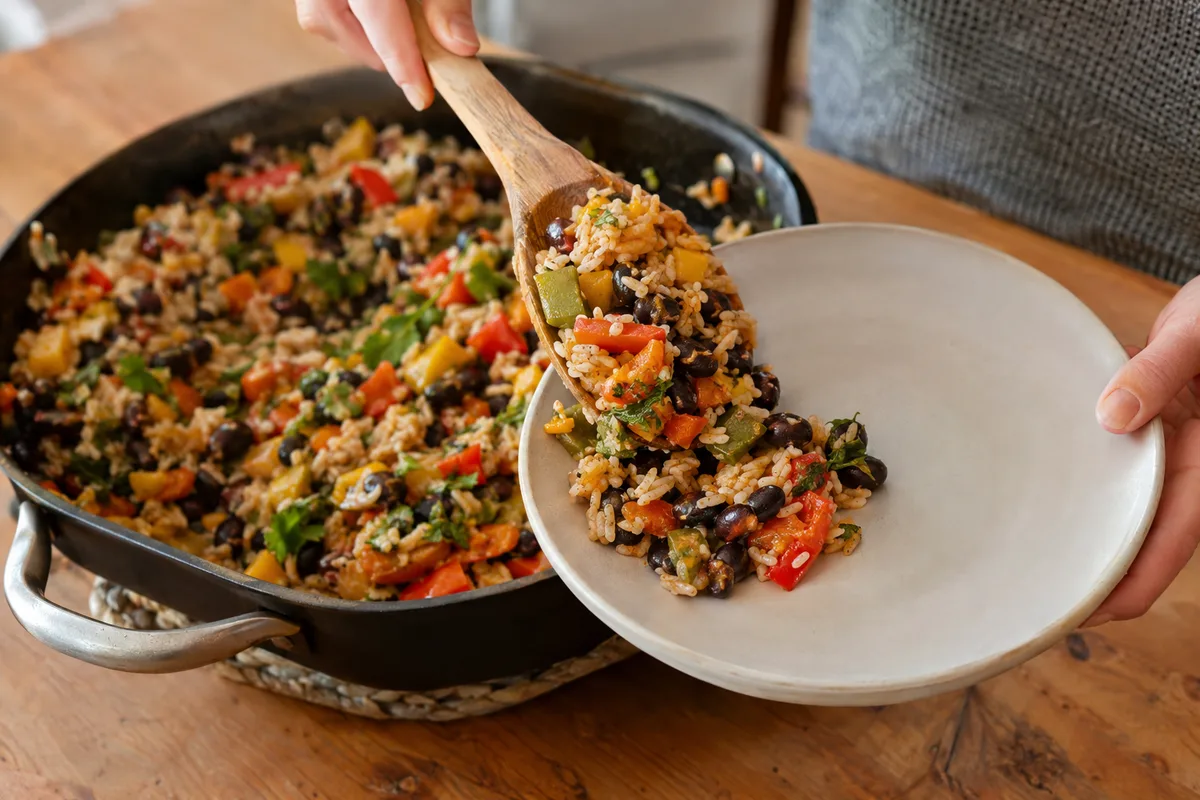
Mixed dishes can be harder to log because oil, rice and protein are combined in one pan. Record the ingredients used for the whole recipe, then divide the total according to the portion you ate. If someone else cooked it, choose the closest database entry and accept that the result is an estimate.
Do not assume that a homemade rice dish and a restaurant serving have the same composition. Added oil, the balance of rice to vegetables and the choice of protein can all change the recorded energy and nutrients. Consistency in how you estimate is often more useful than searching for a perfect entry that does not exist.
- Log dry rice when building a recipe from scratch
- Include cooking oil rather than treating it as negligible
- Add each meat, fish, bean and vegetable separately
- Enter the number of portions made before saving the recipe
- Use a clear note when a restaurant meal is estimated
What to watch for when tracking
A Mediterranean-looking meal is not automatically easy to record. Olive oil, nuts, bread, sauces and shared dishes can be missed because they sit around the main ingredients. They can still be part of the meal, but including them gives you a more complete log.
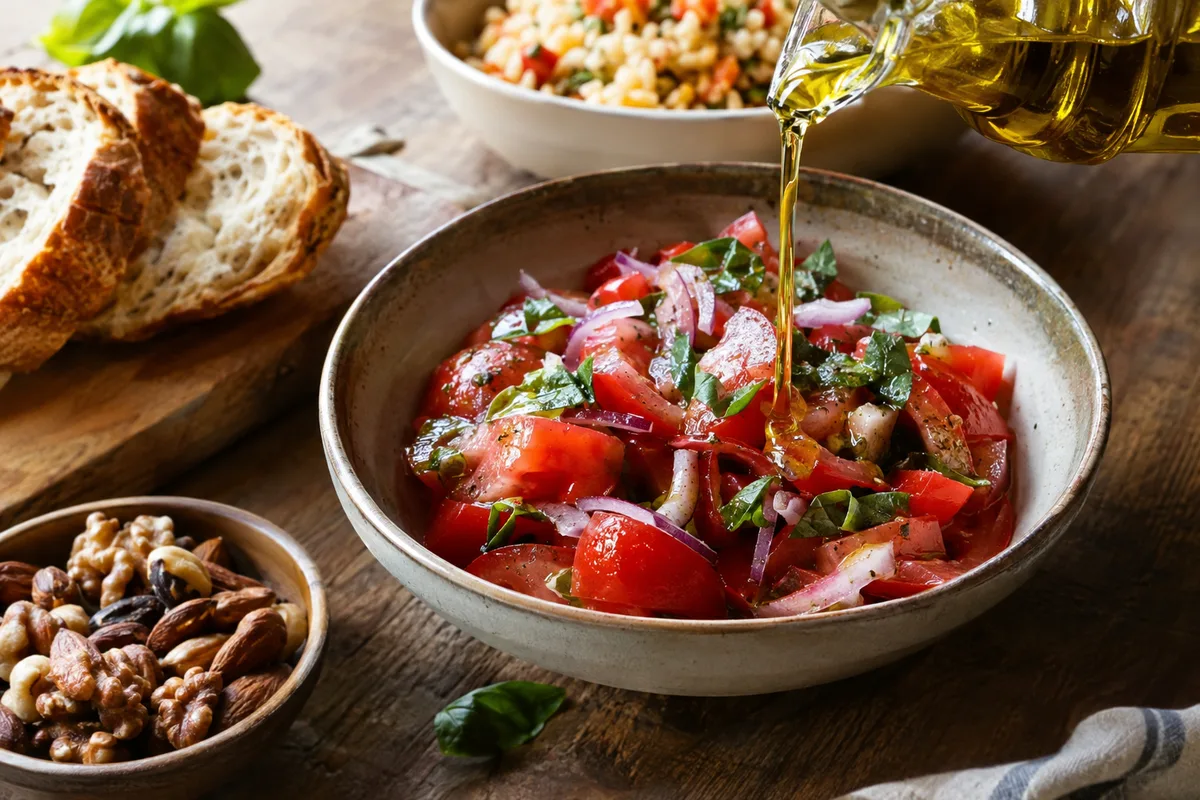
Pay attention to whether your tracker expects cooked or uncooked weights. Rice, beans and some meats change weight during cooking because they gain or lose water. Match your entry to the state in which you measured the food.
You do not need to make every estimate exact. For meals you eat regularly, save a recipe or repeatable meal using the ingredients and portions you usually serve. Update it when the recipe changes rather than creating a new guess each time.
- Record oil used in cooking and dressings
- Check whether rice and beans are logged cooked or dry
- Include bread, drinks, sauces and small side dishes
- Save frequently made recipes for consistent entries
- Use notes to mark estimated portions
A flexible approach works better than a label
You do not have to eat only Valencian foods to use the helpful parts of this style. The practical idea is to base meals on varied plant foods, add a suitable protein, include a carbohydrate and account for cooking fats. Foods from your own culture and local shops can fill the same roles.
Avoid turning the name into a list of forbidden foods. A pattern is easier to maintain when it leaves room for preferences, social meals and changes in appetite. Your food record can show whether the overall mix works for you without requiring each day to be identical.
If an online Valencia diet comes with strict stages, compulsory fasting or broad promises, separate those claims from the region’s food traditions. Review the actual rules and consider whether they provide enough variety and fit your circumstances. The label alone does not tell you whether a plan is balanced or suitable.
- Keep the useful meal structure rather than chasing authenticity
- Choose portions according to your own needs and routine
- Allow for meals out and foods eaten for enjoyment
- Judge the overall pattern across time, not one meal