
Canned Sweet Corn: Benefits, Drawbacks and What to Track
Canned sweet corn can be an easy way to add carbohydrate, fibre and useful nutrients to a meal. Checking the label helps you account for differences in salt, added sugar and serving size.
What canned sweet corn offers
Sweet corn provides carbohydrate, which the body uses for energy, along with some fibre. It also contains small amounts of protein and a range of vitamins and minerals, although the exact amounts vary by product.
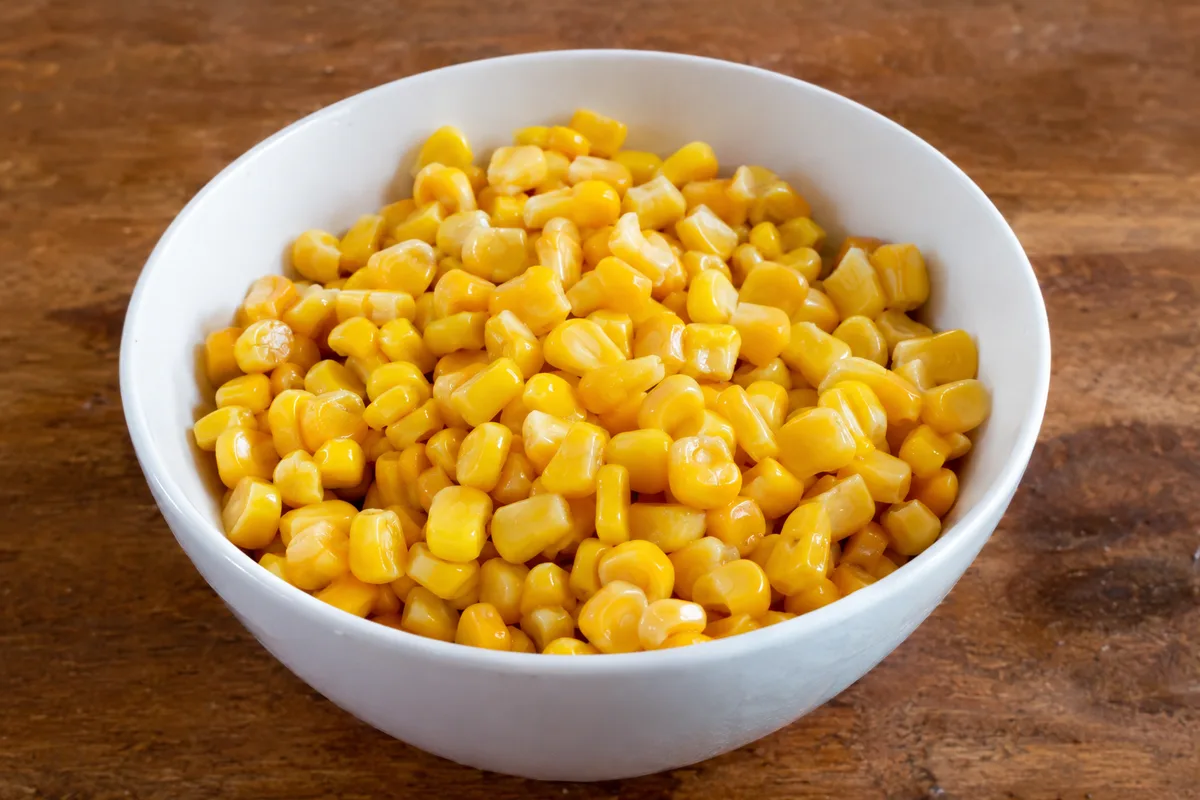
Canning makes sweet corn easy to store and quick to use, which may help when fresh ingredients are not practical. Its sweetness, colour and texture can also make simple meals feel more varied without much preparation.
How it fits into food tracking
When logging canned sweet corn, use the nutrition information from the specific tin rather than a generic entry where possible. Check whether the listed values refer to the drained corn or the corn with its liquid, as this can affect the weight you record.
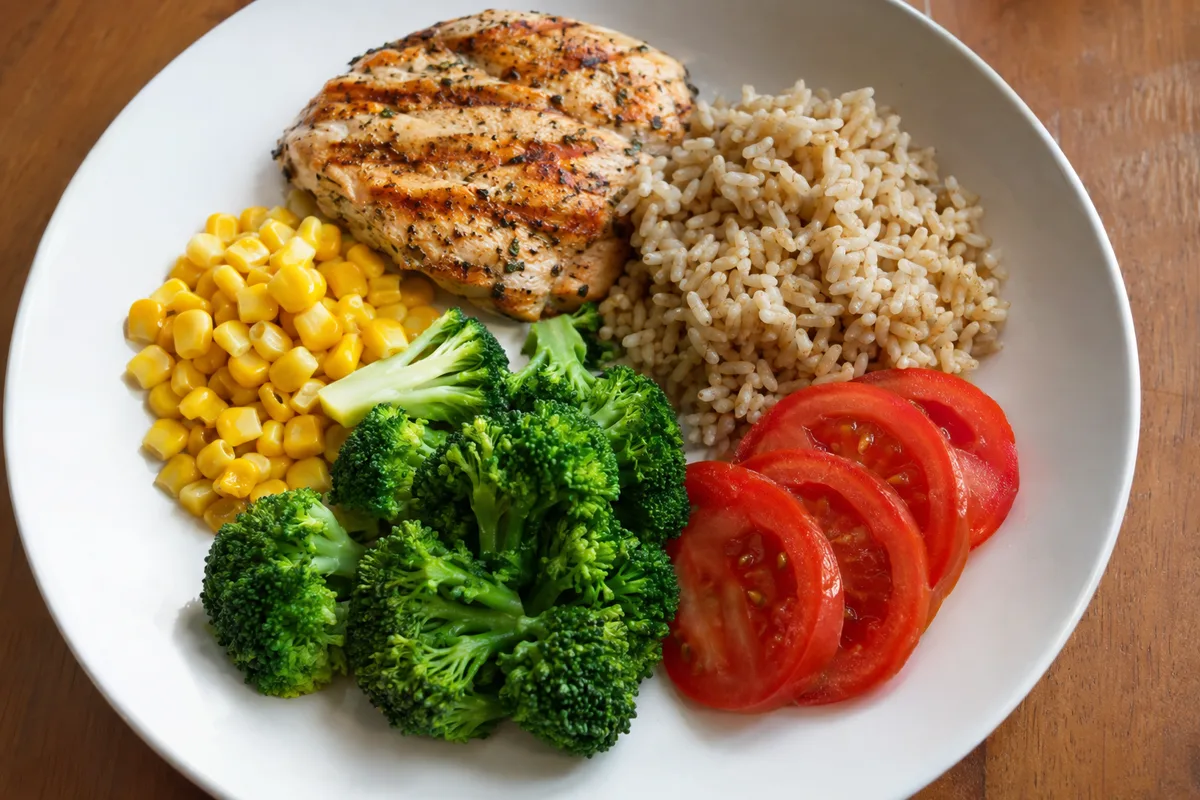
A portion can contribute more carbohydrate and energy than non-starchy vegetables, so it is worth tracking it separately. The right amount depends on your appetite, activity, overall meal and personal goals rather than a fixed serving rule.
Possible drawbacks and side effects
Some canned sweet corn contains added salt or sugar, while other versions contain only corn and water. Comparing labels can help you choose the option that suits the rest of your day, and draining or rinsing may remove some of the liquid around the kernels.
The fibre and natural carbohydrates in sweet corn may cause wind, bloating or digestive discomfort for some individuals, particularly after a larger portion. If you notice this pattern, tracking the portion and how you felt afterwards can help you find an amount that suits you.
Using it with a balanced meal
Sweet corn works well as one part of a meal rather than the only vegetable. Combining it with other colourful vegetables, a protein source and a suitable source of fat can create a more varied mix of nutrients and textures.
Drain the tin before weighing if your chosen food entry is based on drained weight. Leftovers should be transferred to a covered container, refrigerated promptly and used according to the storage instructions on the label.